Search results for: video buying guide camera cranes
About 6 filtered results
by Atane Ofiaja · Posted
PTZ (pan-tilt-zoom) cameras are commonplace in broadcasting, video production, live events, video conferencing, lectures, and more. They offer versatility and flexibility across a wide range of applications. With this versatility and flexibility comes the ability to be creative in capturing content. You’re certainly not limited to the applications listed below. They are just some examples of how you can be creative with PTZ cameras.
Cooking and Food Influencers
Cooking- and food-based video content are quite popular across social media

by Zack Young · Posted
The internet is so inundated with video content right now that standing out from the pack can be extremely challenging, even if you have useful information to share or a great story to tell. The bar for viewer engagement is higher than it’s ever been, so as technology becomes more accessible, it’s creativity that will help you stand out from the pack. Whether you’re broadcasting, live streaming, or even just recording a production, remote controllable PTZ (pan-tilt-zoom) cameras can help you take your shoot to the next level and impress your

by Stepan Andranikian · Posted
There's nothing like the feeling you get after playing your footage from an arduous day of filming, when you realize that everything you shot looks like your camera stumbled into a rogue washing machine, which then toppled down a comically large mountain range. Nothing like it. Unintentionally shaky footage can make a seemingly successful shoot become the bane of one's career. While there are certain measures one can take to mitigate the shakiness of footage in post, nothing will be as painless as simply stabilizing during production—hence the
by Jennifer Hahn · Posted
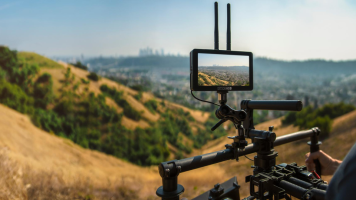
If you’ve ever seen a “video village” on a set, you understand how quickly cables and monitor equipment fill the area, making it hazardous, not to mention limiting to a single area where you can pile people up to see the shot. And then there’s the wire nest that piles up around the camera, requiring multiple people to be huddled around the camera to set up a shot, making it necessary to have wired monitors close by. The cinematographer, AC, AD, focus puller, gaffer, and, of course, the director all have to check out how the lighting and
by Peter Ward_1 · Posted
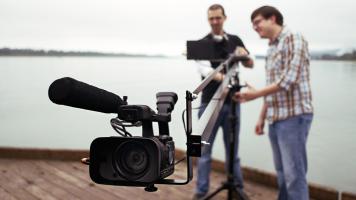
What makes a great shot? Is it the lighting? The camera angle? The mise en scène? Is there even a formula? Who can compare the gritty naturalism of much postmodern cinematography with the deliberate, expansive visuals of classic Hollywood? I can, I hope, show you many of the tools that have the potential to make great shots possible.
Tripod
I can already hear yawns in the audience. The humble tripod!? Yet, if there is one piece of camera support every DP,

by Steven Gladstone · Posted
Cameras continue to get smaller and lighter, without necessarily being designed with better ergonomics. Media costs drop, resulting in increased improvisation and on-the-fly filmmaking and, of course, you are always balancing quality with getting as much done as possible. So, unless you are making yet another Blair Witch Project, or reviving the shooting style of the TV series Hill Street Blues, smooth is the word when it comes to camera movement. In this article, I'm going to go over many of the available choices for stabilizing your camera