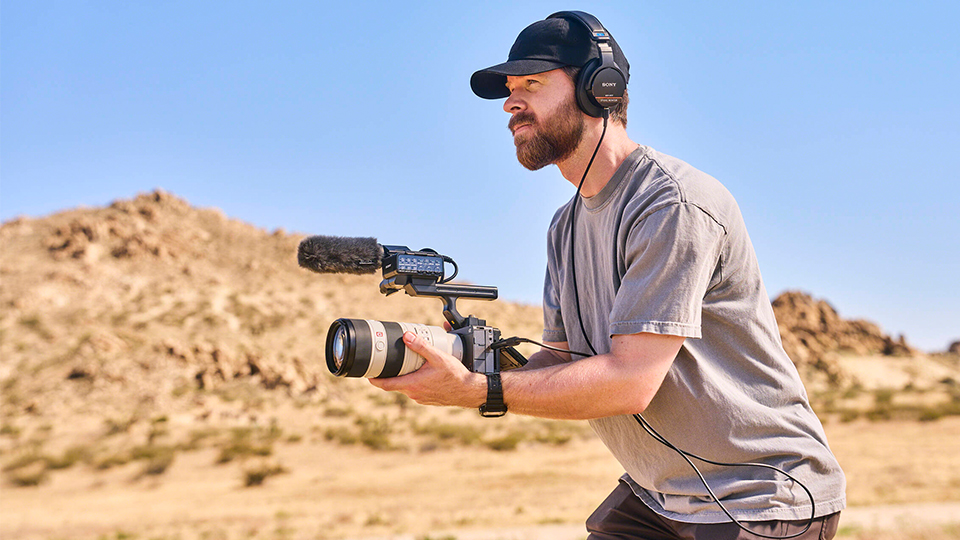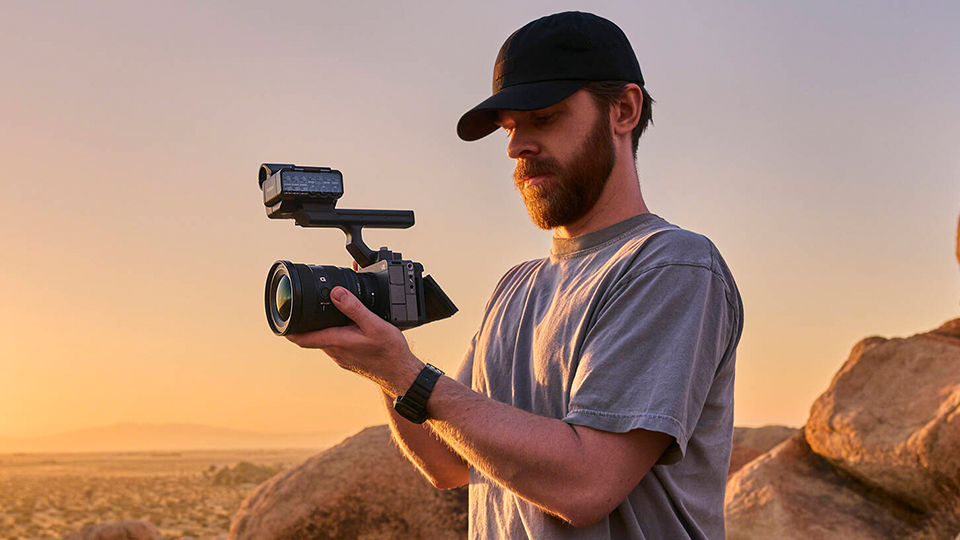
Open gate recording is an invaluable tool for video shooters making content that will be delivered in different aspect ratios. By recording the entire camera sensor, not just a traditional 16 x 9 frame, open gate video has more information on the top and the bottom of the image, which aids cropping, social media delivery, and overall post-production flexibility. More and more mirrorless cameras are implementing the feature, but the specifics can vary. Today we’re breaking down the current open gate offerings from three of the major camera brands.
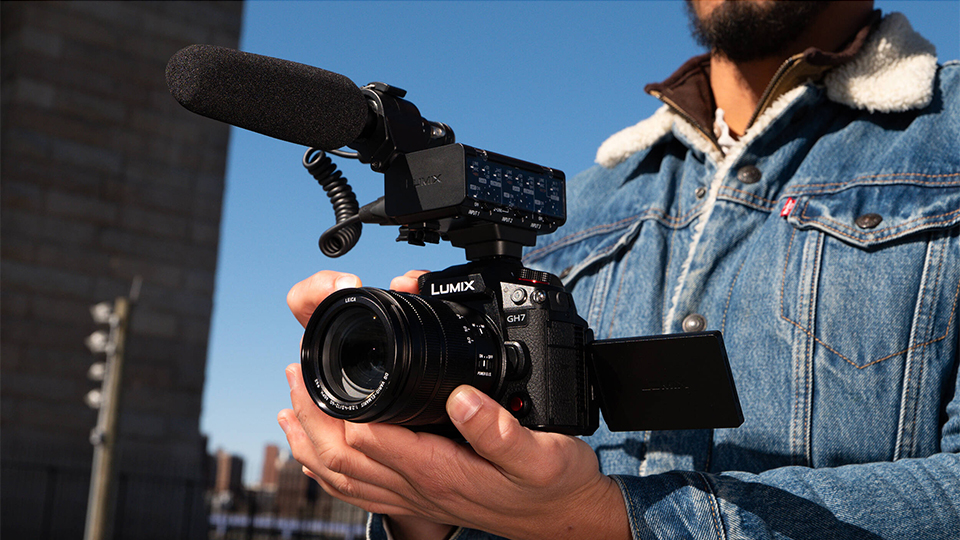
Panasonic
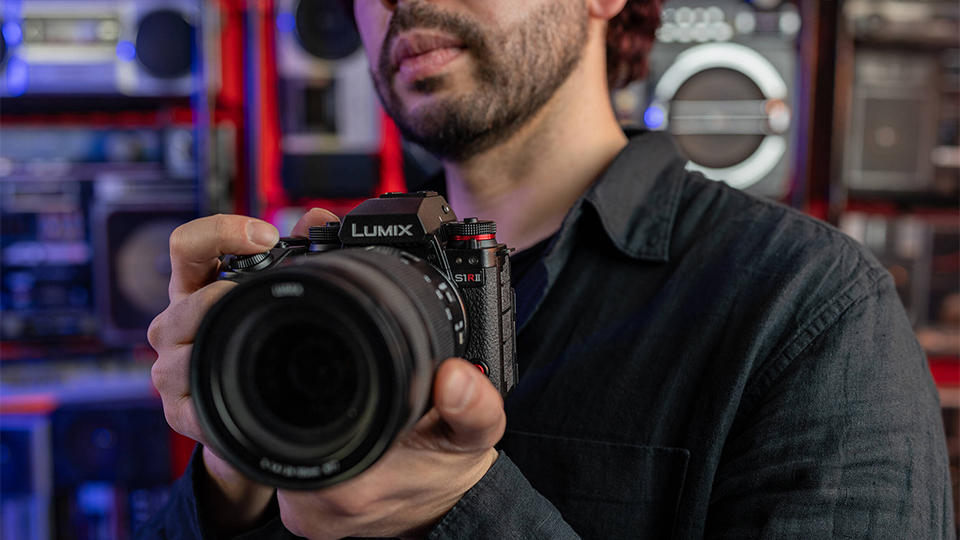
The LUMIX line has been at the vanguard of open gate and it shows in the wide swath of current bodies that have the feature, including (ordered roughly by price point) the S9, G9 II, GH7, S5 II, S5 IIX, S1 IIE, S1 II, and S1R II. All these bodies offer unlimited recording times and a max resolution of 6K, save for the S1R II, which offers 8K, and the G 9II and GH7, which top out at 5.7K. Codecs are where the more premium cameras start to flex their muscles, with only the S1 IIE, S1 II, and S1R II capable of ProRes RAW HQ recording internally. The GH7 has standard ProRes RAW, the S5 IIX has standard ProRes, and the rest of the cameras have 10-bit H.265 as their least compressed format. Check out specific camera pages for max frame rates options, and keep in mind the G9 II and GH7 have MFT-sized sensors, while the rest are full frame.
FUJIFILM
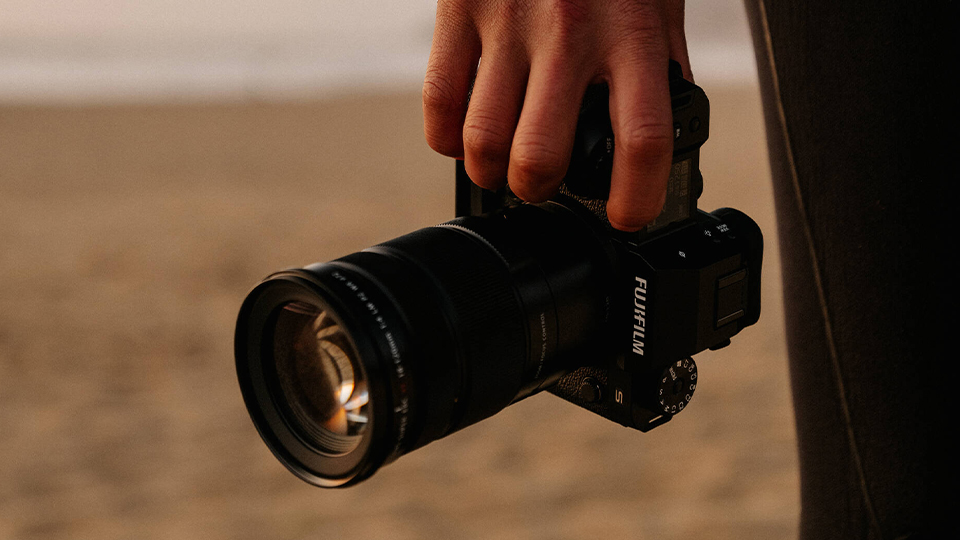
FUJIFILM includes open gate recording in their compact and wallet-friendly X-M5, as well as the X-S20 and X-H2S. All three offer 6.2K open gate recording in 4:2:2 10-bit. Keep in mind they also all have APS-C sized sensors, and the X-M5 only has digital stabilization, while the other two have IBIS. The X-H2S has H.265 and ProRes recording options, while the X-S20 has H.265 or MOV, and the X-M5 tops out with H.265 and does feature some recording limits based on what resolution you’re recording in. All three cameras can output raw 12-bit video via HDMI. Though they might not feature as rich a suite of video functionality as the LUMIX cameras, they do have the much-loved FUJIFILM color science. FUJIFILM’s new cinema camera, the GFX ETERNA 55, has open gate recording too.
Canon
While newer to open gate, Canon made a splash by including the feature in the R6 III and R6 V, both capable of 3:2 7K 12-bit raw. The cameras can also record open gate in 10-bit MP4 files for easier delivery, and have the popular Canon Log 3 (C-Log 3) color space. Canon is bringing open gate recording to their cinema line with the C50 and C400, but for hybrid shooters who need a full suite of photo features, the R6 III and R6 V are their only options at the moment. Both have the same sensor and sit around the same price point, but only the R6 III has an electronic viewfinder and mechanical shutter, while the R6 V has a built-in cooling fan for longer record times.
Sony and Nikon
Sony has included open gate recording in their newest cinema camera, the FX5, but not in any of their Alpha bodies so far. Nikon hasn’t brought open gate to their cameras yet either, but I imagine that will change in the near future. For more information about all the cameras discussed, including features, specs, and highlights, be sure to check out the detailed product pages.