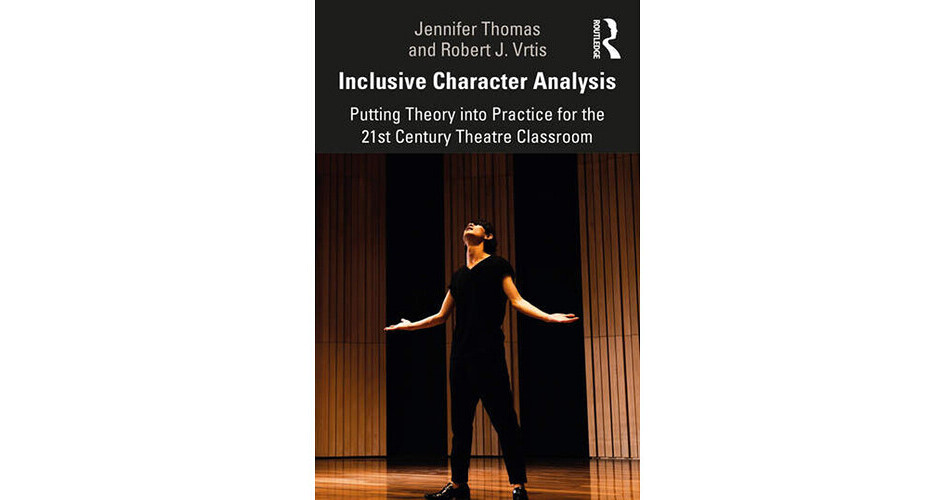
Inclusive Character Analysis: Putting Theory into Practice for the 21st Century Theatre Classroom from Focal Press foregrounds representations of race, gender, class, ability, and sexual orientation by blending script analysis with a variety of critical theories in order to create a more inclusive performance practice for the classroom and the stage. This book merges a traditional Stanislavski-based script analysis with multiple theoretical frameworks such as gender theory, standpoint theory, and critical race theory, to give students in early level theatre courses foundational skills for analyzing a play, while also introducing them to contemporary thought about race, gender, and identity.
Inclusive Character Analysis is a valuable resource for beginning acting courses, script analysis courses, the directing classroom, early design curriculum, dramaturgical explorations, the playwriting classroom, and introduction to performance studies classes. Additionally, the book offers a reader-style background on theoretical frames for performance faculty and practitioners who may need assistance to integrate nonperformance centered theory into their classrooms.
2. Standpoint Theory and If
3. Place Theory and Given Circumstances
4. Gender Theory and Relationships
5. Class Privilege and Desire
6. Critical Race Theory and Beats
7. Disability Studies and Internal/External Adjustments
Robert J. Vrtis is an Associate Professor of Theatre at Luther College. He teaches classes in acting, contemporary theatre, and directing practices. At Luther College, he works to empower student voices through service on the Council for Equity and Inclusion.