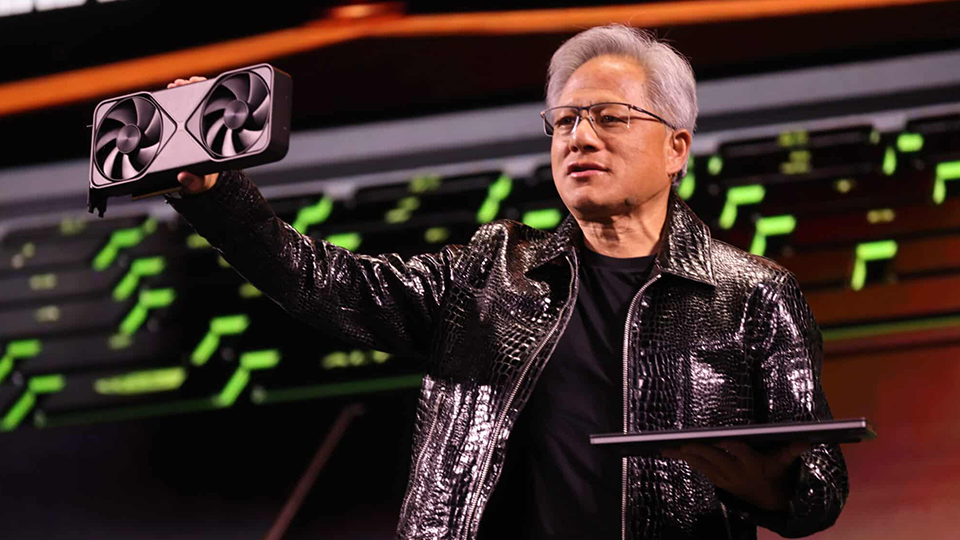
At CES 2025, NVIDIA announced their latest foray into the graphics card world with their brand-new GeForce RTX 50 Series cards powered by Blackwell shader core architecture. Featuring 5th Generation Tensor Cores, 4th Generation RT Cores, and greater boost clock speeds, the GeForce RTX 50 Series promises to deliver greater performance across the board for designers, engineers, and gaming enthusiasts.

Universal Technologies
Each graphics card utilizes enhanced ray tracing technologies designed to refract light onto the scenery in a realistic manner. This enables engineers and animators to properly transpose light into scenes to enhance visual fidelity. Gaming enthusiasts will see an uplift in image quality as light pathing makes specific elements within the digital world look and feel more authentic.
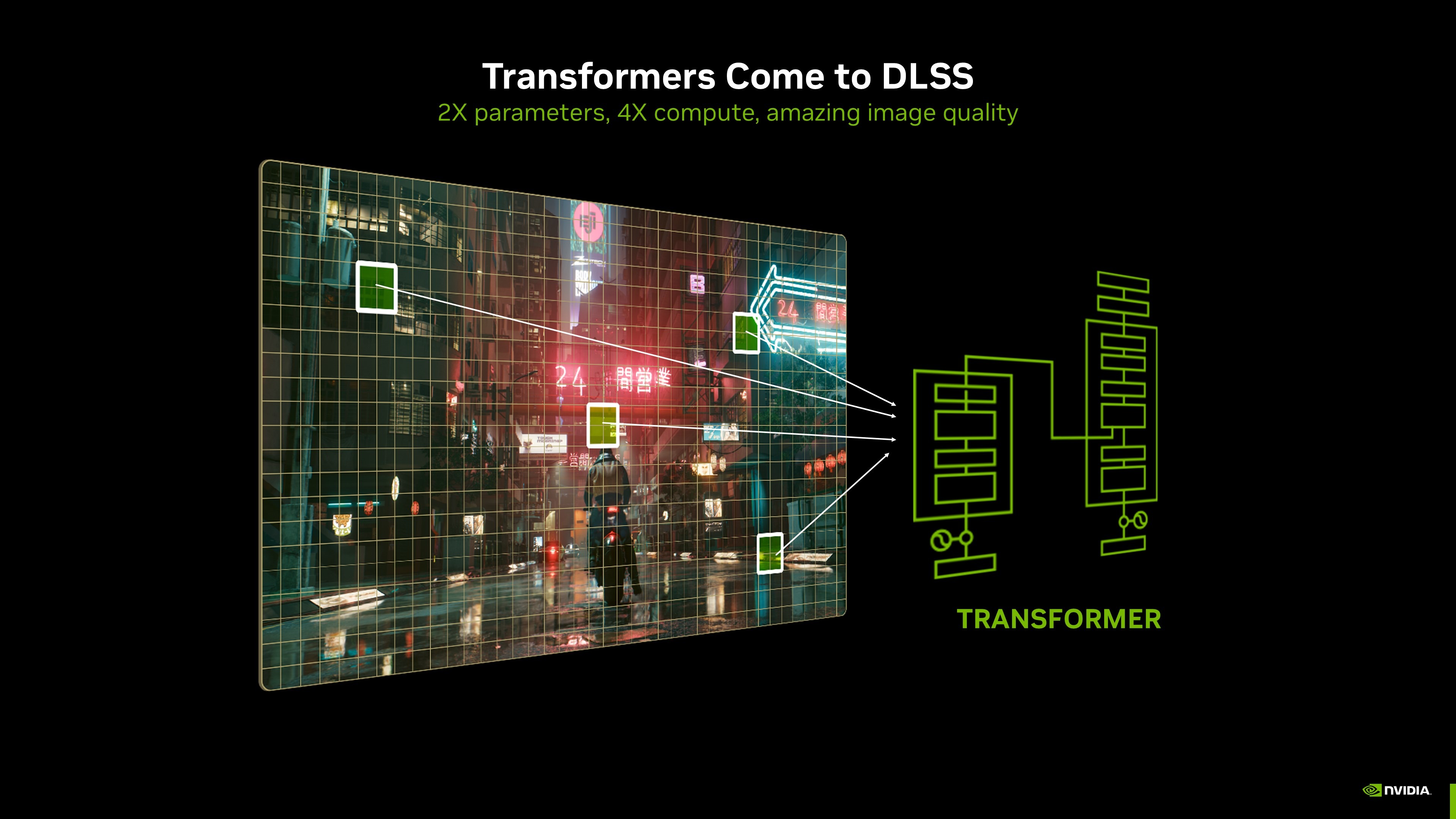
NVIDIA DLSS 4 emboldens your games with integrated Multi Frame Generation technology to present a clearer and smoother gaming experience. Lower-rendered titles are upscaled to a higher resolution while Multi Frame Generation takes a single frame and enhances the flow by predicting and adding additional frames for a smoother experience. This is backed by NVIDIA Reflex 2 (coming soon) with Frame Warp which reduces latency between your inputs and what is happening on the screen.

Each of the 50 Series GPUs offer support for high-quality resolutions, giving you up to 4K resolution at 480 Hz or 8K resolution at 120Hz with DSC. All cards also have three DisplayPort 2.1b and one HDMI 2.1b outputs, offering support for up to four monitors.
Additionally, each card operates on the PCIe 5.0 interface, giving you increased operational bandwidth, giving cards like the RTX 5090 up to 1792 GB/s speeds! This opens the door to faster performance across the board while these integrated technologies reduce the impact of virtual assets on the screen.
NVIDIA isn’t just for graphics, as they have plenty of creative systems and operations bult into their RTX 50 Series cards. Technologies like NVIDIA Broadcast, FreeStyle, Studio Drivers, Highlights, are available along with multiple Ninth Generation NVIDIA Encoders and Six Generation Decoders. Of course, AV1 encoders and decoders are built into the 50 Series, giving you a greater uplift in rendering and broadcasting capabilities.
GeForce RTX 5090
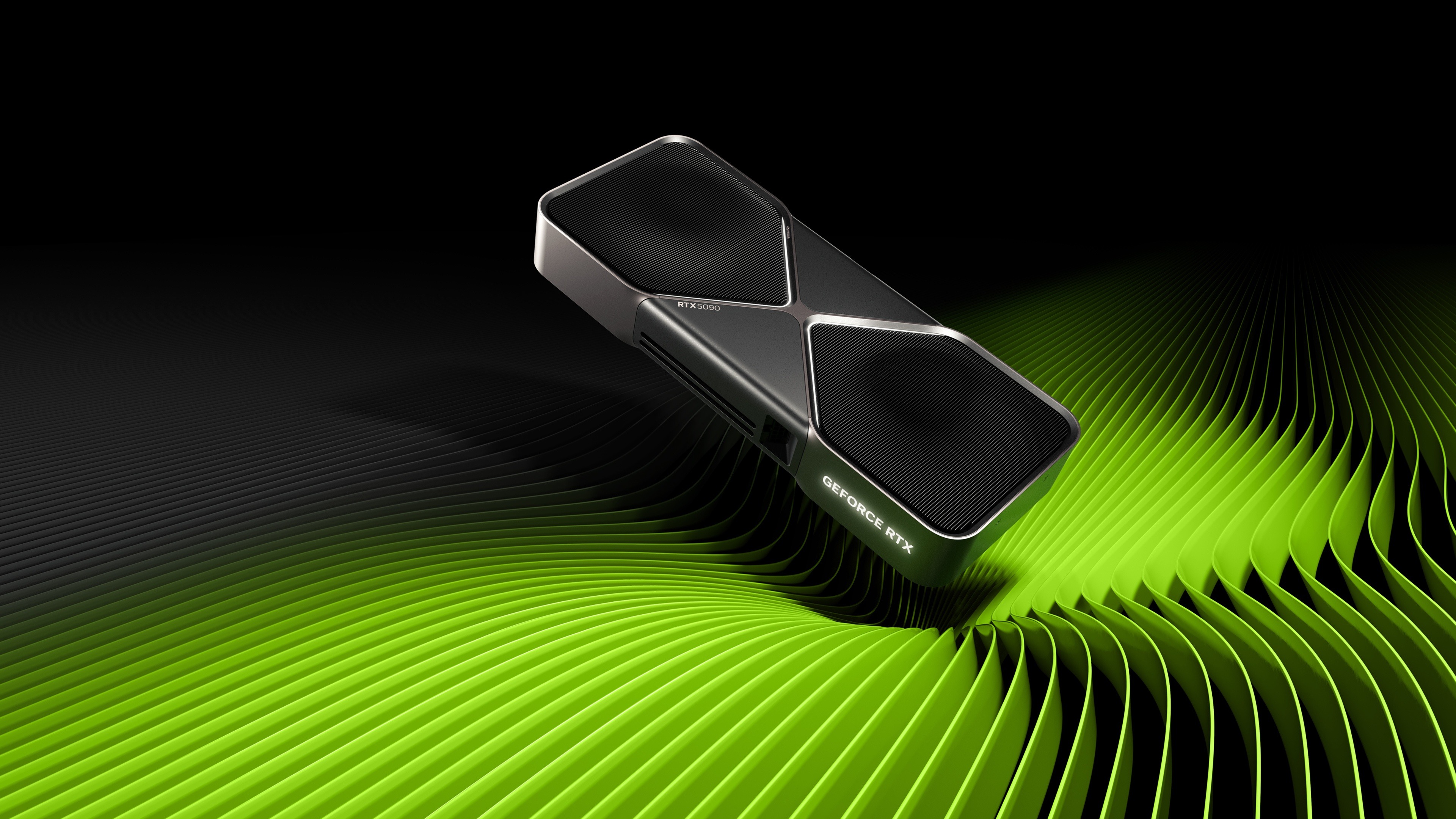
The flagship workstation-level graphics card boasts an impressive 32GB of GDDR7 dedicated memory backed by 21760 CUDA cores, allowing the 5090 to handle the most demanding tasks with a clock speed ranging from 2.01 to 2.41 GHz. To handle the AI enabled technologies, the RTX 5090 leverages 5th Gen Tensor Cores rated for 3352 TOPS. Its 4th Generation Ray Tracing Cores deliver 318 TFLOPS of power for realistic lighting and deep immersion. Make sure you have ample power to keep the card running as it requires at least a 1000W power supply.
GeForce RTX 5080

Sporting 10752 CUDA cores, the RTX 5080 delivers intense graphics and high-fidelity performance for all types of gamers out there. While it can still deliver impressive results in workloads, the RTX 5080 is primarily designed for high-end gaming thanks to its 16GB of GDDR7 memory operating on a 256-bit interface, giving it a 2.30 to 2.62 GHz clock speed range. Gaming enthusiasts can leverage the RTX 5080’s 1801 TOPS rated Tensor Cores and 171 TFLOPS Ray Tracing cores for deeper immersion into their favorite titles. The RTX 5080 requires at least an 850W power supply.
GeForce RTX 5070 and 5070 Ti
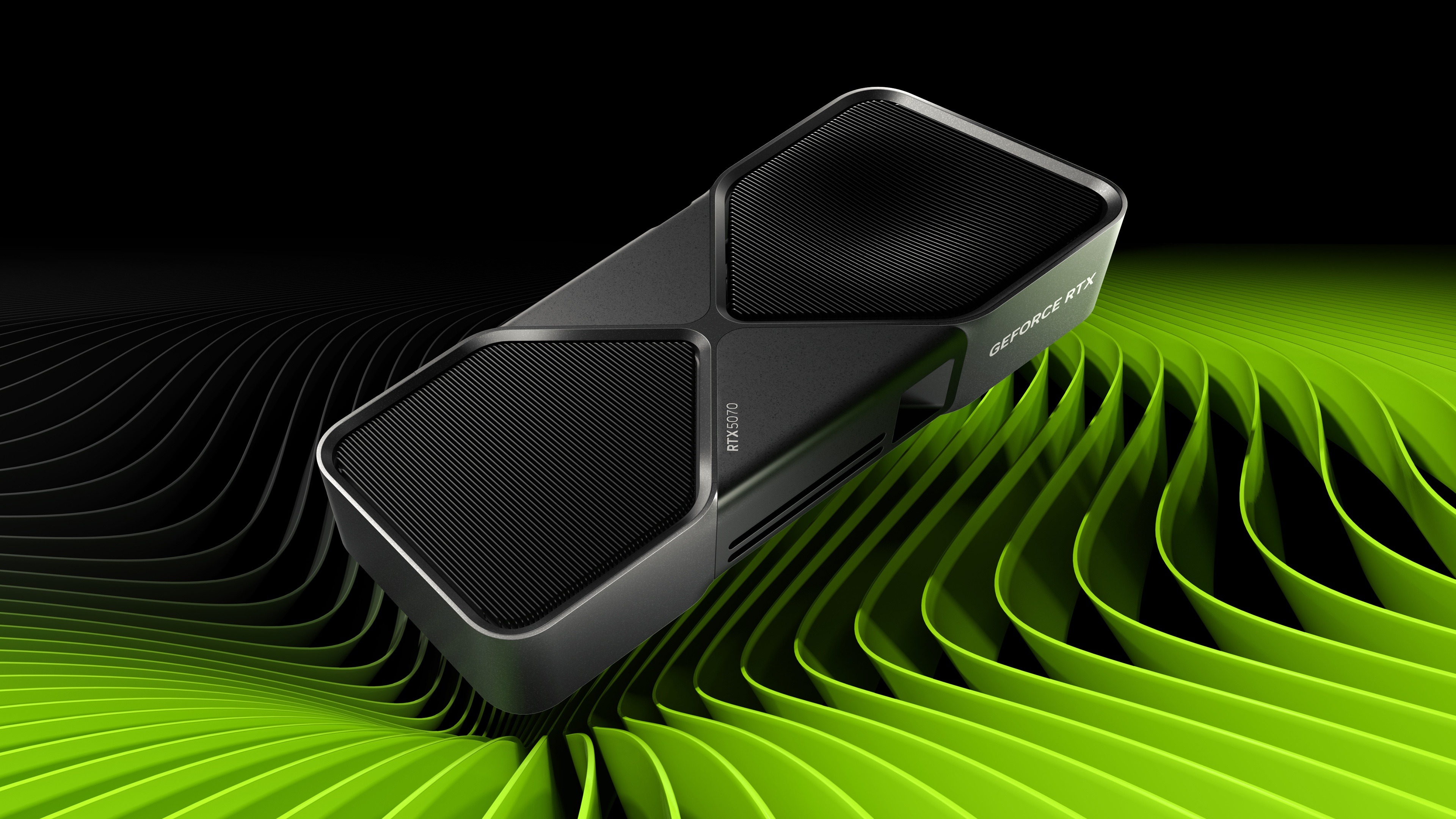
Intended for the mid-ranged gamer out there who wants to experience the new technologies from NVIDIA without going too overboard, the RTX 5070 and 5070 Ti both offer flexibility and ample power to run a wide range of titles. The RTX 5070 is equipped with 12GB of GDDR7 memory operating at a 192-bit bus, giving the GPU a clock speed range of 2.16 to 2.51 GHz. This also offers a 998 TOPS rating and 94 TFLOPS of Ray Tracing core power.
While the 5070 boasts ample power to handle a variety of titles, the 5070 Ti gives you a bit more, giving you extra headroom to handle not just the current titles of today, but also offers a bit of future proofing down the line. The 5th Generation Tensor Cores is rating for 1406 TOPS while the 4th Generation Ray Tracing Cores offer 133 TFLOPS of power. This is backed by 16GB of GDDR7 memory on a 256-bit bus, giving a 2.3 to 2.45 GHz clock speed range.
The 5070 and 5070 Ti require power supplies rated at least 650W or 750W respectively. Welcome to Blackwell
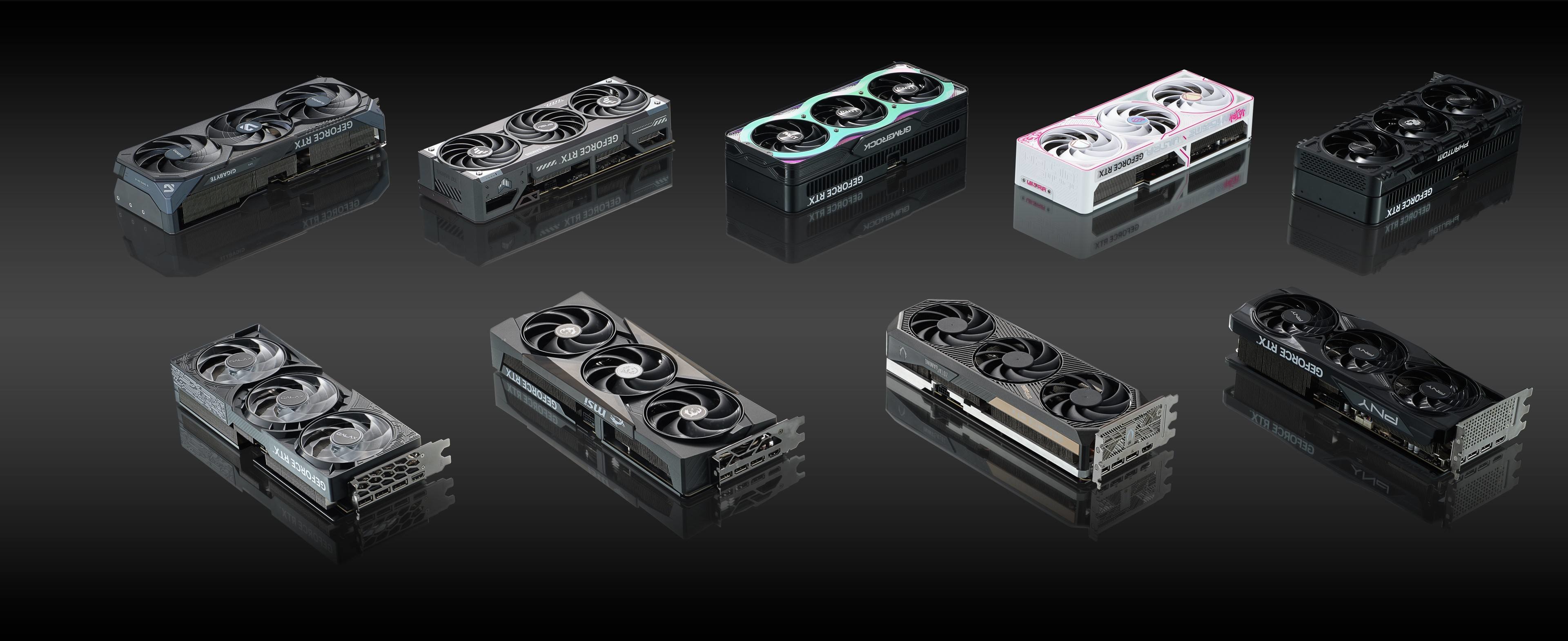
That is all for NIVIDA’s latest iteration of graphics cards which will be available later this month, so keep your eyes on B&H for more information soon. Third party board partners like ASUS, Gigabyte, and ZOTAC will have their own iterations of the RTX 50 Series cards available.
Are you excited for the new RTX 50 Series? Most importantly, are you looking to upgrade in the near future? Let us know in the comments below and we’ll do our best to answer as soon as possible!