
Are accessories essential to completing a look? As a camera store, we're not exactly fashion experts. That said, we can confidently say that certain photo accessories are essential to getting the most out of your compact cameras. In this guide, we're looking at the must-have accessories that every compact camera owner should own—from absolute necessities to the more stylish options. Let's get started.
Memory Cards
When unboxing a point-and-shoot camera, expect to find a camera, battery, wrist strap, and a charger. What's usually not included is a way to actually record the images. If there's one accessory that you absolutely, positively, must have, it's a memory card.

Most cameras today use an SD card. Not all cards are created equal and there's a surprising amount to learn about them. The basics are pretty simple though and rely heavily on the type of camera you're using—especially if it's an old, revived digicam from 15-plus years ago, for example.

Most contemporary compact cameras offer more resolution, faster shooting speeds, and 4K video recording. All of these specs require a card that can keep up with the intense speeds of the cameras themselves, but also a card that can fit all that additional data. For that reason, we want a fast card with at least 32GB of space. That said, more is usually better, especially if you're planning on shooting video.
Lastly, it's important to remember that SD cards are a short-term storage solution. It's important that you move those files to a more permanent solution when you get back from your trip or shoot. We've covered storage for creators in 2026 before, so be sure to check that guide out for more information.

Camera Strap
Many photographers feel the need to swap out the stock camera strap as soon as humanly possible, and for good reason. These straps tend to feature big, bold branding, which can be counterproductive when trying to be discreet while traveling. Additionally, these straps aren't usually the most stylish nor best feeling when it comes to touch.
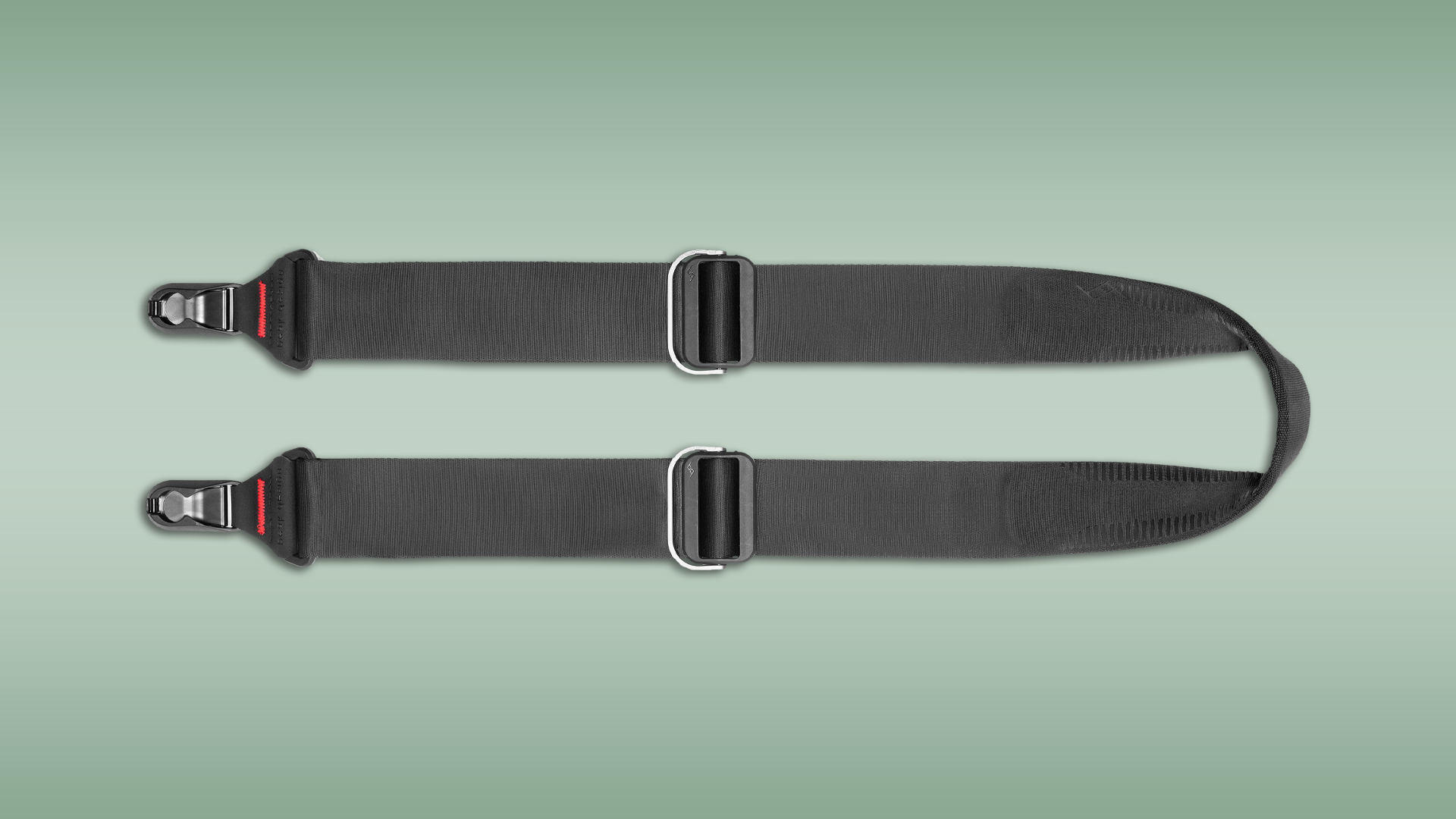
When looking for a new strap, you might also consider how you'd like to carry it on your person. For example, many point-and-shoot cameras come with just a wrist strap, but you might find that you shoot more, or more comfortably, when you use a neck or crossbody strap, or vice versa. Sometimes you may need an adapter like a D-ring or a strap with small attachment lugs like those from Peak Design.

This is an area where we can express ourselves a bit more, though don't discount comfort for style. Remember that you may be hauling your camera around for hours at a time, so look for padding or at least a softer material when shopping for a new strap.
Extra Battery
Imagine, if you will, a photo shoot. You're on the Greek Island of Mykonos with the family and the light is just perfect. You shuffle everyone together in front of the scenic Mediterranean background and go to snap a few photos. Your camera's lens retracts and the screen goes black. You toggle the power switch once or twice to no avail. Uh oh, your battery is dead! If only there was something you could do to ensure that you had ample power for your entire day.
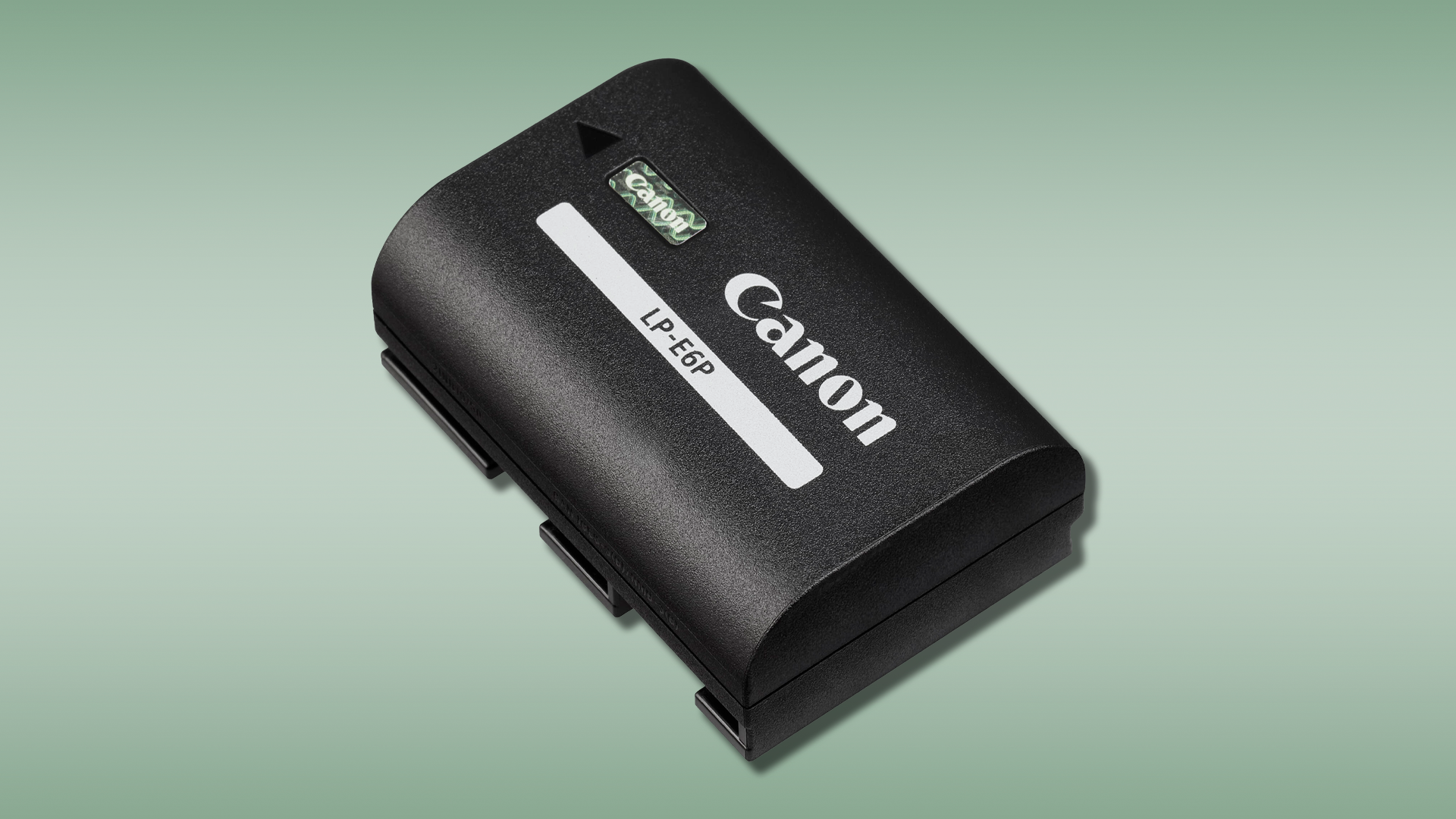
Enter the spare battery. Simply swap out the exhausted battery for a fresh and get back to the shot. Whenever heading anywhere away from home with a camera, a spare battery or two can save you in a pinch. Consider how long you'll be out with the camera and always anticipate using it more than you intend. It's always better to have an extra battery that you might not use rather than not have one at all.
Battery Charger
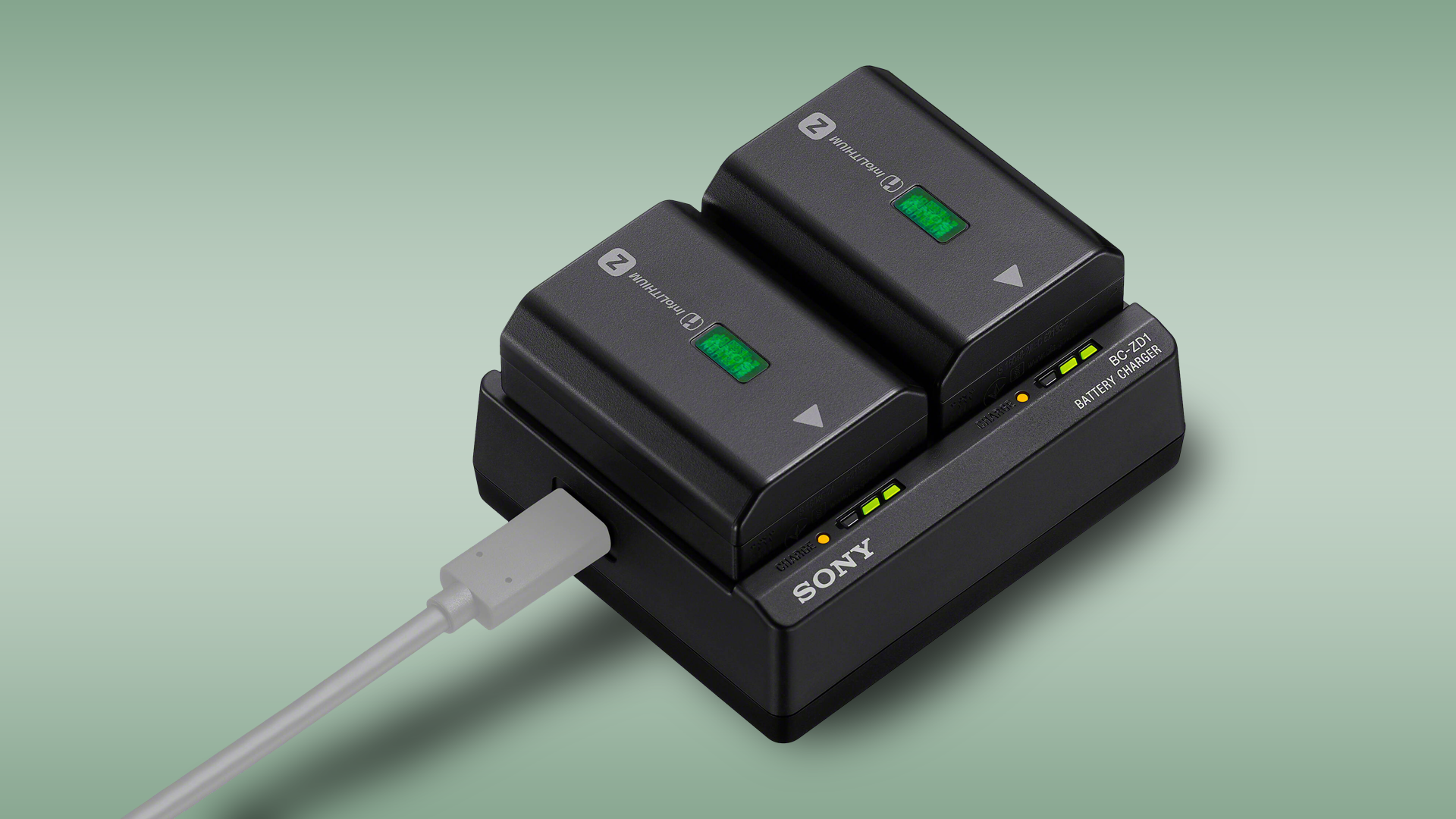
Now, what good is a second battery if we need to charge it in camera? Wouldn't it be better if we could charge a battery while still using the camera? We thought so, and thus, we recommend getting a dedicated battery charger for your camera. Some manufacturers still do provide this accessory, but with the advent of in-camera charging, it's often excluded from the box, earning it a brief albeit well-earned place on this list.
Case
Getting our camera from point A to point B can seem simple, but doing so safely is another matter altogether. Most small point-and-shoot cameras are perfectly fine thrown over your shoulder for a few hours, but if you're traveling or planning on tossing it into a bag, consider a small, padded case.

This has the added benefit of keeping other hard or pointy objects from poking the front lens shutter, which is typically the most sensitive external component of a point-and-shoot camera. One small dent, and the lens mechanism may be unable to open! A case will keep your camera safe when it's not in use and may even have small pockets or pouches for those spare batteries or memory cards you've brought along.
Screen Protectors
Keeping with the theme of preventing disasters, we have another protective accessory. We're talking to the moms and dads out there now, or at least those who accept their clumsiness. Ask yourself when the last time you or your child's phone screen needed to be repaired or replaced. If you've done so, or even had to think about it, it's probably a wise choice to get a camera screen protector.
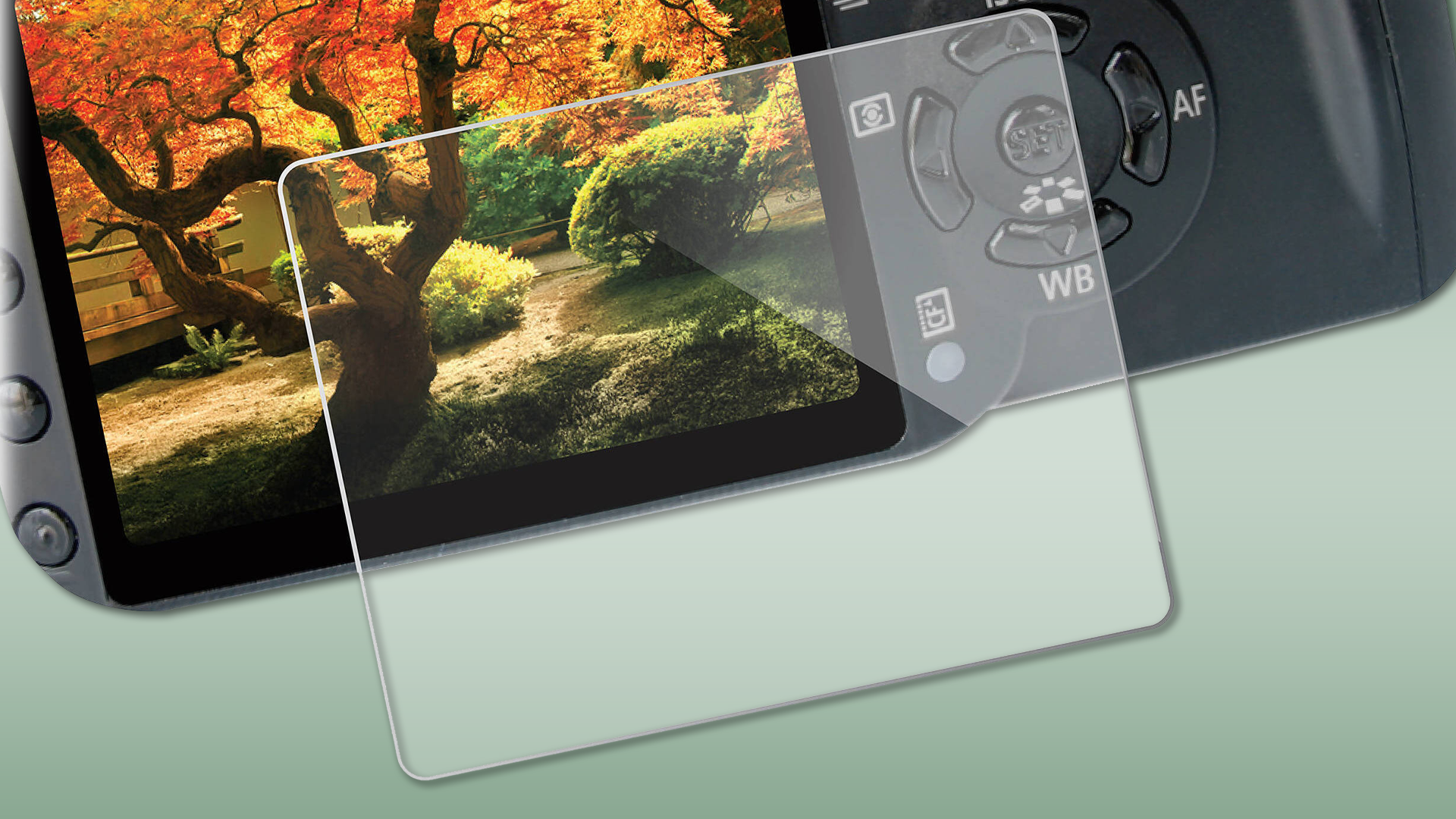
These are much like the screen protectors we use on our phones. They're thin, low-profile, and are barely noticeable when installed. Touchscreen functionality is unaffected, and most importantly, they prevent scratches and cracks. In the event of a drop, simply peel it off and replace it with a new one.
Tripod
If video or self-portraits are on your shot list, you're going to need a sturdy base. This will allow you to shoot clips whenever and wherever you go, plus it opens up the opportunity to capture creative scenic and landscape shots. There's no better tool for this job than a compact travel tripod.
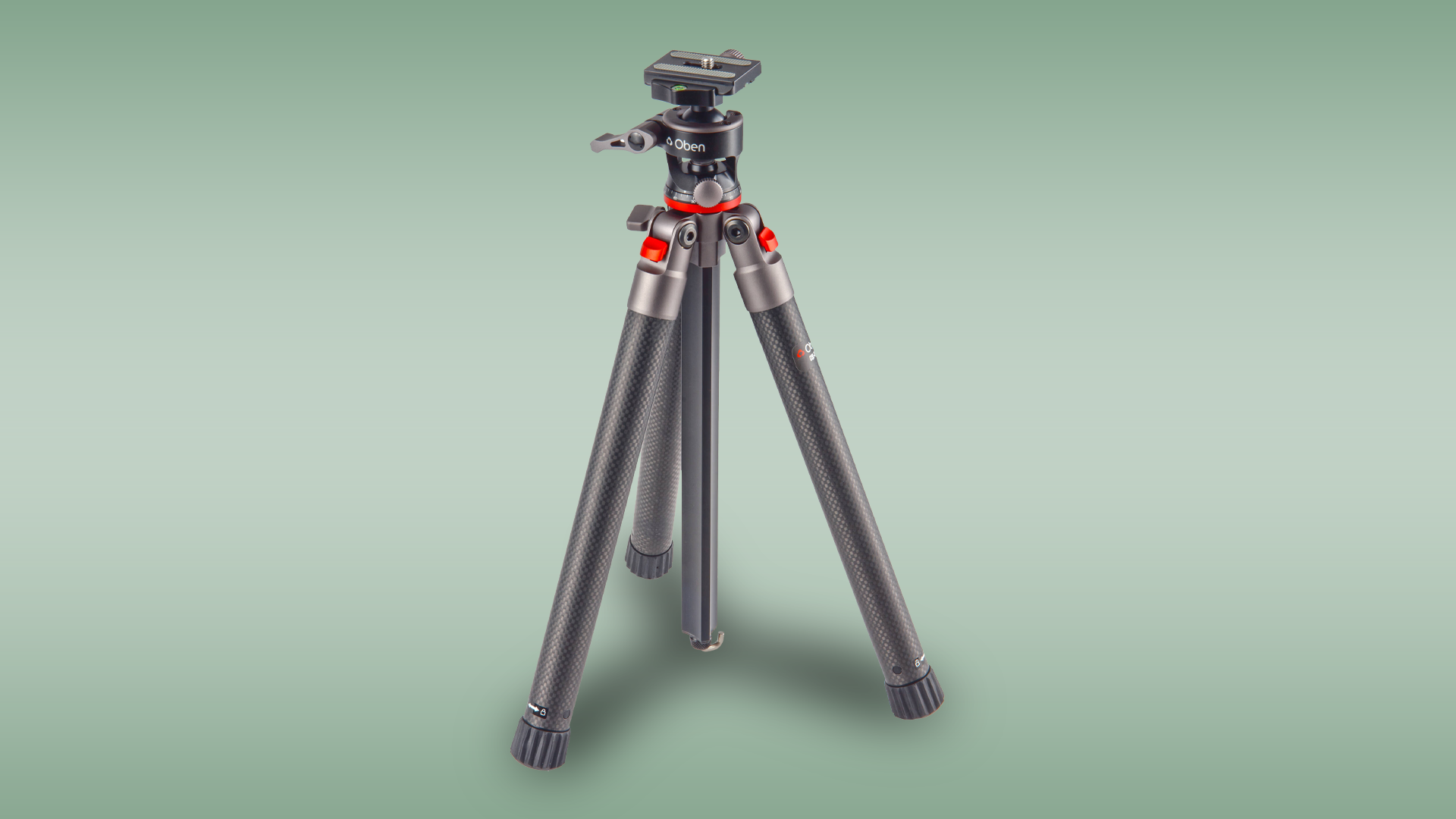
Travel tripods are different from typical full-sized models because they're designed to be smaller, lighter, and can even fold up smaller for travel. They may not offer the same rigidity and load capacity as their full-sized counterpart, but when mounting a small compact camera atop them, we don't need much in those departments.
Remote/App
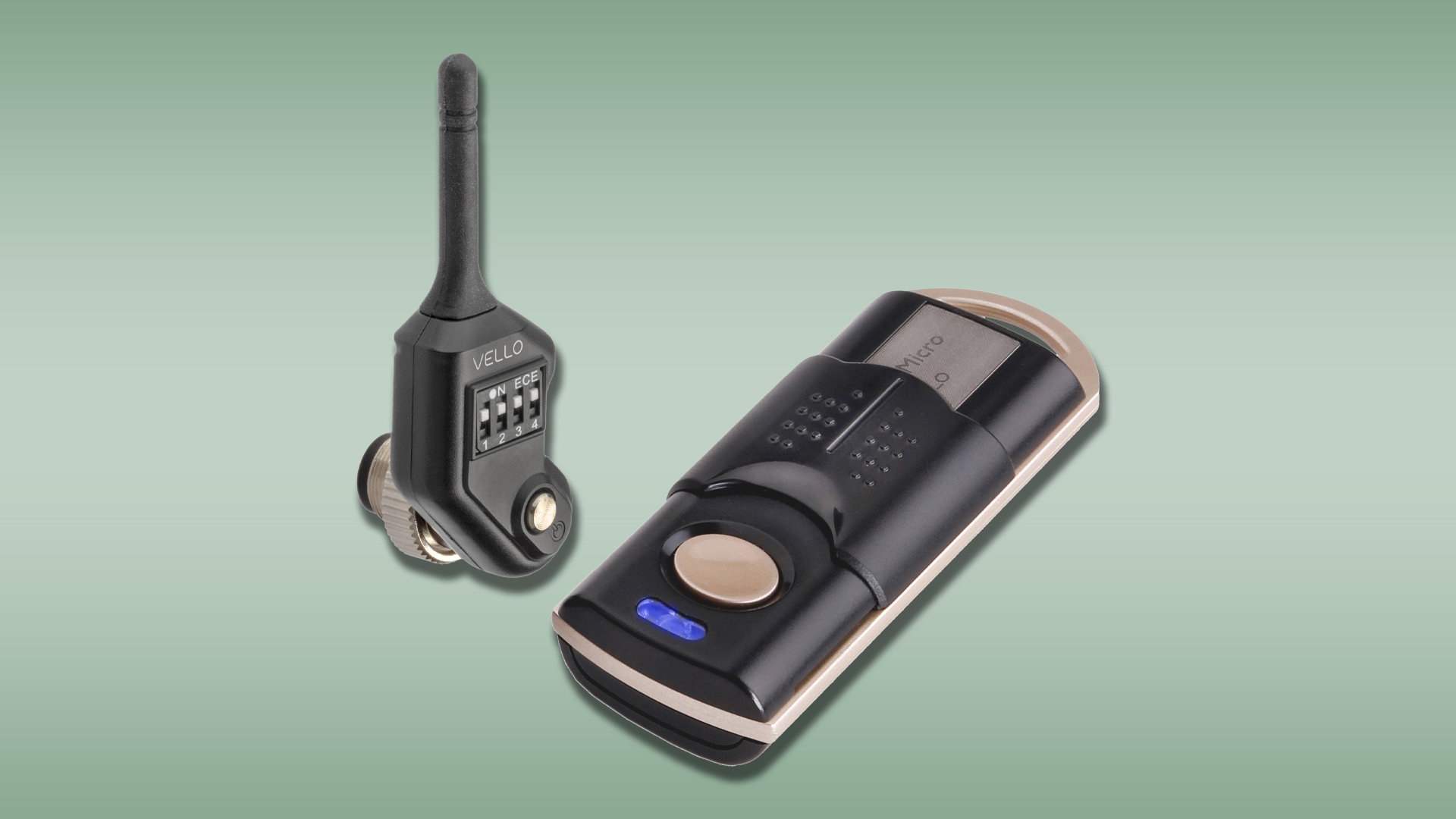
If we're going to be triggering our camera from afar, we need a way to do so. Luckily, most manufacturers offer apps for your smart devices. These often allow users to not only seamlessly transfer their photos between devices but also serve as remote triggers. Some apps even let you see the image before you take it!
These apps are better but are far from perfect. A solid alternative to smartphone app is a dedicated wireless remote trigger. Which is right for you? Try the app out first, since you can usually do so for free. If it suits your needs, great! If not, consider the additional remote. It may also preserve your phone's battery life when traveling versus an app.
Get What You Need
Aside from a memory card and maybe an additional battery, the rest of these accessories only serve a purpose if you really need them. If you're headed on an international trip to make social media content, a tripod, extra battery, and extra memory are a must as you'll have way more content recorded than you'd imagine. On the other hand, a regular old family vacation may not need a tripod, depending on where you're headed.
Consider what you'll be doing, and make an informed decision based on your intended use. To learn more about photography, from the basics to more niche topics, and how to get the best out of your point and shoot cameras, check out our other guides and articles on the B&H Explora page!
