
Have the sparkling new images from the James Webb Space Telescope made you, or someone you know, want to explore the cosmos from your backyard? If the answer is “Yes!”, then you have come to the right place because B&H Photo is your one-stop shop for some great, out-of-this-world gifts and gear. Here is a quick guide to just some of the binoculars, telescopes, and other astronomical gear we have for your off-world adventures.
Binoculars
By far, the easiest tool to improve your stargazing is a good pair of binoculars. For viewing the night skies, no optical device is as easy to use, as portable, or as immersive as a pair of binoculars.
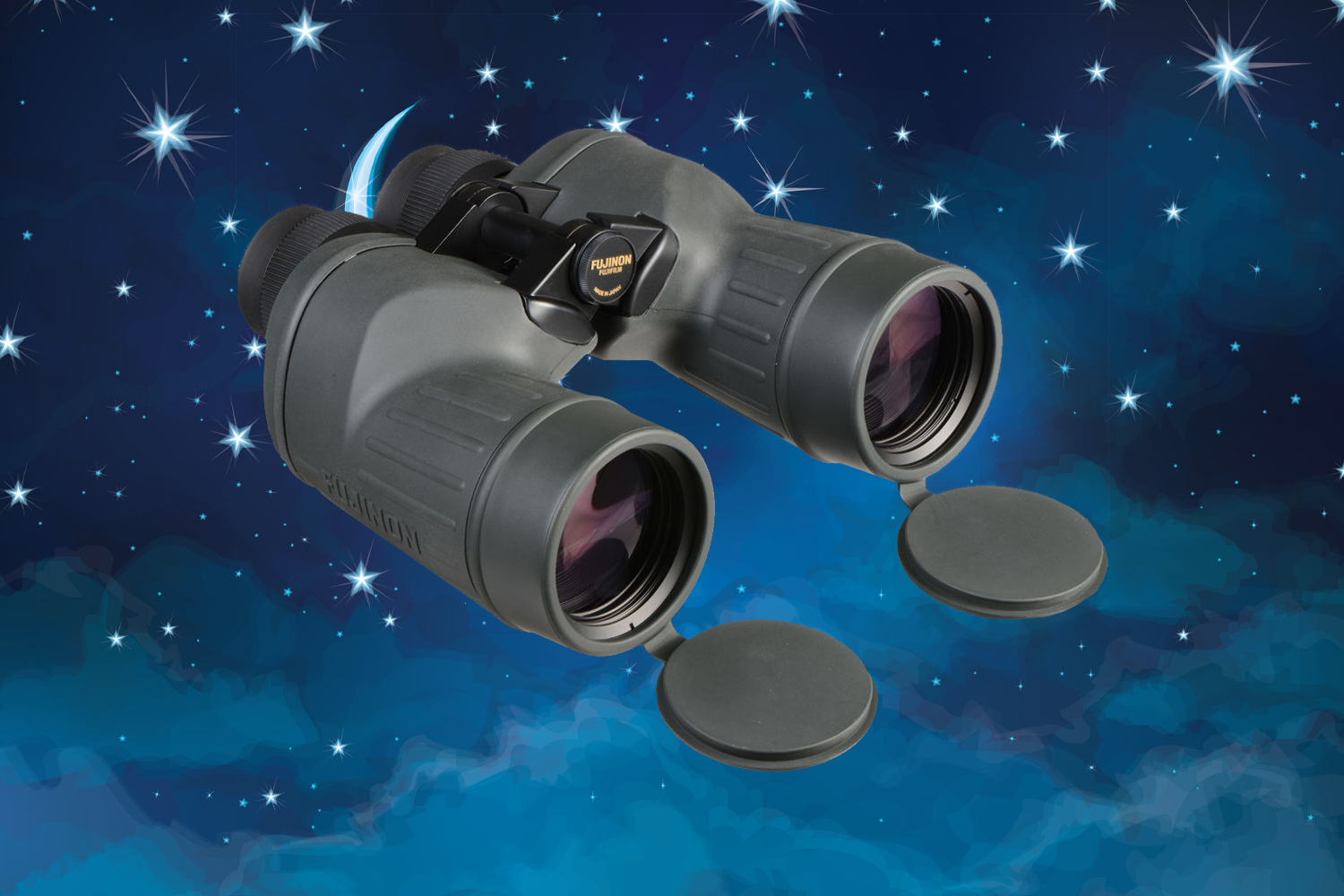
We sell several binoculars that are tagged specifically for astronomy–such as, for example, the Fujinon 10x50 FMTR-SX Polaris Binoculars. The image-stabilized Canon 15x50 IS All-Weather Image Stabilized Binoculars are another favorite of the serious stargazing crowd. The Oberwerk 20x80 Deluxe III Binoculars offer powerful magnification and, like the Fujinon and Canon models, have Porro prisms for a more "3-D" depth of field. (You’ll need a tripod for these.)
Spotting Scopes
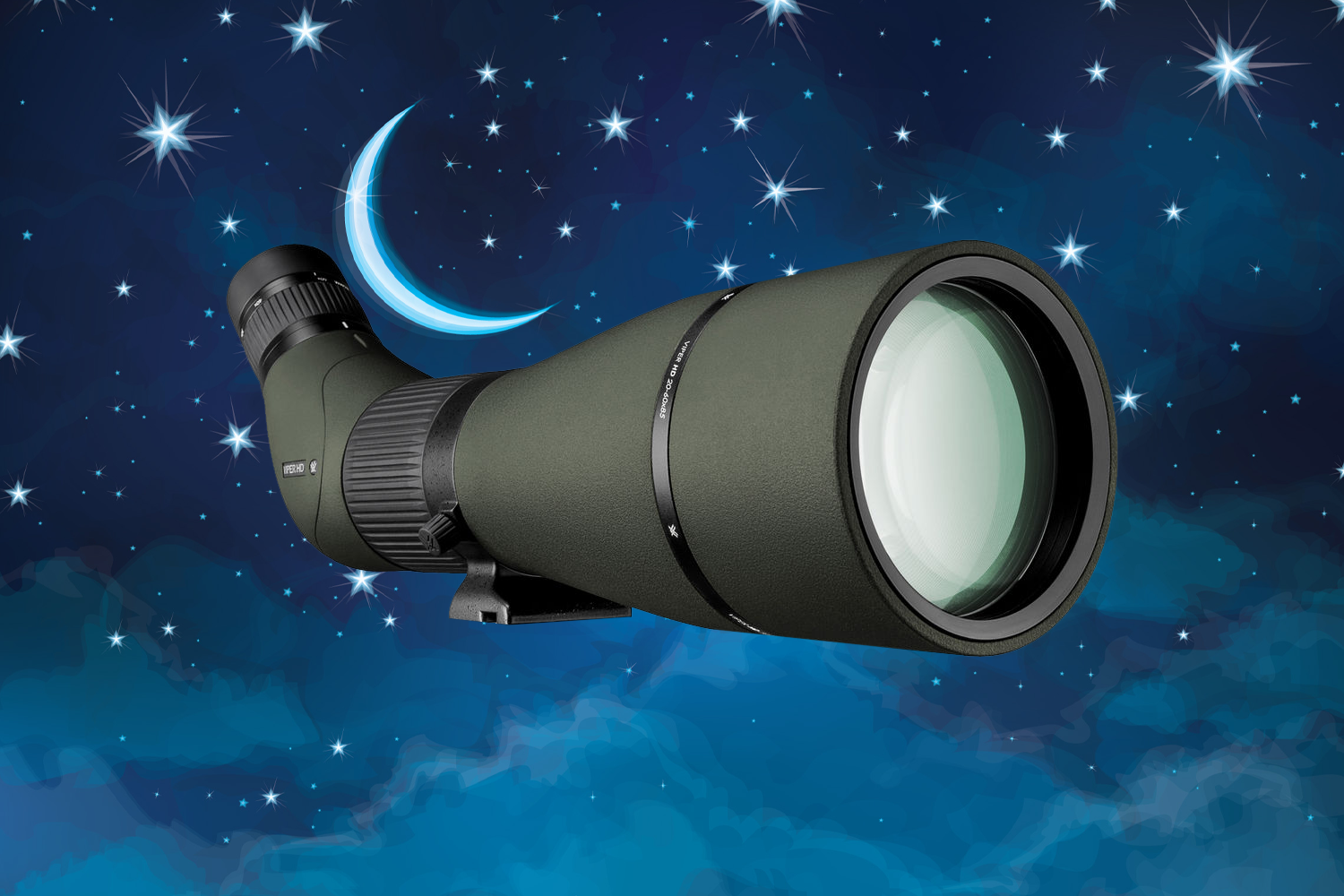
Primarily designed for terrestrial viewing, the rugged, simple to use spotting scope–like this Vortex Viper HD 20-60x85 Spotting Scope–can make a great stargazing companion, especially for beginner astronomers. While I would say that binoculars are the best option for beginners, the spotting scope is second because, if you don’t get bitten by the celestial exploration bug, you can still use the scope for daytime nature observations and more.
If you want more thoughts on the subject, see my telescope vs. spotting scope opinion piece.
If you want a deep dive into the topic, check out this three-part article series on binoculars for astronomy and stargazing.
Some spotting scopes, such as the Celestron Regal M2 100ED Spotting Scope with 22-67x Eyepiece, accept 1.25" telescope eyepieces and dedicated astronomical cameras like the ones mentioned above.

Digiscoping through spotting scopes is easier than it is through telescopes, especially with these adapters.
Telescopes
The telescope is the traditional (think early 1600s) way for people to view the night sky. B&H carries scopes of all types, sizes, and prices, from the Celestron Inspire 100AZ 100mm f/6.6 Alt-Az Refractor Telescope to the Vixen Optics AX103S f/8 Apo GoTo Refractor Telescope to the Vixen Optics AXD2-VMC260L (WT)-P GoTo Catadioptric Telescope with Pillar.
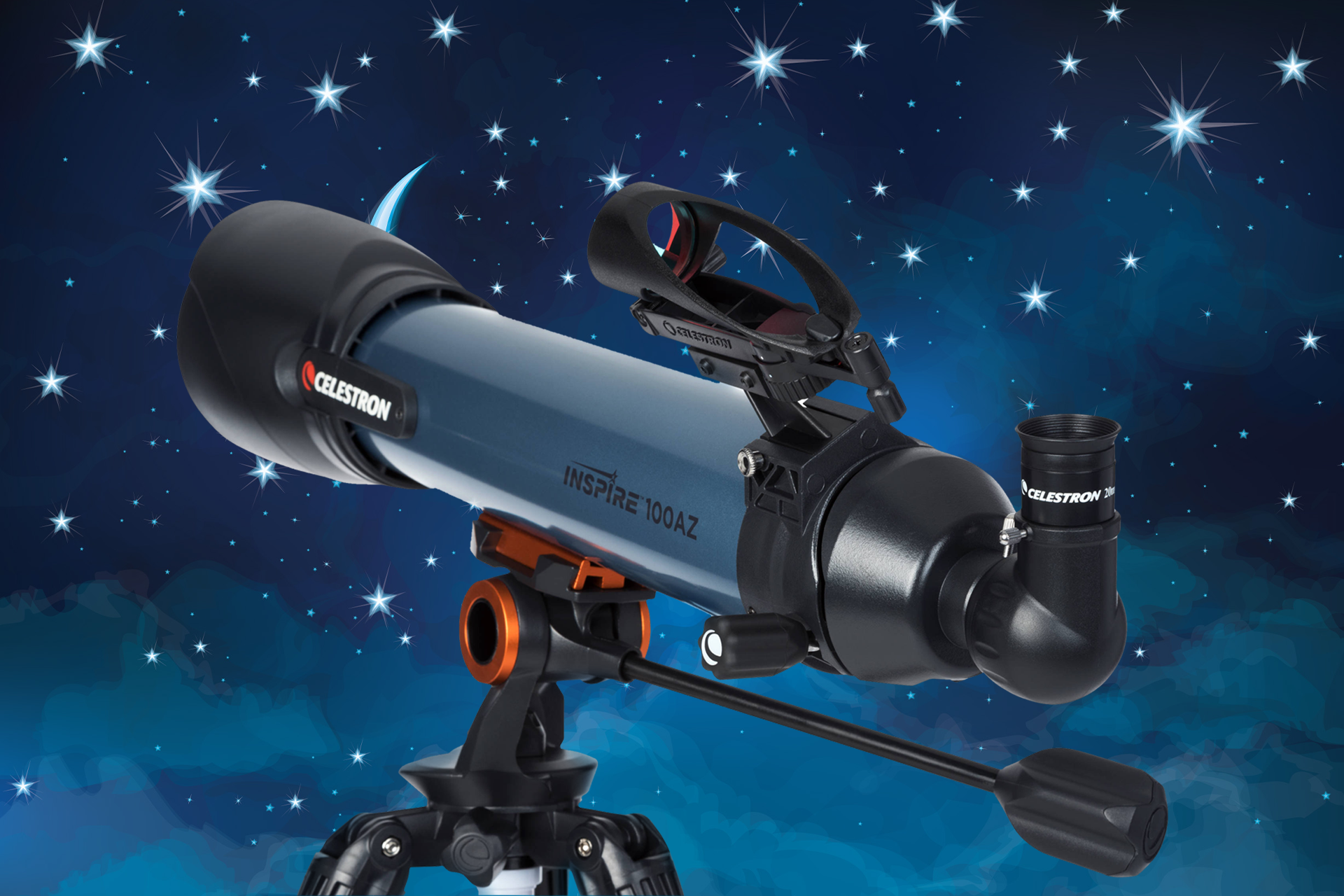
Searching for your first telescope or graduating from a beginner scope to one that is better for serious viewing can be daunting. Reflectors, refractors, catadioptric scopes, tracking mounts, computerized mounts, etc., all make for a dizzying number of options. Before you add one to your cart, I would encourage you to read our comprehensive telescope buying guide, Everything You Need to Know Before Buying a Telescope, and the What First Telescope Should I Give as a Gift? article. Then, contact our sales staff at B&H and pepper them with questions so you can narrow down the options and make a great purchasing decision.
Digital Telescopes
What do you get when you combine a telescope, GPS, star maps, high-end optics, an internal camera, a modern décor accessory, and computer-controlled star tracking? A modern digital telescope like the Unistellar eVscope 2 114mm f/4 GoTo Reflector Telescope (equipped with Nikon optics), or the Vaonis Vespera II Observation Station.
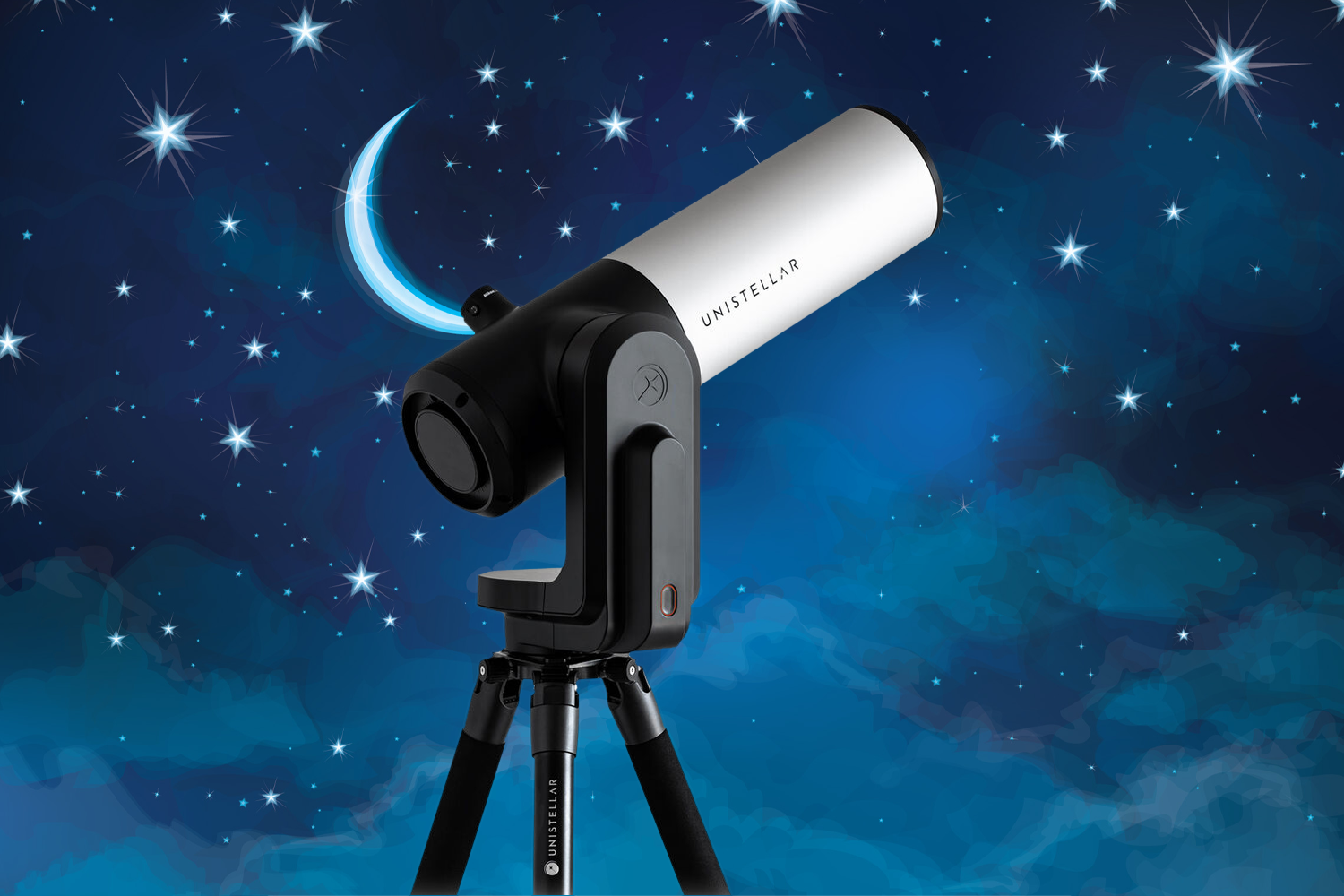
Traditional telescopes can be difficult to set up and complex to use, although computer control has helped shorten the learning curve for some scopes. Add astrophotography to the mix—either through dedicated astronomical cameras or with digiscoping through your digital camera—and the process isn’t always for the faint of heart.
The digital telescope is designed to make the entire process of photographing and sharing photos of objects in the night sky as easy as warming a microwave meal. Plus, their modern, sleek designs can make a great addition to your home or office. And if you can get them out to darker sky regions, they are also designed to be used in the field.
Daytime Stargazing—a.k.a. Solar Viewing
When we think of stargazing, we often think of dark nights laid out on a blanket in a quiet park. Well, that is how you would view distant stars. But guess what? There is a star that is much closer, in the sky every single day, and super cool to look at (with the right gear)—the Sun!
You can observe the sun safely through dedicated solar binoculars like these Celestron 12x50 EclipSmart Solar Binoculars, or you can get universal solar filters and use your own favorite pair of birding, hunting, or general use binoculars.
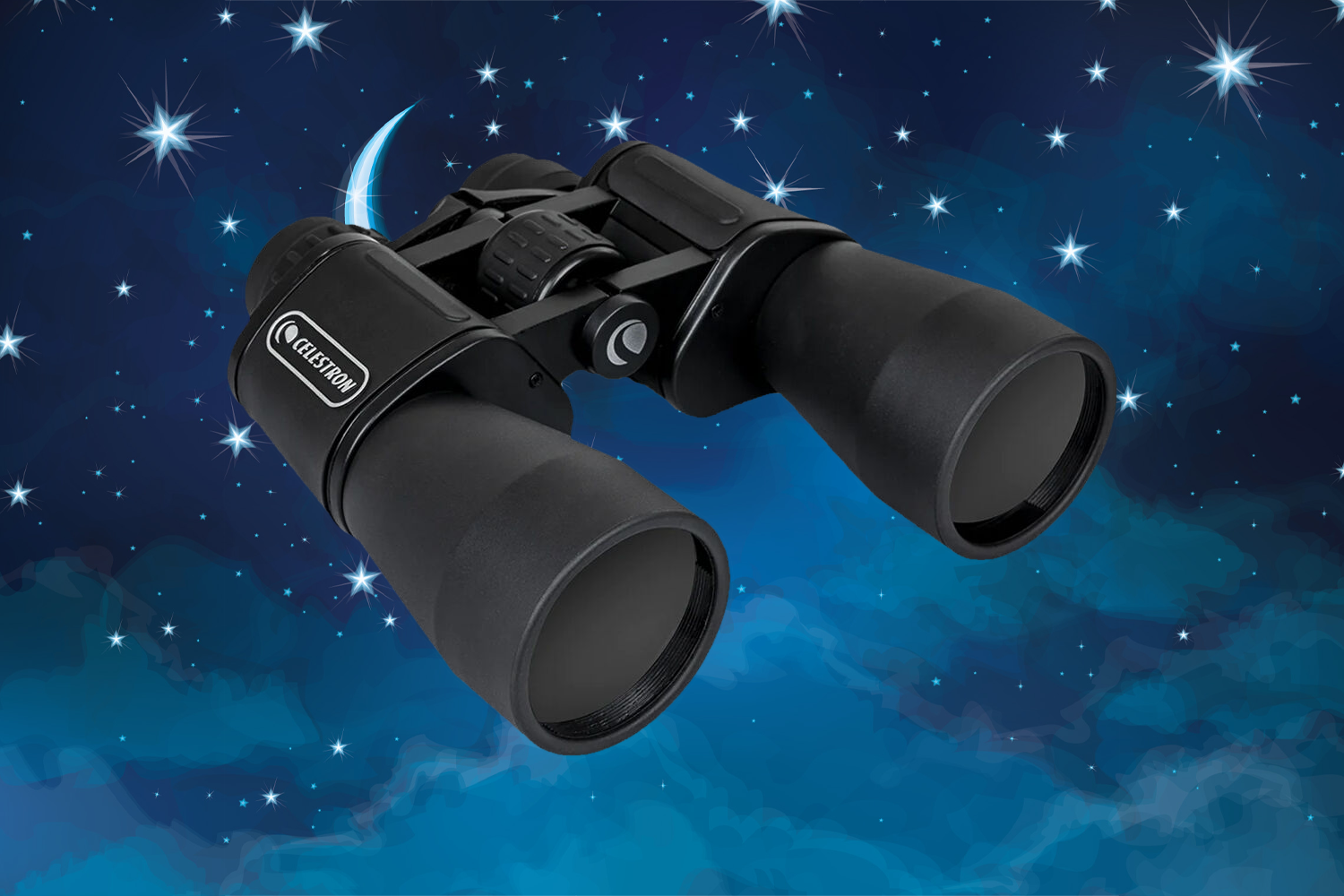
If you want to get even closer to the sun, solar telescopes can help you do that. Telescopes built just for solar viewing exist, but much more common are regular telescopes equipped with solar filters that can be used for night and day viewing, such as the Sky-Watcher Virtuoso 90mm f/13.9 Maksutov-Cassegrain Multi-Purpose telescope.
You may, of course, also add universal solar filters to spotting scopes.
Astrophotography Gear
Modern digital cameras are extremely adept at capturing stunning views of outer space when used in conjunction with a telescope, but there are many dedicated astrophotography cameras that are engineered for optimal performance when capturing the heavens. The Celestron NexImage 10 Solar System Color Eyepiece Imager, which captures images through any scope that accepts a 1.25" eyepiece, is one such camera.
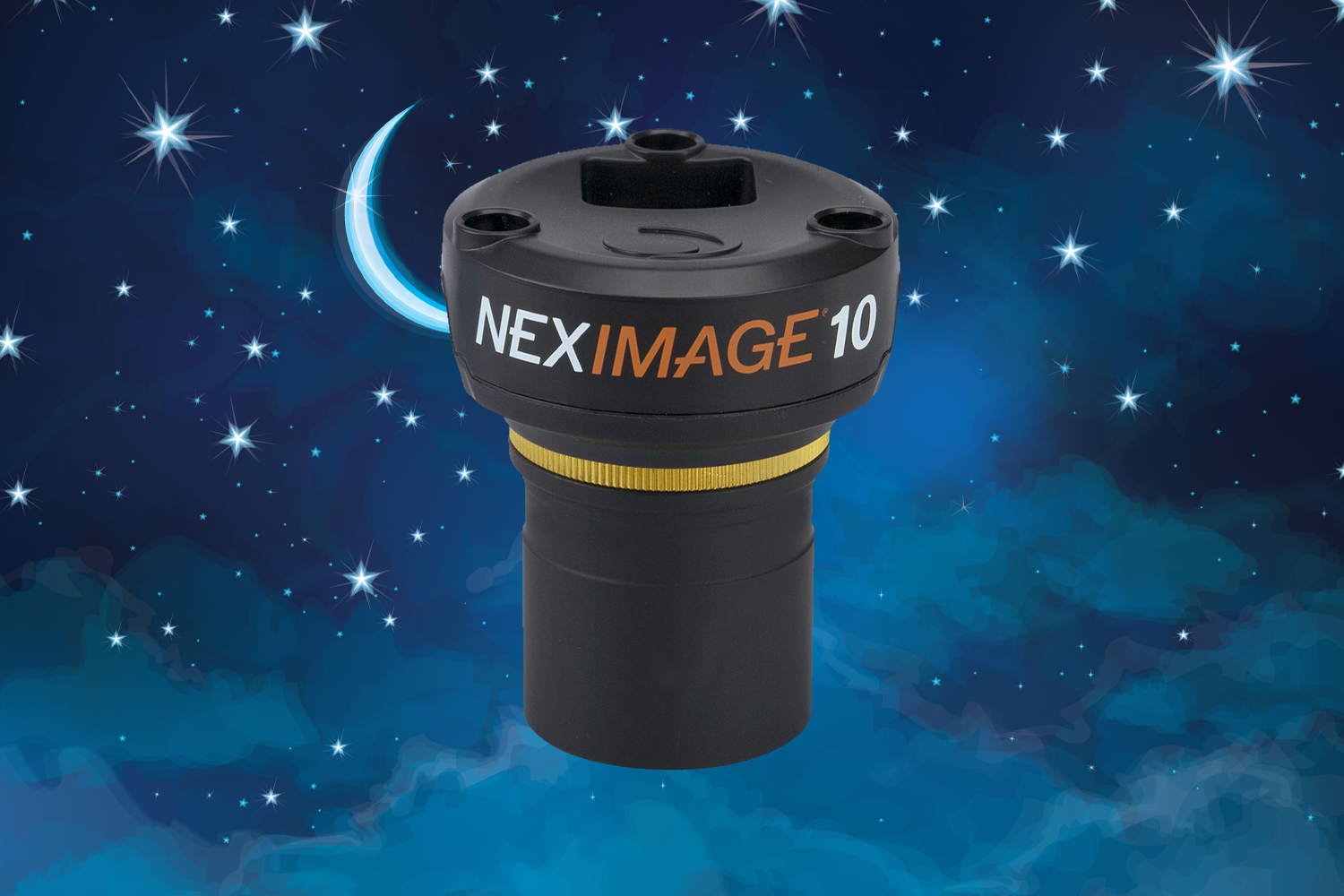
Once you know how complex and involved astro-imaging can get, you won’t be surprised to learn that there are many accessories that make the job easier, from specialized filters designed to bring out details in certain deep sky objects, to relatively inexpensive focusing masks that you can use on telescopes and telephoto lenses.
If you don’t want to invest in a dedicated astro-imaging camera, you can try your hand at digiscoping through your scope using a smartphone or traditional camera with T-mount adapters.
Tracking Mounts
If you have a good lens or scope and camera and want to level up your astrophotography game, the best way to do that is with a star-tracking mount for your gear. Tracking mounts like the Sky-Watcher Star Adventurer 2i Pro and the iOptron SkyGuider Pro EQ Camera Mount are aligned with Polaris and have 11-pound payload capacities—plenty for a decently sized telephoto lens, telescope, and/or spotting scope, plus a camera and digiscoping adapter. The Vixen Optics Polarie Star Tracker is similar, although it has a slightly smaller payload capacity—but it’s smaller and more portable.
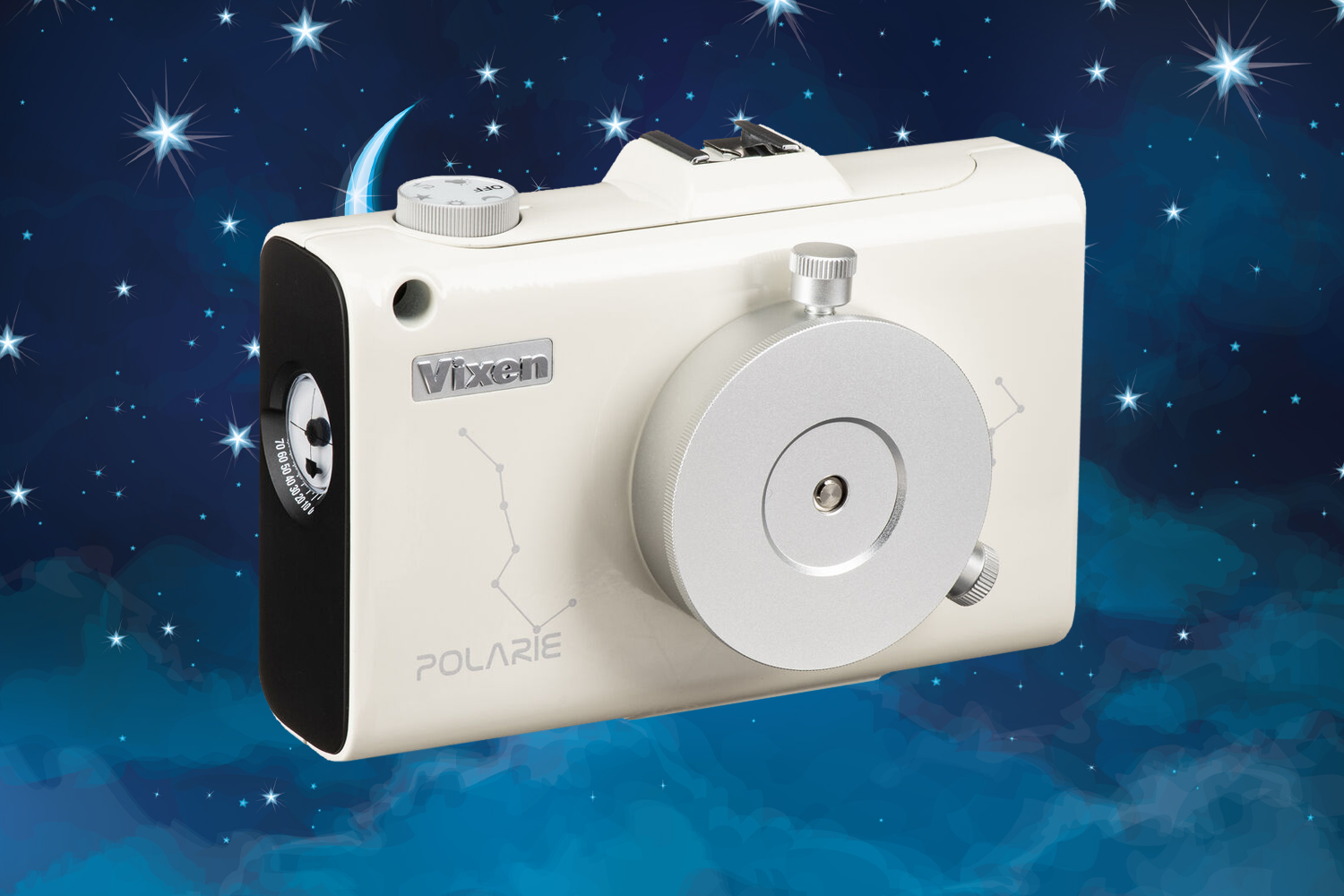
How do these mounts improve your star and deep-sky-object photos? Tracking mounts allow you to take longer nighttime exposures because the mounts rotate at a speed equal to that of the Earth’s rotation. This allows you to get better images of the night sky with no star trail motion in your frame.
Solar Panels
Maybe you aren’t interested in staying up late to capture the wonders of the night sky but still want to take advantage of starlight. Well, you can use starlight to power your energy-hungry devices with a portable solar panel. For example, the GOAL ZERO Nomad 20 Solar Panel is weather resistant and designed for hiking, boating, or even urban exploration so you can keep your devices charged when you're on the go, with no need for a power outlet.
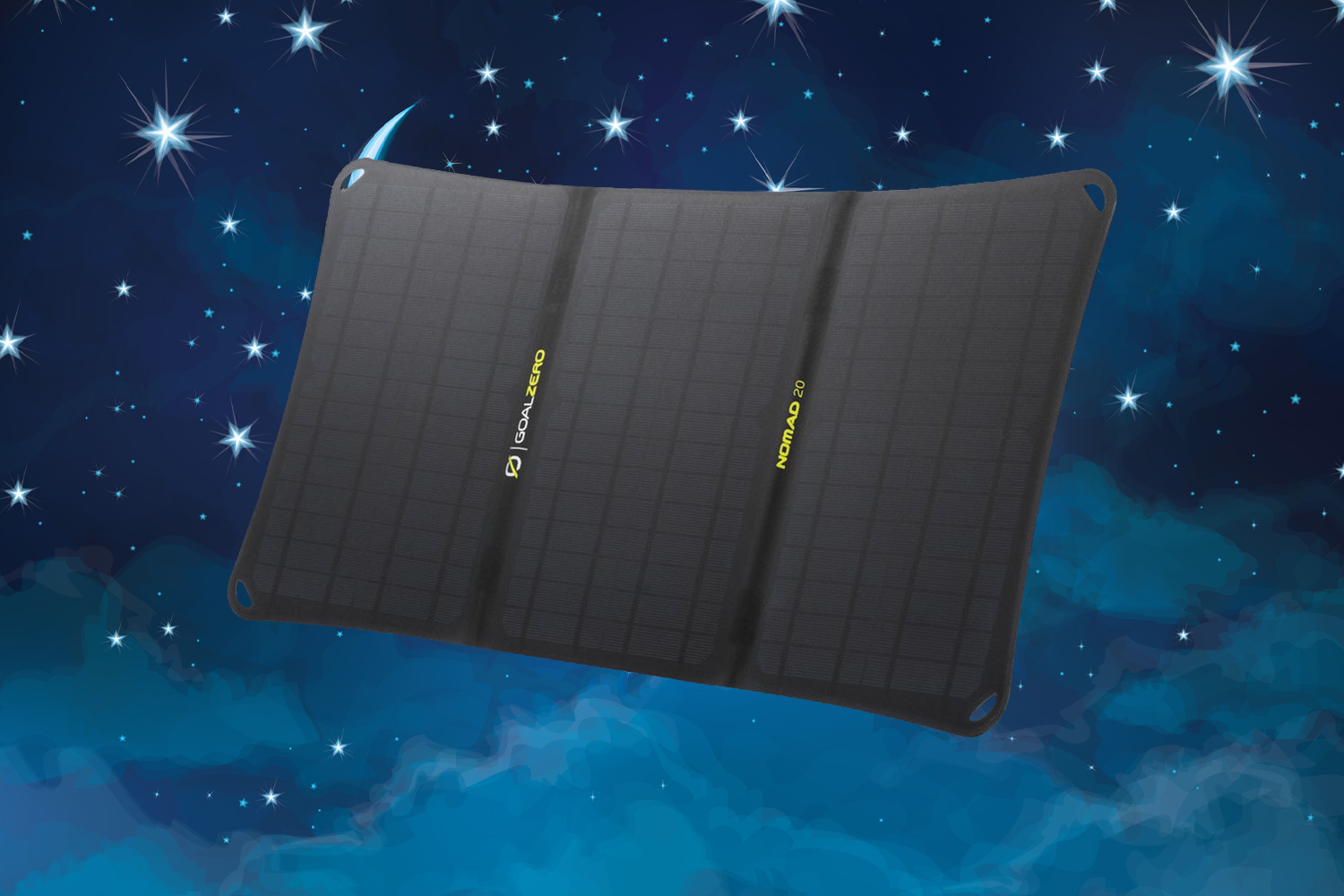
In the same product category, B&H also sells solar power kits, portable power stations, battery packs, and portable fridges and coolers that are solar powered.
GPS Nav
Global positioning is one of the best things to come out of space since the aurora borealis and, while most of us are rocking smartphones with GPS and maps, there are advantages to navigating with a dedicated GPS navigation system. Garmin makes units designed specifically for cars, RVs, motorcycles, and trucks, with features customized for those specific genres of driving like the Garmin zumo XT2 MT-S Motorcycle Navigator or the Garmin dēzlCam OTR810 GPS Truck Navigator.
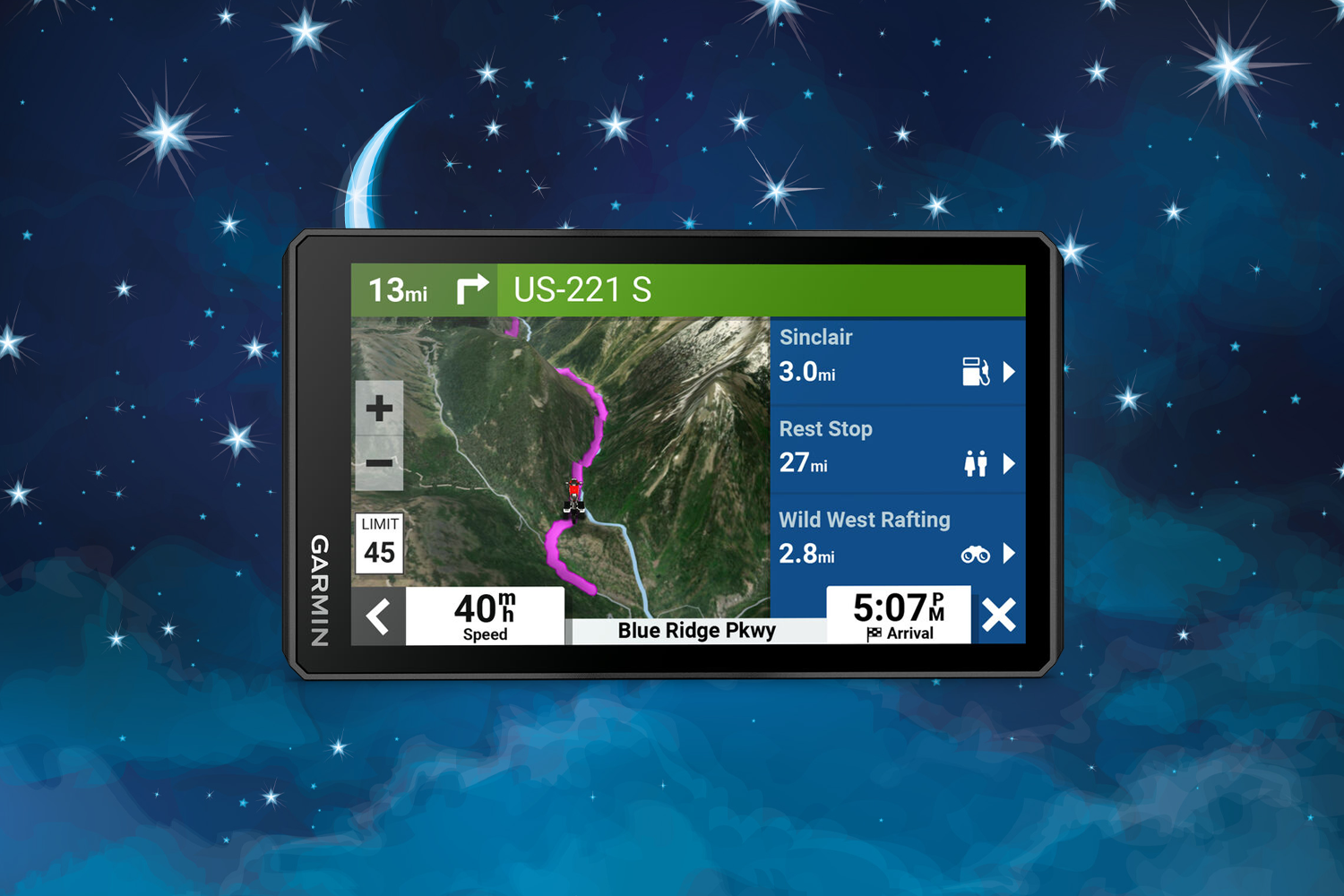
For additional features that you won’t find on your smartphone, several of the Garmin models interface seamlessly with the brand’s dash cameras and back-up cameras.
Hand Heaters
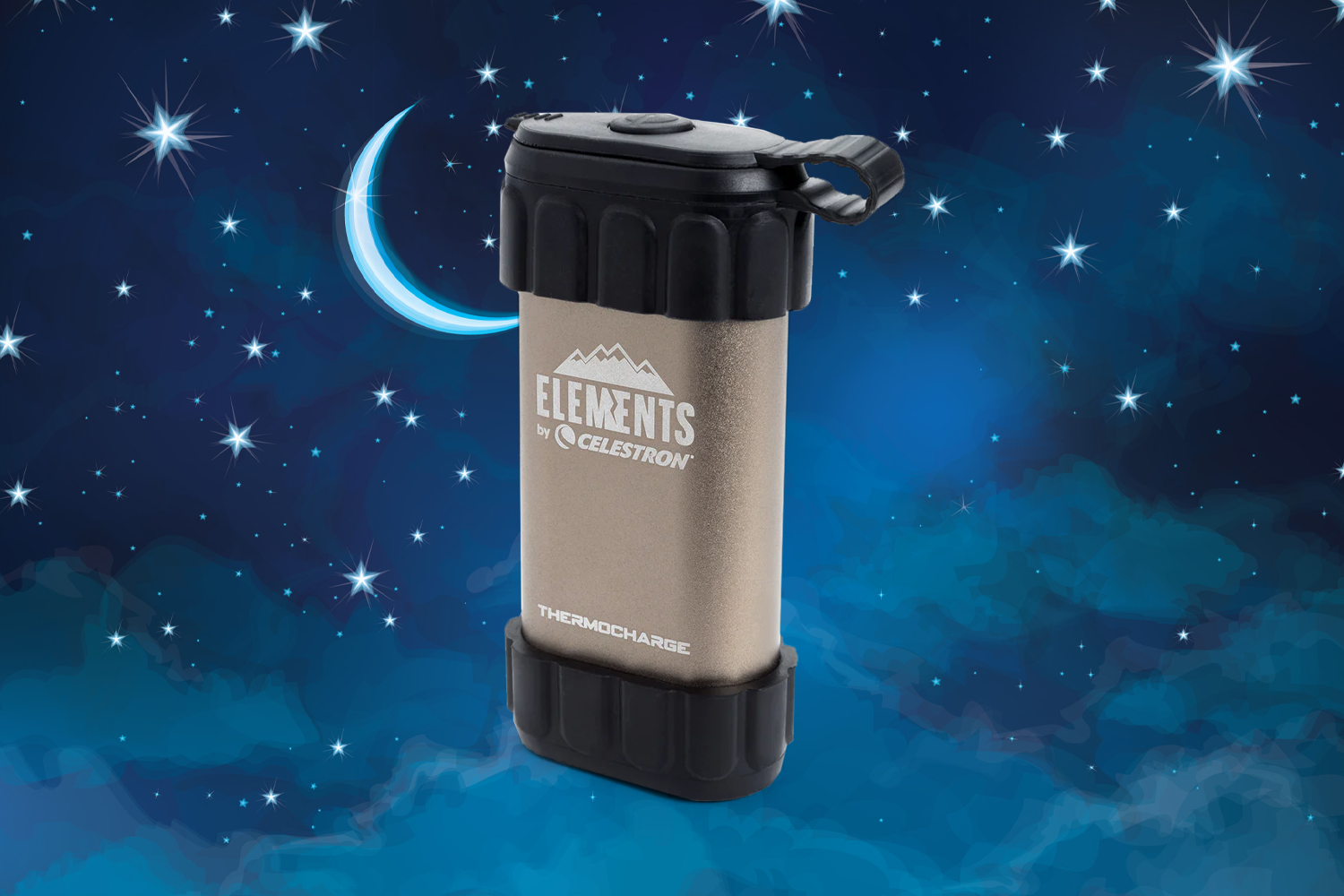
Those of us who have captured astrophotography during the winter months know that your hands can get as icy as Pluto on a crystal-clear night. A game-changer for me has been adding an electric outdoor hand warmer (actually two!) to my astro kit. The Celestron Elements ThermoCharge Power Pack can be used to keep your smartphone charged, or to keep your hands toasty warm while your camera and scope do their thing.
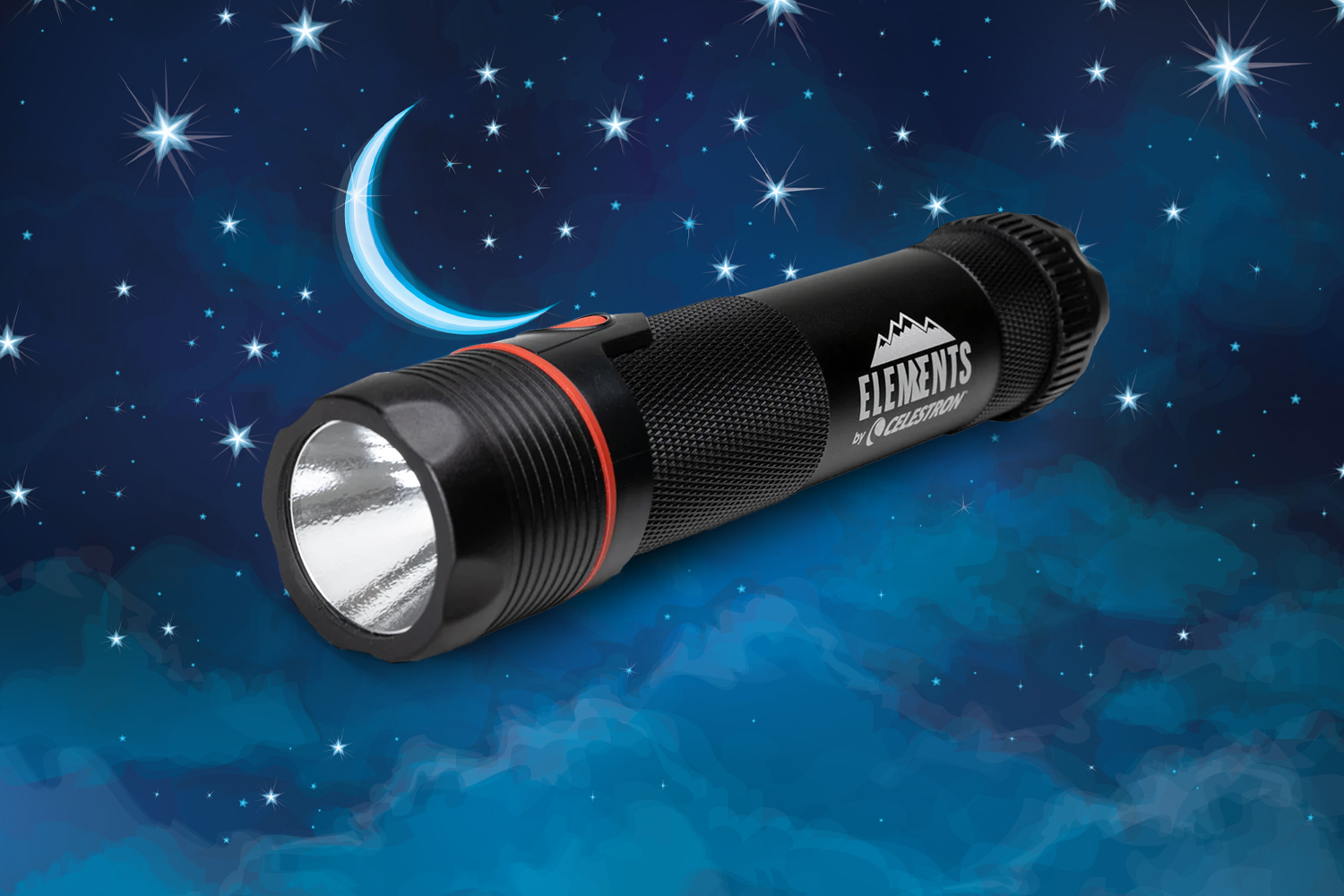
If you want to combine a hand warmer and a night-vision-friendly red flashlight, Celestron has you covered with the Celestron Elements ThermoTorch 3 Astro Red Rechargeable LED Flashlight. Of course, we have a complete selection of non-hand-warming flashlights, headlamps, lanterns, and more, too!
Light Pollution Filters
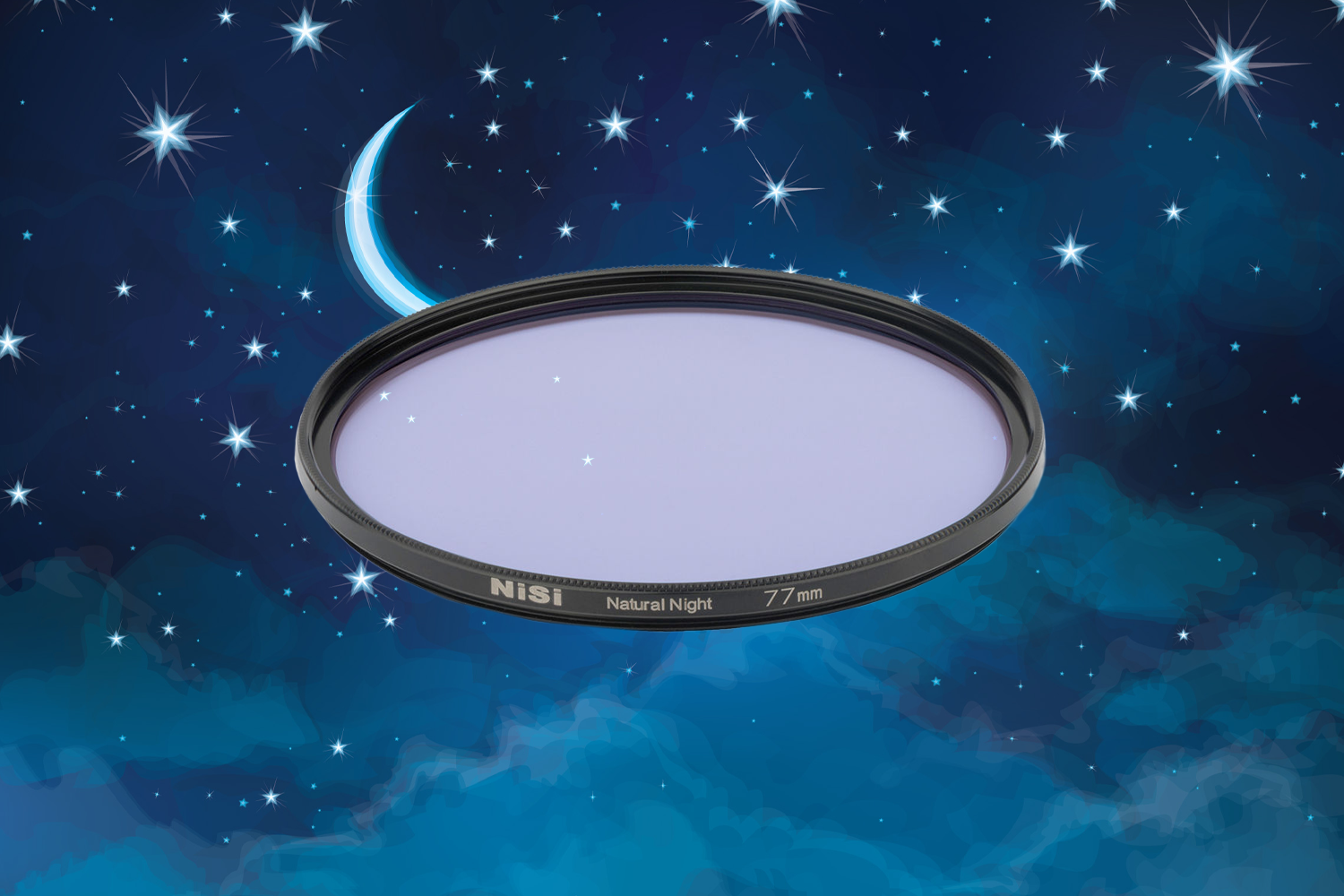
Whether you are just getting into astrophotography, if you are a seasoned pro, or if you like taking photographs of nighttime cityscapes, you can benefit from the use of a light pollution reduction filter, like the NiSi Natural Night Filter, for your camera lens or scope.
I tested nine light pollution filters in a shoot and really liked the NiSi one I just highlighted, but feel free to check out my results. Please note that there are some newer filters on the market.
Pen
For our last entry in this Out-of-This-World buying guide, I present this not-so-humble ball point pen, the Nitecore NTP21 Premium Tactical Pen. Along with quick-drying, waterproof ink for jotting notes, the titanium pen features a tungsten steel tip for emergency glass-breaking duties.
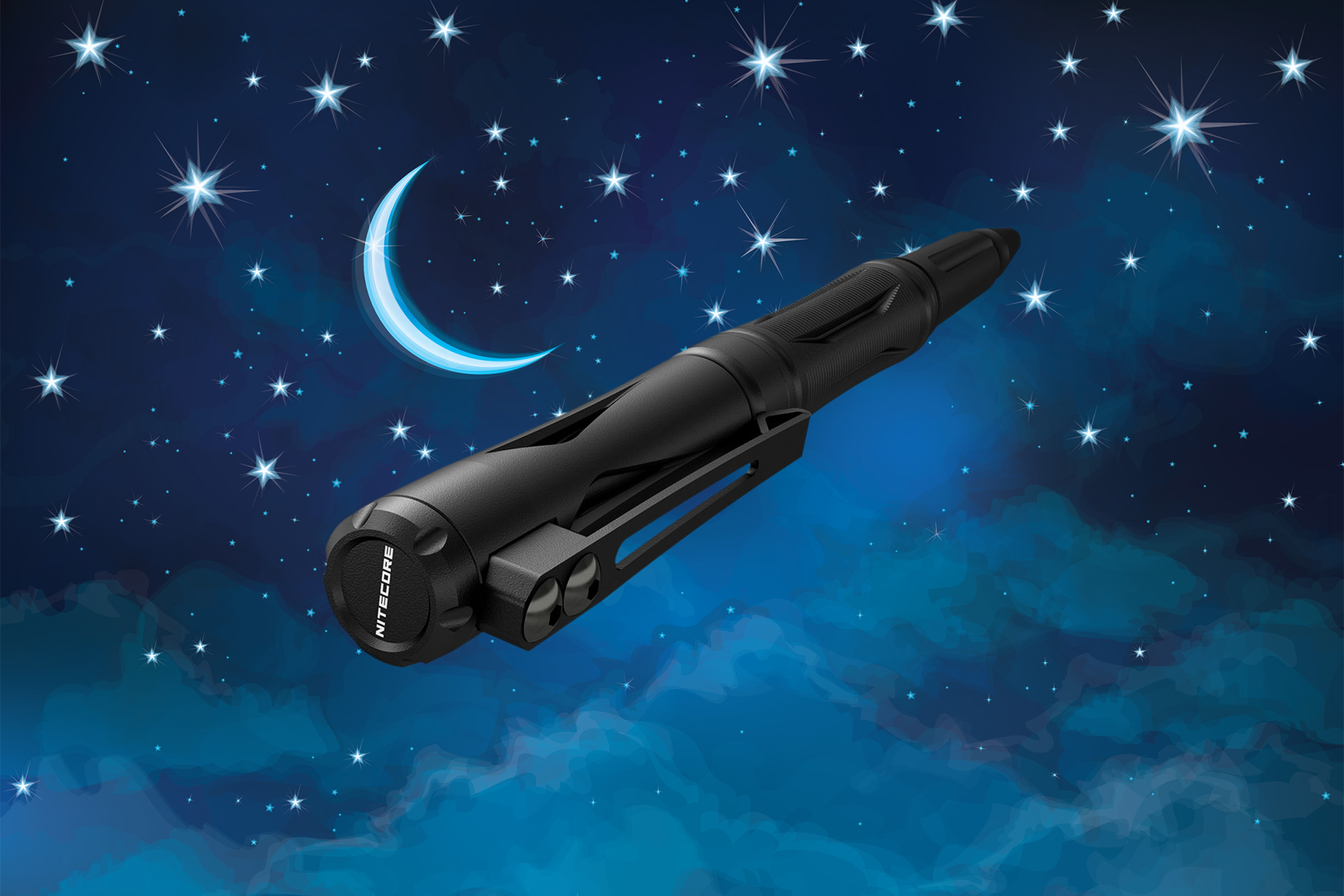
For more Earth-bound uses, the titanium pen features a tungsten steel tip for emergency glass-breaking duties.
Do you have any questions about our curated selection of out-of-this-world gifts? Are there other B&H items you think should be included in this buying guide? Let us know in the Comments section, below.
