
There’s an old adage that gear doesn’t make the picture, it’s the photographer. This is partly true. A super-telephoto prime with a fast aperture will make quick work of busy backgrounds, and the faster focusing systems of high-end full-frame cameras will more easily track a bird’s eye in some of the most challenging lighting conditions. But there’s another factor to consider. At the heart of the image is a creative eye and technical proficiency. High-end camera gear only serves a purpose once you know what you’re doing.
In this guide, we’re going to talk about the best gear for wildlife photographers—from beginner to the pro level. We’ll also discuss the additional accessories and some lesser-known items that will make your life easier and help you get the shots you want.
The Camera
A fast, sturdy, weather-resistant camera is a must in the wildlife photography world. Fast frame rates are the key to capturing action, and weather resistance keeps us going even when conditions get tough. Many wildlife photographers have two cameras, just in case something goes catastrophically wrong.
Mirrorless technology has allowed fast continuous frame rates and subject detecting AF systems to trickle down into enthusiast and even some entry level cameras, making most cameras on the market today well suited for photographing wildlife. Why you choose one camera over the other depends on your end goal. Are you printing large sized photos? Maybe you just want to post your findings online for your local birding group to enjoy. No matter what the intent, there’s a camera for you.
Crop Sensor (APS-C)
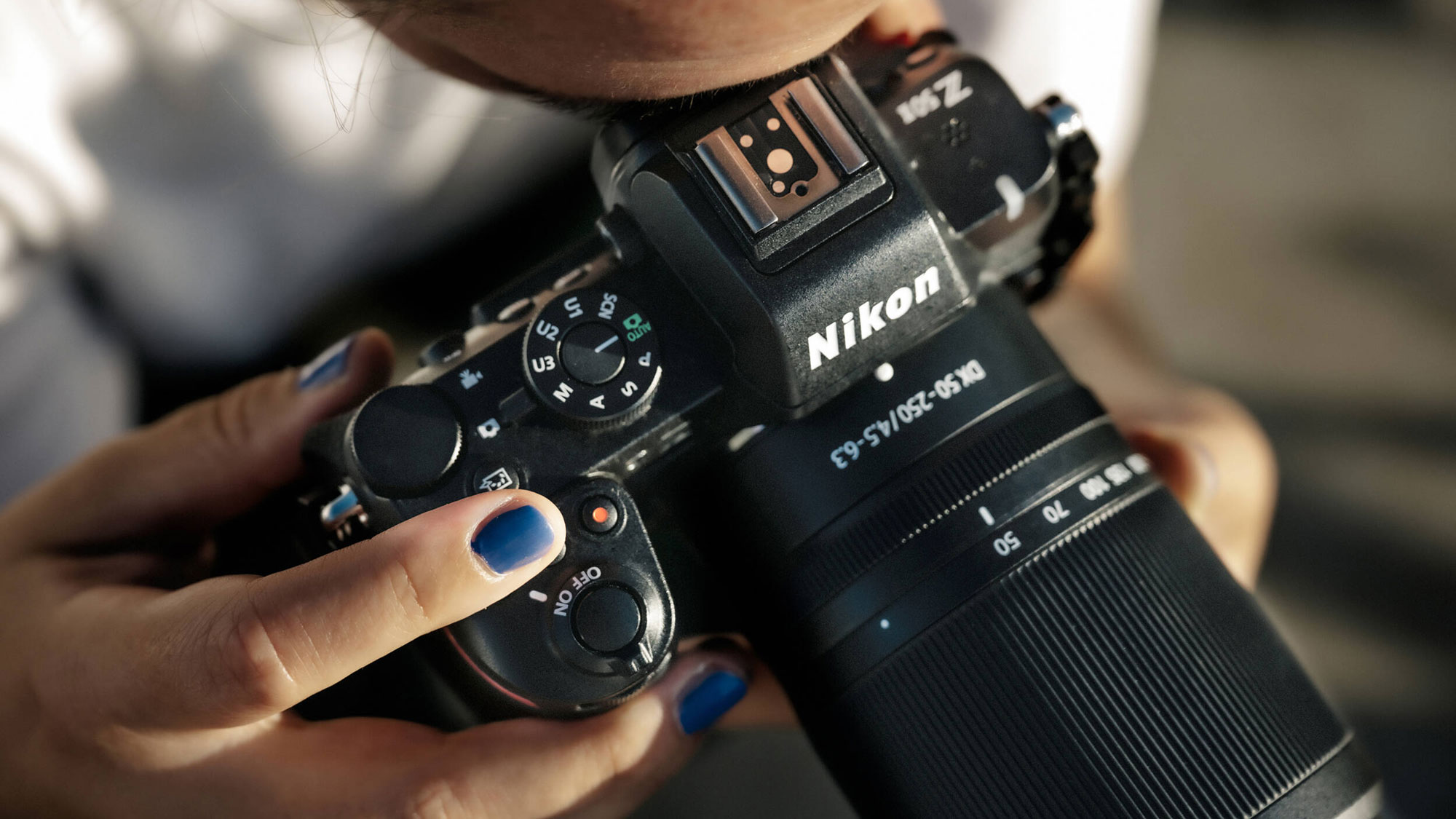
Some great examples of wildlife-ready cameras are models like the mirrorless Nikon Z50 II and the Canon EOS R10. These are an excellent starting point as they have the speed necessary to capture everything from portraits to fast action like birds in flight. For a more hefty, robust camera with increased battery life, the EOS R7 or Sony A6700 mirrorless cameras are the way to go. Both feature the larger, higher capacity batteries found in their full-frame counter parts and opt for a more solid chassis for increased weather resistance.
Full Frame
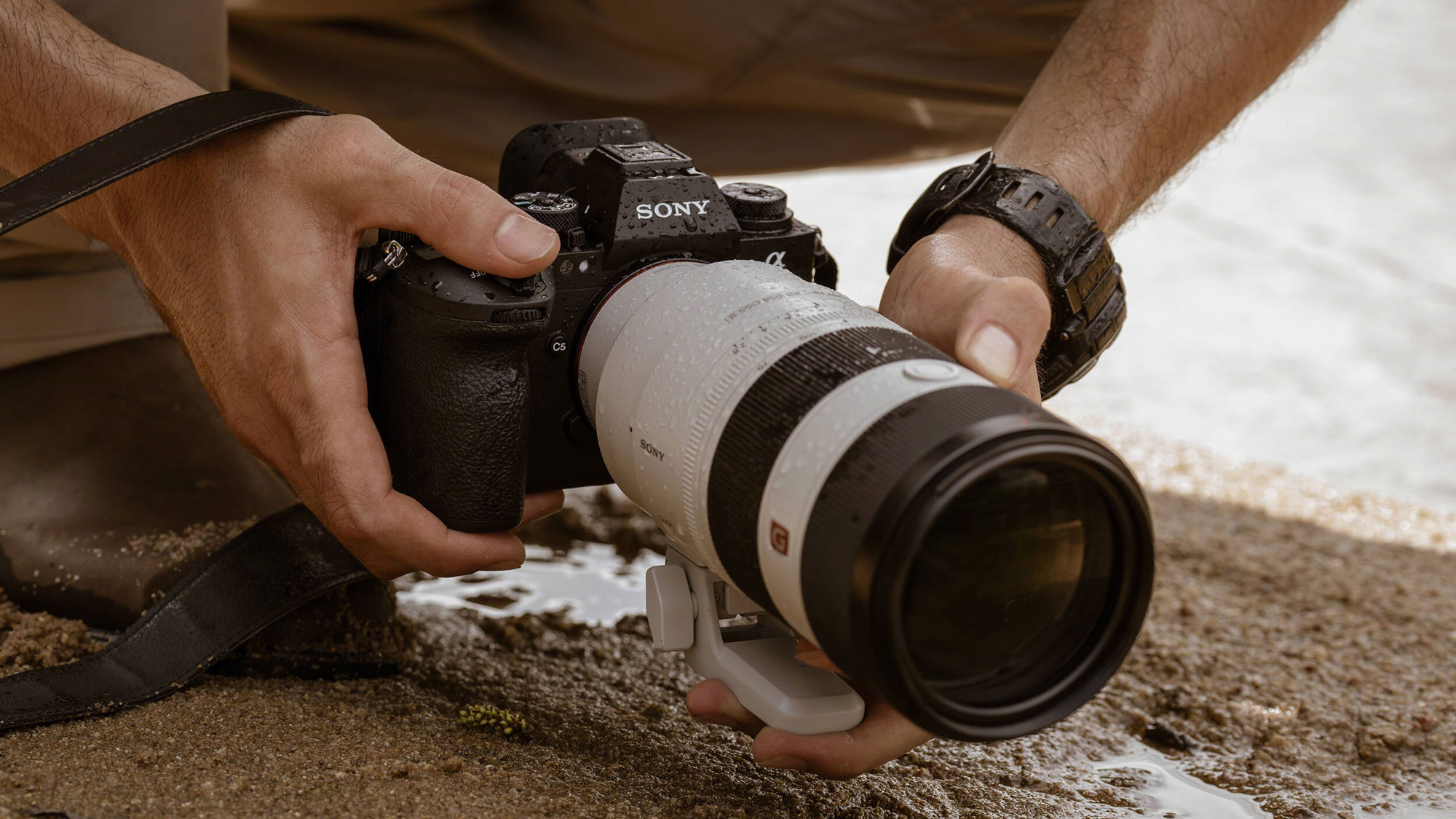
Full-frame cameras are the preferred choice of many as they often feature higher resolution sensors, fast, accurate autofocusing, faster continuous frame rates, top-of-the-line weather sealing, and better build quality. The EOS R5 Mark II is one of the most popular cameras currently thanks to its 45MP stacked imaging sensor which allows it to capture full resolution images at 30 frames per second blackout-free. Other contenders are the Nikon Z8 and the Sony A1 II mirrorless cameras with similar specifications and superb video specifications like 8k recording at 30-60 fps and 4k recording at 120 fps!
Micro Four Thirds (MFT)
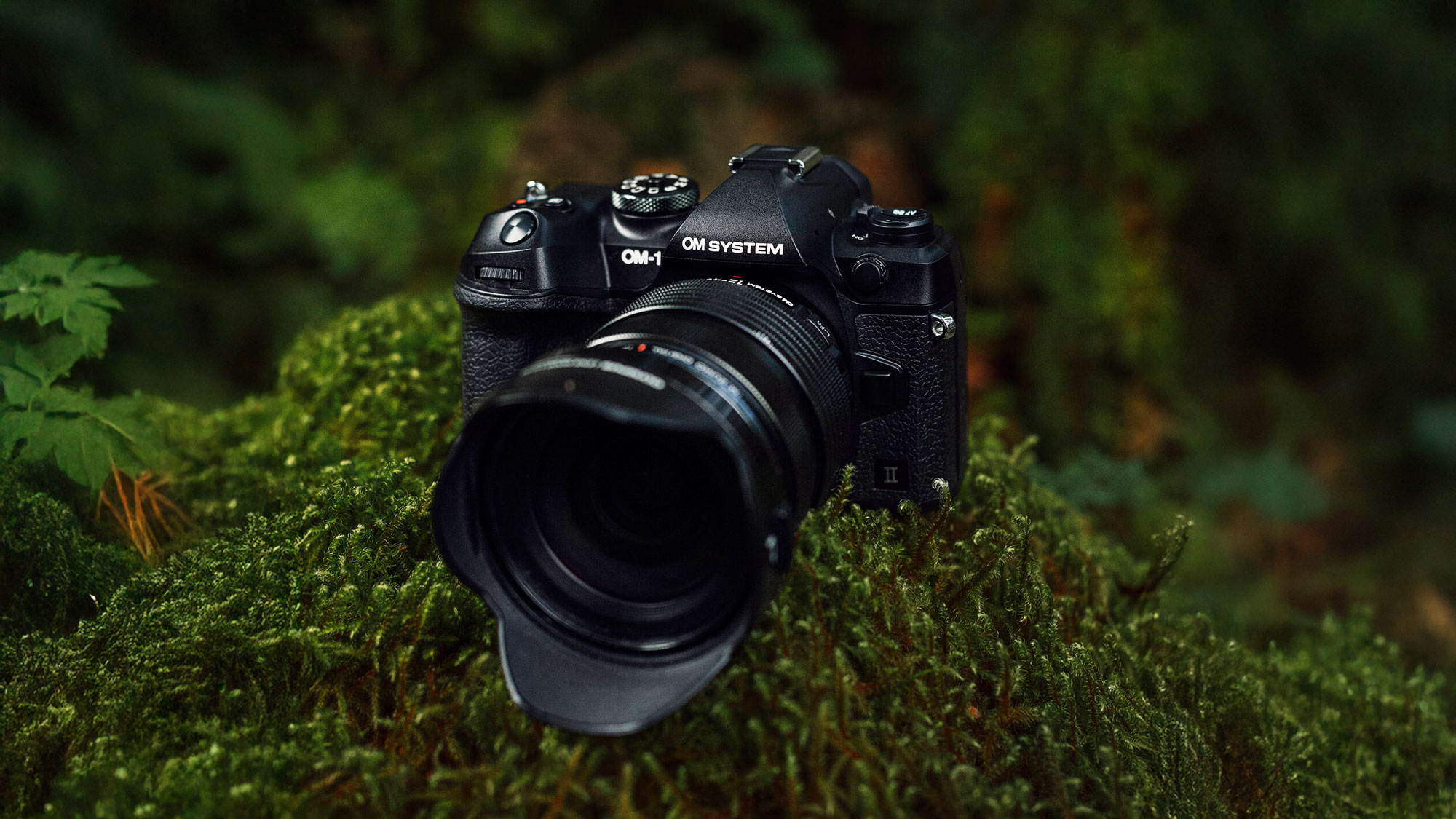
A popular option for those looking to save weight, micro four thirds is the most compact interchangeable lens camera system available. The sensor is even smaller than APS-C sized ones, and as a result the lenses are tiny when compared to their full-frame counter parts. The drawbacks are similar to those found in APS-C sized sensors such as grainier high ISO images and less overall detail. Still, for those who want to post online and make the occasional 11x14 print, cameras like the OM System OM-1 mark II are perfectly capable.
The Lenses
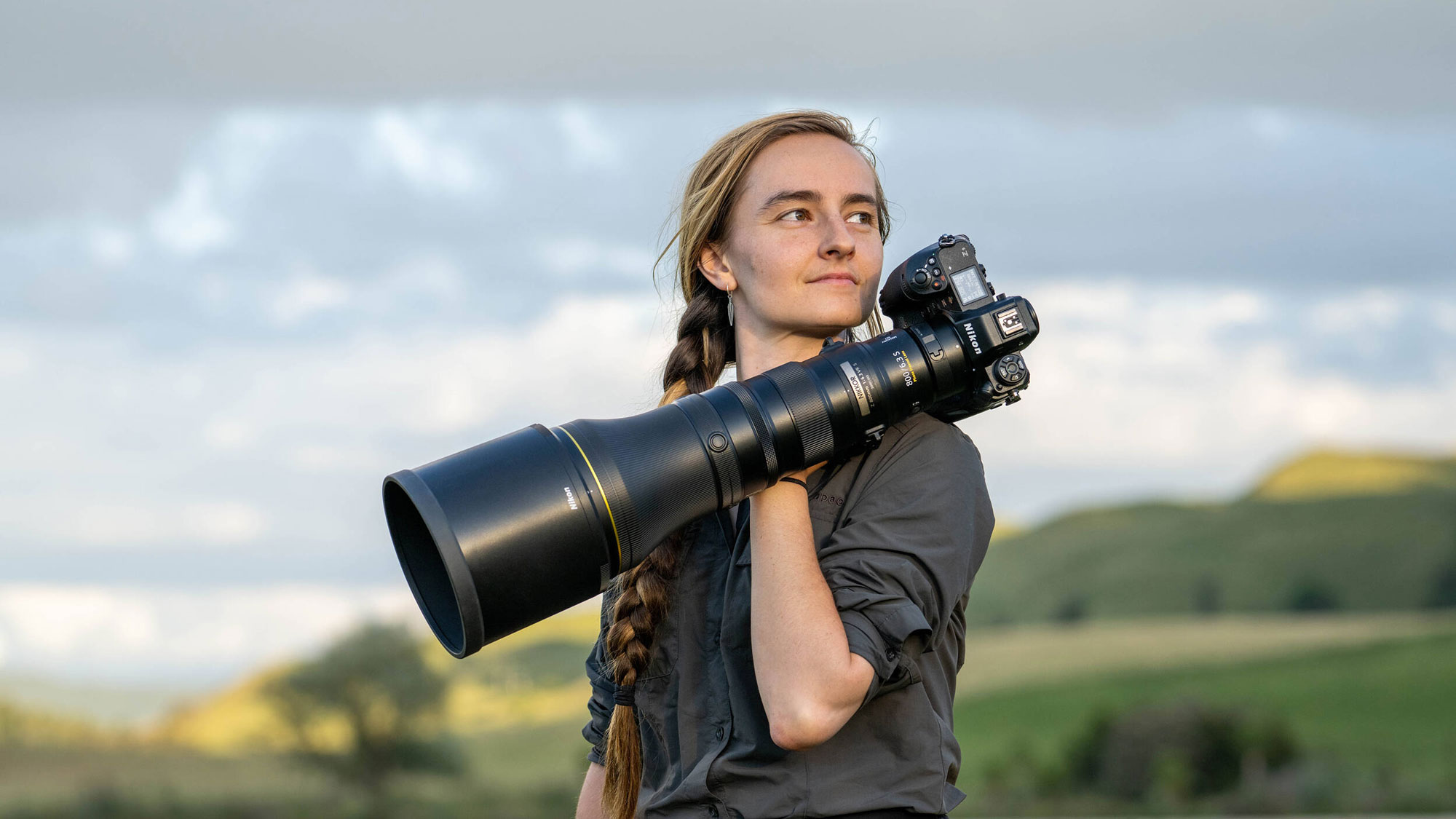
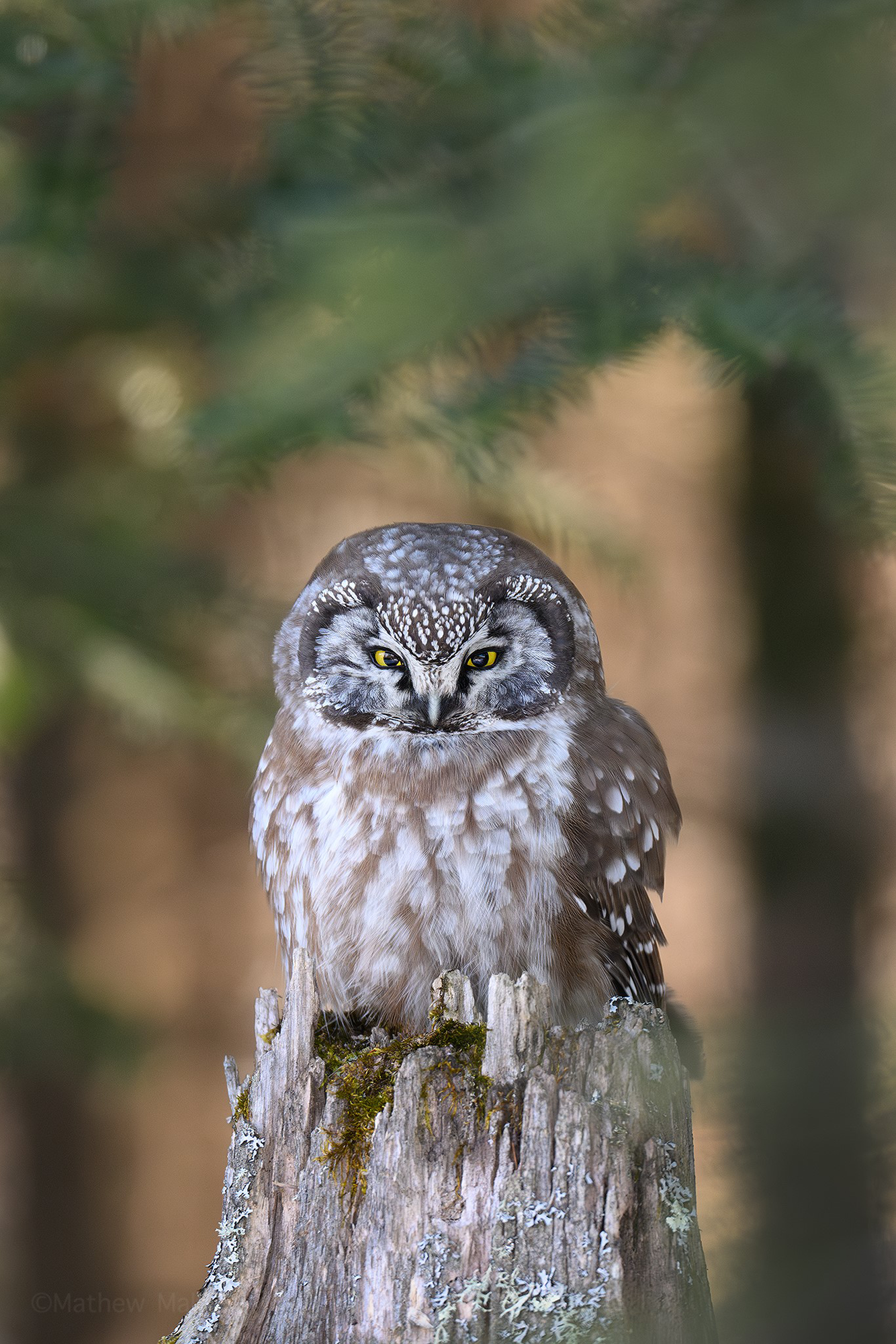
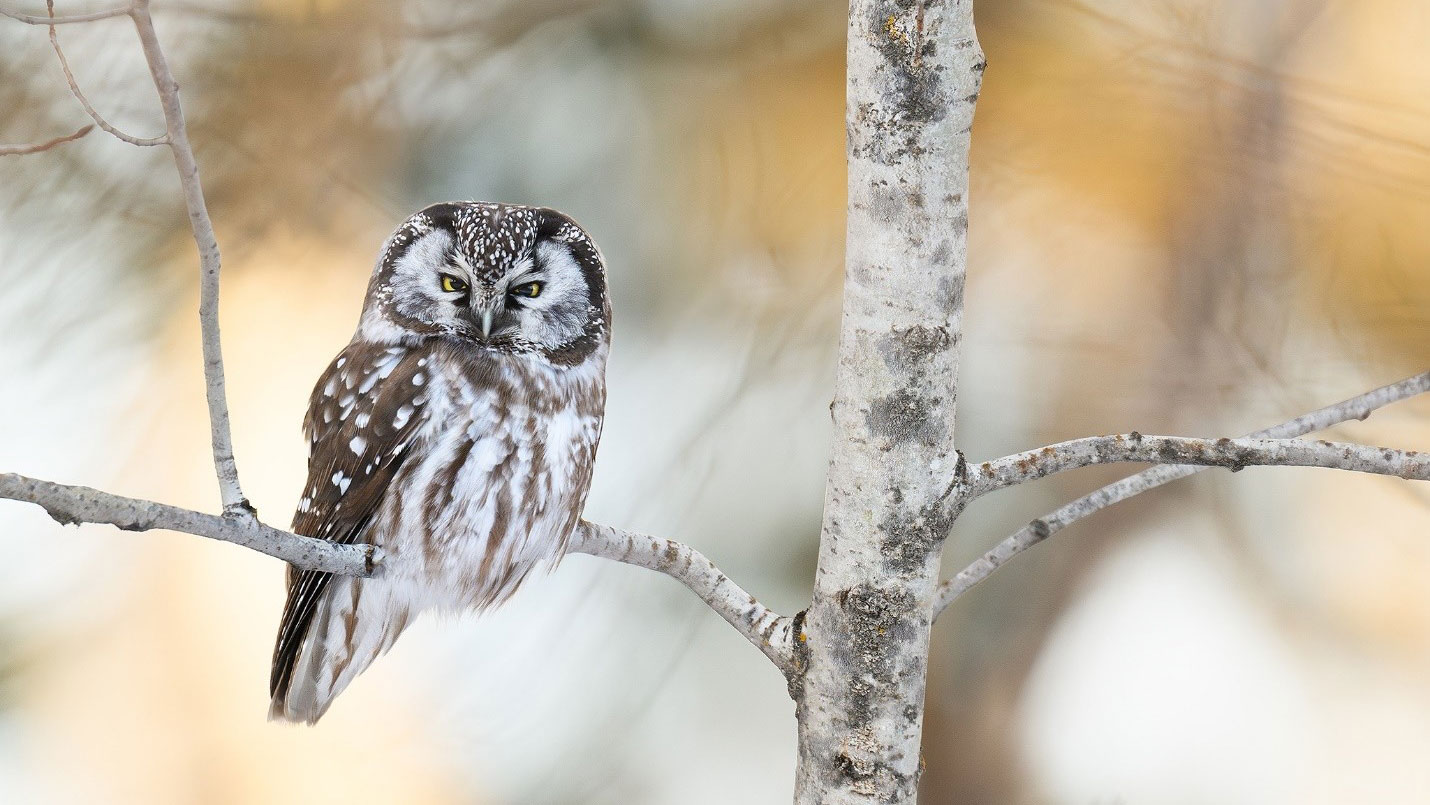
As wildlife photographers, we’re always looking for more reach. Long lenses are a must, and depending on the specific subject matter you’re after, longer may be better. In general, 400-600mm is the ideal focal length range to start with. 400mm is best for big game and larger animals. 600mm is the go-to for bird photographers or those looking to get close up shots of more dangerous wildlife like bears and moose.
A photographer friend once said that we “date the camera and marry the lens.” Lens technology progresses much slower than in camera bodies themselves, and as result we tend to keep quality lenses through multiple camera bodies. There are pros and enthusiasts who upgrade their camera every time a new model hits shelves, but they’re still hauling around a 20-year-old 600mm f/4 lens. Why? Glass is glass. As long as a lens can resolve the detail our camera is capable of capturing, there’s really no need to upgrade unless a newer version is half the weight.
It's hard to talk about lenses without getting into the Zoom vs. Prime debate. The divide between zooms and primes has shrunk year after year. There was certainly a time when the difference was night and day, but this just isn’t the case anymore. Lenses like the Sony FE 200-600mm f/5.6-6.3 G OSS or the Canon RF 100-500mm f/5.6-7.1L IS USM deliver razor sharp images that rival those taken by the super-telephoto primes. A keen eye may be able to scan over the images and find minute imperfections, but to the average user, the difference is negligible. The real benefit of using a prime over a zoom comes when you’re trying to get those super smooth, buttery backgrounds.
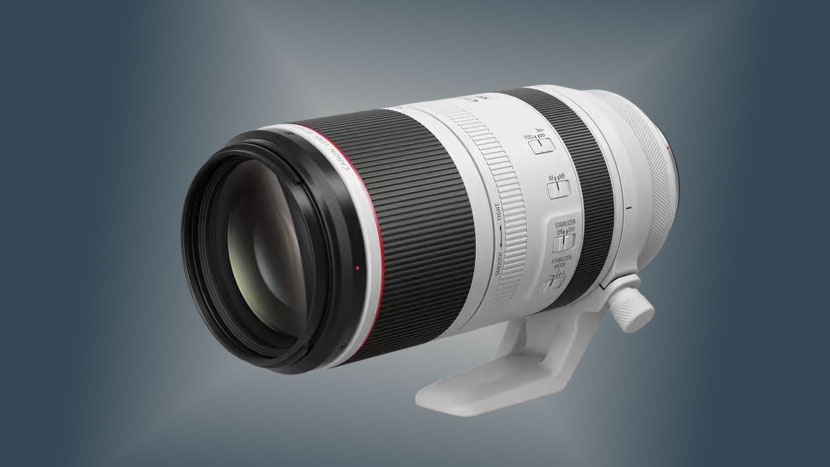
No matter the high ISO performance, a lens with a maximum aperture of f/6.3 cannot compete with f/4 or f/2.8. The subject isolating qualities of these apertures cannot be understated. This is what makes big primes like NIKKOR Z 400mm f/2.8 TC S VR so popular. Not to mention the built-in teleconverter which can be implemented with the flip of a switch. This is a feature also found in Nikon’s 600mm f/4 as well as the OM System M. Zuiko 150-400mm f/4.5 TC 1.25 IS PRO.
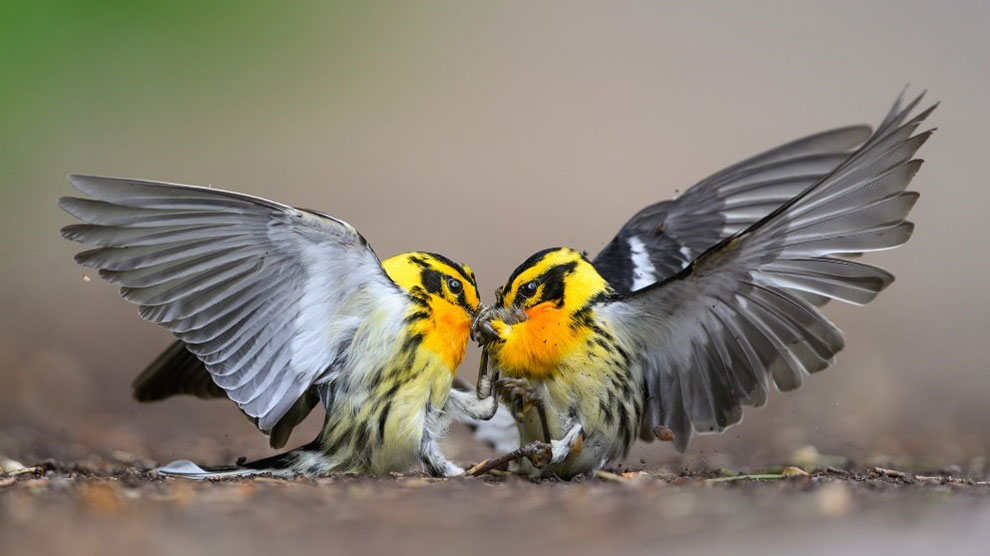
While they don’t feature built-in teleconverters, Canon and Sony’s prime lenses are ultra-light for their size and pair well with external teleconverters. The Sony FE 600mm f/4 GM OSS is currently the lightest autofocus 600mm f/4 prime available. The size and weight of the 600mm are only rivaled by the combination of the FE 300mm f/2.8 GM OSS and Sony’s respective 1.4x and 2x teleconverter.
Teleconverters
Speaking of teleconverters... Also known as “extenders” or simply “TCs”, teleconverters are secondary lenses mounted between the camera and primary lens for the purpose of magnifying the image, increasing the apparent focal length of a lens. While many lenses are technically compatible with teleconverters, it is fast primes and select super zooms that benefit the most from them.
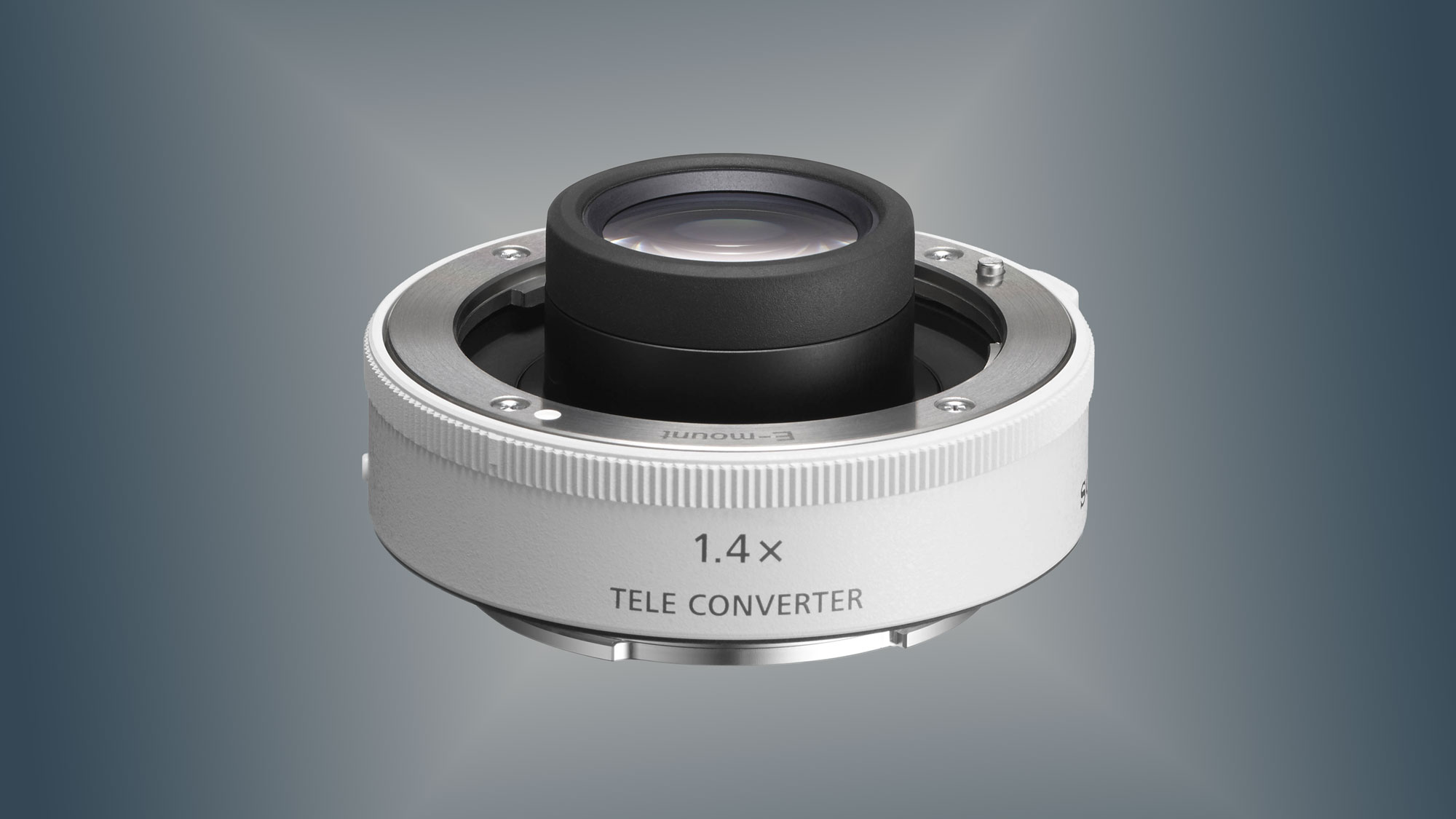
Teleconverters do come at a cost, as they add additional glass to the optical formula, reducing overall image quality. This is not as noticeable in high-end lenses but can be detrimental to smaller zooms. Additionally, teleconverters cause a loss of light, decreasing your maximum aperture by one or stops. This is why fast apertures are suited well for use with them. An f/2.8 or f/4 lens only stops down to f/4 or 5.6 when using a 1.4x extender.
Batteries and Chargers
When you buy a camera, it generally comes with a battery. The charger is a different story. While flagship models and some higher end bodies may come packaged with a dedicated block charger, most cameras rely on in-body charging via USB-C cable. While this is fine for casual use, wildlife photographers will need multiple batteries and way to quickly charge them.
Extra batteries are self-explanatory. One dies so we swap it out for a good one to keep shooting for hours on end. Two batteries are obviously better than one, but we recommend carrying at least 3 to 4 batteries, depending on the duration of your outing.
Memory Cards
There are a number of memory cards types available today; however, most interchangeable lens cameras use one or two of the big three: SD cards, CFexpress Type A cards, and CFexpress Type B cards. SD cards are the standard type; they’re compatible with the greatest variety of cameras, but they can only move data so fast. Why does speed matter? If a camera can continuously fire at 20 to 30 frames per second, it needs to offload all of that information at a steady rate to keep up that speed.
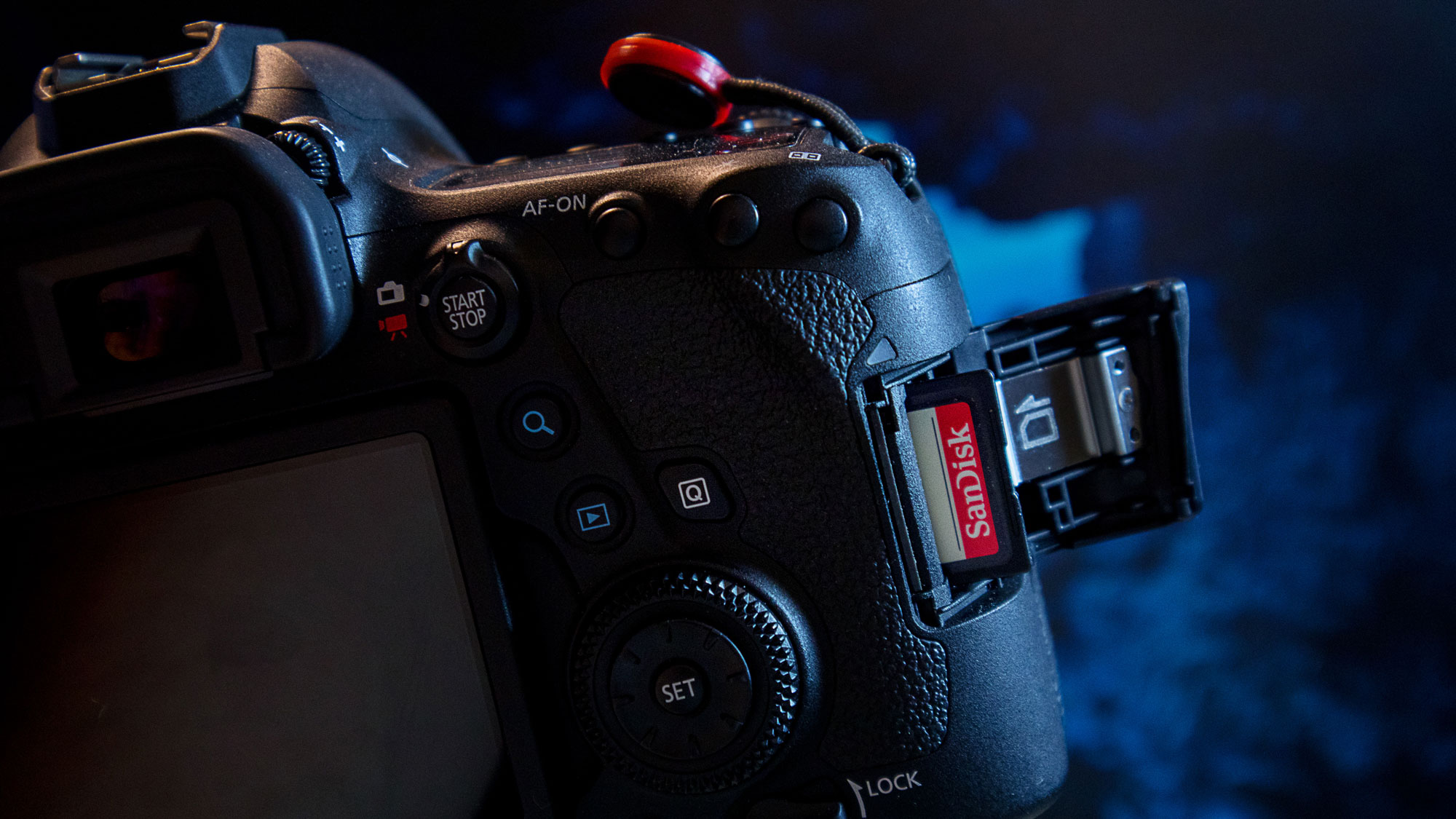
Data from the image sensor goes to the camera’s buffer, which is short term memory in your camera that temporarily stores images before they are written to the memory card. To prevent data from bottlenecking and causing the camera to “buffer out,” we need to have a card that can reliably empty the buffer. The fastest SD card are only able to move data at about 300 MB/s, which is fine for many entry or mid-level models, but as speed resolution increase, we need more from our card.
This is why faster CFexpress-type cards exist. These cards can move data anywhere from 900 to well over 3000 MB/s--perfect for flagship-level full-frame cameras churning out 50-megapixel images at 30-plus frames per second. ProGrade offers both Type A and Type B cards with the CFexpress 4.0 Type A Iridium cards, which are compatible with Sony Alpha cameras and their various Type B cards for other brands. Be sure to check which card type and speed your camera requires before investing, and be ready to pick up a spare, as there is no worse feeling than missing a shot because you were busy culling photos off a full card.
Tripods
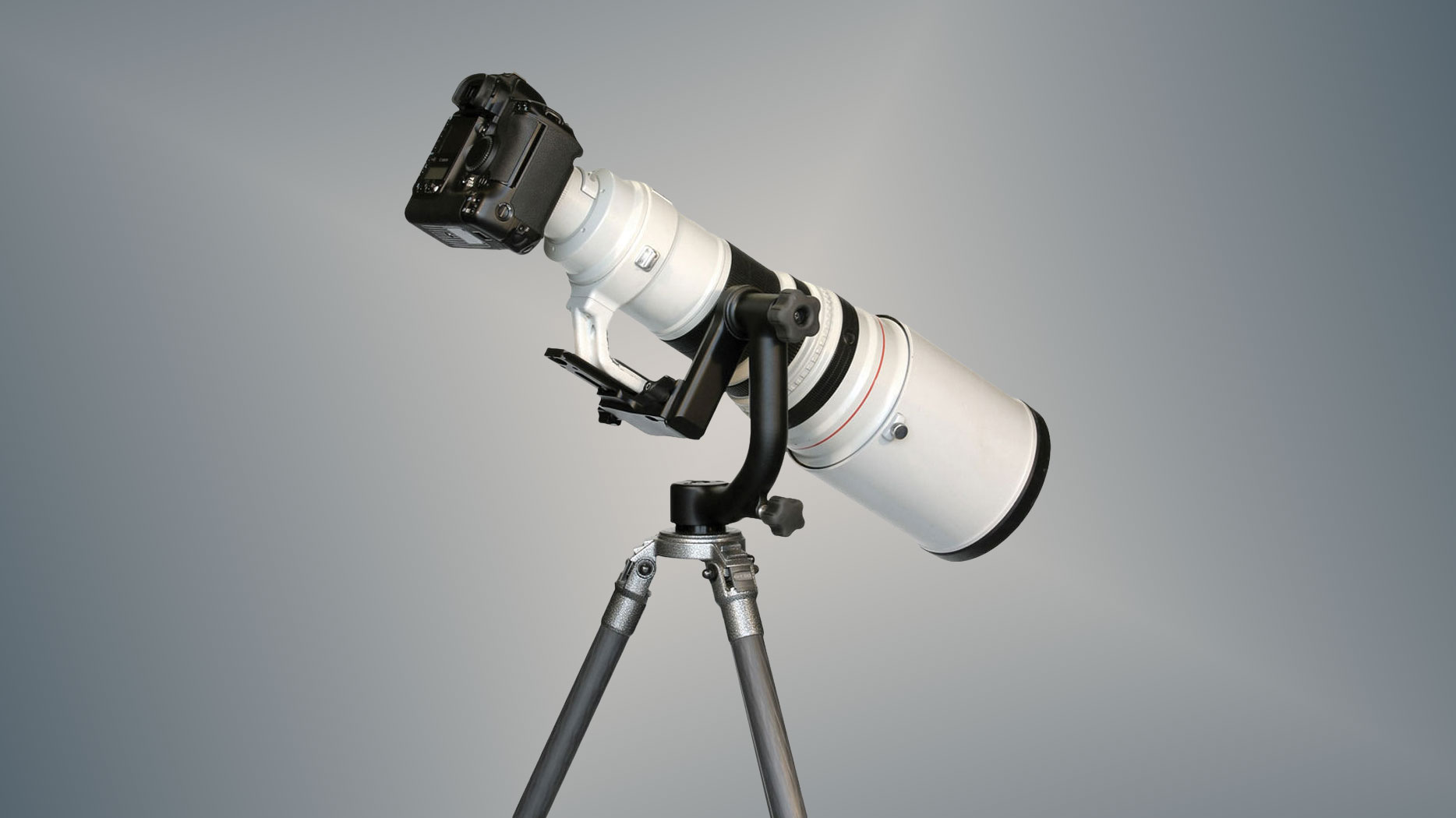
Tripods support your gear and can help you get sharper photographs. A longer lens doesn’t just magnify your image; it also magnifies imperfections in your hand holding technique. Any shakes or vibrations will be amplified. As a result, any method in which we can support our camera is going to improve our overall image quality and allow us to capture sharp images at slower shutter speeds.
Some tripods have a center column, which can be used for a little boost in height. While handy for snapshots, they take up precious space and are very unstable when using longer telephoto lenses. A tripod with no center column like the Robus RC-8880 Vantage Tripod has a wider base, making it more stable in some of the toughest conditions, and the lack of center column means you can easily lower your tripod to ground level for an eye-level perspective on your subject.

Of course, no tripod is complete without a dedicated head. There are a number of different head styles available, but only three are practical for wildlife photography. The most common head you’ll likely hear about is the gimbal head. These allow the user to easily balance and manipulate their heavy lenses with fluid motion and little effort. Wimberley pioneered this design in 1991 with their WH-100 gimbal and later released a redesigned version with the WH-200. With the pan and tilt settings dialed in just right you aim your lens, let go and the lens stay put or you loosen things up to the point that you can control your rig with just one finger.
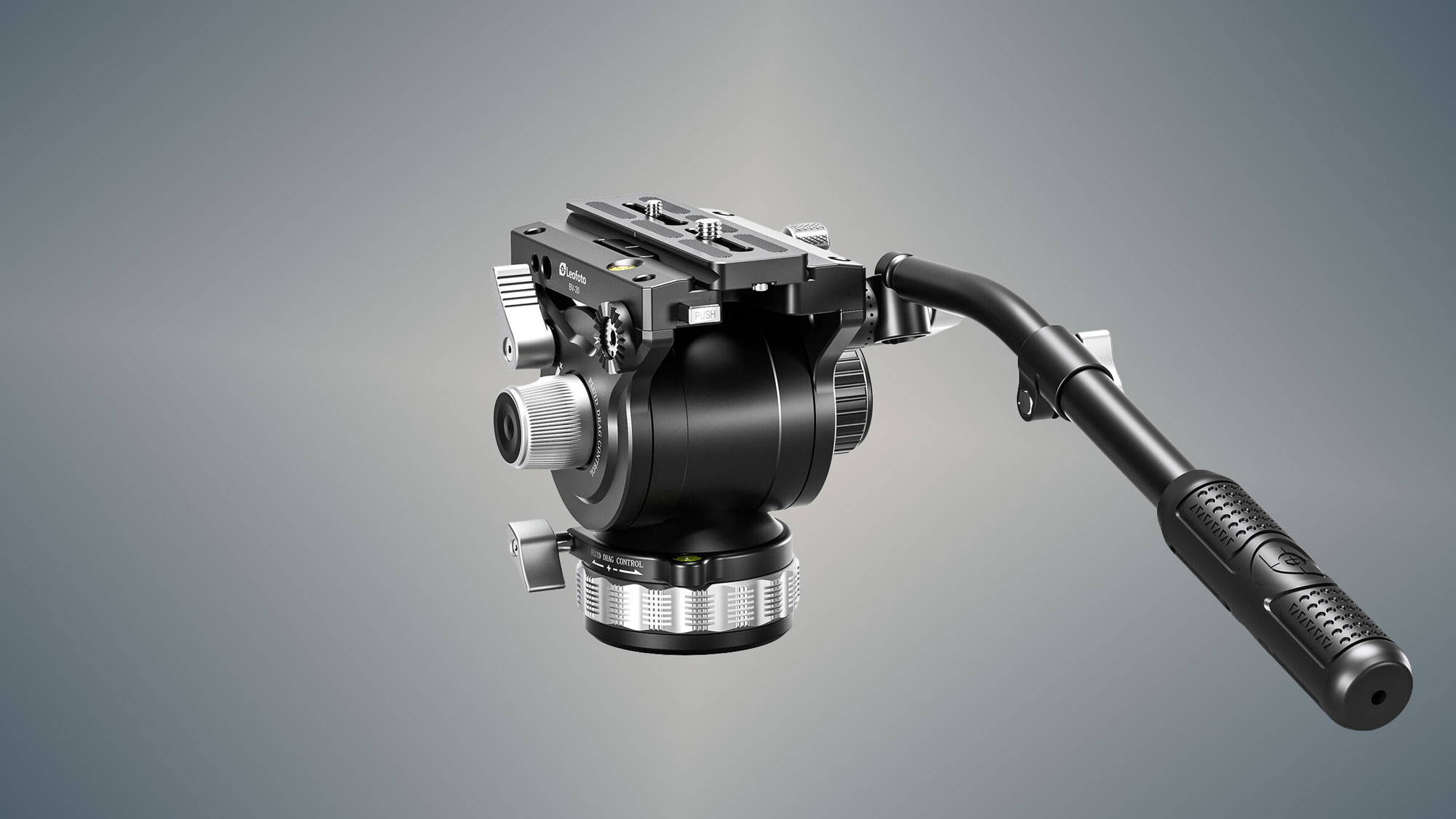
Fluid heads were designed for video productions but offer some features that make them ideal for wildlife stills. The fluid panning motion has a configurable level of resistance that some photographers find useful for panning and flight shots. The smaller footprint also makes them more travel friendly. A larger, head like the Leofoto BV-20K is ideal for supporting a larger zoom or super-telephoto prime. While not as well balanced as a gimbal, the resistance found in fluid heads prevents sudden drops.
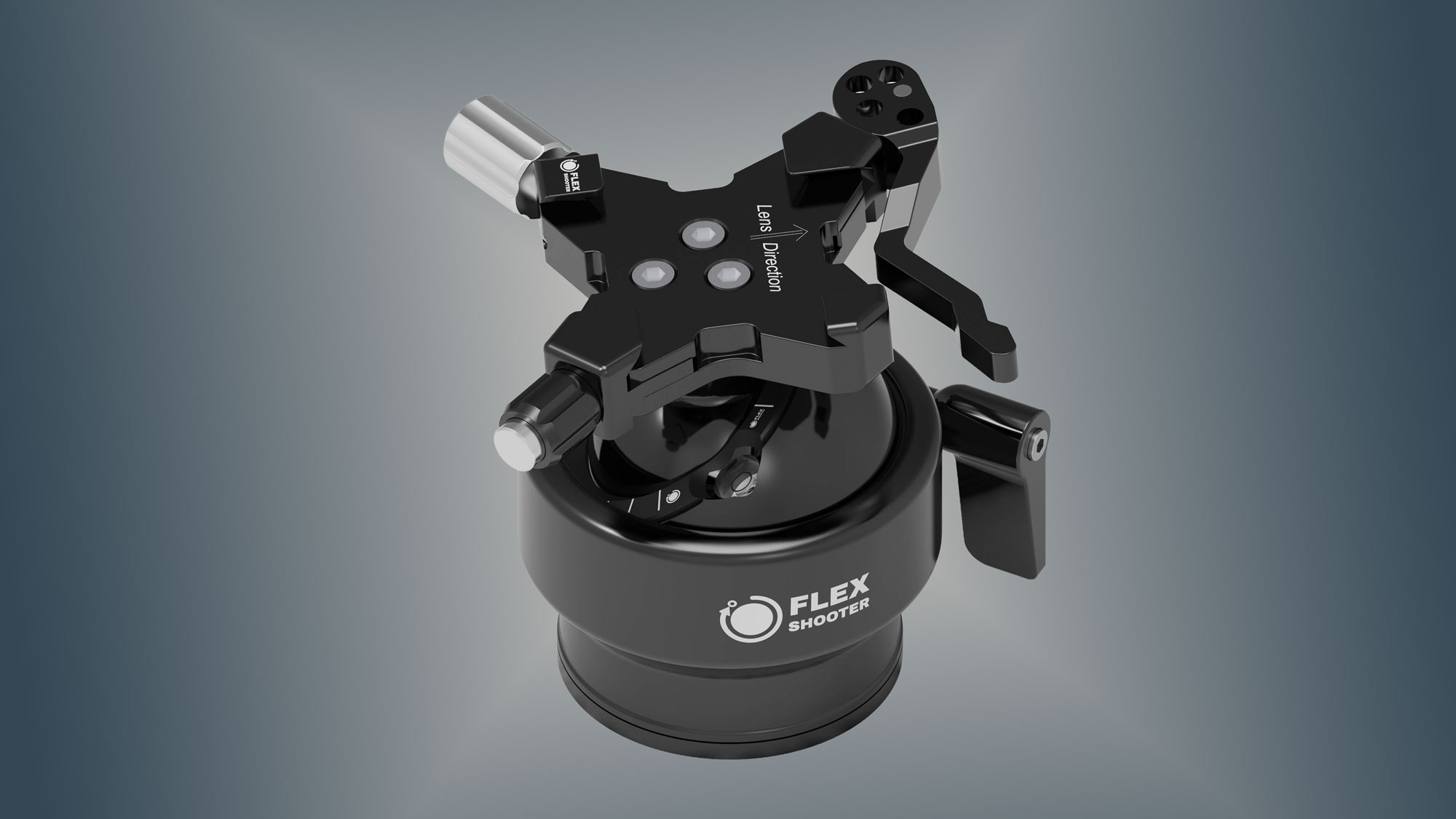
While the standard ball head lacks the additional support gimbal and fluid heads offer, there’s a relatively new kid on the block that melds some of the best features of all three heads into one. That would be the FlexShooter Pro Ball Head. This head features a patented double ball system, which offers a two-axis head nestled within an outer ball which provides leveling and panning functions. The joint itself is spring balanced for gimbal-like range of motion in a ball head sized head. While this won’t fully replace a dedicated gimbal, it’s a small, lightweight alternative for the photographer looking to save weight. There is also a mini version of this head available for smaller camera setups.
Bags
Safely getting your gear from point A to point B is paramount. For most photographers, a backpack should fit all the gear you need for a shoot and do so comfortably. It’s always wise to get a bag that has some extra room, as you never know when you’re going to add a new lens or accessory to your kit. If you’re planning on walking or hiking a long distance on uneven terrain, the bag should have waist and sternal support to reduce the strain put upon your shoulders.
One of the most comfortable bags that fits the bill is the PGYTECH OnePro ST Backpack, which holds the largest prime lenses with a camera body attached. What makes the OnePro so well-suited for wildlife shooters is the combination of capacity and form. It’s big enough to fit plenty of gear, with side pouches and padded pockets for additional lenses and teleconverters, all while retaining a relatively sleek shape. Other popular cases come from ThinkTank—specifically their Backlight series, which are available in 18L, 26L, and 36L sizes.
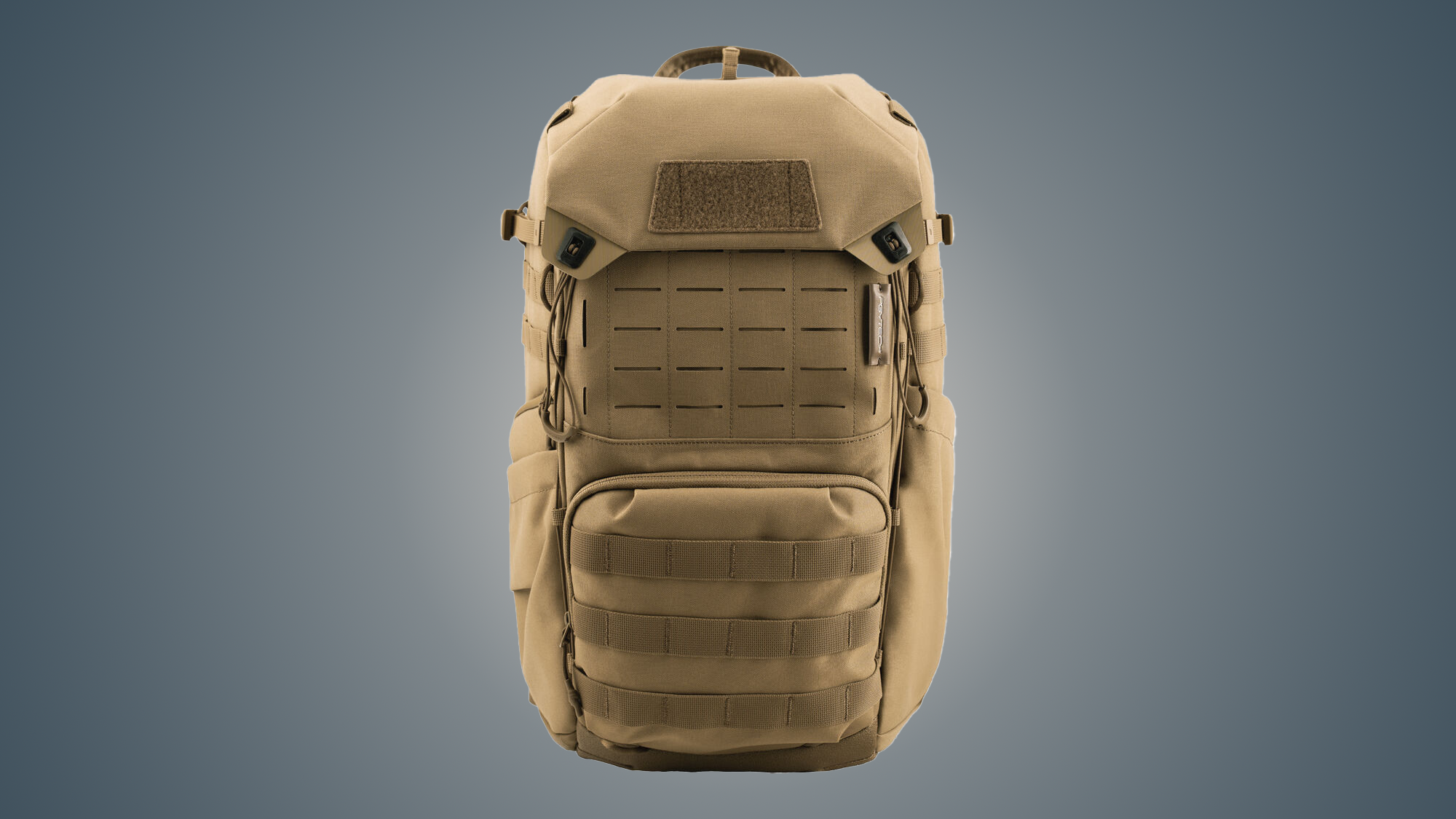
There are also number of backpacks available in different styles from brands like Think Tank and Gura Gear that fit even larger kits. For air travel, you’ll want a bag that maximizes the overhead bin space on any flight. Backpacks are far less likely to be gate-checked when compared to rollers!
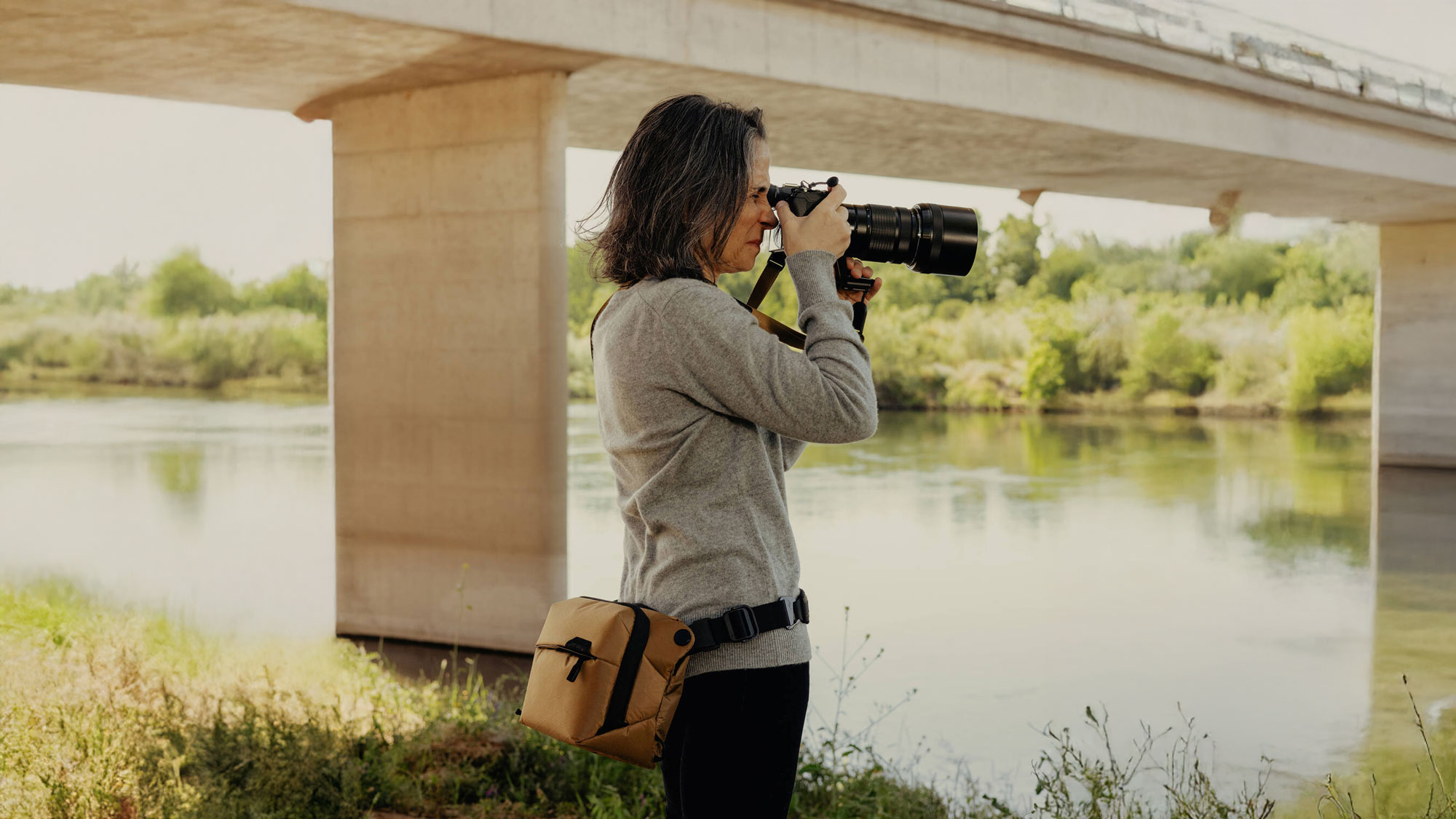
A small cross body bag like the Wandrd Rogue Slings or MindShift PhotoCross are great to keep an extra lens, teleconverters, batteries, and memory cards for short hikes or those times where you’re not going far from the car, but don’t want to walk back and risk missing a shot. A waist or fanny pack can be a great option as you can have gear accessible at your hip. Many sling bags can double as a fanny pack. If you’re using binoculars, this style also avoids tangling straps.
What’s Right for Me?
As you can see, there’s a lot of gear at your disposal as a wildlife photographer. Whether you want a lightweight, run-and-gun style setup, or a heavy-duty tripod-based rig, there are plenty of options to choose from. You can even explore some less obvious gear choices to express your artistic vision.
As with all genres of photography, get out there, practice and work towards the results you want. Gear won’t make you a better photographer, but it’ll help you get the shots you want once you learn the basics. To learn more about wildlife photography, be sure to check out the many guides and articles on the B&H Explora site.
