Search results for: photography buying guide understanding light meters
About 6 filtered results
by Luke Rollins · Posted
At first glance, studio photography and the compact camera may seem strange bedfellows. The type of work associated with the studio—still life, product photography, portraiture, macro photography—usually wants cameras with larger sensors and interchangeable lenses, especially in professional applications. Compact, point-and-shoot cameras, for their part, have their natural home in everyday, travel, nightlife, and street applications, where their discretion and size become virtues.
It might seem almost cruel to introduce the compact to the
by Mathew Malwitz · Posted
Optic size is measured by what it can do, but when you’re new to the hobby, this can be confusing. Pick up a spotting scope or any pair of binoculars and you’ll see them adorned with a set of numbers like 8x42, 7x32, or 20-60x80. What exactly do those numbers mean and what do they tell us about an optic?
At the most

by Mathew Malwitz · Posted
Most photos consist of a balance between bright and dark tones, creating what we typically consider to be “proper exposure.” In proper exposure, there should be ample detail in all areas of the image, no matter how dark or how bright. At least, that’s what we should do when trying to capture a balanced exposure.
Balance, while important to most photographic situations, is not always best for a scene. There are

by Bjorn Petersen · Posted
While film photography tends to take a back seat to digital photography nowadays, many photography programs still teach film photography to help you gain a better understanding of how the basic photographic process works. Without computers and an LCD screen to fall back on, shooting with film helps to reinforce technique and make you learn, understand, and trust yourself while shooting.
Film
The most obvious thing someone needs to begin his or her education in film photography is

by Dawn Wayand · Posted
Your camera is an extension of you in your studio. What you shoot with can be just as important as how you shoot. Choosing the right gear to help you perform better during a photo shoot is worth careful consideration. In this article, I will discuss cameras, but go more into depth on lenses, light meters, and care kits for your gear to help give you a better understanding of each and what features to look for when purchasing each component.
Robert Olsen;Model: Kristin Rutty
Digital Cameras
There are a few different types of digital
by Shawn C. Steiner · Posted
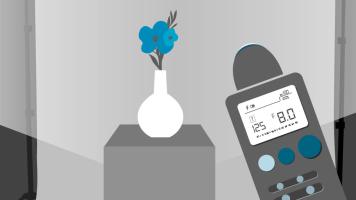
A light meter provides crucial information to photographers and cinematographers for their work; it provides a measurement of the exposure, tells users exactly what shutter speed/aperture combination to use based on the 18% gray standard, and can even provide detailed charts and graphs on the quality and color of the lights one is using. Generally, it will be seen as a tool to check exposure settings for perfectly balanced images. Additionally, some models can provide other exceptionally useful capabilities, such as flash metering, color