
Super-telephoto lenses and wildlife photography go hand-in-hand. These longer focal length primes and zooms allow you to get closer, seemingly, and fill your frame with distant subjects, like wild animals. Traditionally, these lenses also tend to house some of the most advanced and robust focusing systems, often feature built-in image stabilization, and usually sport weather-sealed exteriors. This past year was a fruitful year for wildlife lens releases, with many brands introducing a new super-telephoto or two to match the evolution and growth of mirrorless camera systems.
Canon RF 100-300mm f/2.8 L IS USM
Beginning with one of the fastest lenses on this list, the Canon RF 100-300mm f/2.8 L IS USM is also one of the most versatile for close-range wildlife subjects. With its bright, constant f/2.8 maximum aperture, this 100-300mm almost feels like a souped-up 70-200mm with a bit more reach. Compared to a 300mm prime, the zoom design also makes the lens a bit more of an all-arounder for wider framing and establishing shots.
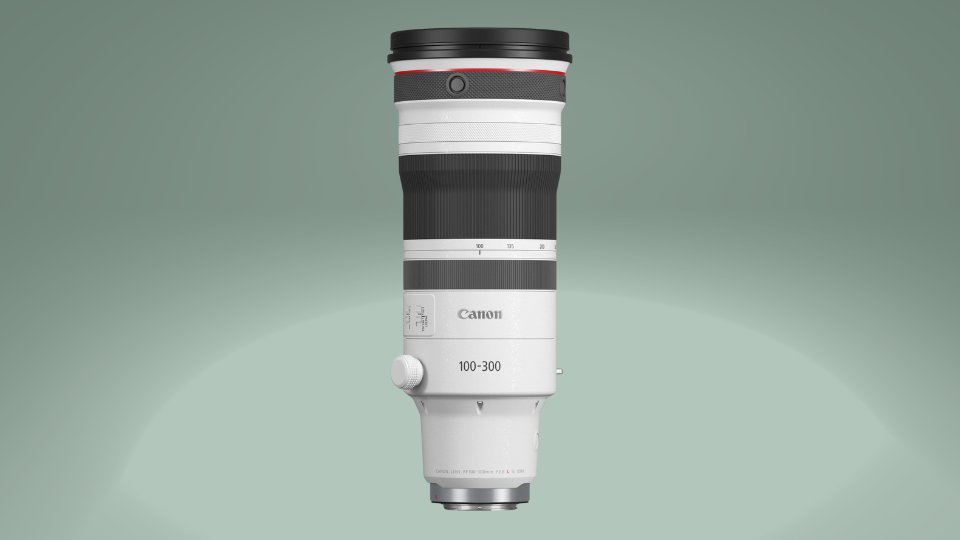
In terms of specs, this lens has everything you’d expect from a Canon L-Series lens, including a Dual Nano USM AF system, optical image stabilization that compensates for 5.5 stops of shake, and a weather-sealed exterior.
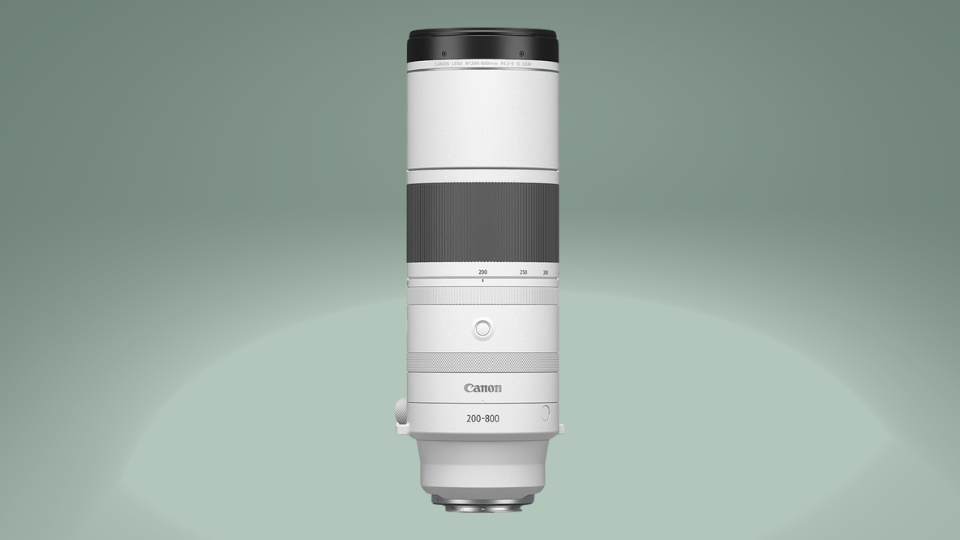
Canon RF 200-800mm f/6.3-9 IS USM
The second wildlife lens of the year from Canon is the much longer-reaching RF 200-800mm f/6.3-9 IS USM—it’s the longest lens on the list and one of the most unique options available in the mirrorless super-telephoto realm. It is a decidedly slower lens, with an f/6.3-9 maximum aperture range, but this helps keep the size (12.4" long) and weight (4.5 lb) down for better handholding performance. Built-in IS also benefits handheld use, as does the Nano USM AF system, and the impressive 200-800mm range is ideal for a variety of animal types, ranging from small birds to larger mammals.
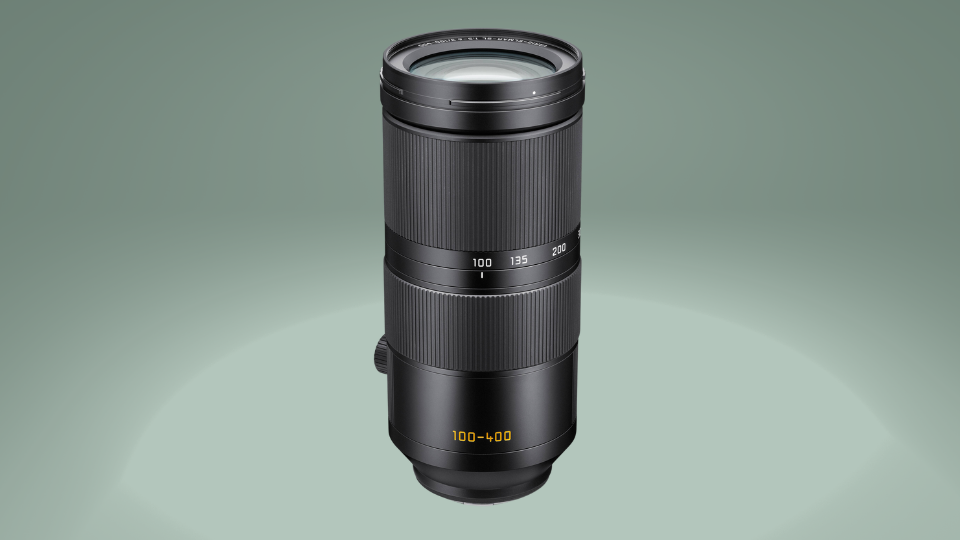
Leica Vario-Elmar-SL 100-400mm f/5-6.3
Wildlife and Leica aren’t typically synonymous, but this year the brand released the Vario-Elmar-SL 100-400mm f/5-6.3 super-tele zoom that’s an awesome option for L-Mount shooters. The 100-400mm range offers versatility for mid-range and distant subjects and the modest maximum aperture keeps the lens nimble enough for handheld use. It’s also a weather-sealed zoom and sports 4-stop-effective image stabilization for sharper shots at slower shutter speeds.
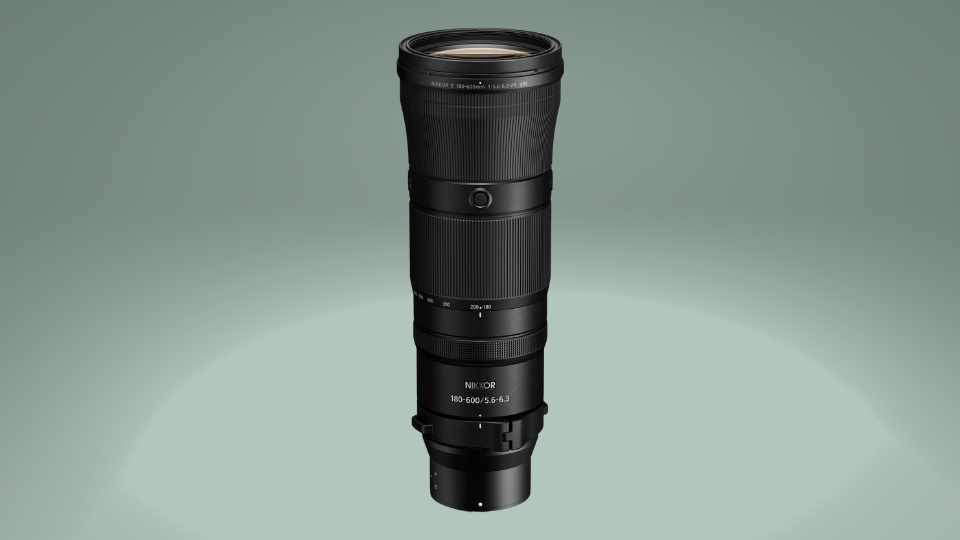
Nikon NIKKOR Z 180-600mm f/5.6-6.3 VR
Nikon had a pair of long lens releases in 2023, the first of which was the NIKKOR Z 180-600mm f/5.6-6.3 VR super-tele zoom. This unique and long-ranging option is a great one-lens solution for sports and wildlife subjects, capable of handling a variety of subjects sizes and working distances. Vibration Reduction controls around 5.5 stops of camera shake, a stepping AF motor keeps focusing fast and quiet, and the lens is also compatible with optional 1.4x and 2x teleconverters in case you need even more reach.
Nikon NIKKOR Z 600mm f/6.3 VR S
Nikon’s second super-telephoto of the year was the NIKKOR Z 600mm f/6.3 VR S prime—a lens that’s as impressively long as it is portable and lightweight. Thanks to the use of a Phase Fresnel element, the lens is noticeably more compact than a typical 600mm prime, measuring less than 11" long and weighing 3.25 lb. With a maximum aperture of f/6.3, it’s not the fastest lens available but it’s by no means slow, and this modest speed coupled with the PF element makes this super-tele easily handholdable.
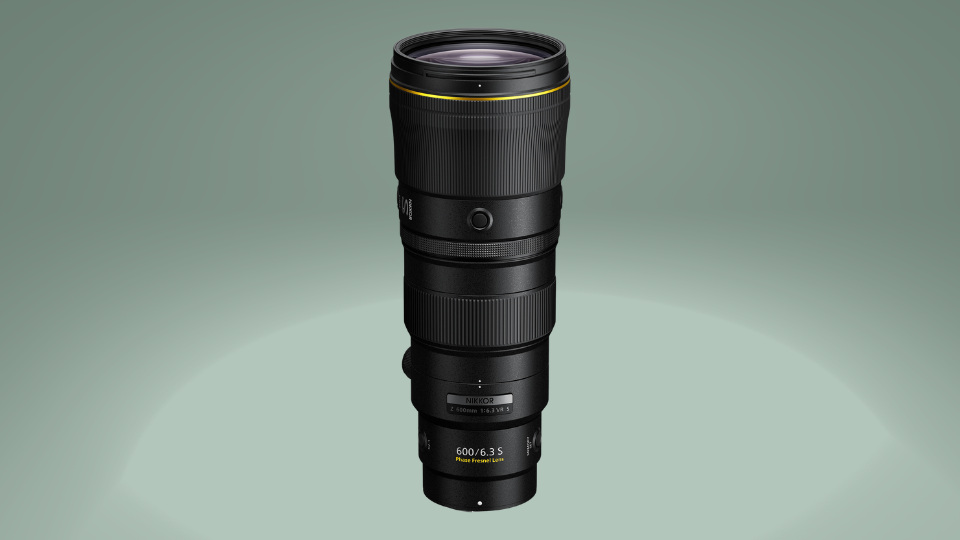
The rest of the tech is what you’d expect for a lens like this: 5.5-stop VR, a stepping motor-driven AF system, weather-sealed exterior, and teleconverter compatibility. Also, as an S-series lens, it’s got Nikon’s top-tier optics for impressive sharpness and color rendering.
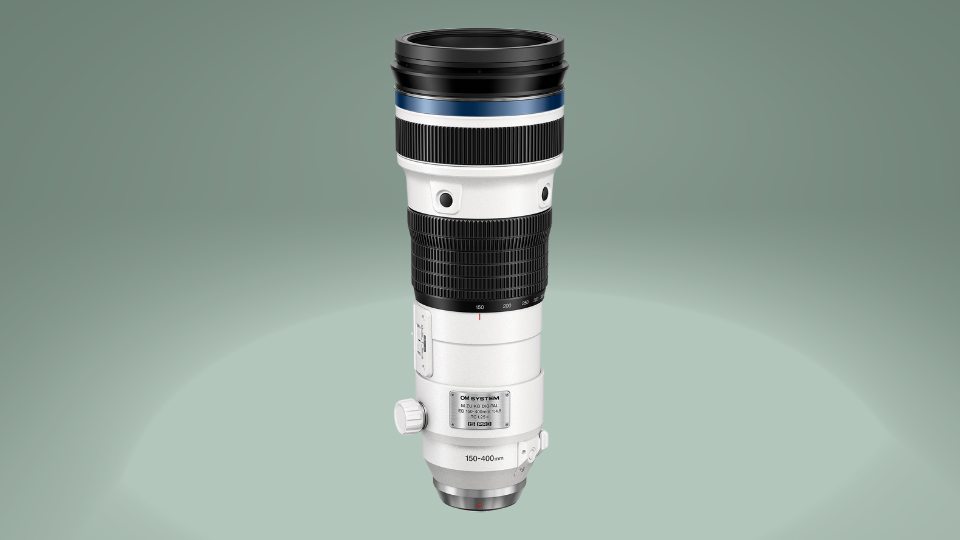
OM SYSTEM M.Zuiko Digital ED 150-400mm f/4.5 TC 1.25X IS PRO
The M.Zuiko Digital ED 150-400mm f/4.5 TC 1.25X IS PRO might be a familiar lens, since it debuted as an Olympus lens a few years ago, but was re-released in 2023 under the OM SYSTEM banner. It’s an awe-inspiring zoom that’s a perfect fit for wildlife shooters; as a Micro Four Thirds lens, it has a 300-800mm equivalent focal length range and the lens touts a built-in 1.25x teleconverter that will push this equivalent range up to 1000mm. It weighs about 4 lb and measures about 1' long—it’s handholdable based on size and weight alone, but the 8-stop-effective image stabilization makes it even more reliable for capturing distant, small, and fast-moving wildlife subjects with sharp detail.
Panasonic Leica DG Vario-Elmar 100-400mm f/4-6.3 II ASPH. POWER O.I.S.
The second super-telephoto Micro Four Thirds lens of the year was Panasonic’s Leica DG Vario-Elmar 100-400mm f/4-6.3 II ASPH. POWER O.I.S., which offers a very useful 200-800mm equivalent range. This is a lens that highlights the key benefits of the Micro Four Thirds format: it offers huge reach with a very compact and portable form factor, being only 9.8" long and 2.2 lb. This is a great choice for the traveling wildlife shooter and, as a seemingly standard feature of lenses on this list, sports a robust image stabilization system along with a durable dust- and moisture-sealed exterior.

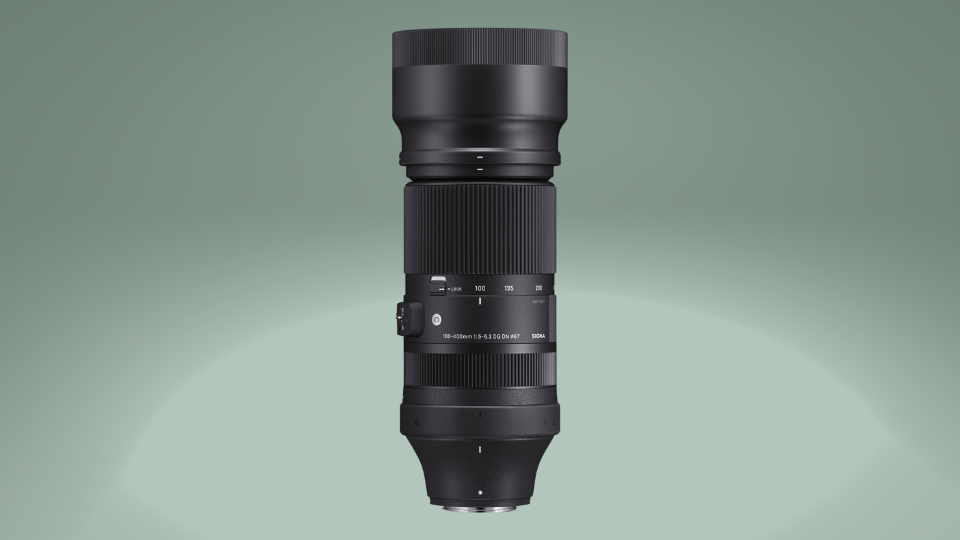
Sigma 100-400mm f/5-6.3 DG DN OS Contemporary for FUJIFILM X
Technically, the 100-400mm f/5-6.3 DG DN OS Contemporary isn’t a new lens, but in 2023 Sigma added a FUJIFILM X-mount version that immediately resulted in it being one of the longest lens options for X-mount shooters. Sigma is gradually adding more mirrorless mounts to its lens lineup and this 150-600mm-equivalent option is a great choice for wildlife shooters in the FUJIFILM eco-system.
Sony FE 300mm f/2.8 GM OSS
One of the most anticipated lenses on the list, the Sony FE 300mm f/2.8 GM OSS was development-announced in January 2023 and finally formally announced in November 2023. It’s not going to hit the shelves until early 2024, but this fast telephoto has been one of the most talked-about lenses of 2023 and made its debut alongside the most exciting camera release of the year, the a9 III.
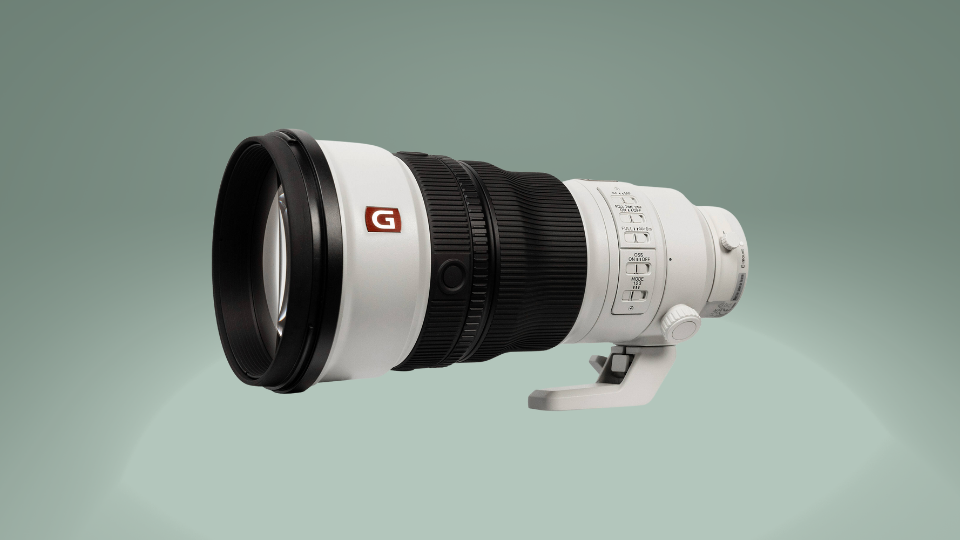
The 300mm focal length is on the wider end for wildlife shooters, but this focal length offers a significant amount of versatility when paired with a 1.4x or 2x teleconverter to bring it into the sweet spot for wildlife optics. At 300mm, the broader field helps when tracking animals and photographing closer-range birds in flight; with a teleconverter, you can home in on creatures and maintain relative brightness.
Tamron 150-500mm f/5-6.7 Di III VC VXD for Nikon Z
The Tamron 150-500mm f/5-6.7 Di III VC VXD is another instance of a pre-2023 lens that’s been re-thrust into the spotlight, thanks to the new Nikon Z-mount version of this super-tele zoom. Third-party Z-mount lenses with autofocus haven’t been very common until lately, so it’s exciting to see development and variety in the choice of longer-range lenses for Nikon wildlife shooters.

It has been a productive year on the optics front for wildlife photographers. More manufacturers are rounding out their lens lineups to match the growth of their mirrorless systems and more third-party options are beginning to trickle in, too. Some of the key takeaways from this year in super-telephotos include the omnipresence of image stabilization and a general focus on making lenses lighter and smaller. Together, there’s a general push to make long focal length lenses handholdable and more physically accessible than before, which makes wildlife photography an even more fun and creatively rewarding genre.
Do you have a favorite wildlife lens of the year? What is your go-to super-telephoto optic? Let us know, in the Comments below.
