
Many interchangeable-lens cameras, be it DSLR or mirrorless, are sold today with what we call "kit" lenses. Current kit lenses, in general, thanks to computer technology and advanced manufacturing techniques, are more capable and of higher quality than those of yesteryear. However, many of us who use interchangeable-lens cameras feel the gravitational pull of other lenses that are not yet in our bags.
Adding lenses to your quiver is all about choices and selection and, in photography, we often find ourselves at a sort of "gear crossroads." The first crossroad is during the initial purchase of a camera: what brand, how many megapixels, which kit, etc. The next is when we debate which lenses to add to our camera bags or, to not add lenses at all.
Understanding Lenses
Before we go any further, let us talk, very briefly, about lens focal length. For years, with SLR and DSLR cameras, the 50mm focal length has been known as "normal" or "standard." The perspective afforded by the 50mm lens, when used on a 35mm film camera or full-frame DSLR, closely approximates that seen by your own eyes, minus your peripheral vision. Got it? Good.
What is focal length? The focal length of a lens is the distance from that lens's rear nodal point to the image plane (often illustrated by the "Φ" symbol on the top plate of a camera body) is the distance from that lens’s rear nodal point to the image plane when the lens is focused at infinity. Changing this distance by zooming or putting different lenses on a camera changes the photographer's field of view.
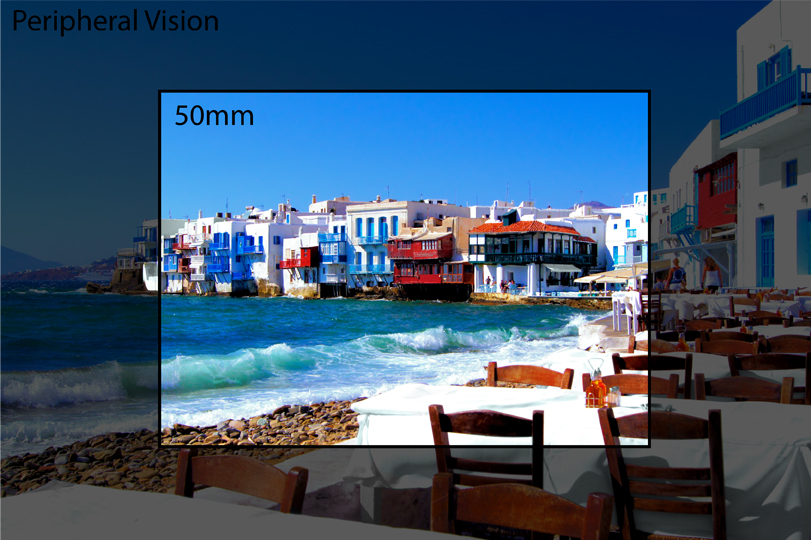
The wrinkle... digital cameras with smaller sensors will change the perspective of that 50mm lens, since your eye (and the sensor) is looking through a smaller portion of the projected image circle. So, when shopping for lenses, always pay attention to the "35mm equivalent" specifications to apply what you just read about 50mm lenses and what you are about to learn about the other focal lengths. For the purposes of simplifying this article, we will keep the numbers in the full-frame or 35mm world.
Any lens with a wider view than that of a standard lens on a full-frame sensor, for example, is referred to as a "wide-angle" lens. The wider field of view is quantified with a focal length smaller than that of the standard lens, i.e. 24mm coupled with a full-frame sensor. A telephoto lens is one with a focal length that's longer than a standard normal lens, which sees a narrower angle of view and captures a magnified image.
Adding a Lens to Your Bag
Camera kits, in general, come with either one- or two-lens options. Single-lens versions usually have a wide-angle to normal or slight telephoto zoom lens (i.e. 18-55mm zoom). A second lens is most likely a farther-reaching telephoto (i.e. 55-200mm zoom). These kits are designed to give you maximum versatility along with minimal cost and minimal weight.
" One of the best ways to improve your photography is to use a high-quality lens that is designed in such a way that you can better express your artistic vision..."
May I mention the drawbacks of adding additional lenses to your camera bag without dissuading you from purchasing a new lens? I hope so, or I will not be working at B&H much longer. (So, whatever you do, when you finish this paragraph, KEEP READING… and buy a new lens!) There are two possible negatives to adding to your lens collection. The first is: cost. More gear means that more of your hard-earned money is invested in your photography. The second: mass. What do I mean? You will figure it out when you try to add a lens to a small camera bag that was not designed to accommodate additional stuff or, if your bag had extra room, you might wonder why your shoulder has gotten sorer, quicker. Adding lenses (or any other gear) to your bag requires more space and adds weight. Luckily, your wallet will be lighter.
Are you still here? Still interested in adding a lens to your bag? Whew. Good!
Improve Your Photography
I will go on record as saying this: One of the best ways to improve your photography is to use a high-quality lens that is designed in such a way that you can better express your artistic vision.
What do I mean by this? Two things. First, the visual improvements in your photographs might be noticeable when you make the switch from a kit lens to a more precise optical instrument; better sharpness, color rendition, focus performance, etc. All of those things will combine to help get you a better image. Secondly, there are dozens of different types of lenses that are much better suited than a kit lens for many photographic chores and, having one of those in your bag may bridge the gap between snapshot and suitable-for-framing.
What’s the Difference Between Primes vs. Zooms?
Before we look at lenses, a quick treatise on the age-old debate of primes versus zooms. A "prime" lens has a fixed focal length. A zoom lens expands and contracts (internally or externally) and has an adjustable focal length.
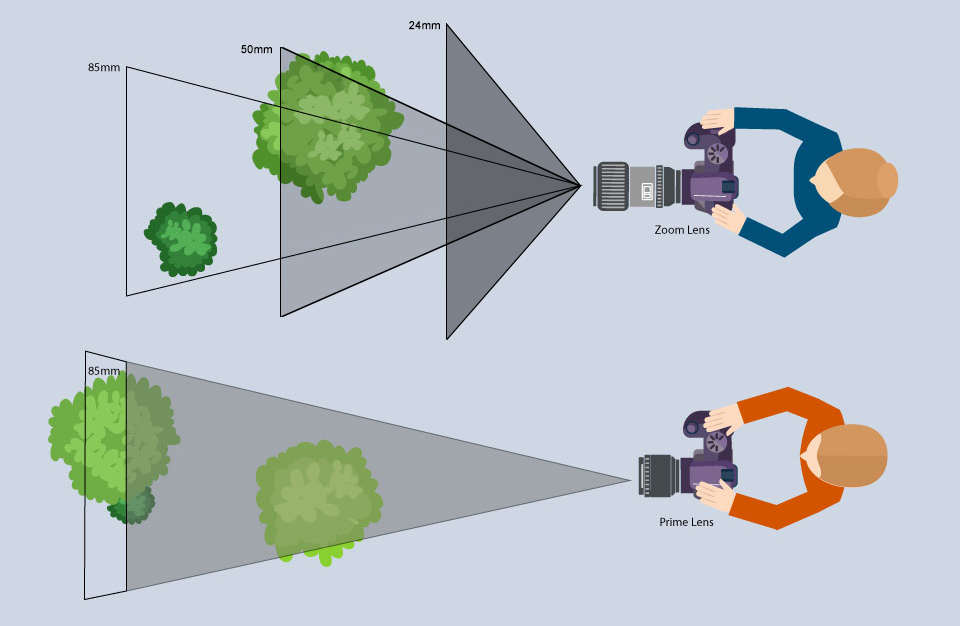
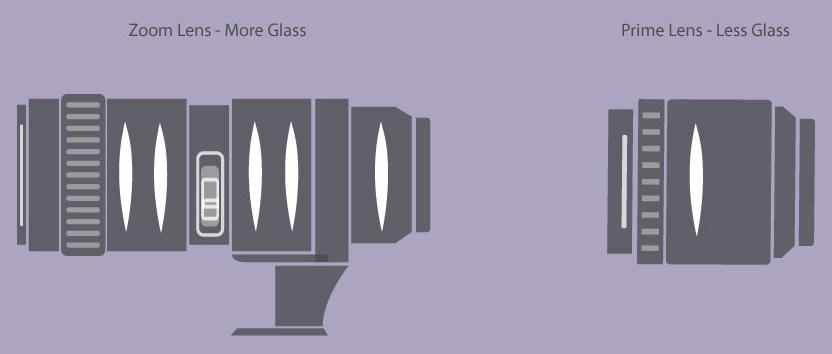
Prime lenses almost always have better optical quality than zooms of the same focal length neighborhood, but today's zooms are very good and always improving to the point where fewer and fewer photographers carry prime lenses anymore. Zoom lenses almost always contain more glass elements than a prime lens, and the more glass that light has to pass through, the more chances are that the light is degraded in some way.
The largest single benefit of the zoom is the versatility: the photographer can stand in one place and frame the image in the viewfinder, or on the LCD, by zooming in or zooming out from a subject. With a prime lens, either you, or the subject, may have to move to compose the shot you envision.
The biggest benefit of a prime lens, aside from optical quality, is the fact that many have larger light-gathering power than their zoom brethren. A larger-aperture lens allows a given camera to photograph in less light than one with a smaller aperture, such as those common to zoom lenses. The secondary benefit is that they are usually lighter and smaller than zoom lenses.
The Nifty Fifty
There is an old-school philosophy that suggests that, if you want to learn photography, your first lens should be a “standard prime.” While times have changed, there’s some validity to this notion. If you’re not quite sure what you’ll be shooting, a 50mm lens, known as a “nifty fifty” is a great tool to learn with. After all, it had to offer something special to earn that nickname. We’ve covered this focal length at great length in One Lens to Rule Them All: the 50mm. We obviously can’t tell you what to buy, but we will tell you that a solid, high-quality, wide-aperture 50mm lens is a great addition to your bag.

On a full-frame camera, the 50mm is perfect for many photographic tasks: travel, landscape, portrait, group shots, among other areas. On a camera with a smaller sensor, the 50mm is still versatile and, for portrait work, it is superb.
The other good news: You can easily find a 50mm f/1.8 lens that will not require pawning your inheritance. A top-tier 50mm f/1.4 lens will set you back a lot more, but some people prefer the extra light-gathering capabilities of the larger aperture. Remember, you can always buy used as well!
Why carry a 50mm f/1.8 lens in my camera bag? Well, there are several reasons. It is small, light, and unobtrusive. The large aperture makes it the perfect lens for handheld low-light photography. And it is one of the sharpest lenses available. Its size, paired with its exceptional light gathering ability, make it our go-to for night photography as well.
Landscape Photography
Yes, you can use standard and telephoto lenses for landscape work, but many of the masters of photographing landscapes produced their art with a tried-and-true wide-angle lens. Many photographers just starting out in the world of photography are drawn into the magic of the telephoto—reaching out farther and farther to capture that distant object or scene. However, some of the best-known landscape images of our time were created with relatively inexpensive and compact wide-angle prime lenses.
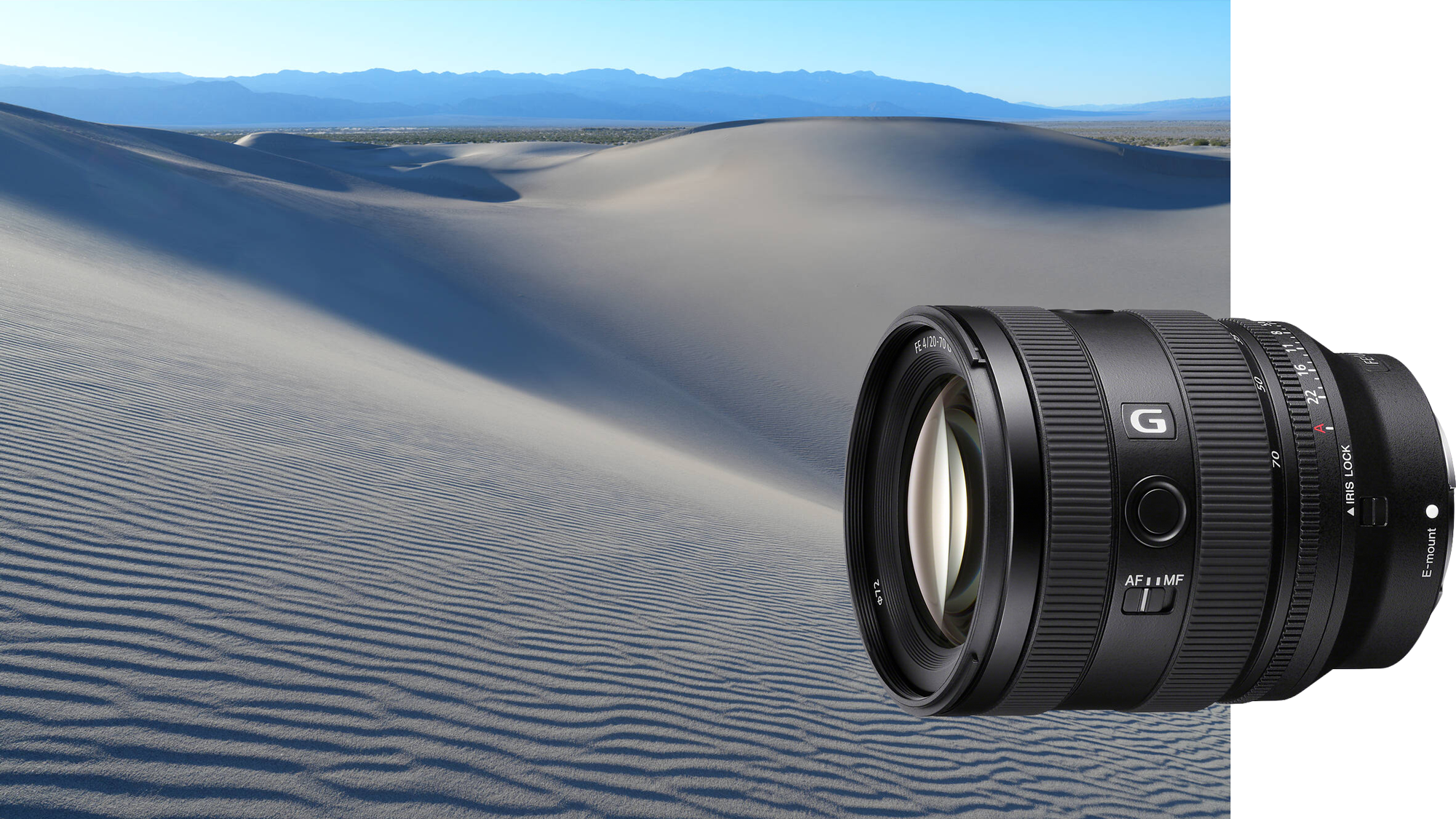
The late, great Galen Rowell was a big fan of his Nikon 20mm and 24mm. The versatility of a wide-angle lens extends past landscape photography, as it also makes a great travel companion to your favorite town or city. For an even wider perspective, many brands offer a 16mm prime as well, though there’s no shortage of versatile zoom lenses in this range either.
Street Photography
The popular genre of "street photography" is as popular now as ever. When we think of street photography, our first thought may likely be that of the legendary Henri Cartier-Bresson, the undisputed master of the genre. What did he use for the vast majority of his images? A Leica rangefinder camera and a 50mm prime lens, but we already covered this focal length above.
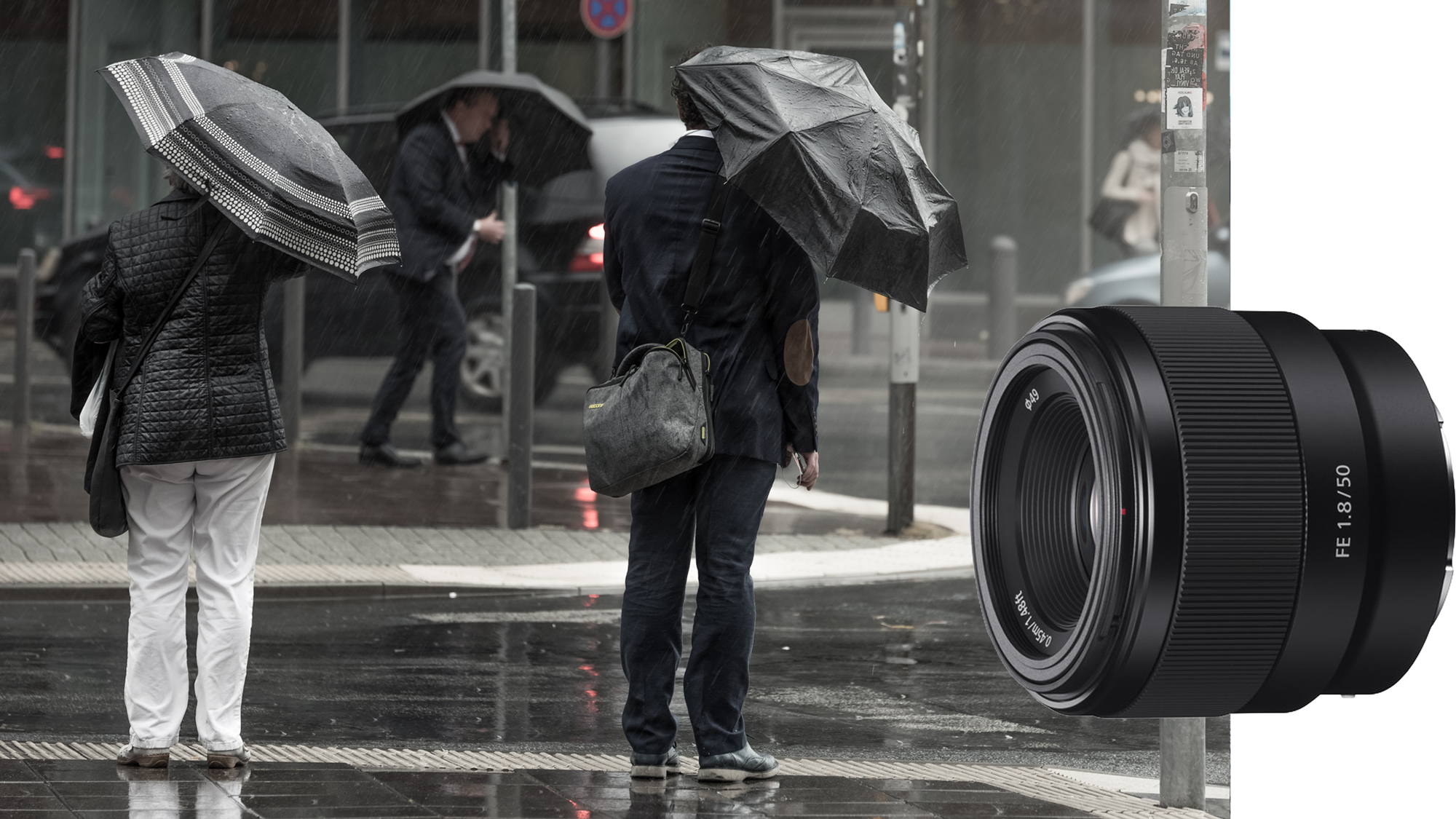
Other artists in the street photography field prefer a 28mm or 35mm lens due to the wider perspective they provide. Another thing to consider if you want to blend into your surroundings when looking to make photographs on the street is your physical presence. A 50mm or 35mm prime lens is a fraction of the size of many wide-to-normal zoom lenses, which will allow you to slip in and out of scenes with greater ease and capture your chosen moments with more stealth.
Sports and Wildlife Photography
In-your-face sports photography is the domain of the telephoto lens. Watch any professional sporting event and you will see armies of photographers on the sidelines wielding enormous, heavy, expensive lenses. If you are going to be a professional sports photographer, by all means, get the best and biggest lens that your budget allows, but for most of us, the occasional action of a little league baseball game or outdoor kids’ soccer tournament is a more likely photographic scenario.
If your camera came with a two-lens kit, chances are you can reach out to 200mm or 300mm, depending on the maximum focal length of your longest lens. Many pro sports photographers are likely working the sidelines with lenses that range between 200mm and 400mm. That means you are reaching just as far onto the field as many of the pros with their huge lenses. The difference is that their larger optics allow more light to enter the camera, enabling them to shoot at faster shutter speeds while simultaneously reducing their depth of field to better isolate subjects from the background.
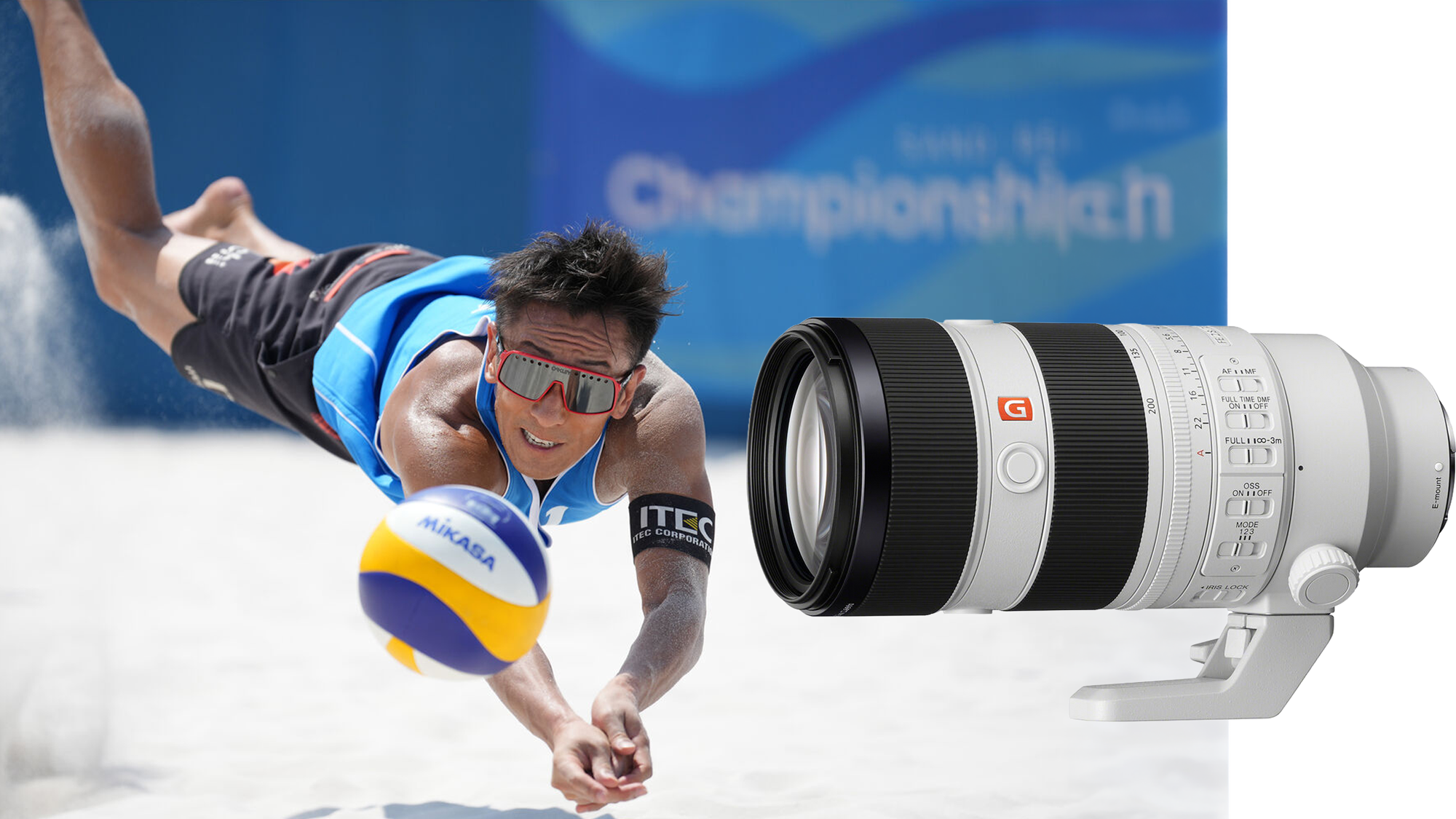
Wildlife photographers share many needs with sports shooters, requiring longer focal lengths and greater light gathering abilities. Where they differ is the amount of reach needed. Wildlife photographers need as much reach as possible, using lenses with a range up to 600mm or more. In order to achieve even greater focal lengths, photographers often turn to teleconverters, which magnify our images, producing an effectively longer focal length.
The price tag of a large "professional" telephoto lens makes most of us cringe. However, there are more economical solutions that will allow you to improve upon your telephoto kit lens without breaking your wallet. Still expensive, but not when compared to their f/2.8 cousins that cost around four or five times as much, the 300mm f/4 lenses offered by many manufacturers are sharp, fast, and much more portable.
Another outside-of-the-box option is the classic mirror lens. Mirror lenses are not great for low-light shooting, since their maximum apertures are usually in the f/5.6 - 11 range, but, for extreme telephoto and very good portability, they cannot be beat. Just be sure to read up on them so that you are familiar with the benefits and drawbacks of mirror lenses. The mirror lens represents a relatively inexpensive way to get into super-telephoto imagery.
Portrait Photography
One of the most common needs among camera owners is a good portrait lens. They say we photograph what we love, and for many, that’s our friends and loved ones. Considering some of the characteristics of other lenses mentioned in this article, what are we looking for in a portrait? We’re likely imagining a well-defined subject against a blurry background, and do we have good news. The classic portrait lenses offer just that.
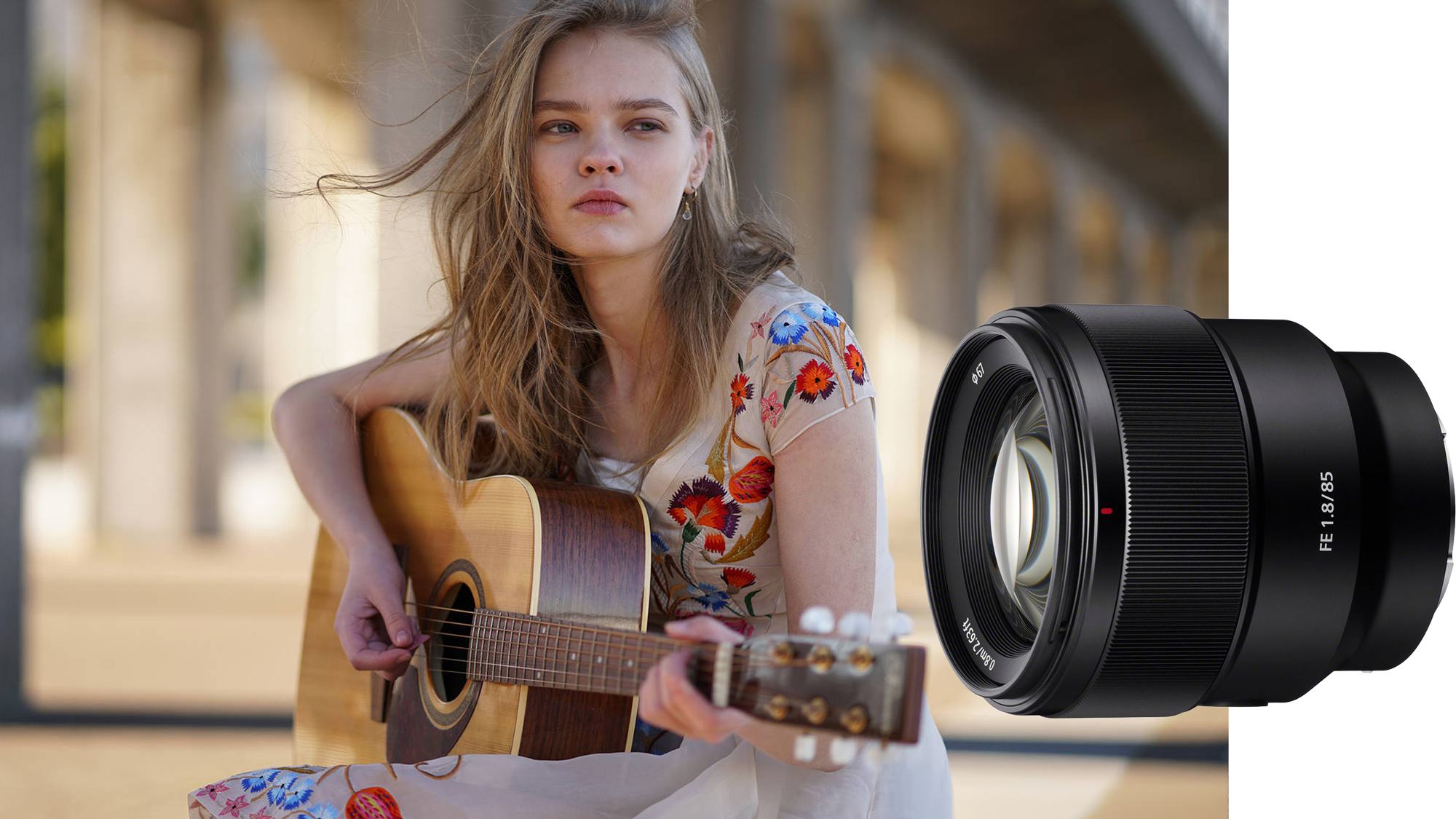
The standard for portraits has always been the 85mm lens. Prime lenses between this and the 105mm focal length are staples for many portrait photographers. Like the price-point differences between the 50mm f/1.8 and f/1.4 lenses, the same economics apply to your choice of portrait lenses. Many manufacturers make 85mm lenses with f/1.8 and f/1.4 maximum apertures. You will likely find that the quality is almost indistinguishable, but, again, some prefer the slightly greater light-gathering capabilities of the f/1.4 lenses.
Some photographers have even turned to zooms in this category. This comes as a direct result of innovative lenses that have recently hit the market. Whereas a zoom lens traditionally was locked to a maximum aperture no greater than f/2.8, these newer optics are designed with f/2 and even f/1.8 apertures, providing the subject isolating depth of field we desire with the versatility of a zoom.
Architectural Photography
When you tilt a camera up or down from the horizon, distortion occurs. Think of the way lines bend and converge and you’ll get the picture. When you are photographing buildings, distortion is generally unwanted. With today's powerful software, many photographers have access, with a few clicks of a mouse, to some amazing geometric corrections to their photographs; however, if you want to straighten the geometric lines of a building in your image before you open the shutter, you will need to acquire a perspective shift lens or combination tilt/shift lens. The advantage is that you are bending the light entering the camera and not "stretching" pixels in digital postproduction.
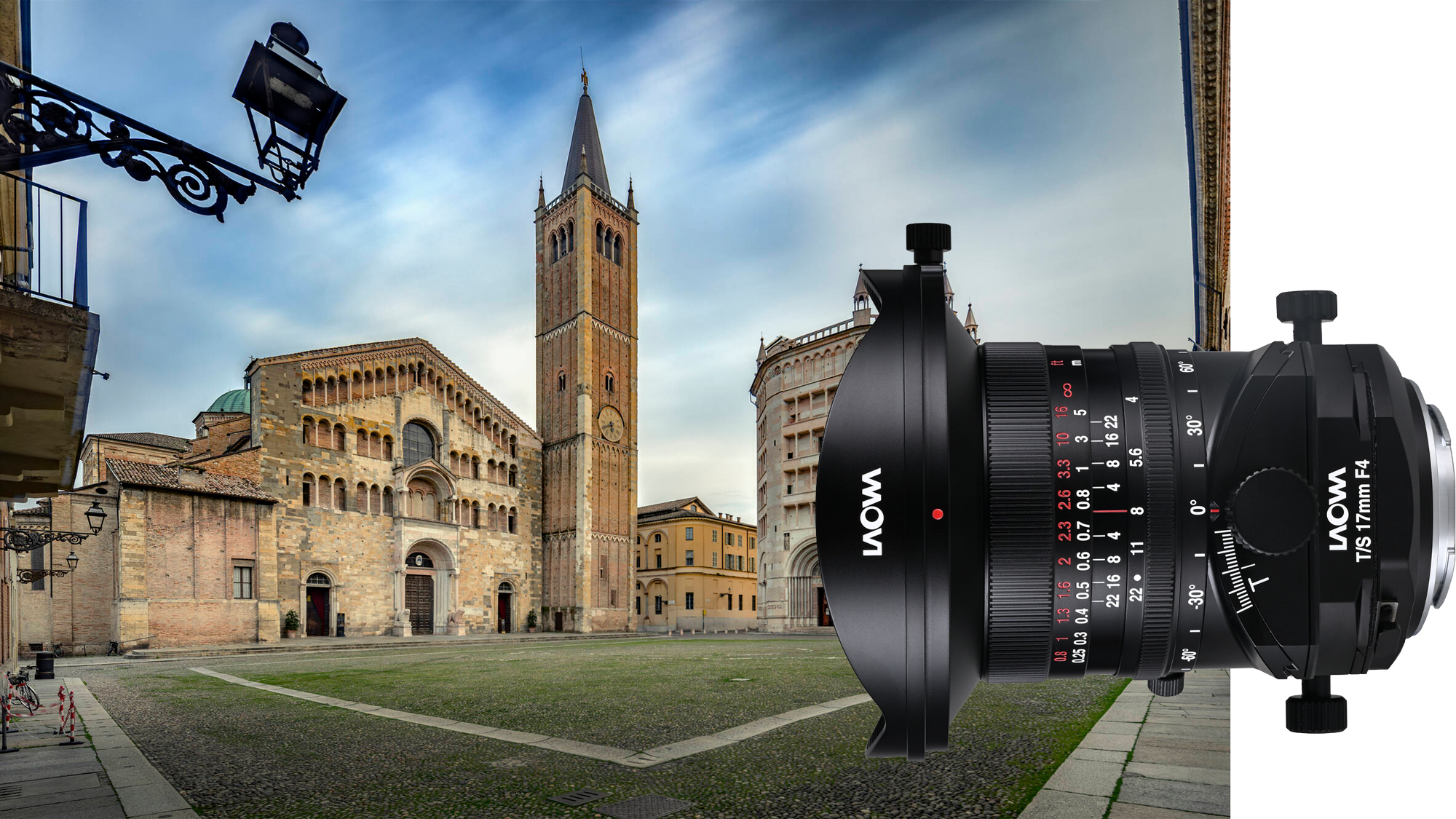
Tilt/shift lenses from major lens manufacturers have never been inexpensive; however, several third-party lens makers now produce lines of relatively inexpensive tilt/shift lenses to meet the needs of budding architectural photographers.
Close-Up Photography
If you, when walking around with your camera, keep seeing the world in a smaller and smaller frame and find yourself wishing you could get closer to small objects, a macro lens is in store for you. A macro lens is a lens designed specifically for close-up photography and it allows the photographer to get very close to a subject to reproduce it, in the image circle, at life size.
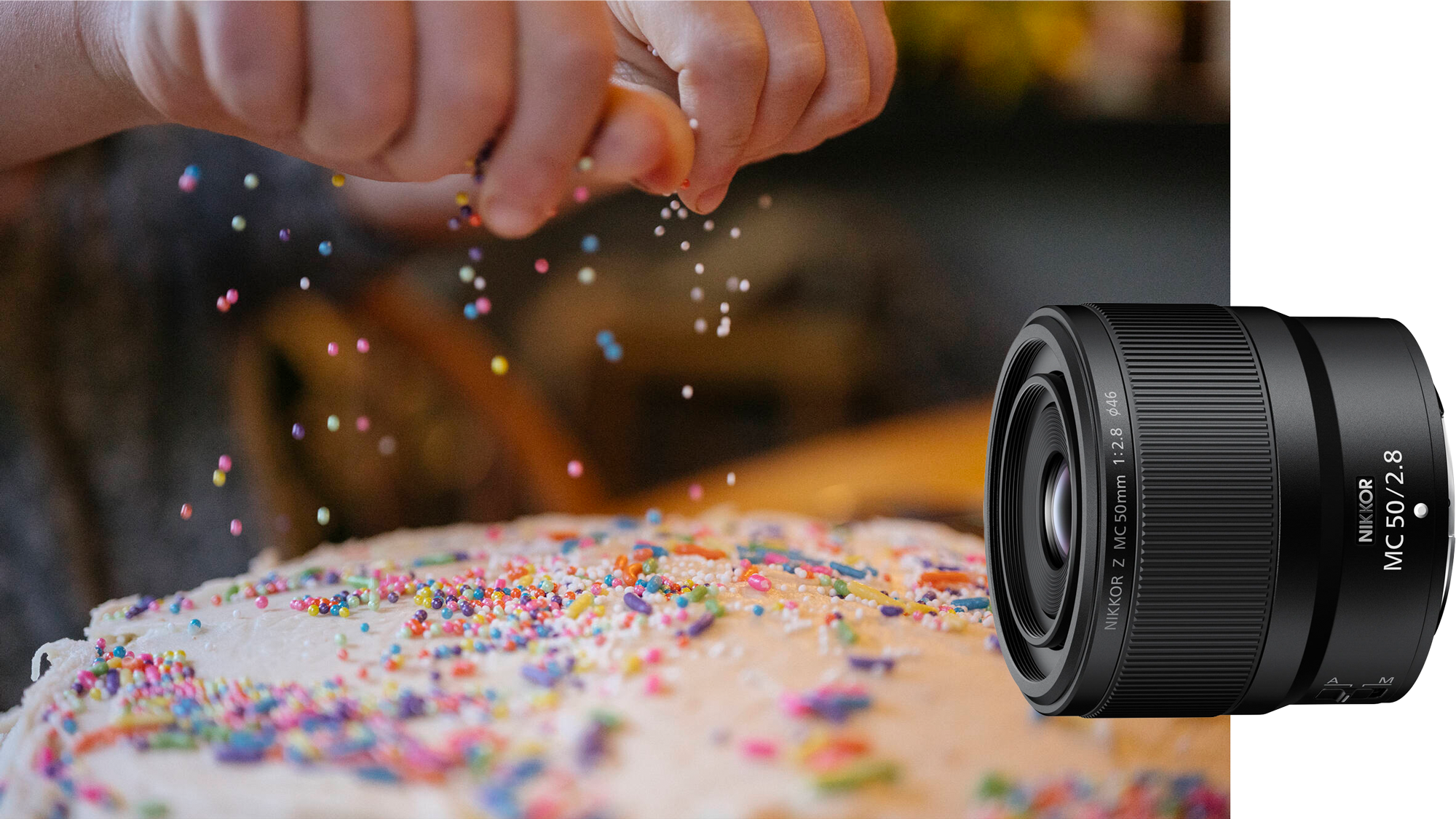
Kit lenses are generally not well suited for macro photography, and this is one genre of photography in which having the right gear might make all the difference between enjoying the photographic process, and pure frustration. But, even with a kit lens, you can certainly add different accessories to allow the lens to perform macro magic. See this B&H Explora article on ways to achieve macro photography.
Expanding Your Kit
If you’re getting passionate about photography and wish to improve your images broadly or within a specific category, adding a high-quality zoom or prime to your bag might just be what you need. If you know what you’re looking for from a lens, there are many benefits to upgrading, from better subject isolation and close focusing capabilities to distortion control and greater overall image quality.
As artists, we’re always learning. Never discount the benefits of a new tool in your arsenal and always be open to new ways of doing things. To learn more about lenses, either for a specific niche or for general use, check out our others guides, articles, and reviews on the B&H Explora page!
