
We’ve all tried to photograph something up close. This small-scale world fascinates us all, whether it be a stunning flower or a bumble bee crawling about, but our cameras can’t seem to focus as close as we want. So, what is a struggling photographer to do?
There are several ways to do close-up, or "macro" photography, but the macro lens is the easiest path to creating and capturing compelling, detailed close-up images of smaller things in our world. These are lenses designed specifically to have a very short minimum focus distance, and powerful magnifying capabilities for close-up photography.

In this guide, we’re going to take a look at some macro lenses. These are among the most popular or practical choices of lens from major brands, though there are too many to mention all of them here. Without any further ado, let’s take a look at some macro lenses.
Getting Started
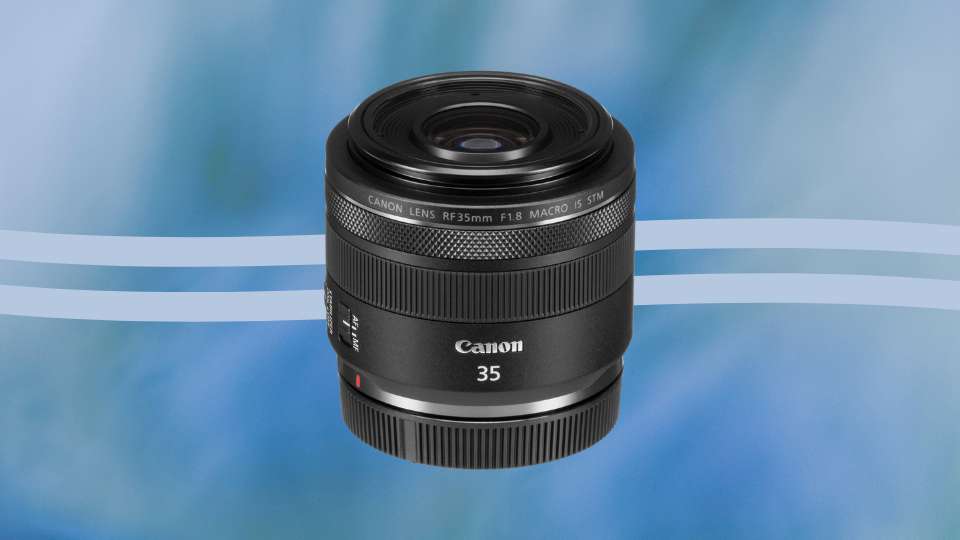
There are macro lenses available for almost every budget. For those looking to dabble in macro photography, these are some popular options. First up is the Canon RF 35mm f/1.8 Macro IS STM. This compact lens has a 1:2 reproduction ratio, meaning subject will appear half life-size when photographed. It also features IS, or image stabilization, which is essential when photographing subjects up close.
Another popular lens in this category is the Nikon Z MC 50mm f/2.8 Macro. An increase in focal length provides a slightly improved working distance, plus this lens has one more trick up its sleeve. This lens offers a true life-size reproduction ratio of 1:1 for greater magnification, though to achieve this feat, the lens barrel does extend slightly at its minimum focus distance.

While focal length plays a large role in isolating our subject, there are ways of sneaking in some extra reach. Mounting either of the above lens on an APS-C sensor will change our effective focal length, as the smaller sensor can only see the center of the lenses imaging area. This makes the 50mm Nikon appear to have a 75mm field of view.
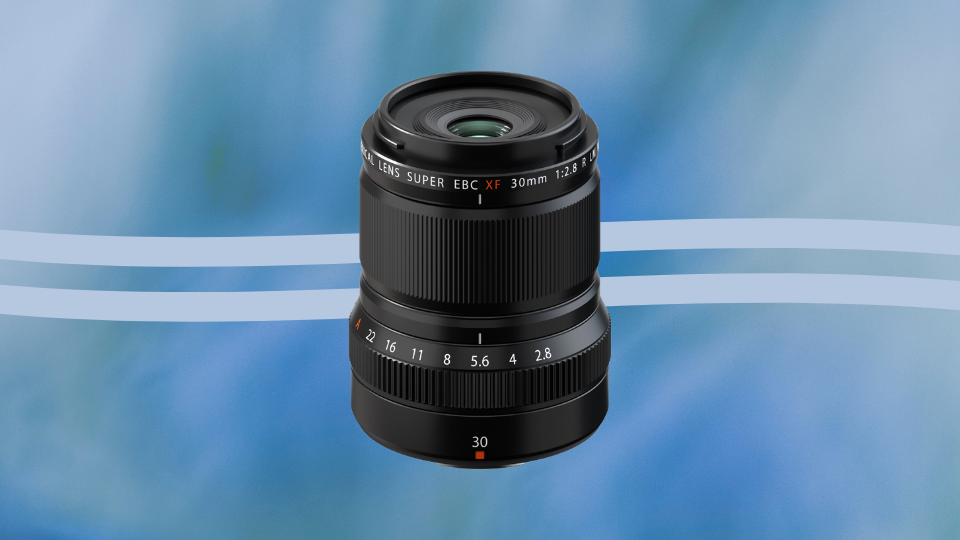
Some lens makers like Fujifilm, make primarily APS-C lenses for their X series cameras, so this added boost comes standard. For that reason, a wider focal length of 30mm has an effective field of view of a 45mm lens while maintaining a small, compact form factor. This is what makes the Fujifilm XF 30mm f/2.8 R LM WR such a desired lens. It offers 1x life-size magnification in a package that weighs less than half a pound!
It's worth noting that not every lens on this list offers image stabilization. While in body stabilization, or IBIS, is becoming more and more common in mirrorless cameras, not every camera has this. When all else fails, use a tripod! This is especially important as the lenses get bigger and the focal lengths get longer.
Greater Focal Lengths
You may desire more reach if you’re photographing insects and other small wildlife. With more focal length comes a greater working distance. This allows us to get life-size, or close-to life-size magnification without needing to get as physically close to our subject. Why? The closer we are the harsher the shadow we cast on our subject. Also, we run the risk of scaring any living critters we aim to photograph off.
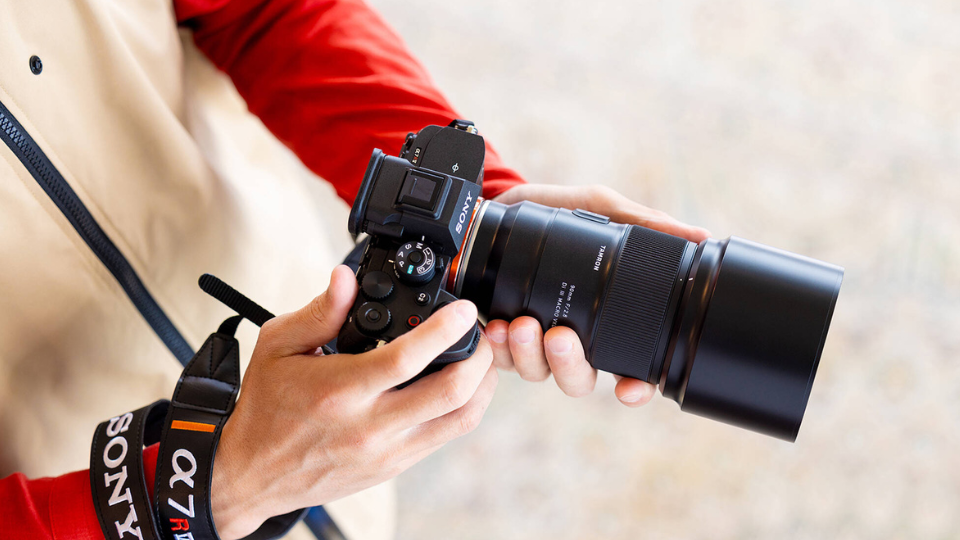
Longer medium telephoto lenses like the Tamron 90mm f/2.8 Di III VXD is a great solution to these problems. Tamron’s 90mm macros have long been a popular option for all matter of photographers, and their new mirrorless version continues to impress. The 90mm focal length paired with a 1x life-size magnification make this an excellent choice for those working with insects and other wildlife. Sony’s offers their own tried and true FE 90mm f/2.8 G OSS, which has long been the top of the line choice for the E-mount. That is until recently, though more on that shortly.
Canon offers an additional lens between their smaller and higher end options with the RF 85mm f/2 IS STM. While only half life-size magnification, this lens offers greater versatility. 85mm is one of the most sought-after focal lengths for portrait work, and it’s close focusing capabilities make it a great choice for wedding or event shooters.
Micro four thirds shooters benefit greatly from their cameras 2x crop factor. A lens like the OM System M.Zuiko Digital ED 60mm f/2.8 has an effective focal length of 120mm. The lens barrel also features an indicator window with scales for working at multiple magnification ratios, from 1:1 to 1:4 (1x-.25x)
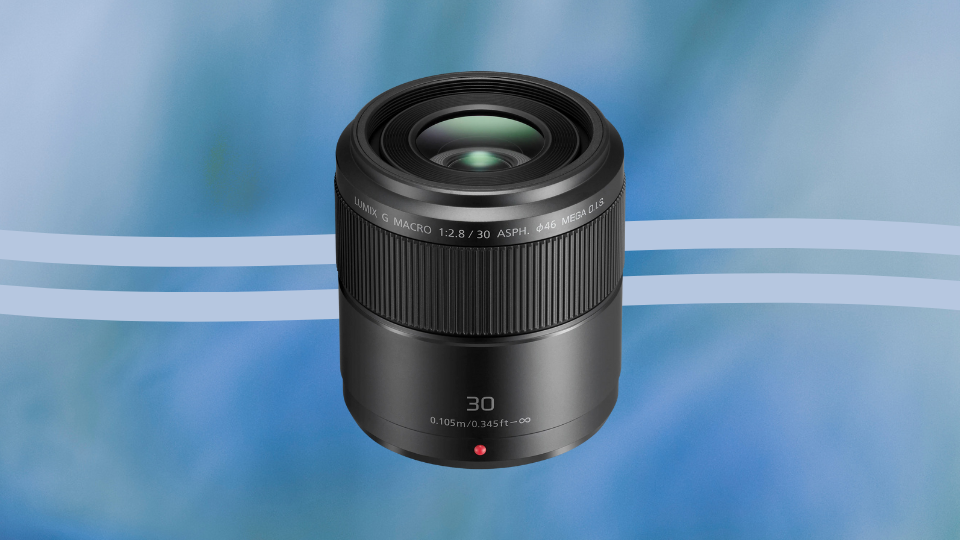
Due to the smaller sensor and crop factor, the magnification also effectively increases, giving us a 2x factor. The result is a powerful lens in a shockingly small body. Other micro four thirds lens that fit in this category include the Lumix G Macro 30mm f/2.8 ASPH MEGA O.I.S., which has the effective focal length of a true 60mm lens. Like the OM System lens above, the LUMIX also offers a 1x magnification factor, thought at an even smaller size.
Heavy Hitters
If you’ve been looking at macro lenses, you’ve likely seen one of the following heavy hitters. These are the leaders of the pack for their respective brands, and it’s no wonder why. They feature the best glass these manufacturers have to offer, flagship build quality, even longer focal lengths, and in some cases, greater magnification.

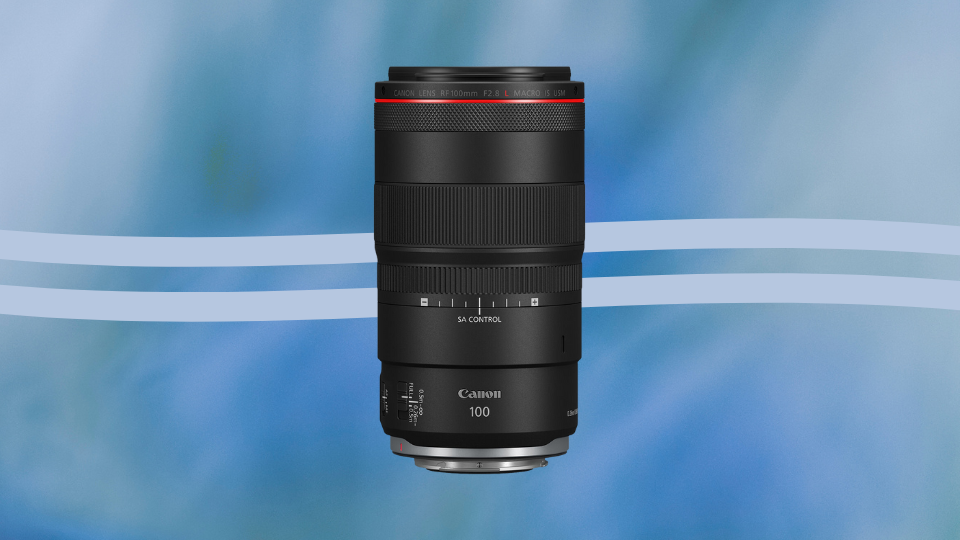
Canon’s L series has long been the posterchild for top quality glass. Identified by the instantly recognizable red ring at the front of the barrel, these optics are the perfect amalgamation of everything Canon has to offer. The Canon RF 100mm f/2.8L IS Macro is no exception. Improving upon its predecessor, this mirrorless lens offers a 1.4x magnification for even closer results.
A new addition to the lens is the unique SA adjustment ring, which controls Spherical Aberration. Essentially, this alters how the out of focus elements in our image are rendered. There’s no wrong or right way to adjust this. Experiment with this setting until you get the result that looks most pleasing to your eye.
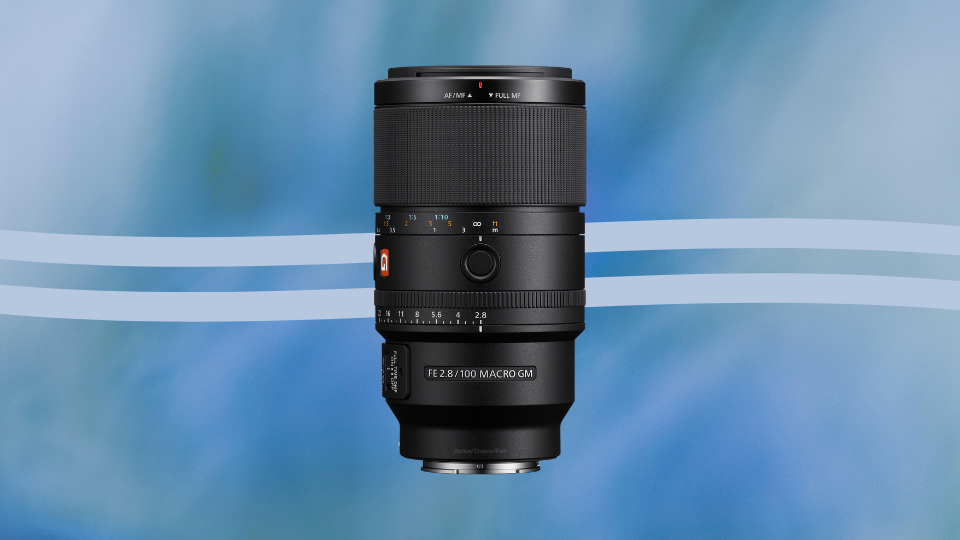
The latest addition to the E-Mount ecosystem is the Sony FE 100mm f/2.8 GM. This is the first G-Master macro lens the brand has to offer, and it has quite a few tricks up its sleeve to warrant the wait. First and foremost is it’s greater than life-size maximum magnification of 1.4x. Second would be its compatibility with teleconverters.
Surprisingly, many macro lenses do not work well with TC’s, and this is largely due to the physical design of these elements. That changed with the 100mm GM. With a 1.4x TC, magnification increases to 2x with an effective focal length of 140mm, and 2.8x magnification at 200mm with a 2x. Teleconverters also provide a longer working distance when not shooting at the lens’s minimum focusing distance.
Also fitting the Sony mount as well as the L-mount is the Sigma 105mm f/2.8 DG DN Art lens. Something this lens, as well as the Sony G-master, offers is a de-click switch on the aperture ring. This feature more so benefits video shooters by providing smooth transition between f-stops as opposed to the harsh clicks between them as typically seen.
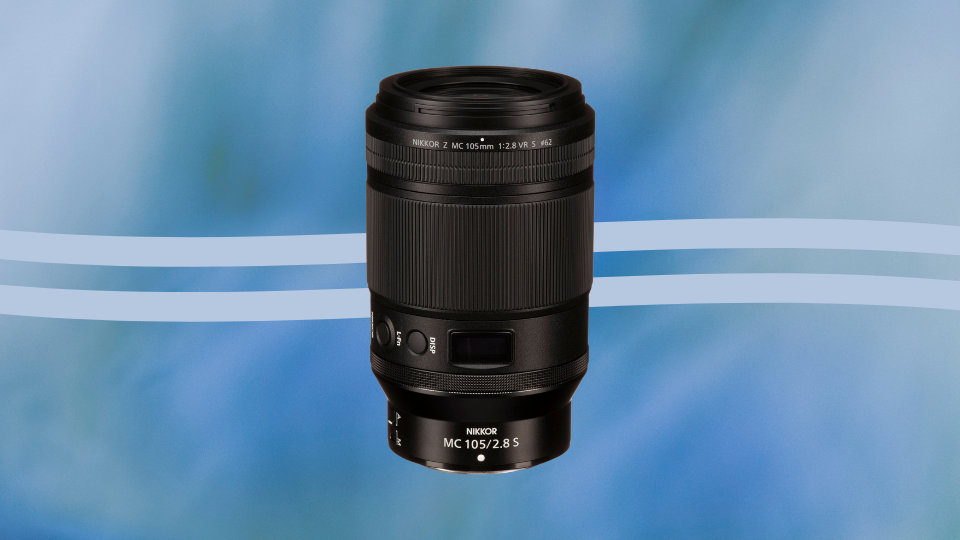
Nikon also updated their previous 105mm f-mount macro with the NIKKOR Z MC 105mm f/2.8 VR S. The lens offers a 1x magnification with elements optimized for all lighting situations, including backlit scenes. The addition of a control ring gives users the ability to control settings from the lens itself, much like the aforementioned Canon lens. As will all full frame lenses in this guide, you can mount them on an APS-C body for additional reach!
Speaking of reach, let’s check in with Fujifilm and see what they’re up to. The 30mm may have the weight and size savings, but at effectively 45mm, it’s comes up a bit short in some areas (pun intended). That’s why Fujifilm offers the XF 80mm f/2.8 R LM OIS WR lens. It has an effective focal length of 122mm and is compatible with the XF 1.4x and 2x teleconverters, which extends the focal length to 171mm and 244mm respectively.
When it comes to focal length, no native lens compares to the OM System M.Zuiko Digital ED 90mm f/3.5 IS PRO. Earlier in the guide we touched upon the 2x crop factor of Micro Four Thirds sensors, and you can probably guess where this is going. The 90mm focal length has a full frame equivalent appearance of a 180mm lens, and the fun doesn’t stop there.
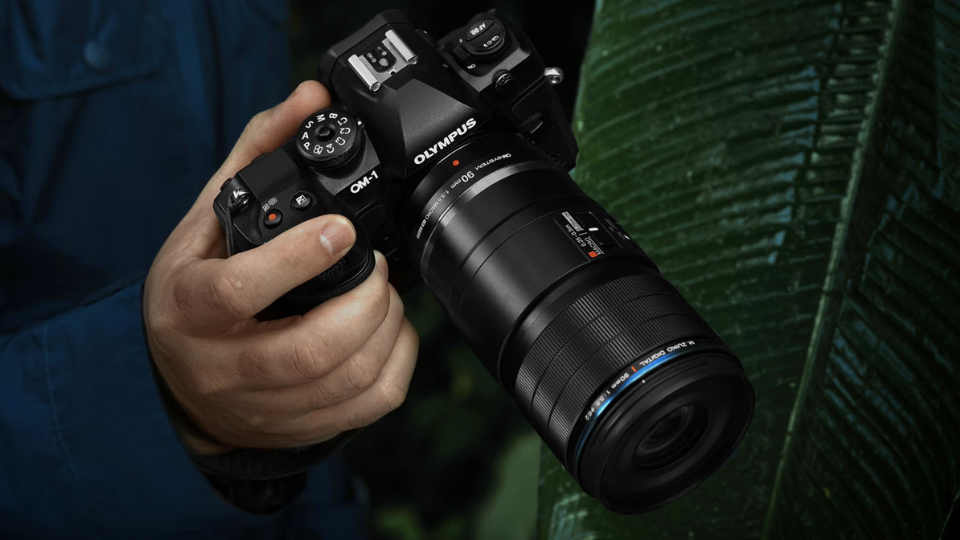
What really sets this lens apart from the pack is it’s greater than life-size 2x magnification, making it the perfect for capturing details of small critters and other intricate subject matter. When used with either the MC-14 or the MC-20 teleconverter, the effective magnification is increased to 2.8x and 4x respectively, making this one of the strongest autofocus macro lenses currently available.
Last for this category is the smallest 100mm full frame capable macro lens. While some of the aforementioned lenses offer greater magnification, none come close to size and weight of the LUMIX S 100mm f/2.8 Macro. This lens weighs just over 10 oz, making it nearly half the weight of other full frame macro lenses. A worthy option for any L-mount shooter.
Manual Focus
Autofocus has made photography a more accessible hobby, but there’s still something to be said about the old ways. In fact, there are some cases, macro included, where manual focusing is better. With the current advancements of mirrorless tech holding our hands through the act of focusing manually, there’s no excuse to not use it.

Any of the lenses mentioned above can be used manually or automatically, and it’s up to you in the moment to decide what works best for that scenario. If you can, experiment with manual focus before you head out on any big adventures. Turn on focus assisting features like focus peaking to see how they work and how to implement them best in your work.
Now, we’re going to shift gears briefly to dedicated manual lenses. These are often less expensive than their autofocusing counterparts and tend to come in a greater variety thanks to the lack of electronic components limiting them. The 7Artisans 60mm f/2.8 Macro Mark II is an APS-C format lens available for nearly all major camera manufacturers with the exception of Nikon, as per the time this article is written.
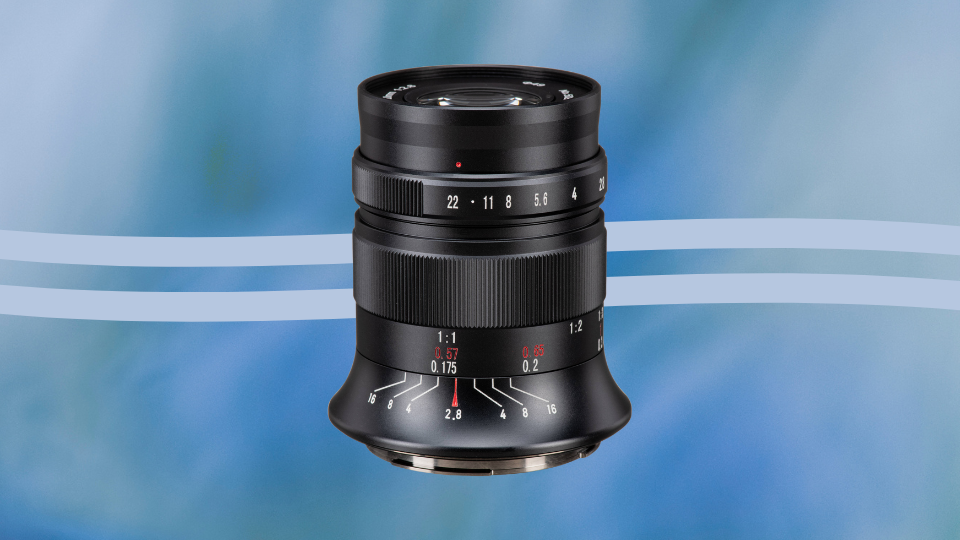
Fret not, as the TTArtisan 100mm f/2.8 Macro Lens delivers full frame coverage and a 100mm focal length. What this lens lacks in motors, it makes up for with magnification. Providing a powerful 2x magnification factor, the 100mm f/2.8 from TTArtisan is well suited for those looking to pace themselves. It also is equipped with 12 aperture blades, which aid it in creating smooth, buttery backgrounds.
One of the more impressive lenses available today is the Venus Optics Laowa 25mm f/2.8 2.5-5x Ultra Macro Lens, which is available for Canon RF, Nikon Z, Sony E, and Leica L mounts. The slim, compact design makes this lens easier to handhold when there is sufficient ambient light, though the working distance allows the use of lights.
Wide angle macro lenses are becoming more common, and the results can be truly something. These are no easy lens to master, but with a tripod and some practice, you’ll be on the way to capturing some unique images. The Venus Optics Laowa 15mm f/4.5 Macro is among the most popular, coming in mounts for Canon and Nikon DSLR, as well as Mirrorless mounts with Sony and L mount available as well.

Finally, in our manual category, is an unusual lens for sure. You’ve likely seen or at least heard of probe lenses at this point. They’ve been on the market for some time now, and they deliver a unique look to your images as well as to the photographer taking them. Introducing the AstrHori 28mm f/13 Macro Probe Lens.
The lens features a 360-degree rotating base and a 90-degree tube for multiple perspectives, which makes the lens ideal for fitting into those hard-to-reach nooks and crannies a camera lens combo just can’t reach. A 2x magnification factor and waterproof front lens barrel make this the perfect choice for those looking to head out into the elements.
Great Used Buys
Buying used is a great way of acquiring top level glass on a budget. As you may know, the B&H Used Department has quite an assortment of pre-owned gear available, and our ever-revolving inventory is full of surprises. Speaking of, if you find one of the following beauties on the market, we can’t recommend them enough.
Available for both Nikon F and Canon EF mounts, the Tamron 180mm macro lens is a fantastic, budget friendly method for getting super tight shots of small subject matter. The 1:1 magnification ratio delivers life size results for optimal detail and frame filling capabilities. The included tripod foot is also essentials, as this longer focal length is quite a challenge to handhold. Tripods are a must, but then again, shouldn’t they always be?
The Sigma 150mm f/2.8 APO EX DG OS was a standout in its day as 100mm focal lengths had become the standard by this time. That said, this unique feature didn’t necessarily make it a smash hit. 150mm just wasn’t a focal length, many go out of their way to shoot. The benefits of that extra reach come in the ability to shoot from farther away and the exceptional portraits it can make.

A true classic. The Nikkor 200mm f/4D IF-ED lens is a unique options thanks to its incredible working distance. It offers a 1:1, life size magnification ratio at 1.6’, making it the ideal lens for insects and other living subjects from a comfortable distance. While it would be nice to see Nikon make an updated version of this lens for the Z mount, we’re perfectly happy adapting this beauty over in the meantime.
Believe it or not, there’s still one lens left—and it’s the macro lens to end all macro lenses. The Canon 65mm f/2.8 MP-E is legendary among macro shooters as it allows users to achieve anywhere from 1-5x magnification. This lens is fully manual and doesn’t even have a focus ring. To focus the lens, you must physically move the camera forwards and backwards. This lens greatly benefits from macro accessories like an adjustable focusing rail system.

As you can see, there’s quite a variety of macro lenses available, both new and used. If you want to learn more about macro photography, check out the other articles, guides, and reviews on the B&H Explora page!
