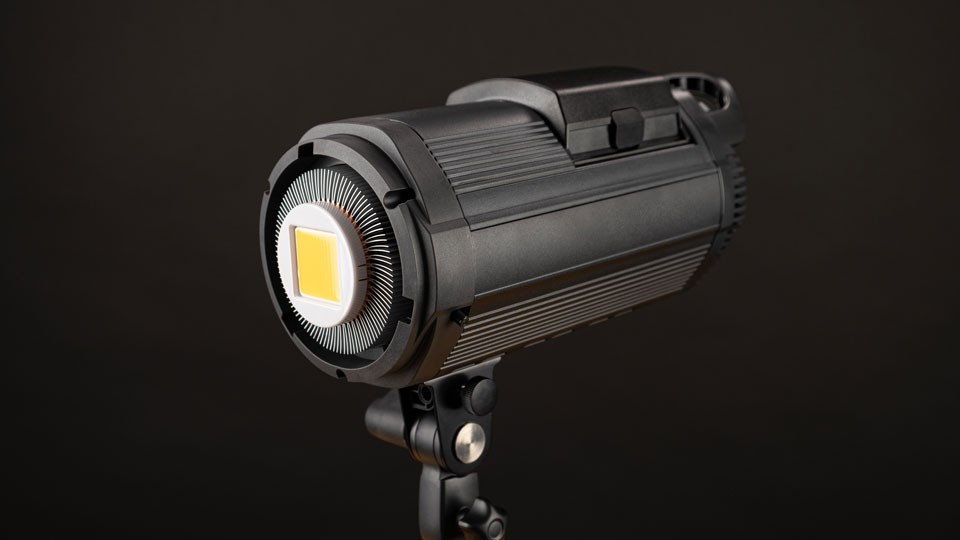
Subject and style may vary, but consistency is a quality shared by all successful photo studios. When working indoors, that begins with lighting. Strobes remain the bread and butter of many still photography studios. Unlike natural light, which can be finicky and unpredictable; on-camera flashes, which are not typically designed for studio use; or continuous lights, which can become costly as output increases; strobes are built to withstand the rigors of studio life while providing flexible and powerful light. But with so many options on the market, how do you decide which is right for you? The following guide covers which features and specifications to consider when choosing your first light.
A word of advice before getting started: there is a temptation to prioritize quantity over quality when it comes to lighting—don’t succumb to this urge. Get the best light that your budget will permit and allow your kit to grow organically. It is much better to have one ride-or-die light than three bargain lights that cannot be counted on. Read reviews, go to the B&H SuperStore and try different units, or rent before buying. Lighting is as important as your camera and lenses; treat it that way.

Power
The first thing to consider is how much power you need from your light. For monolight strobes, power is usually described in “watt-seconds,” (Ws) which here is the maximum amount of energy that can be transferred and stored into the flash circuit. It does not directly describe the light’s maximum output, which can be impacted by several other factors in the unit’s design or your lighting setup, but as a rule-of-thumb (especially among lights made by the same manufacturer), doubling the Ws translates to an extra stop of light.
Practically speaking, these extra stops of light will afford you more versatility when you shoot. Monolights have increasingly become the lighting option of choice for controlled light outside of the studio, and more light will aid in scenes that require overpowering bright ambient light when shooting outdoors or even saving battery life and extending use by not shooting at the strobe’s maximum output all the time. Introducing large modifiers into your setup, lighting larger groups of people with more depth of field, or bouncing the light to fill a room all benefit from the extra light.
Options range from modest 100Ws fill lights to monstrous 6000Ws heads that require separate power packs. For most purposes, a unit in the 300-600Ws range will serve as a solid starting point. It is better to err on the side of more than less. You can always find ways to further diffuse a light source, but generating additional light may require divine intervention—or another trip to the store. Note how much control the model you are considering offers. Most new lights can be adjusted by fractions of stops so you can refine output precisely for a given exposure.
Speed
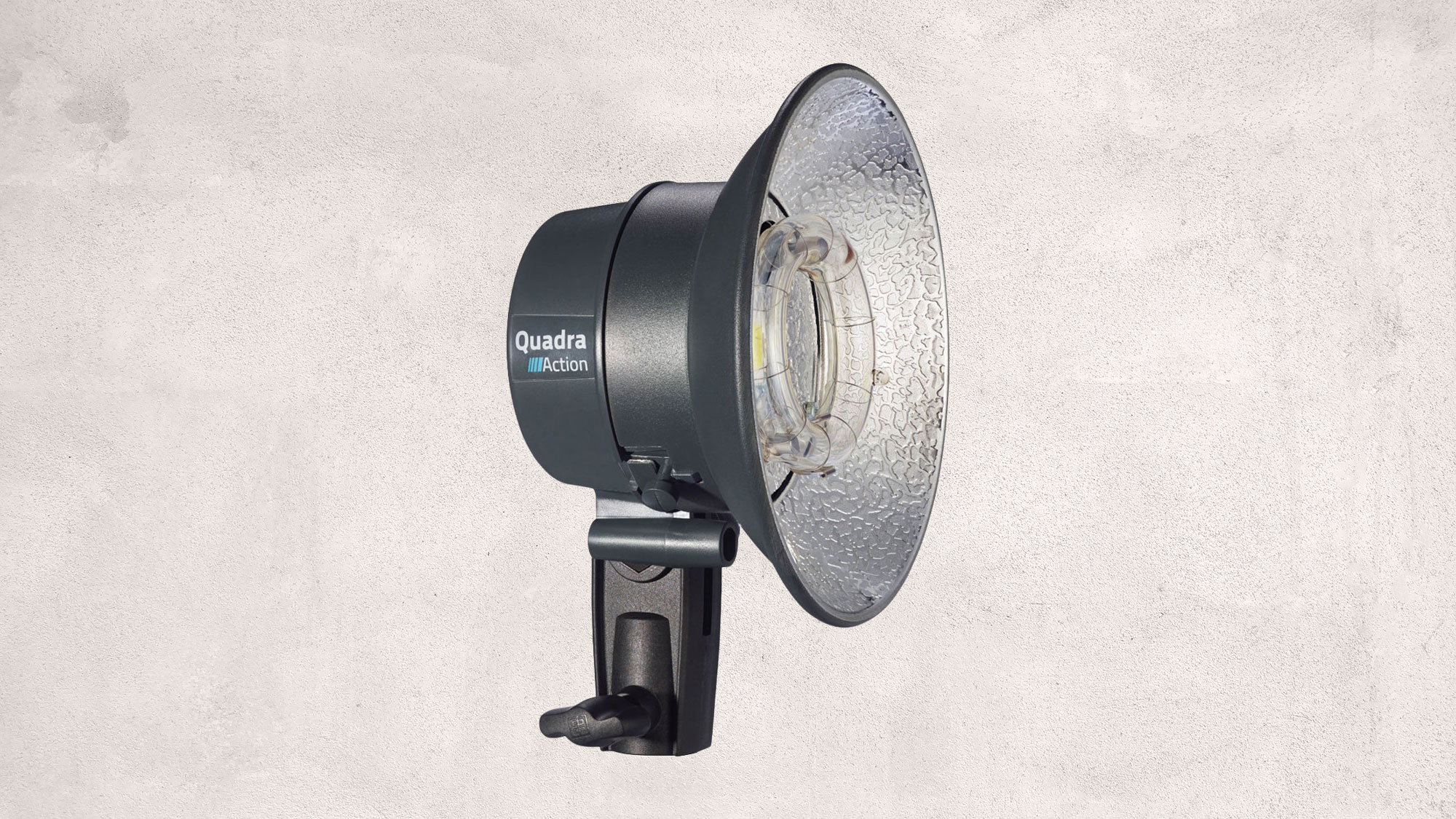
The next thing to think about is speed, or how many flash pops you can achieve in a given time frame. The features to look for here are recycle time, High-Speed Sync, and flash duration.
The strobe’s recycle time describes the amount of time a unit requires to fire again at the unit’s maximum output. As a matter of speed, recycle time is most impactful when shooting portraits and milliseconds are the make-or-break point for capturing the subject’s perfect facial expression. Generally, shooting at below the maximum output will decrease a unit’s recycle time, but with lower-output strobes it won’t take much modification before you find yourself leaning on a unit’s full power.
High-Speed Sync modes provide a go-around for cameras with focal-plane shutters, which have a maximum shutter speed for use with strobes (around 1/200s, but differs based on camera model). This makes it difficult for these cameras to reduce the ambient light when shooting outdoors (with higher shutter speeds) while still maintaining wide apertures and low depth of field. The HSS feature converts the unit’s output from a single flash pop to a series of pulses, turning it into something like an abbreviated continuous light. Keep in mind, this feature does significantly reduce the unit’s effective output as you increase the shutter speed, benefitting use with more powerful strobes.
Finally, flash duration is the speed variable that has the greatest impact on “stopping power,” or the ability of the light to freeze action at high-impact moments. Minimizing flash duration affords photographers the ability to create the kinds of action-portraits you see on the walls of fitness centers as well as the ever-popular genre of splash photography. To do this, many monolights offer a “freeze” or “action” mode that reduces the flash duration to up to 1/80,000s in some cases, but even at 1/10,000s you’re faster than the 1/8000s freeze-action shutter speed. In many designs, the shorter flash duration corresponds to a decrease in light output, meaning you’ll still be needing a bunch of power to get a good depth of field without maxing out ISO.
Portability
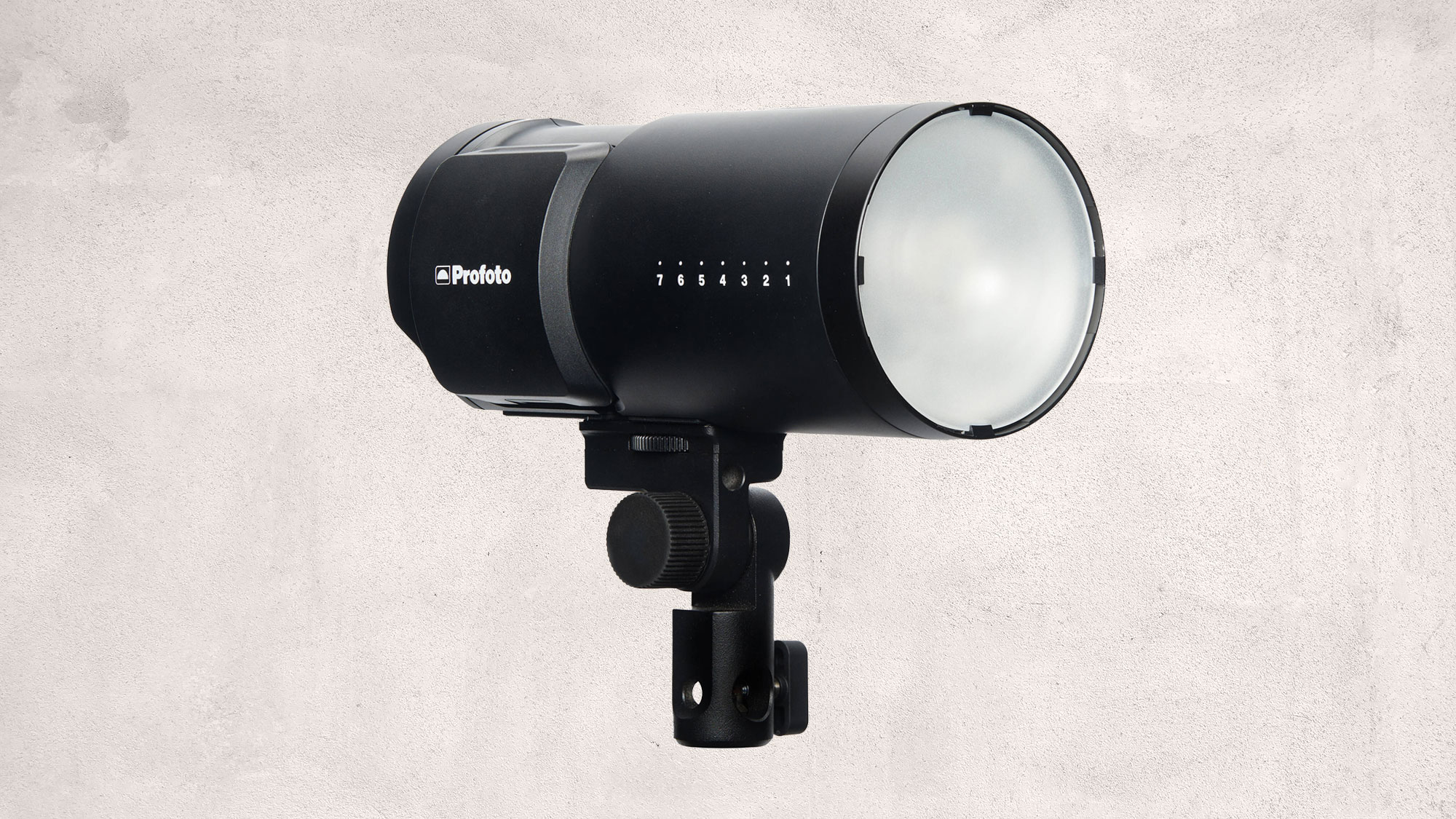
Do you need a light that can leave the studio with you? Do you have a tendency to trip over cords? If your answer is yes to either of these questions, go for a battery-powered strobe. If you are planning on being away from outlets for extended periods of time, make sure you either choose a light with long battery life or—better still, pick up additional batteries. Note the recharge time of your model and plan accordingly. This is no different from your camera—don’t be the photographer who has to stop shooting to wait for batteries to recharge.
Communication
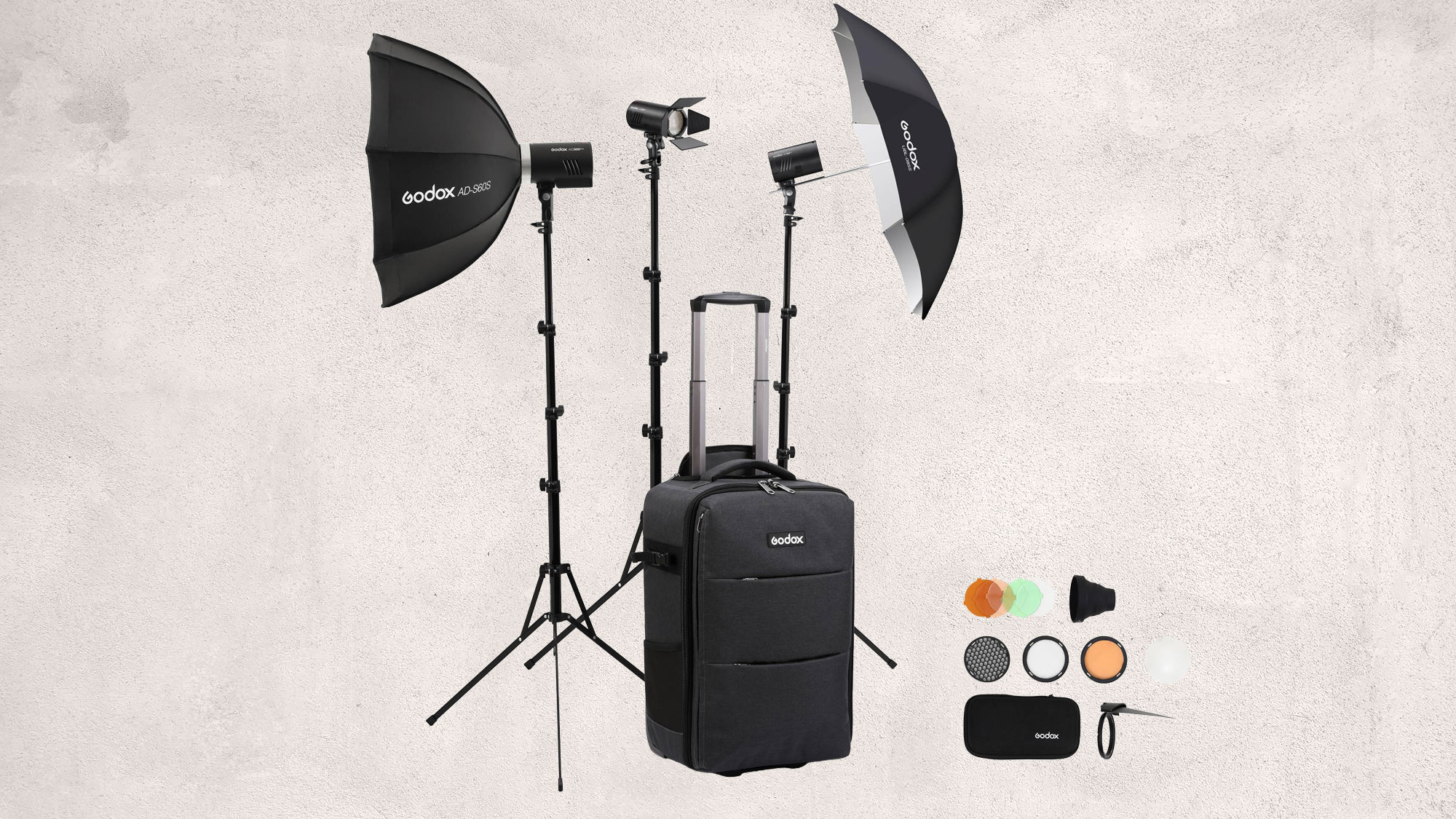
No matter which light you choose, you will need a way for your camera to trigger it when making an exposure. You can do so using radio, optical, or cable connections. A PC Sync Cord will connect analog or other older camera models. Radio transmitters are the most popular method with newer cameras since they eliminate messy cables and provide a more robust connection than optical triggering. Some lights can even be controlled using apps on your mobile device. To get the most out of your specific camera-light pairing, most manufacturers sell proprietary remotes tailored to different camera brands that expand functionality to include TTL and other options.
Modeling Light
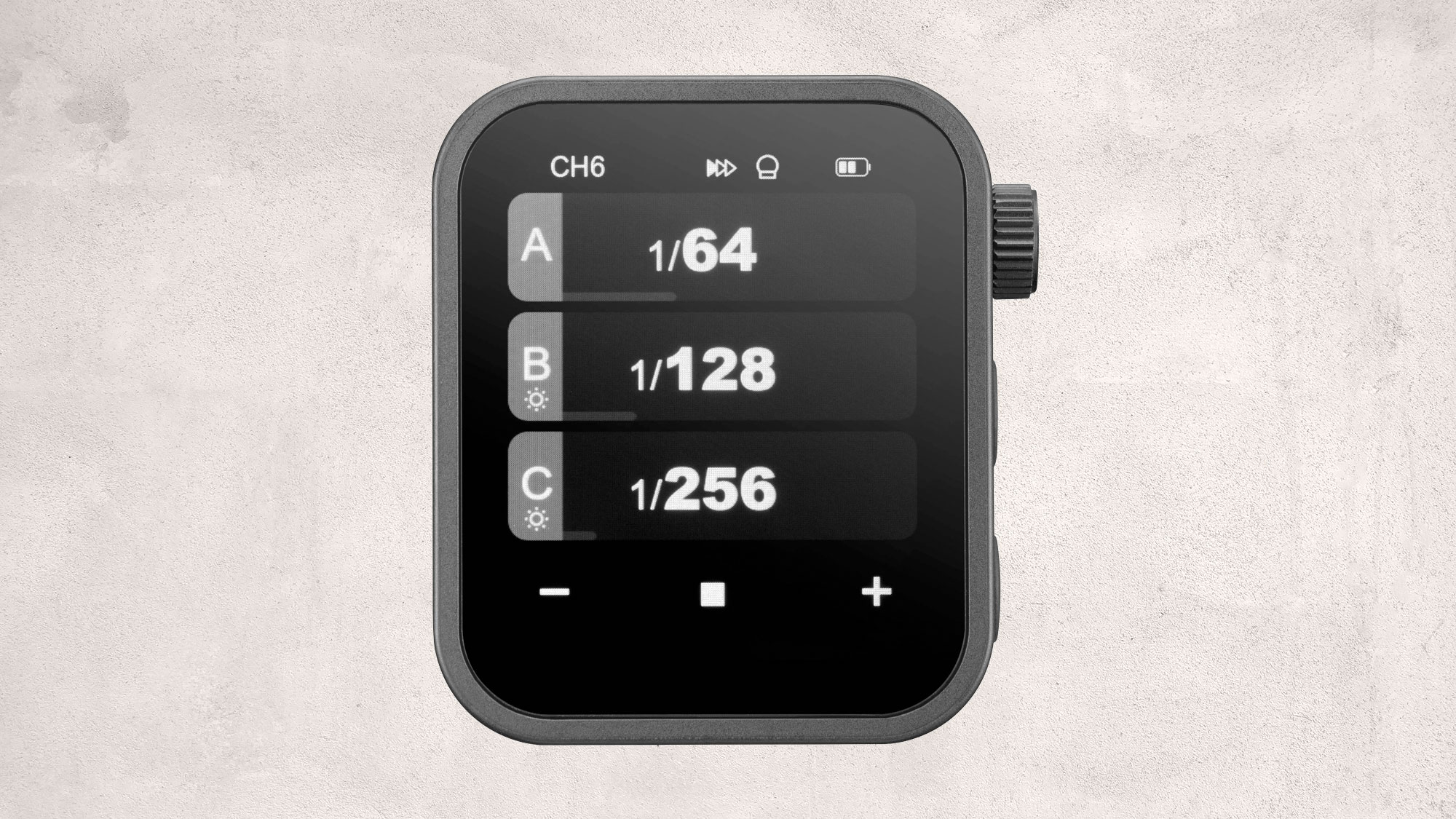
Modeling lights provide a helpful preview of how your light will affect your shot. Depending on their strength, they can also provide a continuous light source if you are in a pinch. LEDs are replacing tungsten modeling lights, providing the benefit of reduced heat and the possibility to control color temperature, in some instances.
Accessories
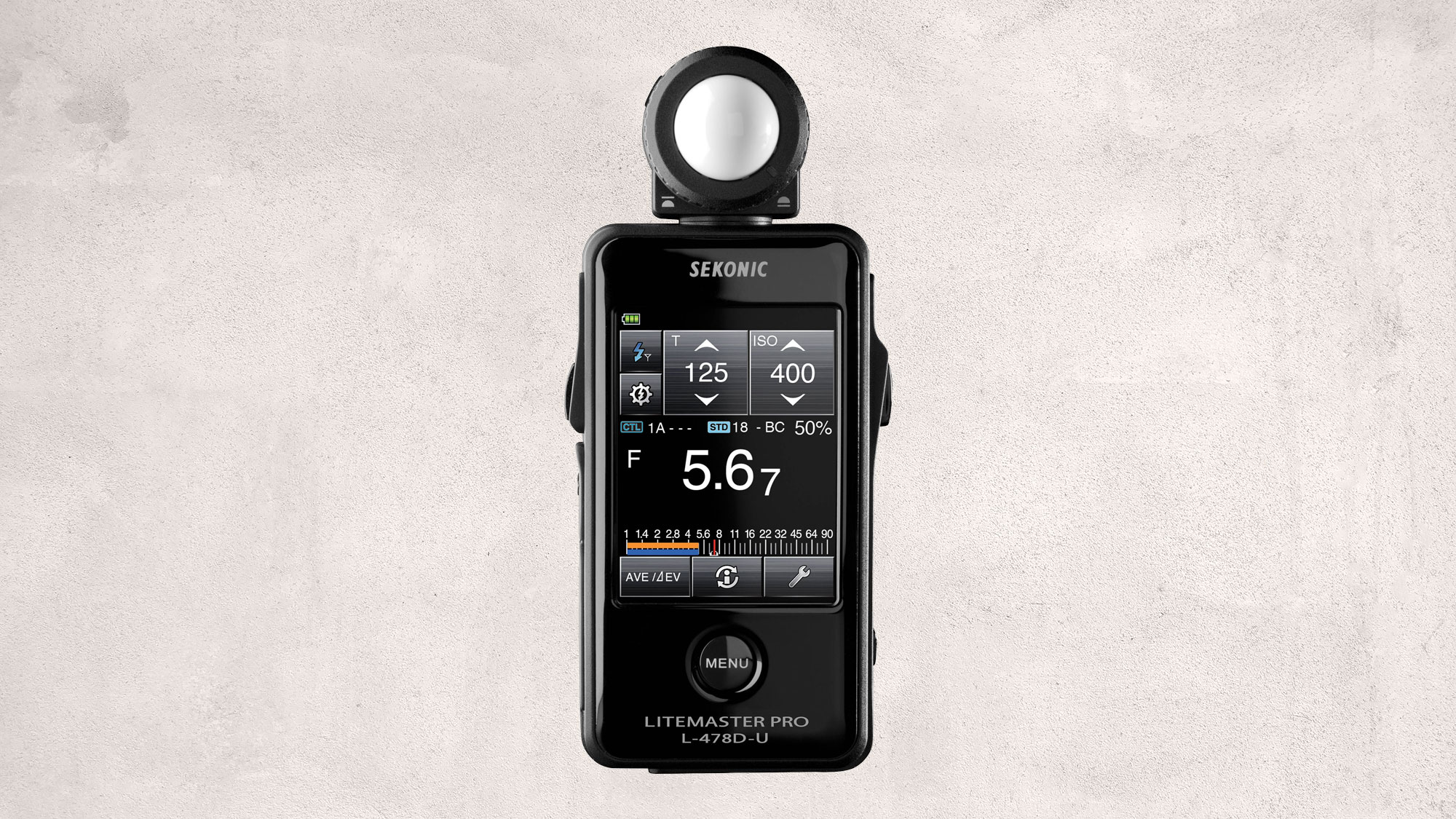
A solid light meter is an underrated but near-essential accessory that will go a long way in helping you balance exposures when working with your light, especially when balancing differing outputs in multi-light setups. Make sure to get a meter that can trigger your light.
Finally, once you have settled on a light, you should give some thought to modifiers. These light-shaping accessories allow you sculpt the light output in artistic and effective ways, controlling the output’s distribution in the frame. Modifiers like umbrellas and softboxes are the most common methods of diffusion. If you go the softbox route, don’t forget to purchase the appropriate speed ring to connect light to modifier. Reflectors and beauty dishes provide harder, directional light when necessary. Gels can be used to change the color of your light for creative applications. And, For even more information on shaping your light, take a look at our more comprehensive article on Choosing a Modifier for Portraiture.
For more information about monolights, flash photography, lighting setups, and more, be sure to check out other Explora articles, or speak with a sales professional via live chat, over the phone, or in our SuperStore.
