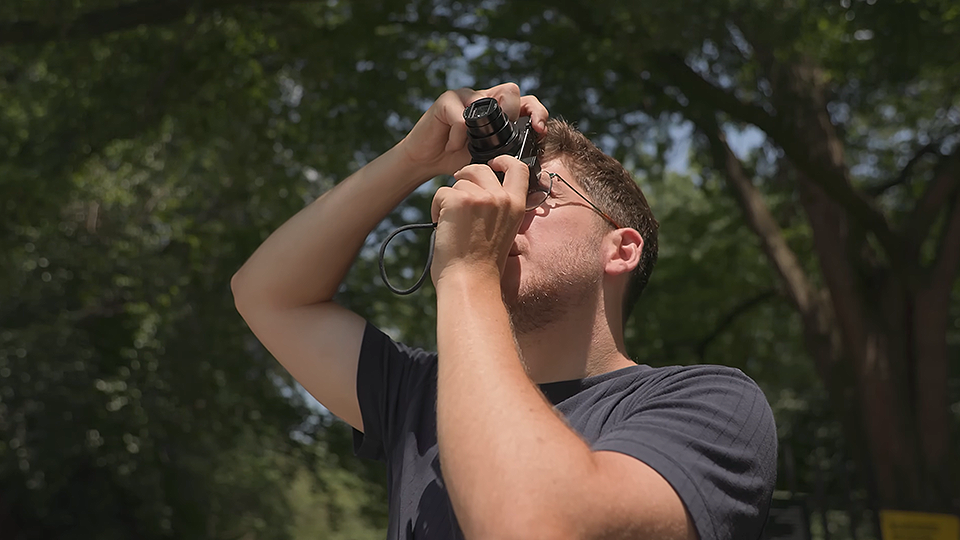
Smartphones have forever changed the world of photography, making the art form more accessible and connecting people from across the world through the instantaneous sharing of images. For all their benefits, there are plenty of criticisms to be had, especially on the creative front. Smartphone cameras are, for some, everything one could want from a camera. For others, they lack the control and creative freedom that makes photography so interesting.

Who can blame one for having hard feelings against smartphones. After all, they nearly wiped compact cameras from the market, offering unparalleled convenience and accessibility. But, just as quickly as smartphones seemed to conquer the pocket camera market, the popularity of the point and shoot camera is once again on the rise.
Like vinyl, point and shoots represent the best mix of qualities for users. CDs and now streaming offer a convenience that cannot be replicated. However, the sheer presentation of vinyl, and the very act of placing it on the turntable and dropping the needle make the experience of listening to your favorite record all the more rewarding.

What do records have to do with point and shoot cameras? Much like vinyl, a dedicated compact camera adds to the experience of taking picture, much more than any smartphone. In this article, we're going to explore why the point and shoot is resurging in popularity, and why you too may reconsider relying on your phone for capturing important memories.
The Case for Smartphones
As an image-making tool smartphones have an advantage in their ease of use and convenience—the very reasons that allowed them to take over the market by storm. Chances are your smartphone is almost always on your person, making them easy to grab for a quick shot or video clip. And let's face it, they do a good job. The smartphone cameras of today blow their previous models away by almost every metric.

Another benefit to using a phone is that there's basically no need for post processing. Cameras are designed to deliver the best image quality possible, dedicating much of their processing power to the size of image file. Smartphones on the other hand, can essentially edit our photos for us, darkening bright skies and other highlights while retaining detail in dark shadows at the tap of a screen.
The same features that may draw us to smartphones can be the very thing that draws many away, with some finding that their phones make too many of the decisions for them. In attempting to balance an exposure, our phones can create flat-looking images that look artificial and nothing like what we saw with our own eyes. These computational tricks don't always enhance the smartphone camera, rather they simply hide their limits. This is where a dedicated compact, point and shoot camera comes in.
Where Point and Shoot Cameras Beat Out the Competition
Image Quality
Smartphone images look pretty sharp right out of the gate. This can lead some to assume that by nature, smartphone images are inherently better than those out of a dedicated compact camera. This is simply not true. You see, our phones automatically make alterations to our images before we even see the final copy. Highlights are darkened, and shadows brightened, resulting in a well-balanced exposure.
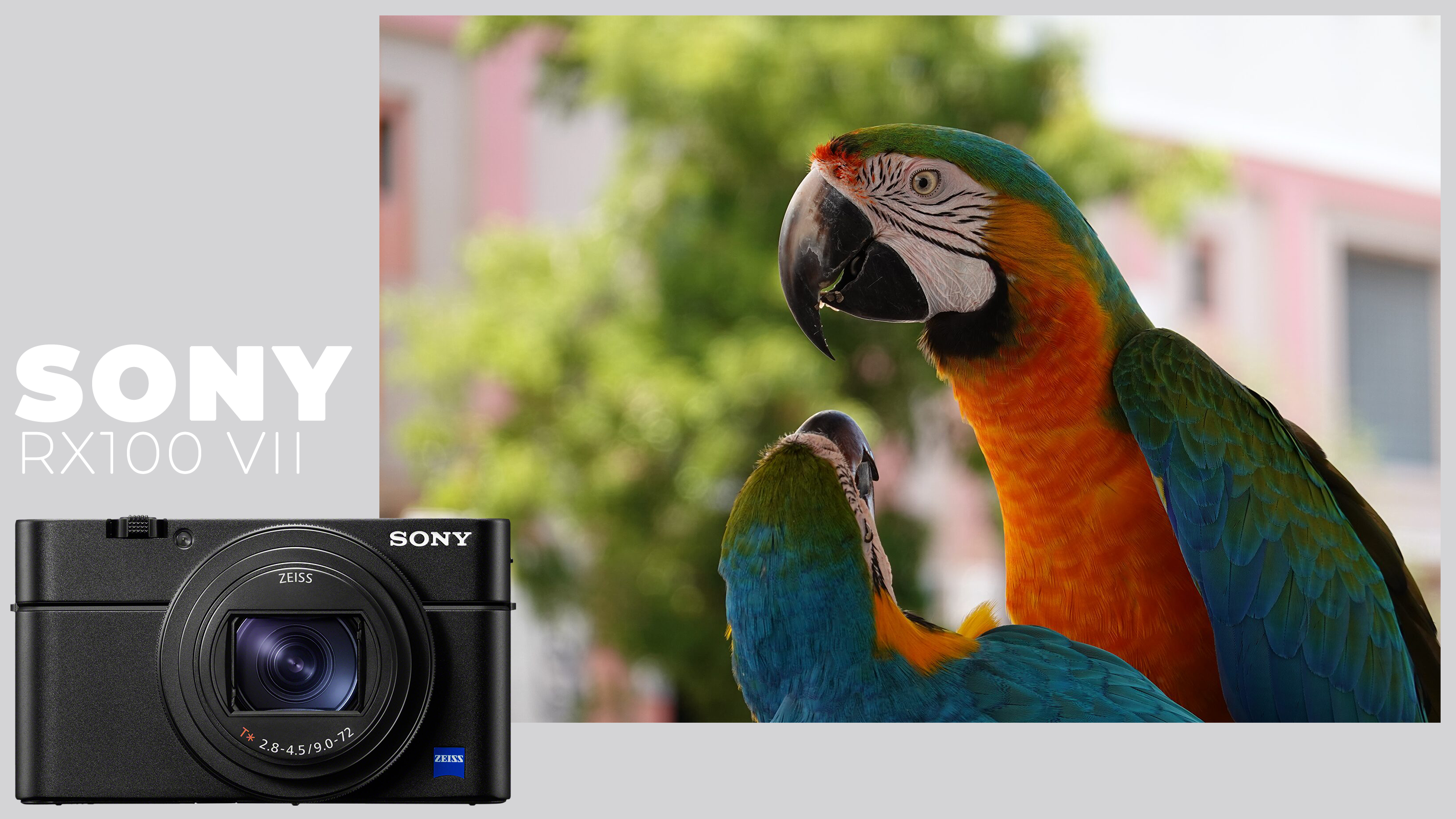
Now, for a bit of clarification. Sensor size isn't correlated with resolution. Resolution is measured in megapixels, which equate to one million pixels. Some cameras have 16-megapixel sensors, where a phone can have 48 megapixels. With all that resolution, shouldn't smartphones be better? Not exactly. Where they fall short is the actual quality of the file.
This is not something smartphones can currently replicate, as the key is the physical size of the imaging area, better known as the image sensor. Due to the simple fact that photography is a point and shoot cameras one and only function, they come equipped with larger sensors. The bigger our imaging sensor, the finer detail we can capture, and the better our cameras perform in low light. What's more important is that we can retain that detail, even as we zoom.
Zoom Range
Zooming in any phone or compact camera makes use of an optical mechanism in the lens, as well as digital zooming features, which effectively crop into the image itself, using less and less of that resolution we care so much about. A smartphone may have a short optical zoom, with exact values often being unclear, but the longest being around 7.1x. The most popular phones advertise 5x zoom ranges and 48-megapixel image sensors. However, when you zoom in, you're actually cropping your image, resulting in fewer megapixels making the cut.
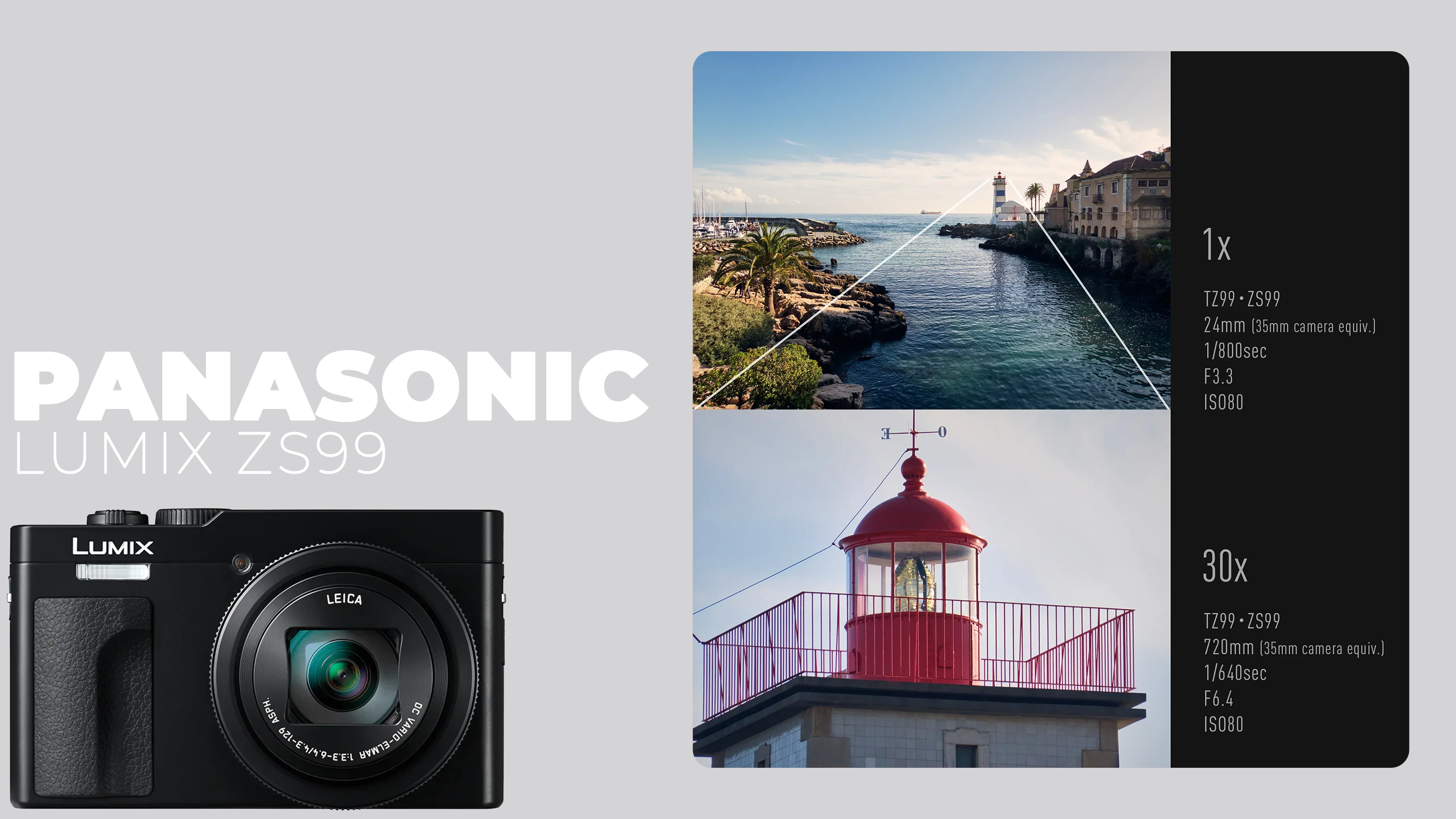
This is where point and shoots really shine, as they offer more reach while maintaining their resolution. This is especially impressive when using a higher end point and shoot, with optical zoom ranges as far as 15x. A camera with such a zoom range can also offer what is known as an extended digital zoom, which behaves much like smartphone cameras, though this feature is more clearly marked and, in some cases, must be activated in the menu.
Selfie Quality
With better image quality, comes better selfie quality. But why cover this feature separately from standard image quality? As obvious as this may sound, many don't realize that most smartphones feature a relatively lower-resolution 18-megapixel front facing selfie camera. This is still quite a lot of detail but remember how sensor size alters out image as addressed earlier. When using a point and shoot, we're using the same large image sensor, no matter how we're holding the camera.
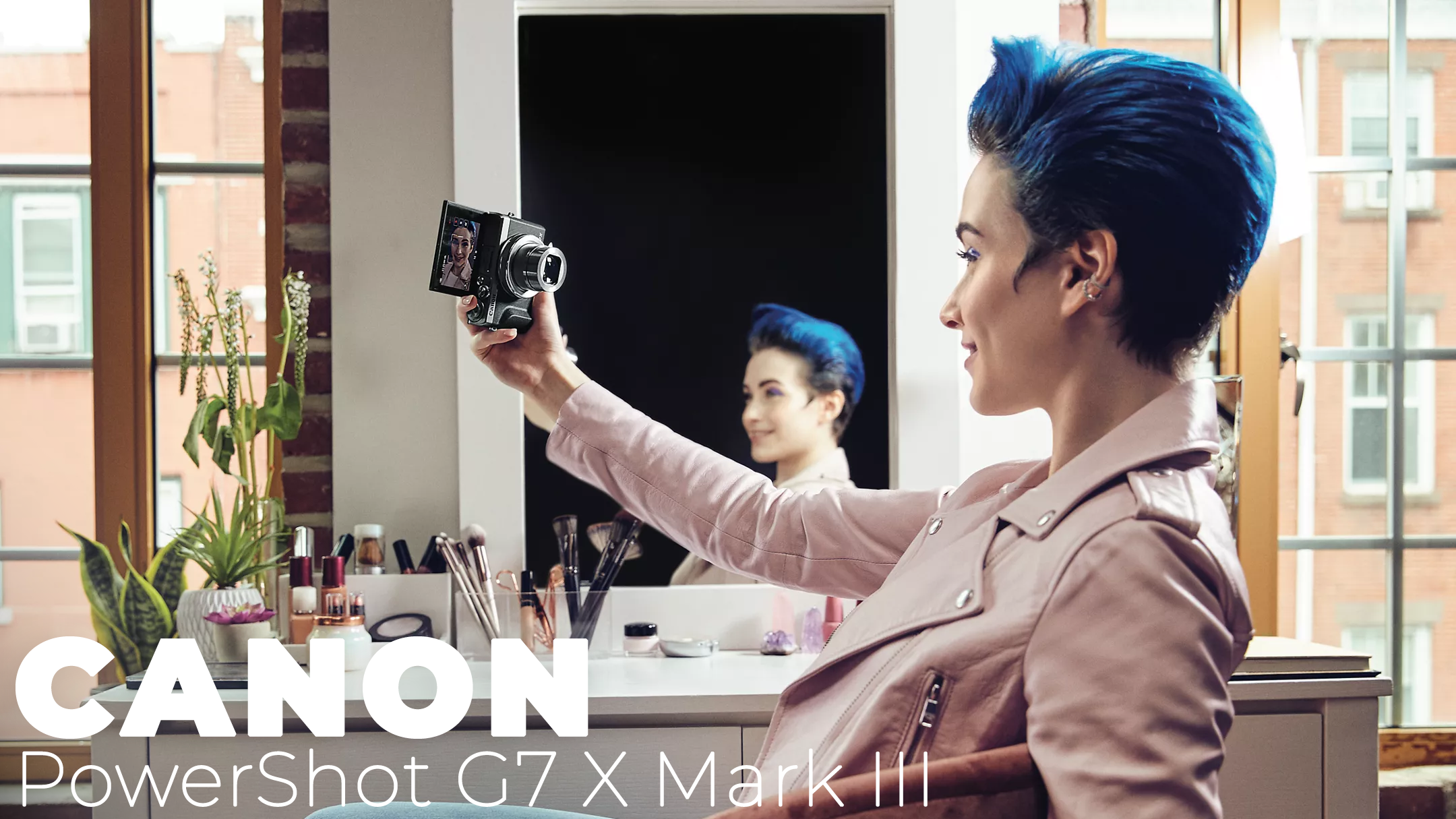
As you may expect, to make the most of this feature, you'll want a camera with a fully articulating rear LCD, or at least a flip up screen, so we can see what we're doing. If our camera has a pop-up flash, we can even better simulate that disposable camera look, though we'll touch on this more a bit later. What point and shoot cameras do best, besides offering greater image quality, is greater creative freedom.
Creative Control
Sure, phones are easy to use, but in the event that we want to take greater control of our photos, we need the ability to adjust certain settings. Want to capture fast action? Adjust your settings using sports mode or even dial in a fast shutter speed manually to freeze motion. Want to authentically blur your background? Open up your aperture. This is all easier said than done, but that's the beauty of photography. As with all things, the more you do it, the more proficient you'll become.
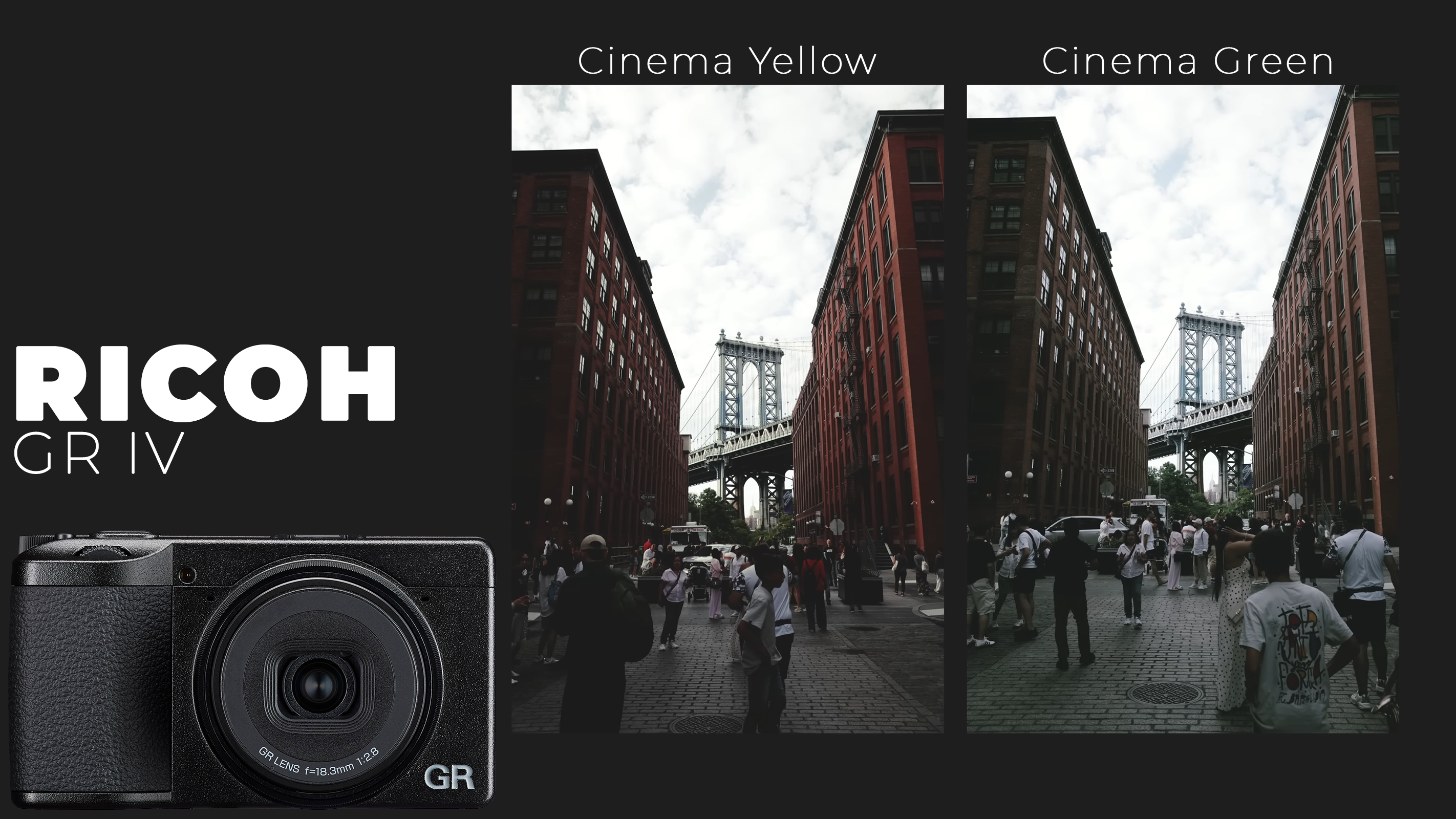
That said, you can still use any compact or point and shoot camera in auto mode to make the process nice and simple, and you can do so while still taking greater creative control. Many point and shoots feature scenario modes, like sports mode mentioned above, where we give the camera an idea of what we're shooting while not worrying about the specific settings.
Speaking of specific settings and creativity, many higher end point and shoots offer higher quality RAW file formats that open up even greater possibilities in post processing. Again, this is a feature that will benefit the serious photo enthusiast more than the casual shooter, but it's nice to have if you wish to further optimize your images after they're taken.
Shooting Experience
As mentioned in the intro, the act of using a dedicated camera is enough for some to forgo the convenience of their smartphone and opt for a more traditional compact camera. It forces us to focus on the act of taking a photo, resulting in better images, and subsequently, better memories. Tell us, what do you do with all those images you take on your phone? Do you print them out and make albums to cherish, or do they sit on your device untouched, only to occasionally be remembered when your phone pulls up memories from five years ago.

Even if printing isn't the end goal, the look of our images may be enough to warrant the change. Many opting for older point and shoots is a large driving force in the recent resurgence of these small pocketable cameras. The specific desire to emulate the look and feel of early 2000s digital photography is why so many people are looking for old, used point and shoots from that era. Sure, you can slap a filter over any old digital image, but for some, it's the convenience of capturing it right out of camera that draws them to these hard-to-find treasures from the past.
Which Is Best for You?
There's no denying that a smartphone delivers a more visually pleasing, well-balanced image right out of the gate. For many, that's all they'll ever need. But, if you want more out of your images, and wish to take control over your photography and the ability to capture images that will stand the test of time, you'll likely benefit from carrying a compact camera with you.

Every camera has its strengths and weaknesses, and the imaging tool you choose largely depends on your creative goals. As the old saying goes, it's not the camera that makes the picture, it's the photographer. To learn more about all thing's photography, from point and shoots to larger, full sized mirrorless cameras, check out our other guides on the B&H Explora page!
