
Taking photos has never been easier, whether you're using a smartphone, point-and-shoot, or mirrorless camera. It's a fact that no matter where we go, we almost always have some form of camera on hand, and while the opportunity for image making has changed, what hasn't changed is what makes a photo good.
The simple answer is photography composition, or the arrangement of elements in your frame. This concept can be confusing as all art subjective. That said, think of movies and music and how certain combinations of sounds and storytelling techniques are more pleasing than others. The same can be said about photography.
Plenty of photographers have more complex definitions of composition and various rules they follow, but these only make the concept more confusing. This isn't a "definitive" guide, as such a thing doesn't exist. Instead, we're going to keep things simple and look at the basic techniques you can use to get your viewer's attention and guide their eyes to where you want them to look. This is the basics of photography composition.
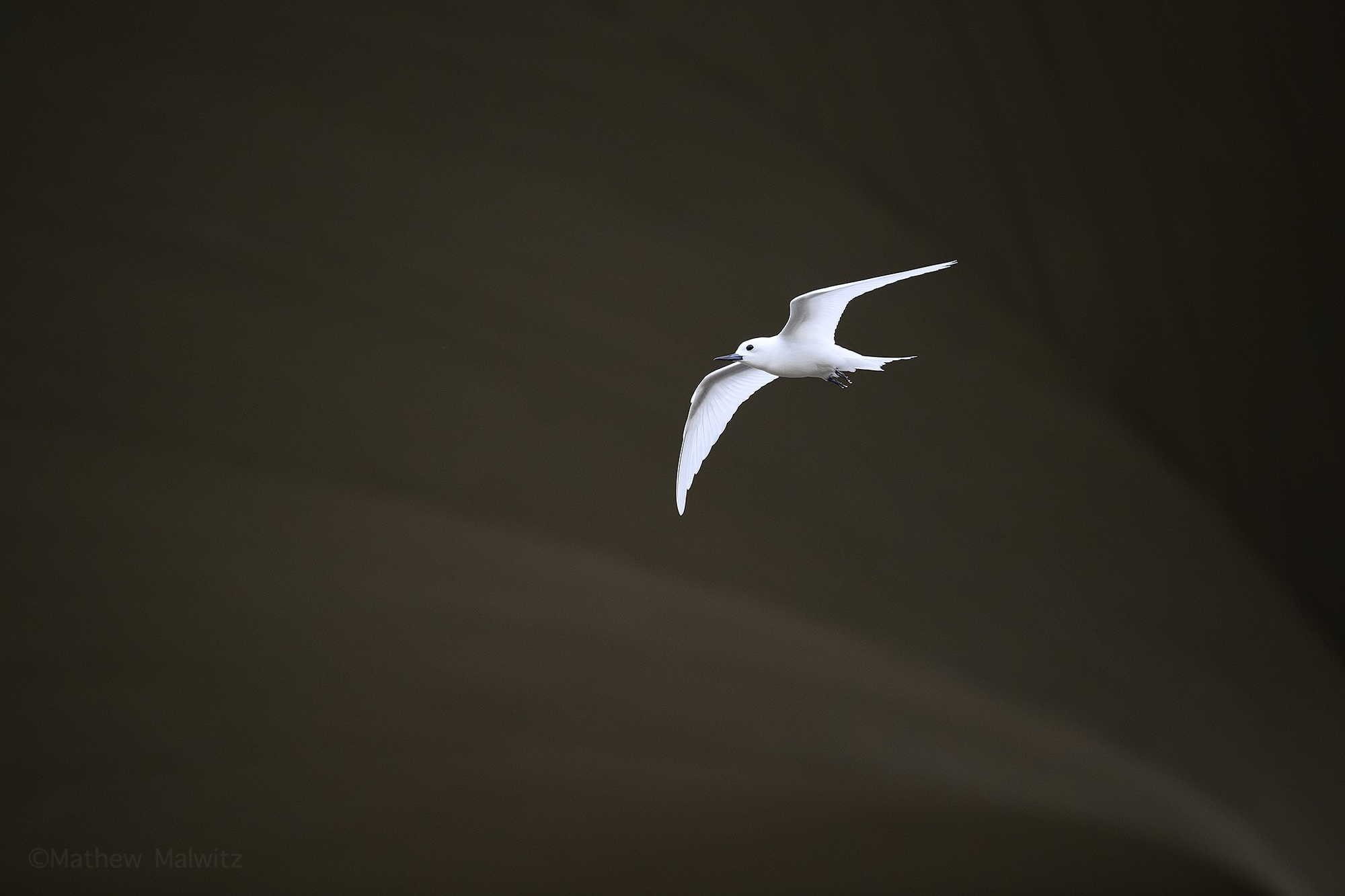
It's All About Balance
Composition is about balance. It is the way in which we place objects in the frame to create a visually pleasing, balanced image. The techniques we use to create balance are set as certain rules, meant to help to position objects in the frame for maximum effectiveness. The result is an image that's visually pleasing to a wider audience.
When we refer to balance in composition, we're not thinking perfect symmetry, rather complimentary areas of an image. All images have at least one subject or primary point of interest, but this alone cannot carry an image. We need something else in dialogue with that point. For instance, a well-defined subject may be best complimented by negative space.


The Rule of Thirds
When we talk about composition, it's not to discuss the rules. We know, we know—rules are meant to be broken, but not when they come at a cost to the engagement of your work. Few true rules exist in the arts, with much being subject to interpretation, but arguably the most critical is the rule of thirds.
This rule imagines that our image is broken up into thirds where the intersecting lines represent points of interest, or areas in the image where our eyes naturally fall when viewing something. Among many of the creative techniques we can use to better showcase our scene, few are actually rules. The rule of thirds is as close as we get to law in the world of photography and should be followed as closely as possible.
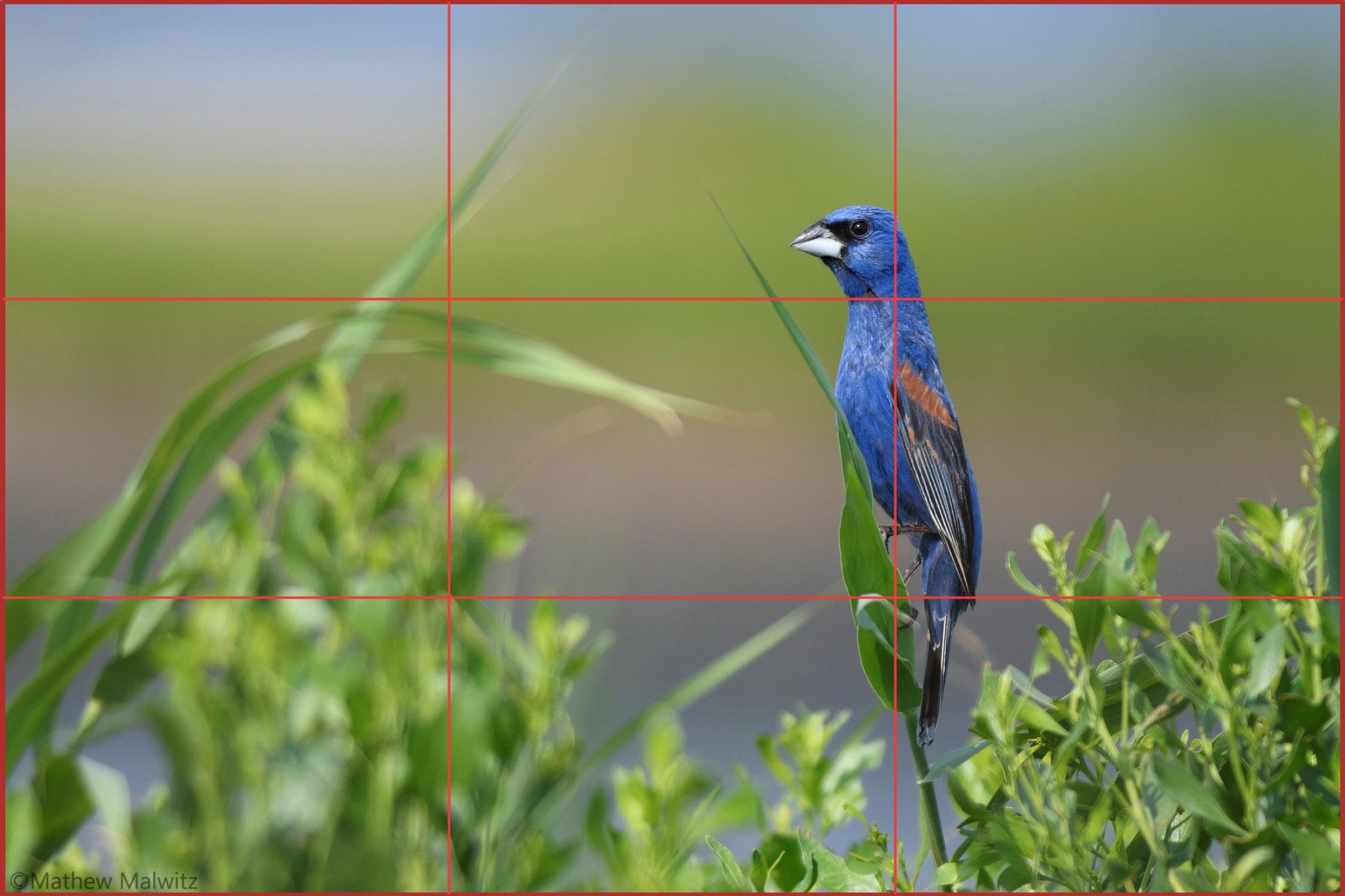
Something subtle but important to note about the image above is where background elements sit. Horizon lines should line up with either the upper or lower third to create a more interesting scene. Simply ask yourself what's more interesting: the sky or the ground?
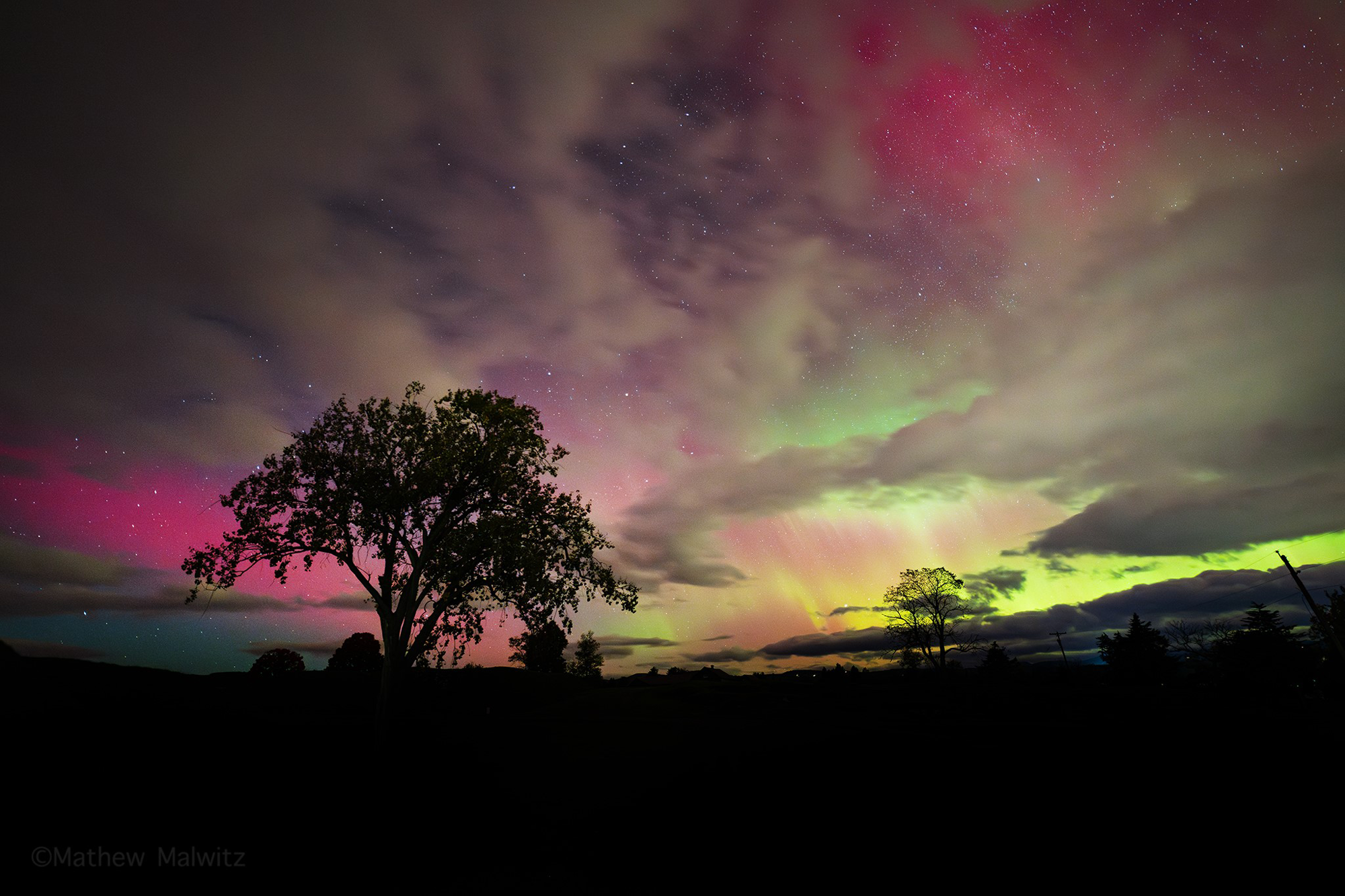
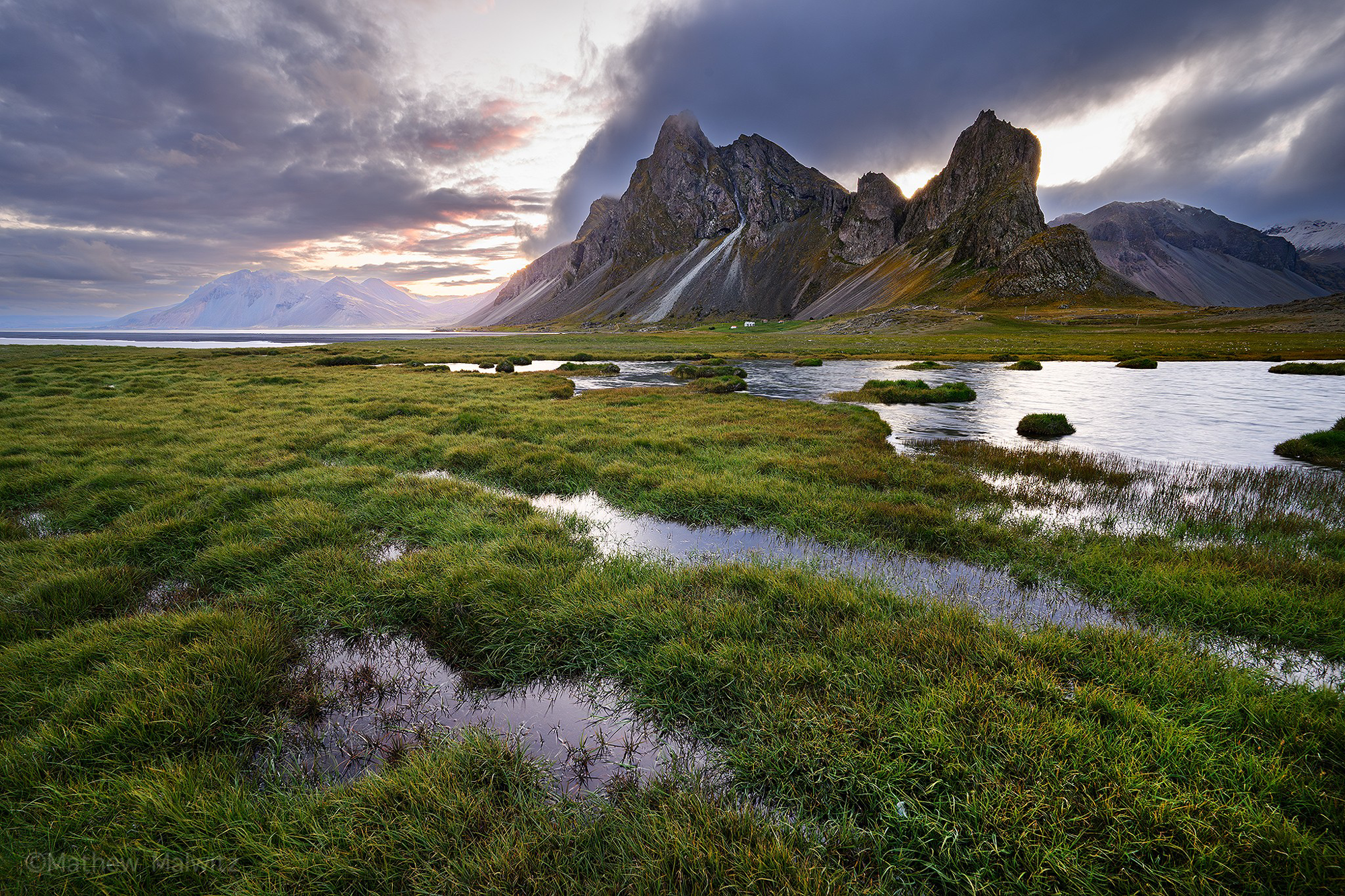
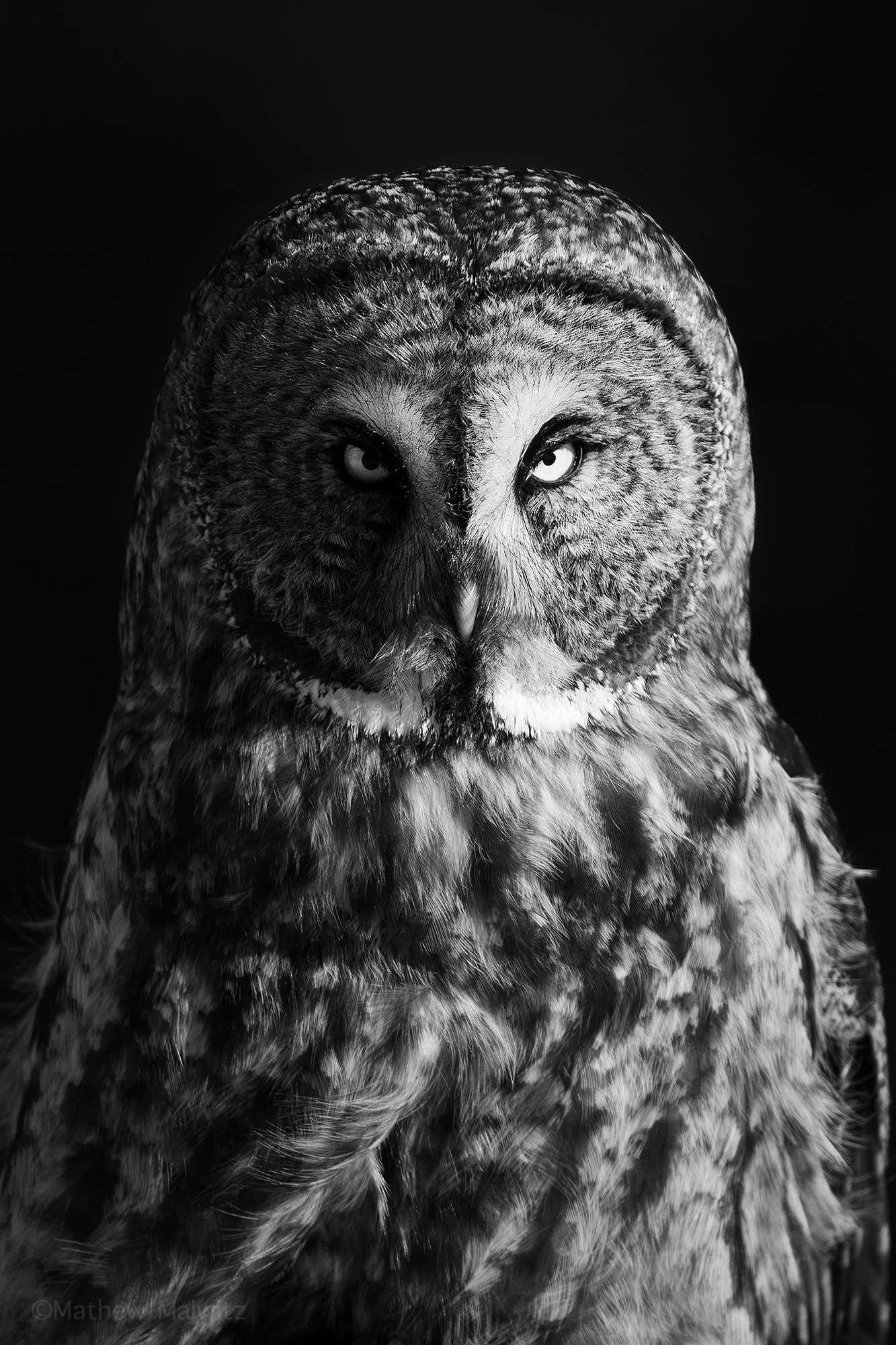
Now, when we call the rule of thirds a law, we're still leaving some room for interpretation for the artist, as not every composition benefits from this rule. For instance, as a bird photographer, I am sometimes faced with the dreaded head-on subject. In many cases, I don't even press the shutter button, as birds just look goofy from that angle. However, there is the occasional moment where this look works, and placing the subject in the middle of the frame is the logical choice.
Perspective
Perspective is used first and foremost to put our audience in the subject's world. If shooting a smaller subject, like a cat or dog, that may mean getting down on the ground or at least kneeling. Why? By shooting from our subject's eye level, we create a more engaging composition and show our audience the subject in an immersive way.
Shooting from our subject's perspective has the added benefit of improving the appearance of our background as well. For instance, if photographing a fox kit from about 15 yards away, our standing shot will have the grass and immediate background front and center with the fox. If we drop to the kits level, we put more distance between the subject and the background, resulting in a cleaner image.

Negative Space
Arguably one of the most significant aspects of photography composition, negative space refers to the empty areas in our image that surround the main elements of interest. In photography, as well as many other visual art forms, negative space is what makes the subject stand out.

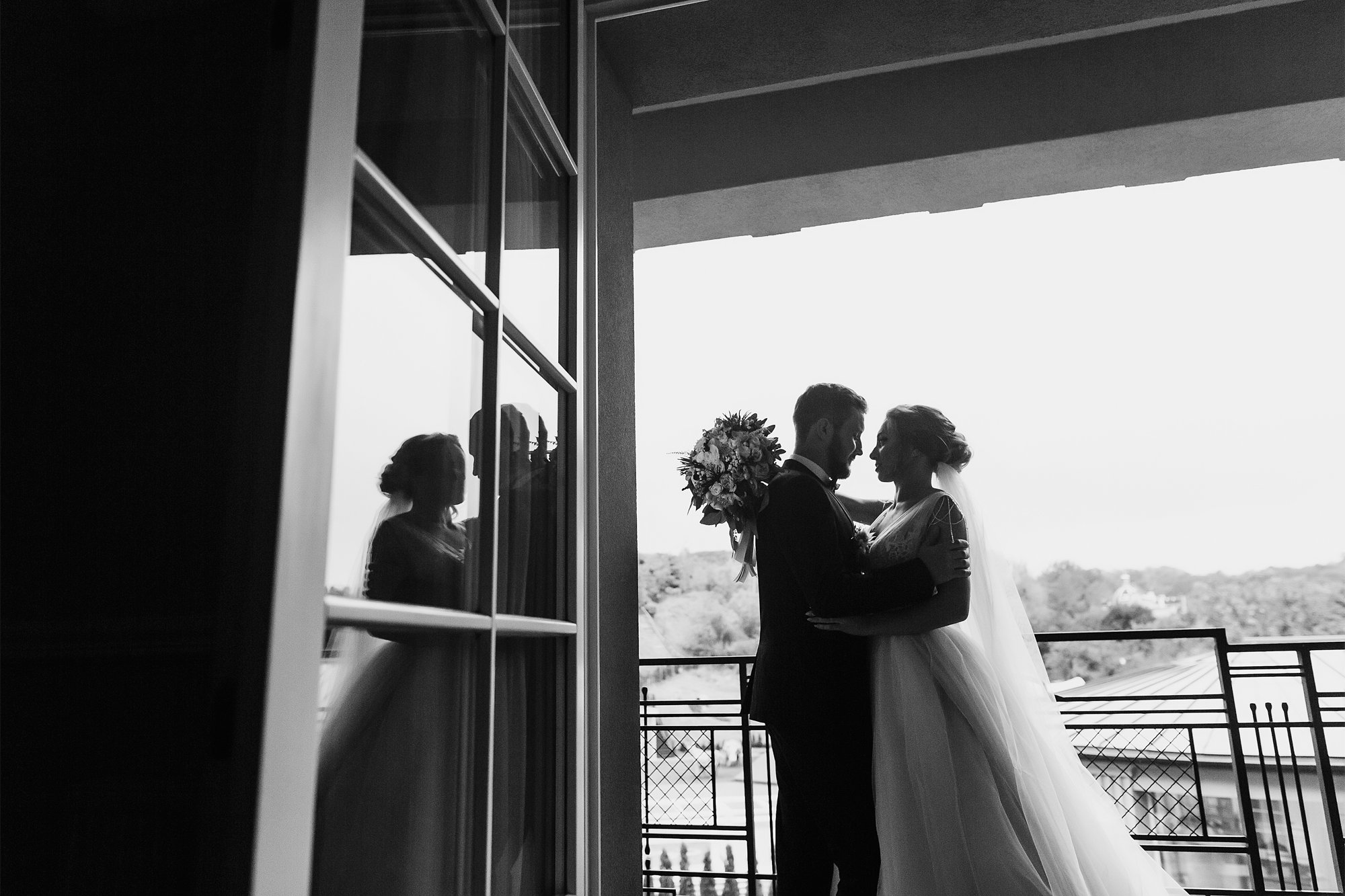
The most common use of negative space is known as head room. In photography, this applies to more than just our subject's head. Headroom often refers to the breathing room we should give our subject on all fronts. An important aspect of the all-encompassing head shot, headroom gives the subject room to breathe. If there's an aspect of your subject's body language or mannerisms that you wish to include, zoom out. More negative space is always better than too little negative space.


Another benefit of leaving ample head room comes after the photo has been taken and printed. If you or a client are planning on framing your image after the fact, it'll become quite apparent. Photo frames generally cover about 1/4" of space around the edges of an image, so if you're subject is too close to the edge of the theoretical frame, they'll likely be partially covered up the physical one.
Depth and Leading Lines
Depth in photography can seem like a challenge as photography inherently flattens three dimensions into two. In order to preserve that sense of depth, we must implement certain techniques that are designed to infer dimensionality, whether by clever line work or by strategically using focus and depth of field.
Leading lines are one of the most common visual guides used to pull the viewers' eyes toward the subject or point of interest. They can be anything, from the obvious road, path or fence to less obvious elements, like shadows or a tree row. Photography is all about the illusion of dimension.

Depth of field is an essential part of certain genres, namely landscape photography. Some of the best landscapes provide a feeling of being there, almost as if you could walk right into the photograph and enter the scene. This feat is achieved through the careful arrangement of elements to convey layers and subsequently depth.

Depth is typically broken down into two to three layers depending on your subject matter. For a headshot, we only need our subject and a good, non-distracting background. As we get more creative with our portraits and move into other genres, these techniques become imperative. In landscapes or even environmental portraiture, having a discernable foreground is essential to properly framing your subject.
Put It to Practice
As with all art, composition is simply a guide to make your work as visually engaging as it can be. Every scene and moment will require some experimentation, and with the techniques covered above, you'll be well on the way to creating great images that are compositionally strong. Only after you have learned the rules can you begin breaking the rules.
The best photographers don't just have an eye for the subject, but for the entire scene from background to foreground. As with all things, the more you practice your craft, the better you can implement these techniques. And don't fret, we can always refine things with a little cropping.
We hope you've enjoyed this look at the foundational techniques of photo composition To learn more about photography composition, from the basics to more comprehensive concepts, be sure to check out our other guides and articles on the B&H Explora site.
