
For a generally creative outlet, photography has a lot of rules. Many of these so-called “rules” are simply techniques that can be implemented as needed. They are meant to help you create visually engaging images, and there are none so practical as the rule of thirds and golden ratio.
One of the oldest rules in art is the golden ratio, also known as the golden spiral. This ratio is an irrational number that is approximately equal to 1.618, better known as phi. For the creative mind, this is best represented as the sweeping spiral gradually coils tighter and tighter until you reach your focal point or point of interest in an image. Generally speaking, this is used in photography by placing visual guides along the spiral that leads your viewers’ eye to the primary subject. Some consider this to be superior to the rule of thirds, while others find it overrated.
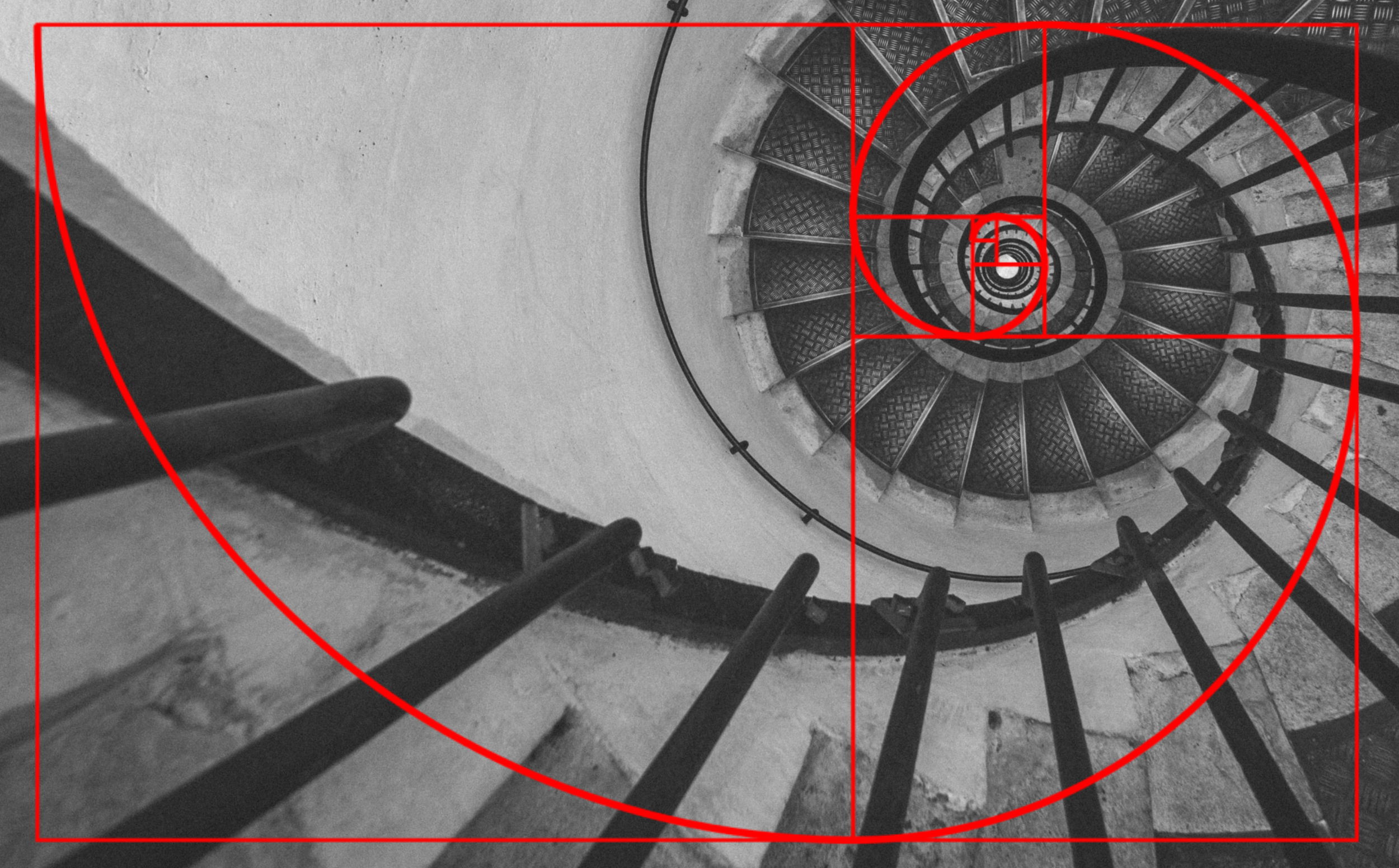
Much has been said regarding the golden spiral, from its usage during the construction of the pyramids to its natural significance as displayed by hurricanes, seashells, and even facial proportions. These claims are dubious. While spiral patterns do exist in nature, and the golden spiral can be a useful tool in composition, it’s not a secret code to visual perfection. In fact, we’ve seen this technique misused more than we’ve seen it properly implemented.
When used correctly, the golden spiral can be a great tool for guiding your audience’s eye across the frame. It’s essentially a more complicated version of the rule of thirds with leading lines and a bit of additional geometry implemented. To put it simply, think of it as the relationship between elements in the frame and the scene should flow.
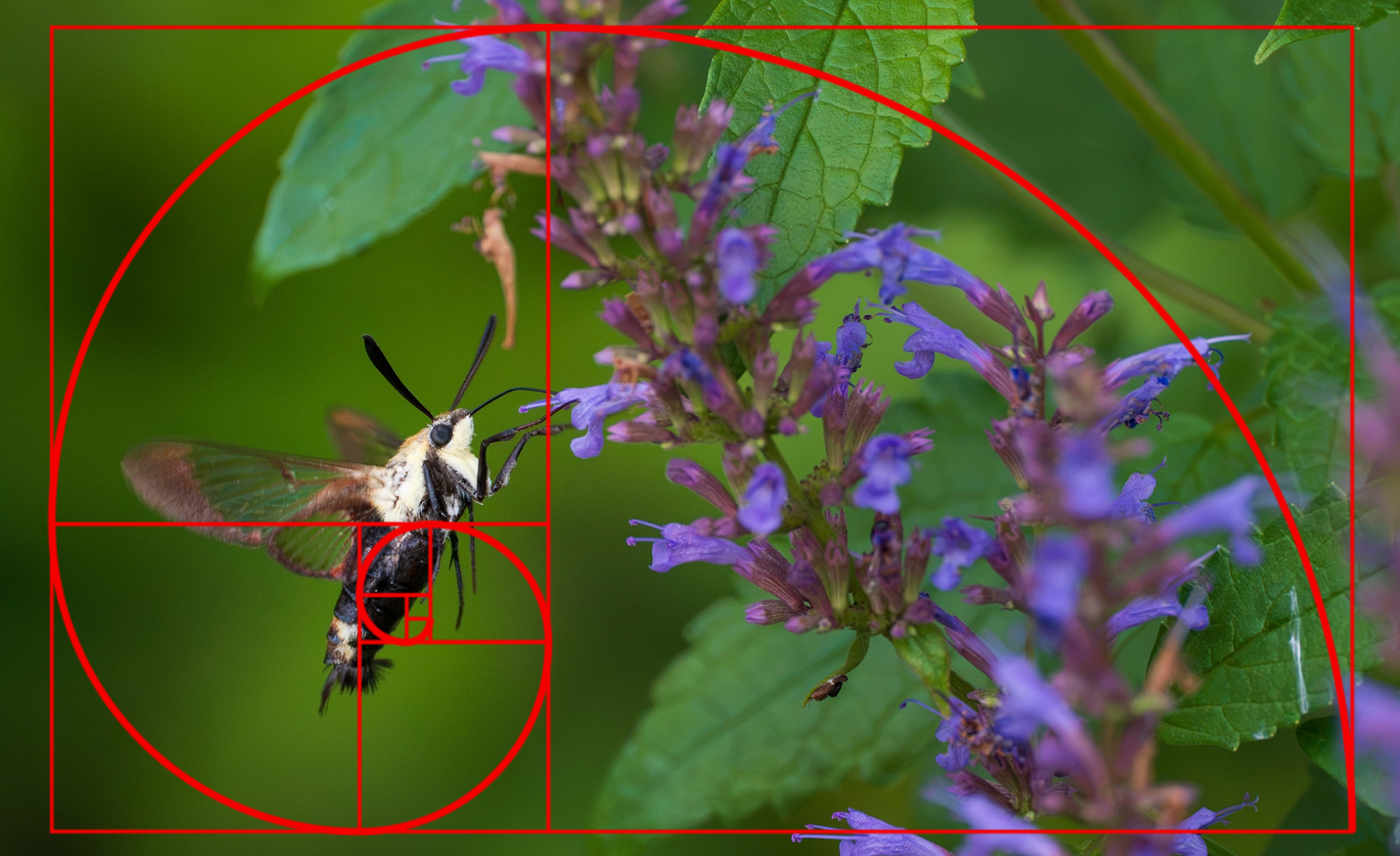
Is the golden spiral useful? Yes, but it’s not something we go out with the intent of capturing. Many elements need to come together to make this composition work, namely, other compositional techniques coming together to make the spiral work. Does that make it the be-all and end-all compositional technique? Not quite, as the golden spiral is just one of many compositional techniques you should have in your creative arsenal. Not every image will follow it, nor should it.
On the other hand, the rule of thirds is a staple of photography and is almost always in use, even if not done knowingly. If there’s one rule every book, college professor, and YouTube video will tell you to follow, it’s this one. Essentially, the rule of thirds imagines our image broken up into thirds, both vertically and horizontally, with the goal of helping photographers position the subject in your images.
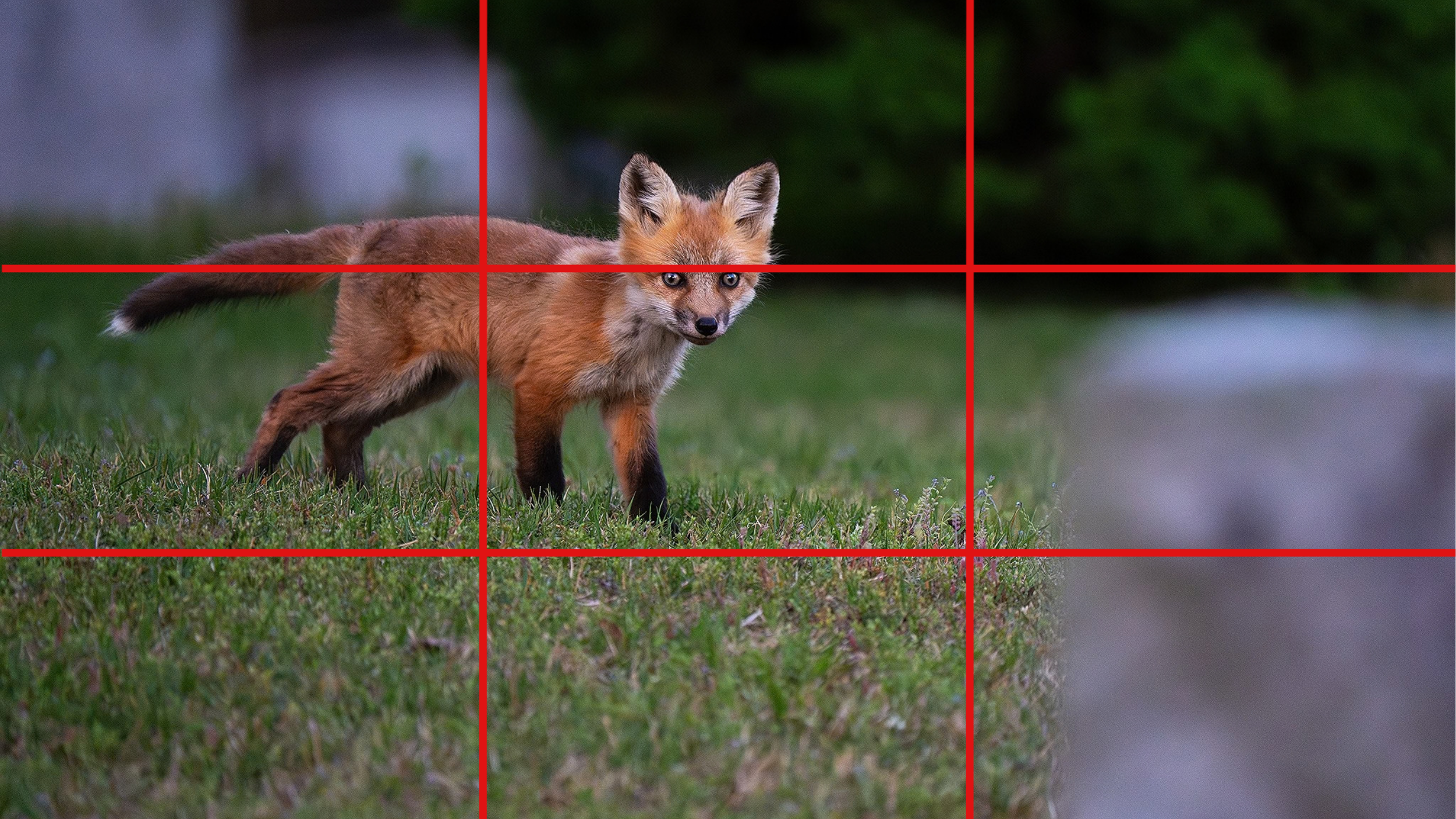
Each intersection of these thirds is considered a point of interest, and a good spot to position your subject. This is due to our natural tendency to look at these areas of an image, but also the impact this positioning has on storytelling. If we position our subject effectively, we can essentially create a story. For example, if you’re photographing a car zipping by, you’d likely position it in the opposite third of the direction it’s moving. This gives it space to move forward in the frame.
Now, the rule of thirds isn’t as established as the golden spiral. In fact, the rule of thirds as we know it today only came about within the 20th century alongside the advent of 35mm film photography. Both film makers and photographers alike were quick to adopt it, as it’s easy to visualize, and gives clear guidelines as to where objects in the frame should be placed for maximum visual impact. Even if the subject itself is centered for creative purposes, the horizon line will almost always line up with the upper or lower third.
A keen eye may have noticed that the smallest point of the golden ratio just so happens to line up with one of the rules of thirds points of interest. We did say that the golden spiral is a more complicated version of the rule of thirds earlier, didn’t we? There’s always going to be some overlap between these techniques.
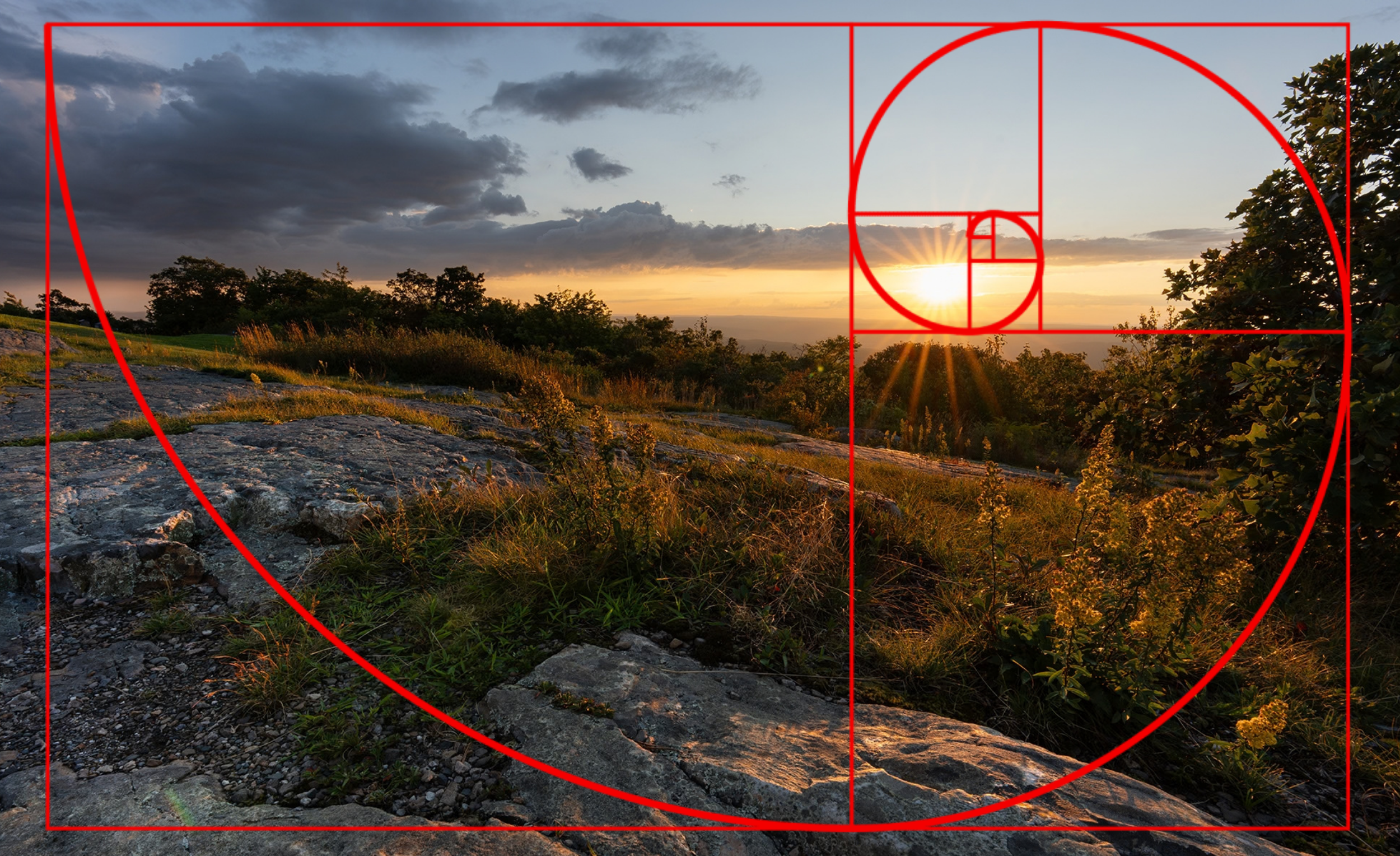
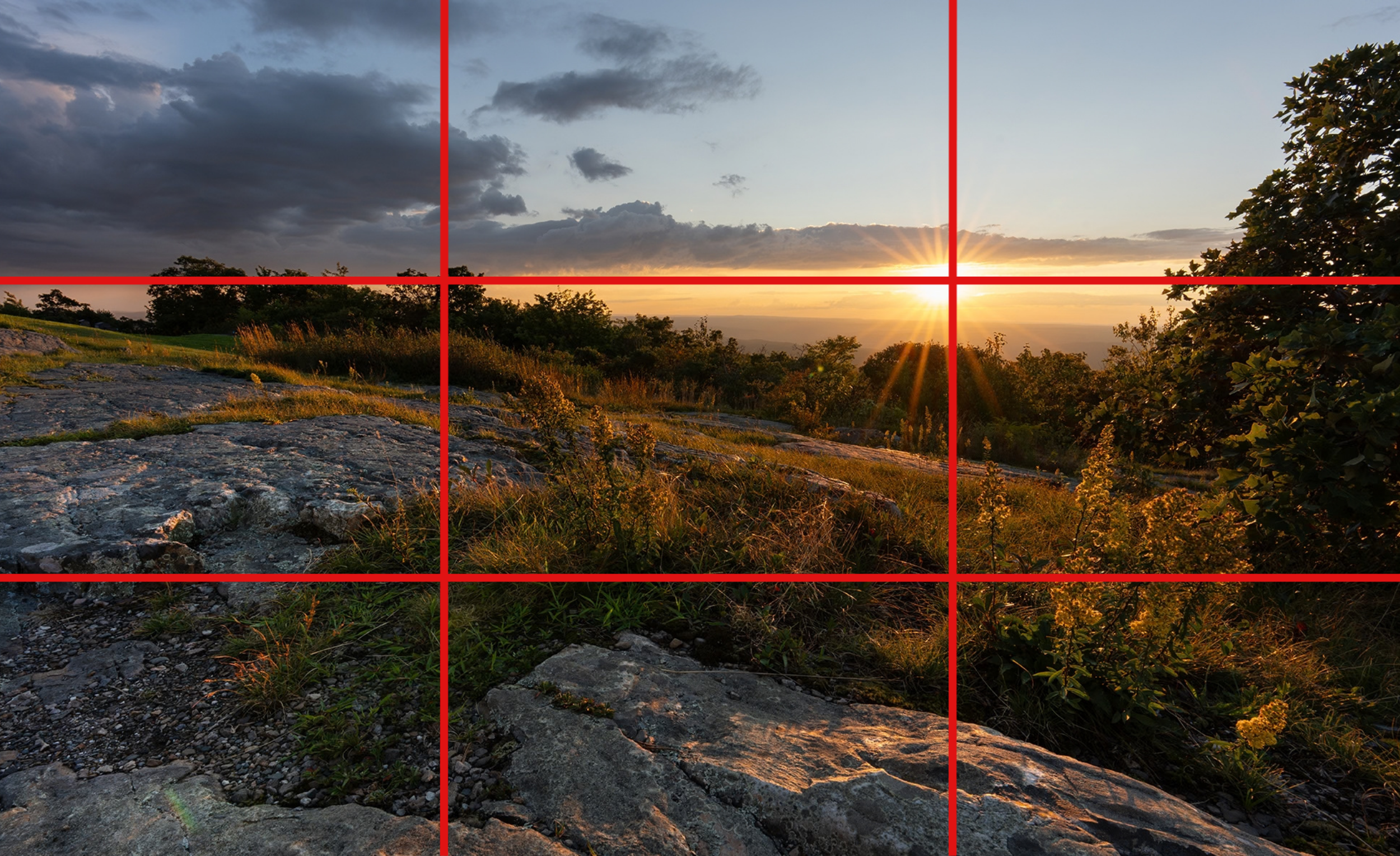
While the golden ratio is a much older technique within the arts, it’s not a cheat code, nor does it apply to every image. There are times where the rule of thirds is enough, and times where even that “rule” can be broken. Remember that these are only two techniques in the nearly endless list of compositional tools we can use as creators. If you’d like to learn more about composition, photography, and videography, read more on the B&H Explora site!
