
At one point or another, you’re bound to hear someone say that you need to shoot in a RAW file format. There are advantages to this decision, from additional detail to better control over the look of our final image. But what exactly is a RAW file and what does it do for our photographs? In this guide, we aim to give you a better understanding of the RAW file and how to use it to our advantage.
What Is a RAW File?
RAW files, sometimes referred to as digital negatives, are the raw data recorded by your camera’s imaging sensor. This data is unprocessed and requires conversion and editing to transform it into a shareable image. In other words, RAW files contain unprocessed, uncompressed image data, allowing photographers to capture every detail and even refine it as they see fit in post-processing.
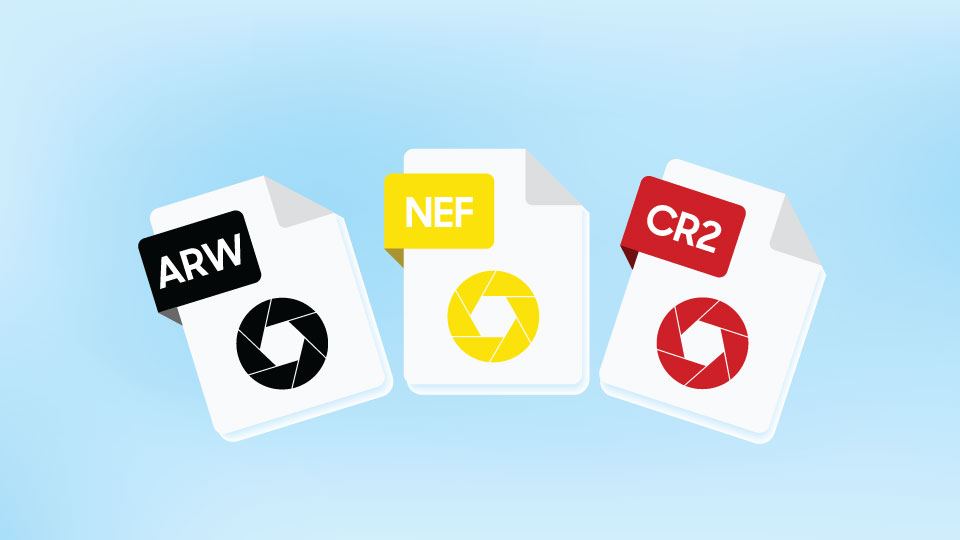
Nearly every camera available today can shoot RAW, even doing so when set otherwise. When your camera is set to record in JPEG for instance, it’s shooting a RAW file but converting it and saving only the JPEG. Some of these JPEGs look quite good, so what’s the difference in practice?
RAW vs. JPEG
Before you ask, no we’re not going to pin these two file formats against each other. This debate may be one of the most prolific squabbles in the photo community, but each format has its merits. Instead, we simply aim to help you understand the difference.
JPEGs are universally accepted by most, if not all photo sharing or social media sites. Odds are, any camera or smartphone is shooting in JPEG format right out of the box. If there are any drawbacks, it’s that these files are baked in, meaning what you see is what you get. Once you make a JPEG file, you can’t change it all that much without degrading the overall quality of the image. Try to brighten or darken a JPEG and you’ll quickly see what we mean.


RAW files, on the other hand, are proprietary file formats that cannot be opened as easily. They require postproduction software to get the most out of them, and to convert them into a more compatible file type. Why go through all that work? RAW files yield greater detail, superior color depth, and better dynamic range compared to JPEG images.
It’s important to note that RAW files don’t display outside of the required software, meaning that even when you take an image in this format, the camera creates a full-sized JPEG preview of the image. This is what you’re seeing on the back of the camera, and in your device’s file explorer, but this is baked into the RAW file, meaning it cannot be accessed as an individual file.
Advantages of RAW
Both RAW and JPEG file formats share some similarities, but there are some key advantages of and disadvantages to each. We highlighted a few of the benefits of using RAW file formats above, but we’ve scratched the surface of what makes this format truly advantageous for photographers.
Better Image Quality
When you take a RAW image, your camera records all data that passes through your camera’s imaging sensor. This gives us greater flexibility when editing your photos as the files contain a wider dynamic range and incredible range of colors. If your RAW image is underexposed or overexposed, the wider dynamic range makes fixing this problem much easier.
Finer Adjustments
Yes, you need to process and concert RAW files into more shareable formats, but as mentioned above, that comes with greater flexibility. Everything from exposure to white balance and even color space can be changed in post when shooting RAW. While this may sound time consuming, and it can be, there are new advancements in editing software to allow batch edits, where similar images can easily be converted into more compatible formats in relatively short order.


Lossless Compression
The term “lossless” gets thrown around a lot when talking about RAW files. This refers to the compression used to reduce the size of files and the space they take up. It is true that a RAW file can utilize lossless compression, unlike JPEGs. What this means for your photography is that the images do not suffer from image-compression artifacts. That said, the quality of JPEG files has improved tremendously.
Above we mentioned RAW files in their “purest form,” as most brands today offer many variations of this file type. They all behave similarly, but with varying levels of detail due to added compression. For instance, in the past, Nikon RAW files were larger compared to their contemporaries; however, a few years back, Nikon introduced a new High Efficiency (HE) RAW format to capture the maximum amount of detail in the smallest possible file size.
Proof of Ownership
Unlike JPEGs, which can be manipulated freely, RAW files serve as a certificate of authenticity. For instance, many photo competitions request the RAW file of semifinalists to ensure that the image hasn’t been modified too drastically.
Disadvantages of RAW
While the benefits of shooting RAW may seem great to some, there are those of us who may find the advantages mentioned above to be disadvantages. This is especially true for photographers looking to keep things simple, or those who rely on speed.
More Details = Bigger Files
More detail means bigger files. These larger files take up significantly more space on your memory card and subsequently hard drives. This is especially crucial when downloading images after a shoot, where any weakness in your system, be it the card reader or the cable itself, will slow things down. Luckily, the aforementioned efficiency formats seek to minimize this dilemma, though any RAW file will be notably bigger than a JPEG.
Must Be Converted and Post-Processed
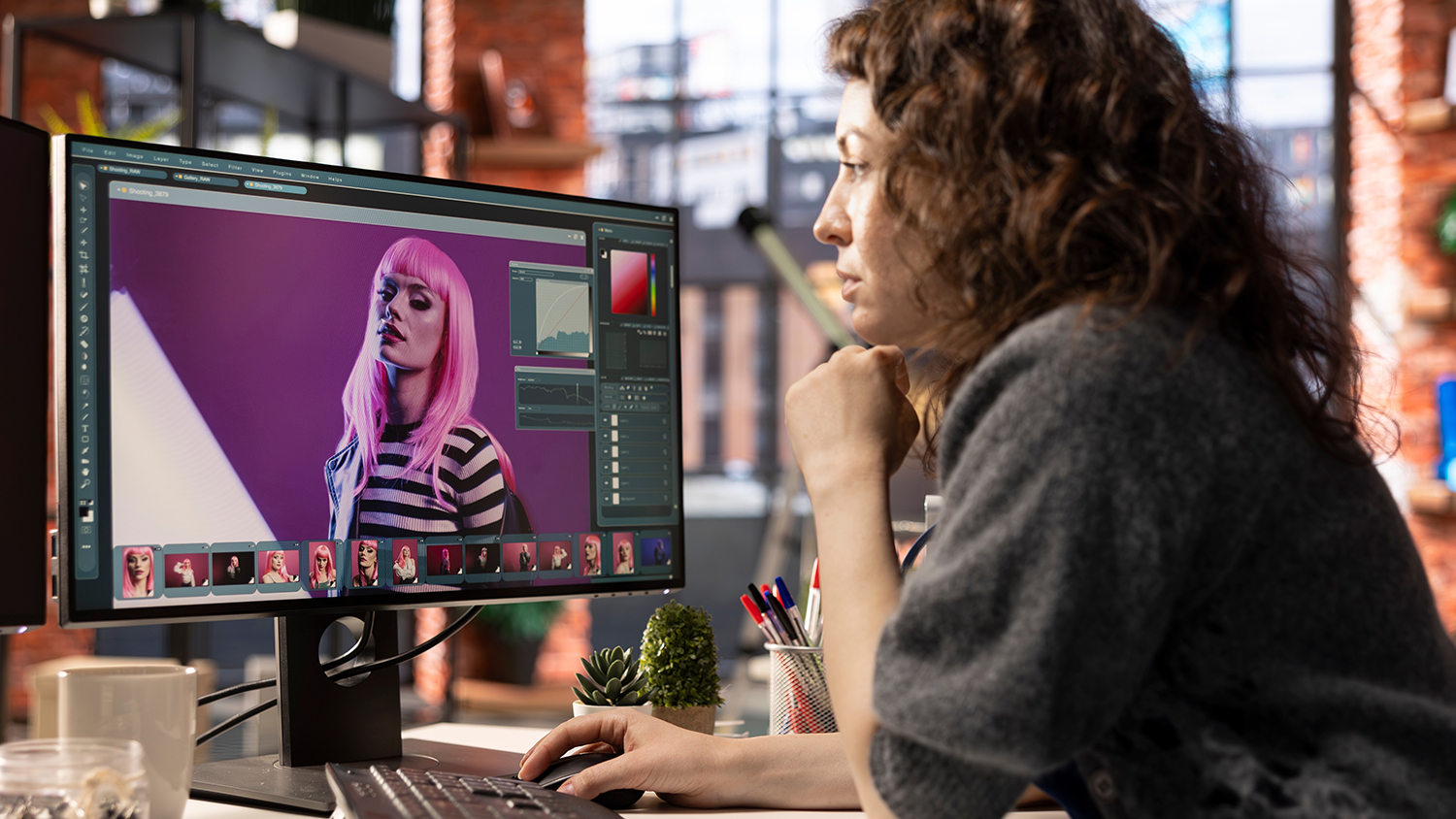
The ability to finely post-process our images can be great, but it also means that we’ll have longer workflows. For some, this may be counterproductive, especially for those looking to save time or just wanting to snap pics for future sharing. There are tools to make this process easier, but again, this often requires purchase or a subscription to software like Adobes Creative Cloud.
Sharing Issues
With the need to process comes a delay in sharing. We live in a world of instant gratification, and if we can’t post our beautiful shots of Italy the day we take them, we may get cranky. This is also one of the biggest reasons vacation photos sit on hard drives and never see the light of day. Some influencer said you need to shoot RAW and you don’t have the time or patience to get through them.
These problems only multiply if you’re a working pro. If you shoot a wedding in RAW, you now need to sift through however many hundreds if not thousands of photos you shot on the job within a set timeframe. This isn’t to dissuade you form shooting RAW, as the benefits far outweigh the negatives, but if you’re confident enough in your exposures, it may not be necessary.
Why Shoot RAW?
The answer to this question is often not as straightforward as some make it out to be. Why? Well, because shooting in RAW isn’t for everyone. Despite what you may hear elsewhere online, shooting RAW isn’t required. It does open up many doors for working pros and those looking to stretch their creative legs, but it’s a balancing act.
Ultimately, the decision to shoot RAW comes down to one factor: you want to take greater control of your photography. If you’re happy with what your camera produces out of the box, then by all means keep at it. JPEG files are still significantly more detailed than the average smartphone.
However, if you find that your images are lacking that pop and wide tonality range of what you see online, it may be time to consider a change. RAW brings incredible flexibility to shooting, and if you’re looking to get the most out of your expensive camera, there’s no better way than to learn it and shoot at the highest possible quality. That is, so long as you have the time and desire to do so.


If you’re heading on a once in a lifetime trip with your new camera, why not shoot both! Most cameras allow you to shoot both RAW + JPEG at the same time. That way, you have both a ready-to-go compatible file and one you can optimize when you’re ready. It’s often suggested that new camera buyers heading on a safari shoot both, so they can have the instantly shareable files to send around, but the better-quality RAW files to optimize when they’re ready.
Put It to Practice
Shooting in RAW format has many advantages, but only if you’re ready to take on the extra workload. For many, it’s a logical step toward mastering their photography, but for others JPEG is perfectly fine for their relaxed approach. Contrary to what many photography influencers may say, shooting JPEG isn’t lazy, nor is RAW required, it’s all about what you want from your photography.
Photography can be as simple or as advanced as we make it. With a little practice, we can be well on our way capturing stunning, high-quality images. If that’s something you wish to do, learn more about photography, from the basics to more advanced concepts on the B&H Explora site.
