
Like most of us, if you don’t have the optimal recording space for mixing Dolby Atmos tracks, or you just can’t afford a 7.1.4 speaker-based system, you’re going to be relying on headphones to do your mixing. This is not necessarily a bad thing. With the right pair of headphones, you can get a soundstage that convincingly approximates a Dolby Atmos speaker setup, while saving yourself thousands of dollars in expensive gear and acoustic room treatment.
For the best imaging experience, the key is to invest in open-back headphones, as they will provide you with the most spacious and accurate soundstage. We’ve included solid models in every price range to help you get started.
Budget
A studio classic, the Beyerdynamic DT 990 Pro is designed by one of the oldest and most legendary German headphone companies in the world. With a moderate low-end and clinically accurate high and mid-range reproduction, the somewhat bright sounding DT 990 Pro is one of the most transparent reference headphones on the market. Add to that a super precise soundstage with an open-air room feel, and you have the best mixing headphone you can get for under $200. Those who like a firm, yet comfortable fit will also be drawn to the physical design of the DT 990 Pro. The generously sized velour earpads keep your ears cool during extended mixing sessions, and the robust build will provide years of good use.

While the DT 990 Pro is a fantastic choice, it has an impedance of 250 Ohms, requiring a good amount of gain to get the headroom you need. So, if you’re connecting directly to a computer, you may want to opt for the 45 Ohm, DT 900 Pro X to get the volume you’re looking for. The sound profile is also a little tighter and flatter, making them the more neutral sounding choice of the two models.

AKG makes some of the most reliable and comfortable mixing headphones on the market. With roomy velour ear cups and a self-adjusting leather headband, the K612 Pro is a great choice for those who spend many hours in the studio. Like most of AKG’s models, you’ll hear a light-bodied sound with conservative bass frequencies and a neutral sound signature overall. In terms of imaging, you can expect fantastic separation and spaciousness, making them a worthy choice for accurate Dolby Atmos mixing.
Read More: Do I Need to Upgrade My Studio to Dolby Atmos?

Middle Tier
The Sennheiser HD 650 is a particularly natural sounding headphone and one that is also pleasing to listen to. Unlike many reference models, the HD 650 doesn’t skimp on the bass frequencies, making it a great option for mixers who like to hear a little more warmth in the mix. The midrange tonality and articulation are top-notch, while the highs are pleasingly smooth, yet nuanced. Overall, the HD 650 is less clinical sounding than other famous reference headphones, preferring to convey an intimate, yet realistic timbre over a lean precision.

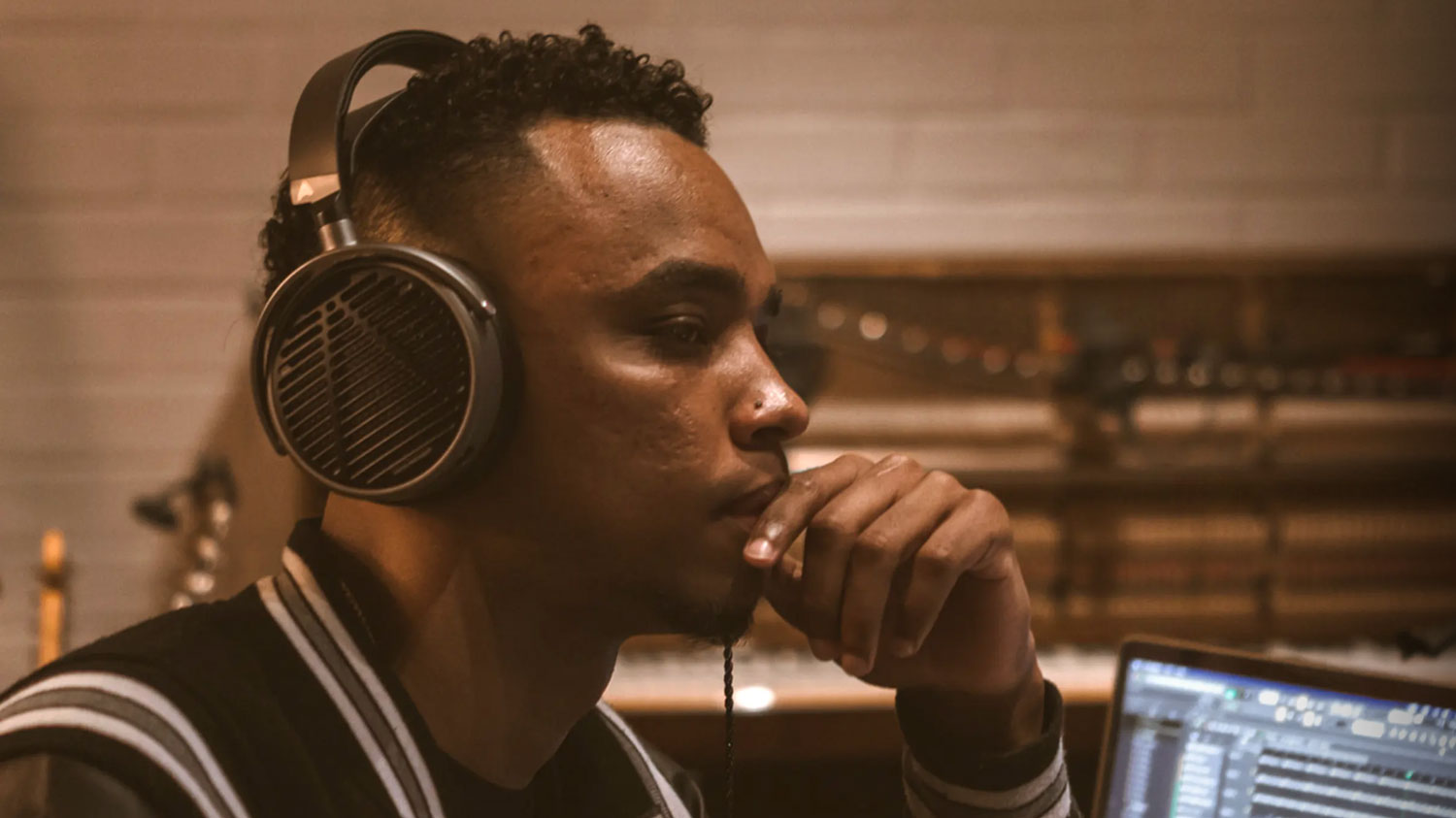
With respect to open-back headphones, Audeze is a favorite amongst audiophiles. But they make great reference models as well. And the MM-100 offers many of the high-end Audeze characteristics for a fraction of the price. This model features a midrange-focused sound signature, making it great for mixing vocals and other midrange instruments. Meanwhile, the bass is controlled with good extension down to the sub-bass frequencies, which is not always the case with reference headphones. For those who are sensitive to high frequencies, the MM-100 is also a suitable choice, as the treble is easy on the ears, which is great news if you’re mixing for extended periods. And while this model may not present the most expansive soundstage available at this price point, it remains spatially accurate. Overall, the MM-100 is a great all-rounder for mixers who want to balance reliable performance with listening enjoyment and minimal fatigue.
Read More: Essential Dolby Atmos Gear
Top Tier
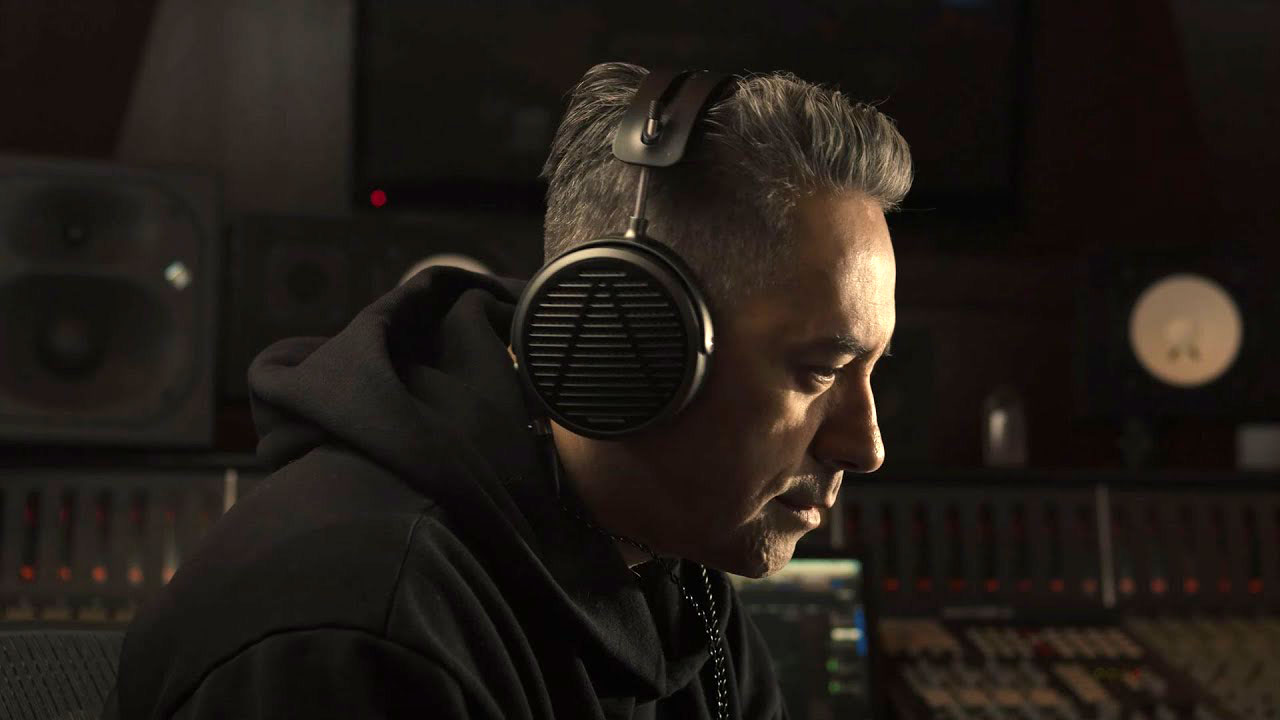
Much like the cheaper MM-100, the Audeze MM-500 may not present the same sound signature that audiophile have become accustomed to with the LCD lineup. But this is actually a good thing for mixers. The bass is tight, fast and well controlled, offering ample kick and energy to in the low-end. Like the MM-100, the MM-500 tends to be very midrange focused with forward upper mids. This again makes the headphone suitable for critical listening of vocals and midrange instruments. With respect to soundstage, you can expect pristine layering and spot-on imaging, allowing you to get an impressively accurate picture of your Dolby Atmos mix. And overall, the MM-500’s fantastic resolution lives up to the brand’s reputation for being one of the most skilled headphone brands on the market.
No headphone buying guide would be complete without mentioning the premium French audio brand, Focal. The Focal Clear MG Pro may not be as unbiased as many of the other models listed in this buying guide. That is, it still retains Focal’s commitment to listening enjoyment over uncompromising neutrality. It offers warmer tuning, particularly vibrant dynamics, and a sparkly treble that makes it a fun listen when the mixing work is done. That said, the soundstage seems more realistic on this model than it does on the more famous focal headphones; it never exaggerates or colors the imaging, preferring to keep it more focused and realistic. And this is good news for those mixing in Dolby Atmos. Furthermore, given how incredibly pristine and detailed the delivery is, it remains not only a pleasing choice for audiophiles, but also a reliable option for critical listening.

For more information about the headphones listed, including additional features, specs, and highlights, be sure to check out our detailed product pages. Or drop us a line below, and we’ll do our best to answer all your comments and questions.
