
In the postmodern era of music production, most musicians, producers, and engineers rely on a computer running a robust Digital Audio Workstation (DAW) like Pro Tools or Ableton to be the studio centerpiece. But despite their power and convenience, sometimes creating in this environment can turn into a series of mouse clicks that eat away at the joy and magic of music production. There are times when ditching the DAW and going old school with a physical piece of hardware can unlock new potential, forcing you to develop alternative techniques and processes that can lead to new discoveries and innovations.
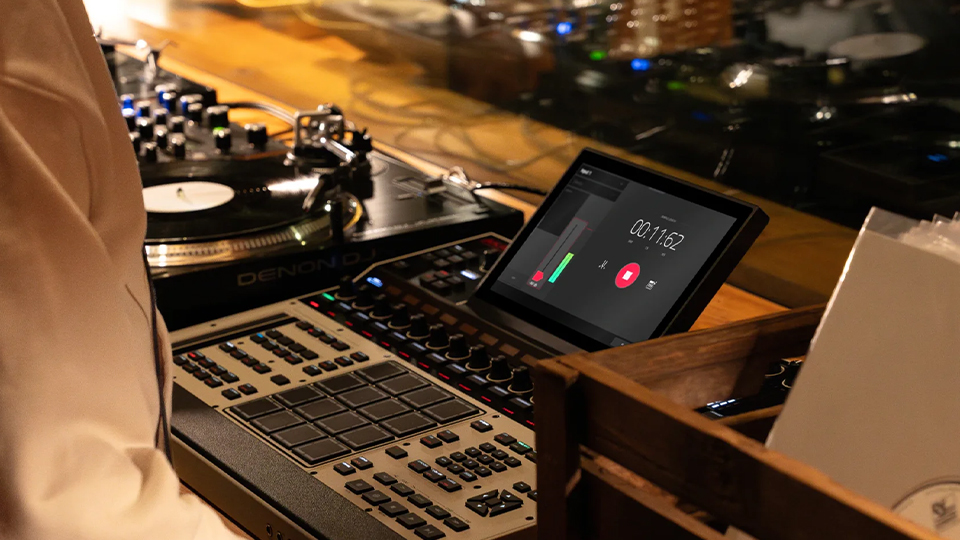
In this entry, we'll be going over some of our favorite standalone music creation stations we have for sale at B&H so you can take your eyes off the screen and make music the way the legendary hip-hop and electronic musicians of yore did.
AKAI MPC Series
The AKAI MPC is one of the OGs of hip-hop production. Its legendary status skyrocketed into the public eye due to the countless hit records it was responsible for producing while fundamentally changing the way producers—and eventually musicians—thought about time, feel, groove, and even entire approach to performance.
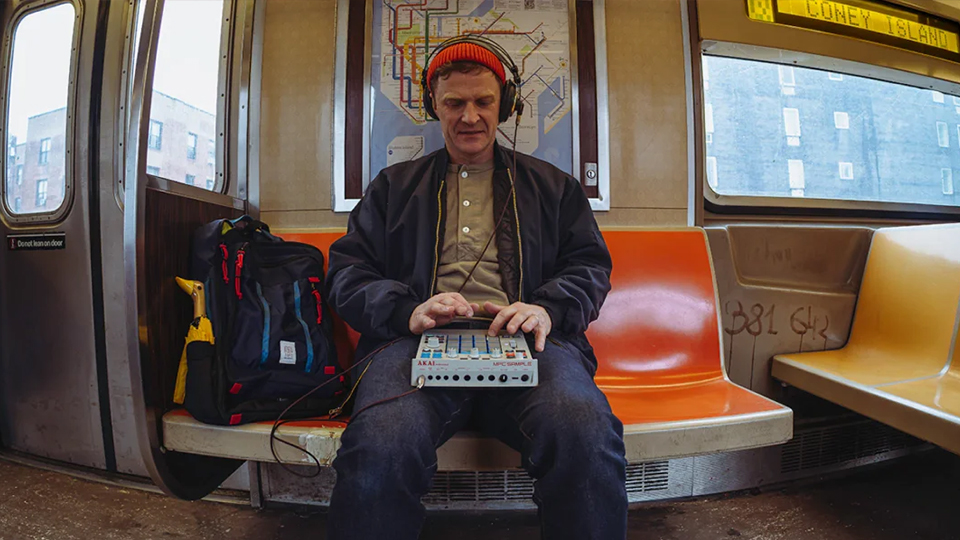
Designed by mythical engineer Roger Linn and first produced in 1988, the MPC and its architecture majorly influenced the development of electronic and sample-based music, used by some of the greats of the music industry including J Dilla, Pete Rock, 9th Wonder, the Alchemist, and DJ Shadow. The MPC is so culturally significant that the late J Dilla's original MPC3000 is currently on display at the Smithsonian. You can learn more about his life and his astronomical contributions to music production in the book "Dilla Time" by Dan Charnas.
The MPC has come a long way since the original MPC60 was released in 1988 with more than twenty different iterations of the machine produced since then. We currently offer five standalone MPC models at B&H, all at different price points offering different functionality and features, so you can get in on it whether you're on a budget or want to ball out.
MPC Sample
The recently released Akai Professional MPC Sample Sequencer is one of Akai's newest offerings, a "budget" machine whose form factor is based off the original MPCs from the 80s and 90s, now packed with modern technology. The iconic 16 velocity-sensitive pads are the main interface, but the MPC Sample has a 2.4" full-color multi-touch display, 8GB internal memory with a 2GB microSD card slot and 2 GB of internal RAM, and broad connectivity with 3.5mm sync MIDI I/O, 3.5mm sync output, and two 1/4" TRS I/Os.
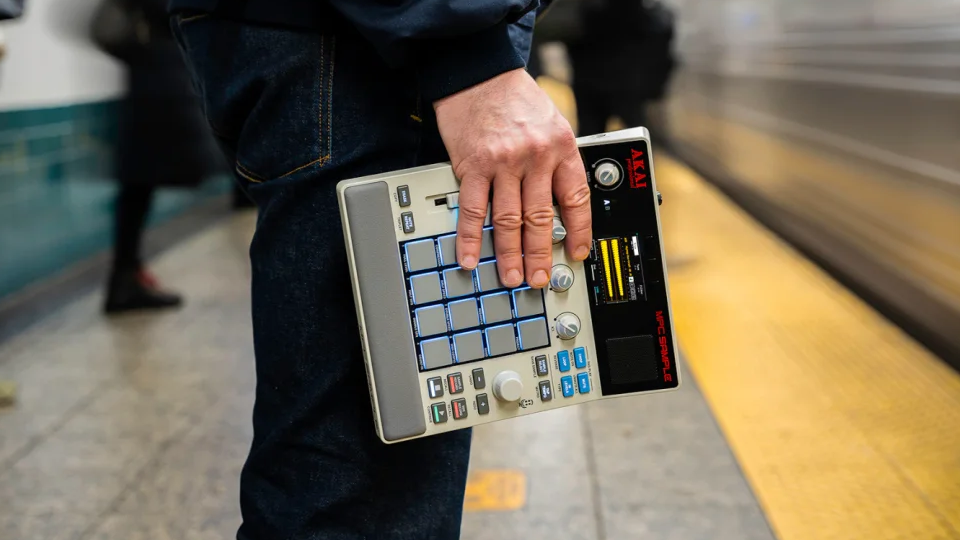
The MPC Sample is a true standalone device, capable of 32-voice polyphony and contains over 1600 samples, 100 kits, and 60 onboard pad and knob effects. You're also free (and encouraged) to add your own samples and kits to your heart's content. The MPC Sampler is perfect for beginners and seasoned pros alike.
MPC One G2
The newly released Akai MPC One G2 fills the mid-range budget gap between the MPC sample and the premium MPC Live III and MPC XL models, sporting a blue chassis reminiscent of the classic MPC1000 and MPC4000.
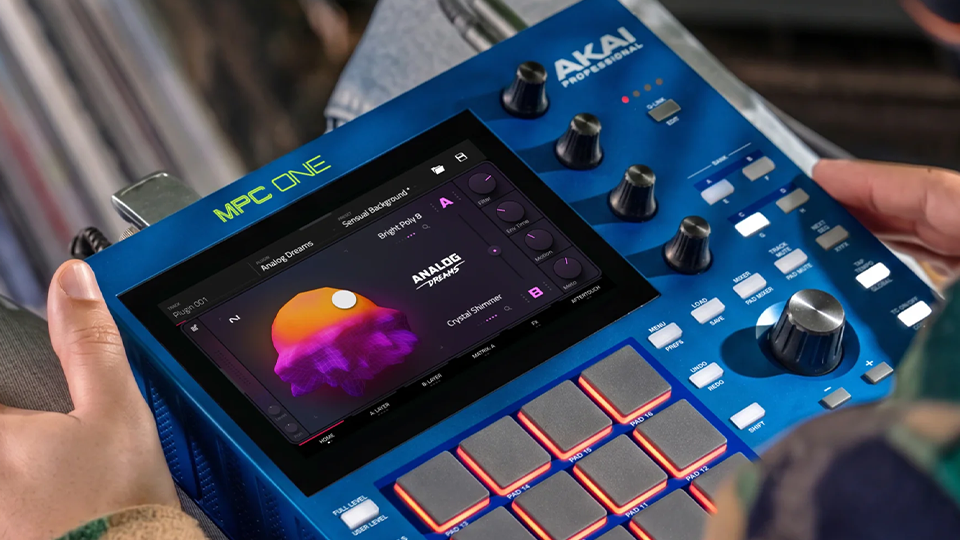
At twice the price, the Akai One G2 is a serious upgrade from the Sampler with a 7" multi-touch display that unlocks DAW-like capability with an arrangement window and clip launcher so you can make a fully arranged track—start to finish—right on the device. The computational power within the machine is up to snuff too, with an 8-core processor, 4GB of RAM, and 64 GB of internal storage powering support for 16 stereo audio tracks, 32 plugin instruments at once, and 24x24 audio streaming with expanded MIDI control if you choose to integrate the MPC One G2 with a hardware instrument or computer.
The included software package has more the 20GB of content with plenty of plugins, sample libraries, and two months free access to Splice's extensive library of royalty-free samples, one-shots, and sounds.
MPC Live III
The MPC Live III provides the full experience and capabilities of the MPC format in a portable package you can take on the go, with a lithium-ion battery that powers the machine for up to four hours. The Live III has a 7" multitouch display and 8-core processor but upgrades from the MPC One G2 with 8GB of RAM and 128GB of internal storage, supporting 32 instrument plugins and 16 stereo audio tracks at a time.
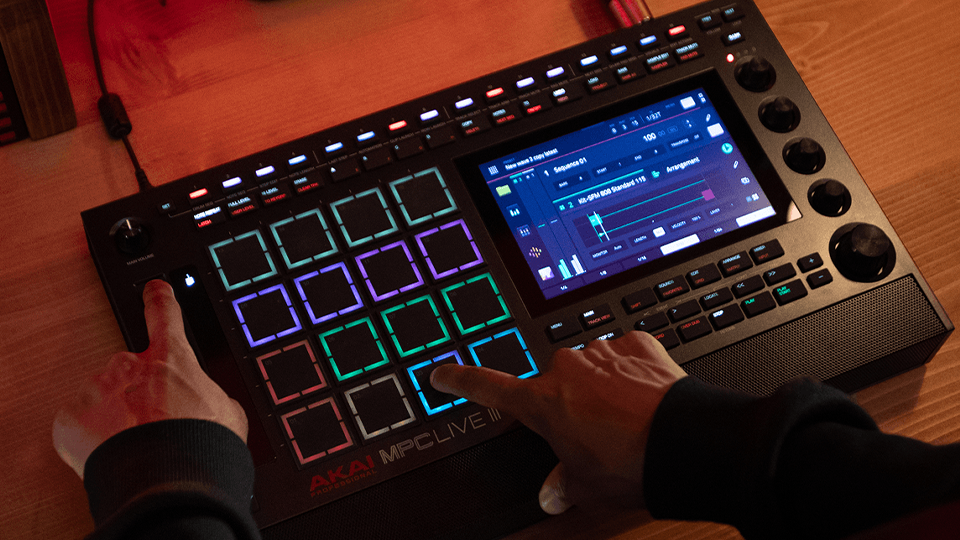
One of the most significant features of the MPC Live III is the 16 MPCe 3D-sensing pads that allow you to control performance and expression with velocity, pressure, and positional control. Other upgrades include a built-in condenser microphone, built-in stereo monitors, a high quality FFT based time stretch, and an enhanced stem separation algorithm.
If you're looking to get into the big leagues but still want a machine you can throw into your backpack for jamming or creating on the go, the MPC Live III might be for you.
MPC XL
If you demand the best of the best standalone music creation stations out there, look no further than the Akai MPC XL. This machine looks like it was created in a music producer's fever dream, with enough features and capability to make even the most seasoned beatmaker's head spin.
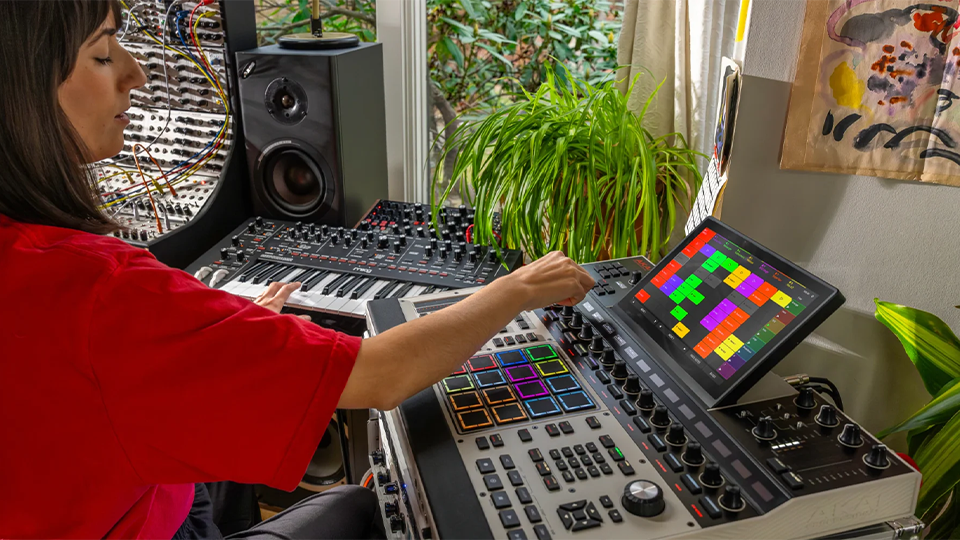
The Akai MPC XL internals include an 8-core processor, 16GB of RAM, and a built-in 256GB internal SSD. It features the iconic MPCe expressive pads, and 10.1" multitouch screen, a channel strip/command section, and a TON of I/O including eight line-outs, two Hi-Z/line ins for guitars and synths, XLR/TRS combo inputs with built-in mic pre-amps, eight 3.5" CV/Gate outs—if I listed every feature, I'd be here all day.
The MPC XL might be the absolute ultimate standalone command center money can buy—if you're serious about going DAW-less, this is perhaps the holy grail.
teenage engineering OP and EP Series
Teenage engineering is a Swedish audio and consumer electronics manufacturer that arguably doubles as a fashion and lifestyle brand; their designs and implementations are so slick and gossamer that they deserve (and have now acquired) displays in modern art museums.
The company was founded in 2005 by an eclectic group of technologically creative innovators involved in the nascent video game industry of the late 20th century. Founders Jesper Kouthoofd, Jens Rudberg, and David Eriksson led a video game development company in the 90's, known for an obscure PS1 cult classic "Kula World" ("Roll Away" in North America), and David Mollerstedt later joined in a leadership position having previously led the audio department at EA DICE, known for the long-running Battlefield series and (more notoriously) the Star Wars: Battlefront reboots.
The playfulness of the teenage engineering reflects the founders' passion for the intersection between technology, music, and gaming—one of their flairs is that some of their accessories are compatible with Lego pieces, allowing for pegs, gears, and motors to attach, combine, and even manipulate parameters of their devices.
But teenage engineering's products are somewhat of a luxury—some may say their gear is exorbitantly priced. But whatever your opinion is, the truth of the matter is that they make some of the most unique and creative music production stations out there.
OP-1 Field and OP-XY Workstations
The OP series is teenage engineering's flagship lineup, first released in 2010 and centered around its unconventional and modular design philosophies influenced by the toy-like Japanese synthesizers and samplers from the 1980s like the Casio VL-Tone and SK-1.
The OP-1 Field is a ludicrously powerful machine packed within a miniscule ultra-portable form factor, with capabilities as a multi-engine synth, sampler, vocoder, and controller. One of the most popular features of the OP-1 is the included 2.4GHz antenna system that allows you to record and sample from radio waves. The true number of features and capabilities this device has are far too lengthy to list in this article, but rest assured, you'll have a beast of a machine under your fingertips if you decide to pick up an OP-1.
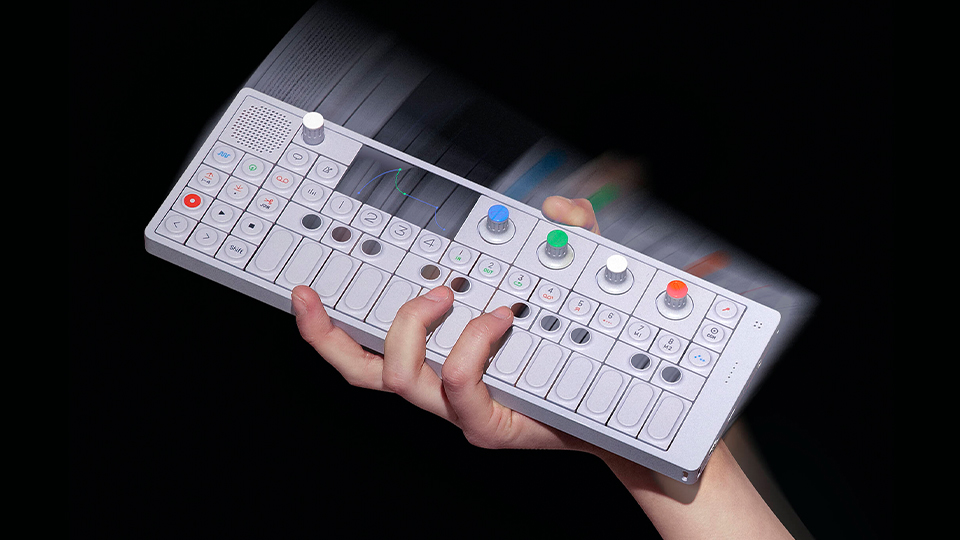
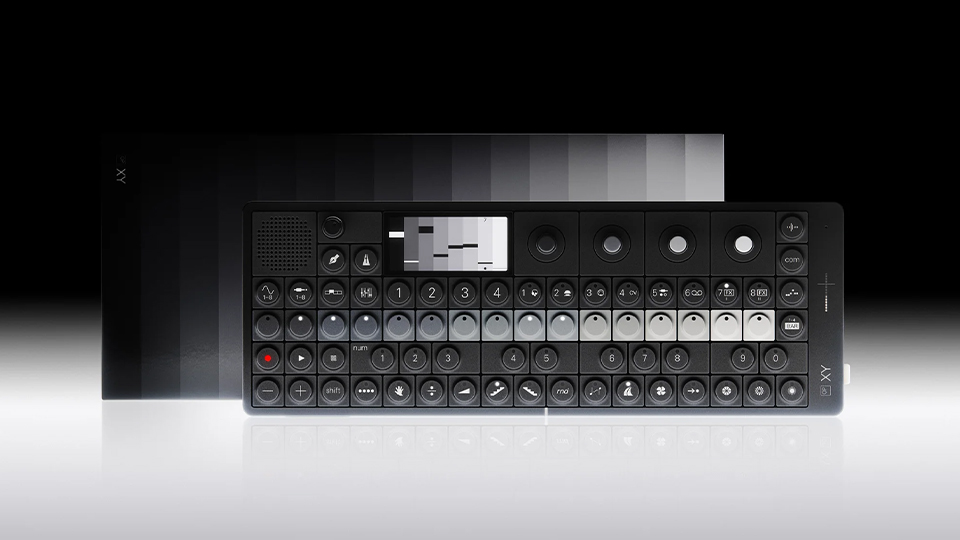
Where the OP-1 field acts as a four-track digital tape recorder and synth, the OP-XY's workflow follows the structure of a MIDI-based 16 step grid sequencer and portable DAW—while both share similar (and extensive) functionality and features, the way you'll go about creating will be vastly different. If you're into making electronic music, house bangers, or booming beats, the OP-XY acts more like a traditional DAW than the OP-1, allowing it to act as an instrument that builds beats incrementally with capability to arrange more complex songs and compositions.
EP Series
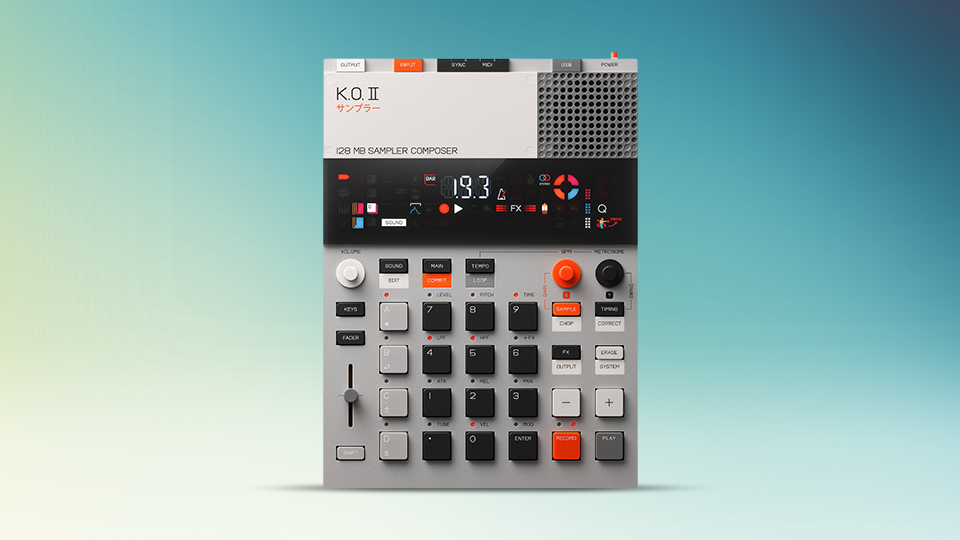
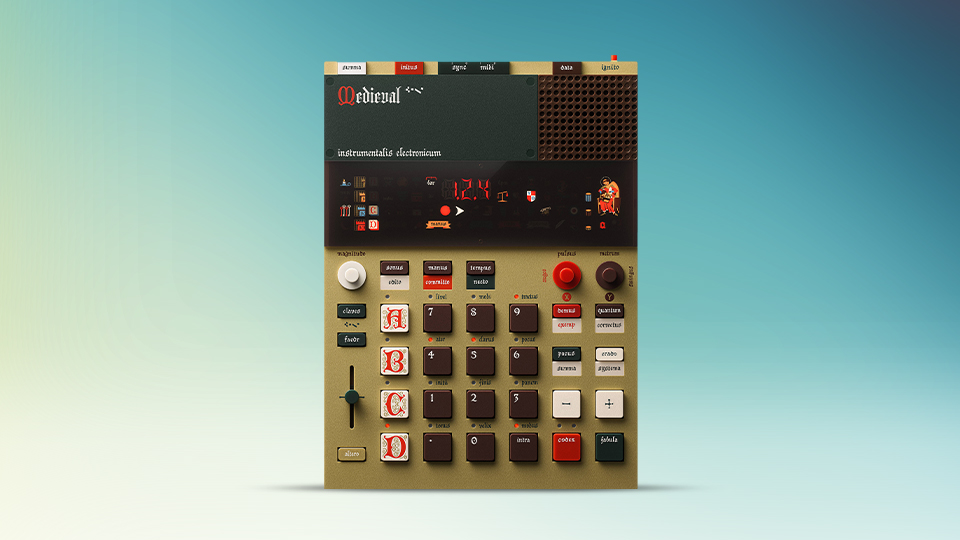
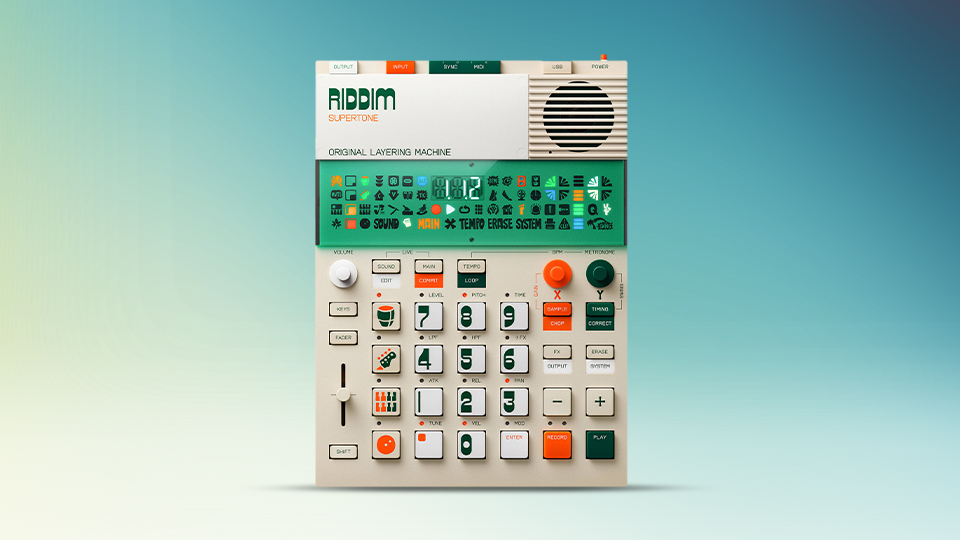
The EP-133 K.O. II, EP-40 RIDDIM, and EP-1320 Medieval are small portable music creation stations that have seen massive success since their release. Despite their playful and idiosyncratic design, these machines are capable of making some serious music.
The current lineup comes in three different models, all of which take the same form factor but vary slightly in their design and significantly in their substance. The flagship EP-133 K.O. II is centered around beat making, sampling, and sequence-based operation, where the EP-40 RIDDIM and EP-1320 Medieval are genre specific sound engines storing different sounds and capable of different iconographic effects.
If you're looking for a groove-station with maximum potential, the EP-133 K.O II is the way to go. This machine comes with built-in sounds but lets you record and chop your own samples and one-shots—like the Akai MPC, the K.O II heavily depends on user-loaded content to realize its full potential. If you want to make your own bespoke sounds and music, this is one.
The EP-1320 Medieval and EP-40 RIDDIM are machines centered around specific genres and sounds. The EP-1320 comes preloaded with non-erasable or changeable sounds aptly invoking the medieval era, like hurdy-gurdys, Gregorian chants, high-fantasy foley (think Lord of the Rings), lutes, and percussion sounds invoking antiquity.
The EP-40 RIDDIM is a sampler/composer inspired by the sounds of reggae, dub, and dancehall genres born in the Caribbean Islands in the mid-20th century. It comes with 128MB memory, built-in mic and speaker, and a ton of built-in effects. You can also add on the EP-2350 TING external microphone that captures a sound reminiscent of megaphones and low-quality loudspeakers, further invoking the classic Caribbean sound.
Roland SP-404MKII Sampler
The Roland SP-404MKII is one of the most popular (and comparatively affordable) professional standalone music creation devices on the market, favored by hip-hop, lo-fi, and electronic musicians for both studio production and live performances. The SP-404 is primarily a sampling station sporting a OLED display that shows waveforms and edit points in real time so you can visualize your composition and workflow. It comes with 17 velocity sensitive RBG pads that can double as a pattern sequencer along with 16GB of internal storage that comes preloaded with 2560 samples and patterns so you can get started right away.
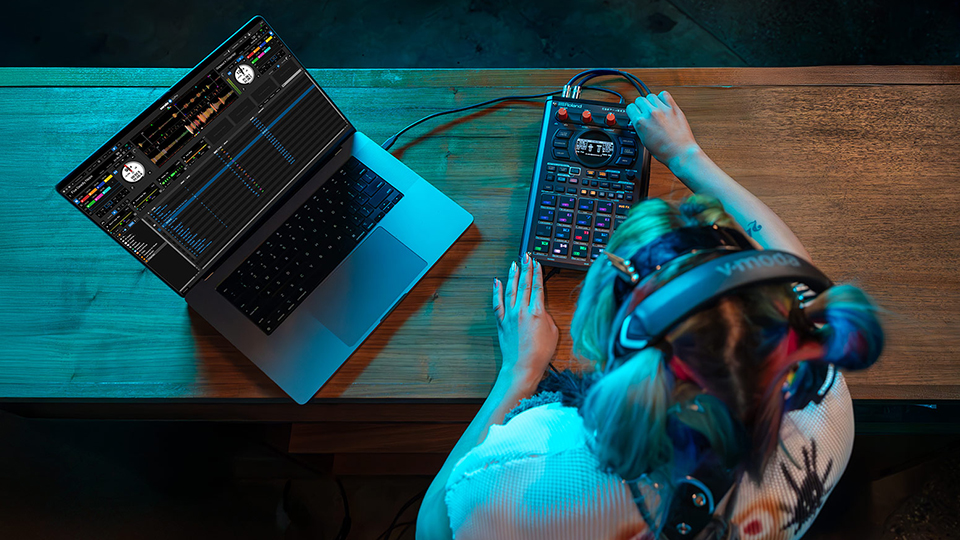
Hip-hop heads already know that the SP-404 has been used to make some of the most iconic and transformative hip-hop records of the last two-plus decades. If you want to get your hands on a historically significant music creation device, the SP-404 is a fantastic starting point; one that will last no matter how deep you get into it.
Native Instruments MASCHINE+
The Native Instruments MASCHINE+ is a classic groove-box style station that can act as a sampler, drum machine, sequencer, synthesizer, and multi-effects unit that can transform initial ideas into finished compositions. Like the Roland SP-404, the Maschine is perfectly suited for both in-studio production as well as live performance sixteen with ultra-sensitive and expressive pads, allowing for realistic sounding finger drumming, strumming, and other specific and expressive articulation.
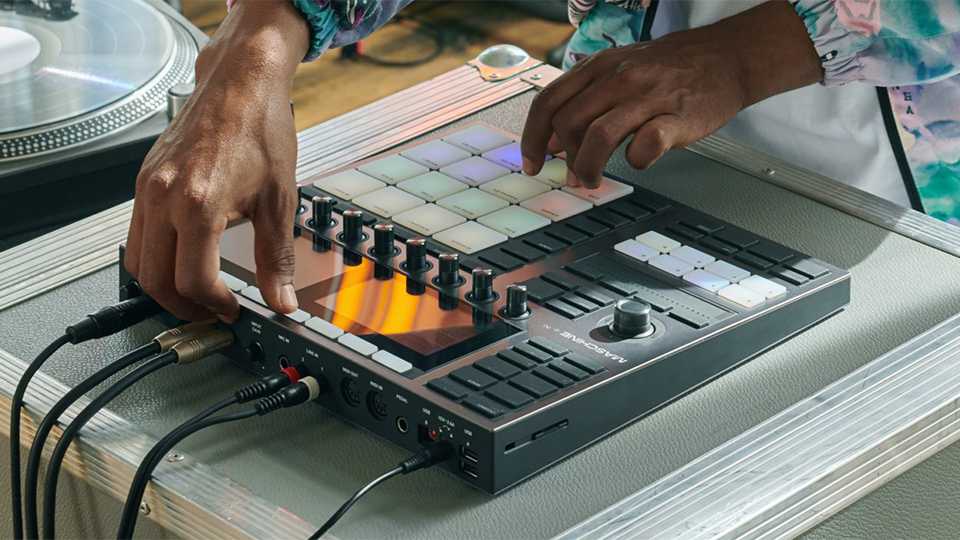
Before loading up any of your own samples or instruments, the Maschine+ ships with eighteen instruments, 37 effects, and thousands of sounds right out of the box. Take advantage of powerful built-in synthesizers and drum machines like MASSIVE, FM8, DRUMLAB, and PHASIS and start making great sounding music instantly.
The Maschine+ features a quad-core processor and 4GB dual channel DDR3L RAM and ships with a 64GB SD card in its slot, expandable to up to a terabyte SD card or even more when connected to a hard drive via USB. Its integrated 24-bit/96kHz audio interface has two ¼" TRS line outs and line ins, ¼" dynamic mic input (no mic pre), headphone and, and MIDI I/O for expandable control either in the studio or on the stage.
Other Considerations
If we were to go in depth on all of the standalone music creation stations, grooveboxes, and synth/samplers we love here at B&H, this article would be as long as a novel—so instead of inundating you with endless descriptions and praise, here are some short overviews and comments about some other of our favorite—but perhaps not quite as popular—music production stations we have for sale.
teenage engineering Pocket Operator Series
While these machines aren't an end-all-be-all music creation station individually, when they're combined, they become a powerful musical creation machine. Each of the eight pocket-sized modules has their own function, sound, and workflow—but they can be daisy-chained together via 3.5mm audio cables to work in concert. If you combine a drum machine like the PO-12 rhythm or PO-32 tonic with the PO-14 sub bass synth, PO-16 factory lead synth, and PO-24 office noise percussion module, you've essentially created a standalone system that can act as a full band!
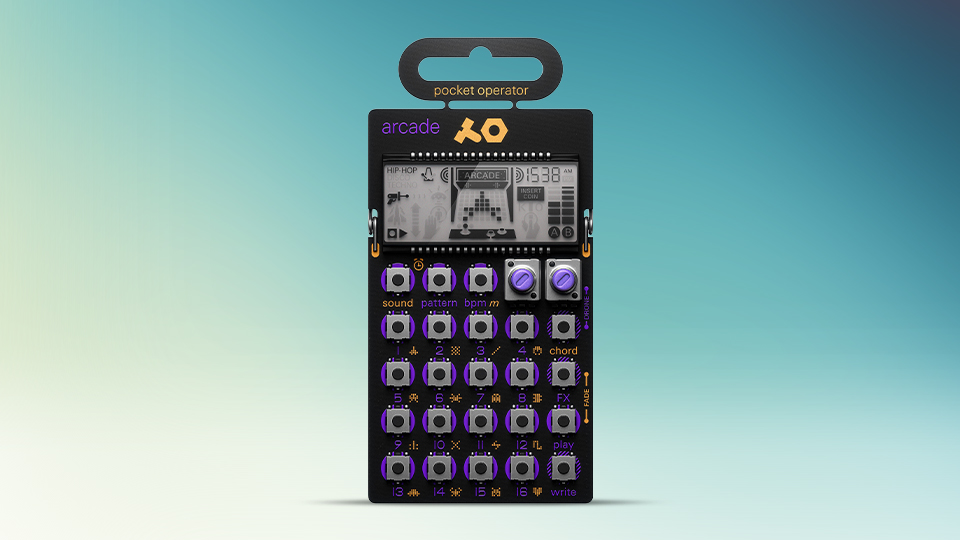
The Pocket Operator series also includes the PO-20 arcade synth for bleep bloops, PO-28 live synth/sequencer (not available at B&H but still purchasable on teenage engineering's website), PO-33 micro sampler, and PO-35 vocal synth with voice character sampling.
Roland AIRA Compact Series
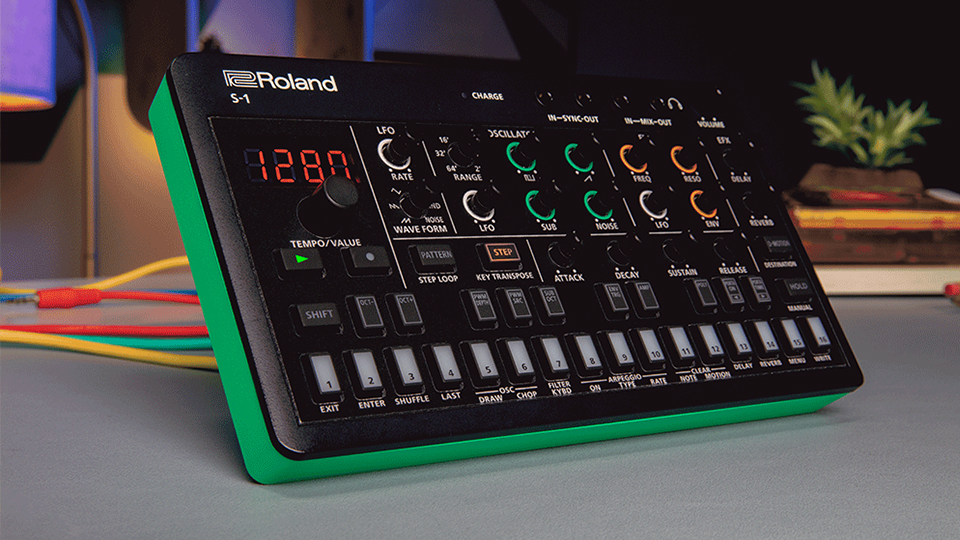
Like the Pocket Operators, the Roland AIRA Compact series are powerful pocket-sized creation devices in their own right but can be daisy-chained together to create a fully functional creation station—hot tip: if you're only going to get one, get the S-1 Tweak Synth—as a polyphonic synth, it can make an entire song beginning to end. Its capable of producing chords, bass, leads, and drum sounds if you've got the knowledge. Other models include the T-8 Beat Machine for drums, J-6 Chord Synthesizer to easily unlock four-note chords for more complex progressions, P-6 Creative Sampler for sampling, chopping and slicing, and granular synthesis, and E-4 Voice Tweaker to add effects, pitch correction, harmonies, and vocoders to your vocals.
Wrapping Up
These are but a few of our favorites. There are other standalone stations that I wish I could wax poetic on: the Elektron Syntakt Dum Machine and Synth and Octatrack MKII Performance Sampler are a favorite of remix artists, producers and DJs, Roland's MC-101 and MC-707 Grooveboxes invoke the sound and workflow of the classic TR-808, TR-909, JUNO synths, and SH-101 drum machine, and the Polyend Tracker is a device that harnesses the classic tracker workflow of 8- and 16-bit video game music production. There are simply too many devices to learn and master to be able to talk about every single one!
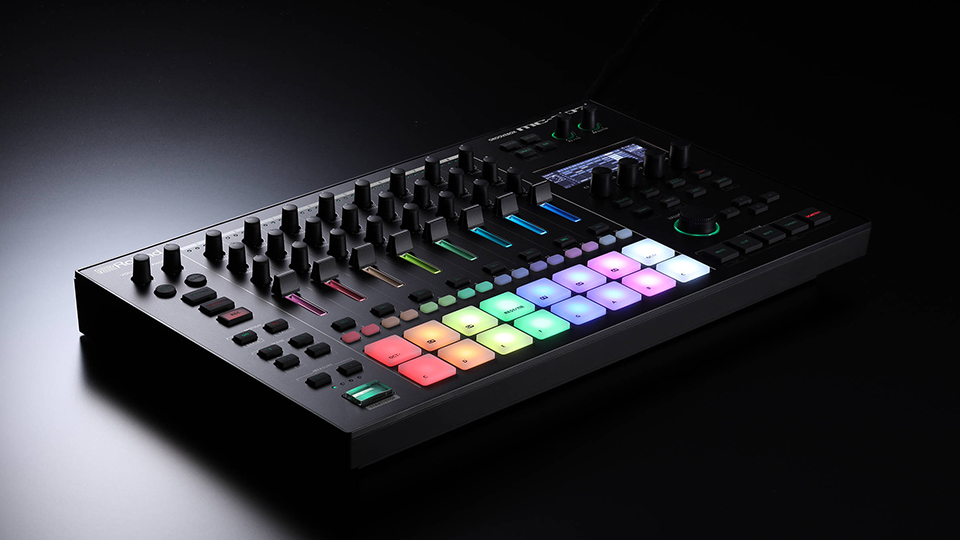
Armed with this knowledge, I hope you are better able to decide what standalone device would best suit what you're trying to create and best support the way you want to do so, so you can get your hands off the keyboard and mouse and start making music in a more tactile and engaging way. And as always, feel free to reach out to one of our pro audio experts at the 420 Midtown SuperStore or online if you have any more questions.
