Fabric Scrims

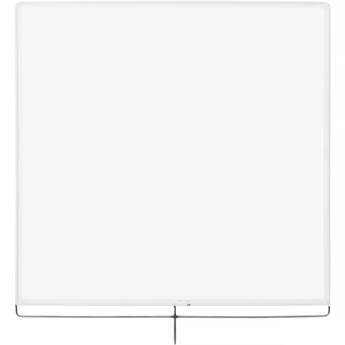
TRP WORLDWIDE Single Net (White, 48 x 48")
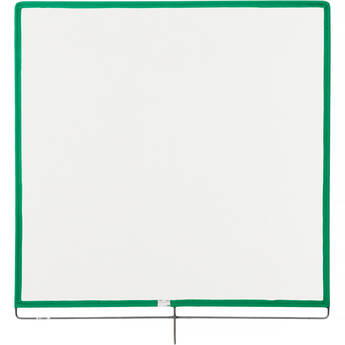
TRP WORLDWIDE Single Net Scrim (48 x 48")
Matthews Open End Double Scrim (Black Bobinett, 18 x 24")
- 18 x 24" Open End Frame
- Reduces Illumination by 1 Stop
- 3/8" Pin with Handle
TRP WORLDWIDE China Silk Fabric (Black, 48 x 48")
- Lightweight, Natural Silk
- Translucent, Medium Diffusion
- Stainless Steel Frame
CineGearFactory Egg Crate Grid Flag Hard Edge (23.6 x 29.5")
- For Butterfly Frames
- Easy & Quick Deployment
- Narrows Beam Spread to 50°
- Controls Spill Light
CineGearFactory Egg Crate Grid Flag Standard Edge (35.4 x 47.2")
- Universal Compatibility
- Use with Diffusers, Softboxes & Frames
- Narrows Beam Spread to 50°
- Controls Spill Light
Godox Scrim Flag Kit (18 x 24")
- 5 x Collapsible Flag Frames
- 1- and 2-Stop Silk Screens
- 1- and 2-Stop Black Net Screens
- Solid Black Screen, 2 x Fingers: 4 x 14"
CineGearFactory Double Net Scrim 4 x 4' (White)
- Bounce and Diffuse Light
- Dual-Layered Net
- Diffuse Intensity by Approx. 1 Stop
CineGearFactory Double Net Scrim 4 x 4' (Black)
- Absorb and Reduce Light
- Dual-Layered Net
- Reduce Intensity by Approx. 2 Stops
CineGearFactory Egg Crate Grid Flag Hard Edge (23.6 x 35.4")
- For Butterfly Frames
- Easy & Quick Deployment
- Narrows Beam Spread to 50°
- Controls Spill Light
CineGearFactory Egg Crate Grid Flag Standard Edge (39.3 x 39.3")
- Universal Compatibility
- Use with Diffusers, Softboxes & Frames
- Narrows Beam Spread to 50°
- Controls Spill Light
CineGearFactory Egg Crate Grid Flag Hard Edge (29.5 x 35.4")
- For Butterfly Frames
- Easy & Quick Deployment
- Narrows Beam Spread to 50°
- Controls Spill Light
CineGearFactory Egg Crate Grid Flag Hard Edge (35.4 x 35.4")
- For Butterfly Frames
- Easy & Quick Deployment
- Narrows Beam Spread to 50°
- Controls Spill Light
CineGearFactory Egg Crate Grid Flag Standard Edge (43.3 x 43.3")
- Universal Compatibility
- Use with Diffusers, Softboxes & Frames
- Narrows Beam Spread to 50°
- Controls Spill Light
Matthews Solid Frame Scrim - 48x48" - White 1/4 Stop China Silk
CineGearFactory Egg Crate Grid Flag Hard Edge (35.4 x 47.2")
- For Butterfly Frames
- Easy & Quick Deployment
- Narrows Beam Spread to 50°
- Controls Spill Light
CineGearFactory Egg Crate Grid Flag Hard Edge (39.3 x 39.3")
- For Butterfly Frames
- Easy & Quick Deployment
- Narrows Beam Spread to 50°
- Controls Spill Light
Manfrotto Rapid Flag Kit (18 x 24")
- Single Net, 0.6-Stop
- Double Net, 1.3-Stop
- Artificial Silk Diffuser, 1.6-Stop
- Solid Black Duvetyne Cover
CineGearFactory Egg Crate Grid Flag Standard Edge (47.2 x 47.2")
- Universal Compatibility
- Use with Diffusers, Softboxes & Frames
- Narrows Beam Spread to 50°
- Controls Spill Light
CineGearFactory Egg Crate Grid Flag Hard Edge (47.2 x 47.2")
- For Butterfly Frames
- Easy & Quick Deployment
- Narrows Beam Spread to 50°
- Controls Spill Light
Manfrotto Rapid Flag Kit (24 x 36")
- Single Net, 0.6-Stop
- Double Net, 1.3-Stop
- Artificial Silk Diffuser, 1.6-Stop
- Solid Black Duvetyne Cover
Matthews RoadRags C-Vival Kit (18 x 24")
- Two 18 x 24" Frames
- Single & Double Scrims
- Artificial Silk & Black Flag
- RoadRags Bag
Using a Scrim in Photography
Scrims are light modifiers used in still photography and film. Made from steel or fabric, many different types of scrims are available. They help you reduce the intensity and harshness of lighting on set or in the studio. You can also use scrims on natural lighting, without the use of a light fixture.
Benefits of Using a Scrim
In many cases, you can't dim certain light bulbs electronically. Scrims are the only option you have available to dim these lights. Incandescent bulbs change color temperature as they dim, becoming progressively orange. To keep the color temperature consistent, you might need to use a scrim on these incandescent bulbs. Scrims are "color safe," and filmmakers often prefer to use them rather than electronically dimming their lights. Scrims also reduce harsh light on people's faces and subjects being filmed or photographed. If you want to cut light or create shadow, you can find a variety of light control dots, fingers, and cucoloris to add to your light modifier collection.
Steel Scrims vs. Fabric Scrims
Fabric scrims are better for diffusion, softening, and providing color to light sources. The scrim fabric also deflects the light, which causes the beam spread to change. Steel scrims never burn, and they're durable, lasting for years. Metal scrims also work with gobo lights and lights that have lenses, while fabric scrims don't.
When to Use Open-end Scrims
Use open-end scrims when you're trying to dim particular areas where light is falling onto the set. An open-end scrim allows you to control the dimness of light without causing a noticeable line, edge, or shadow on the scene or subject. These open-end scrims are usually fabric, and sometimes referred to as "nets."
If you're looking for a variety of options to help control and manipulate your lighting systems, check out B&H Photo and Video for scrims and other light control and accessory kits.