XLR to XLR Cables

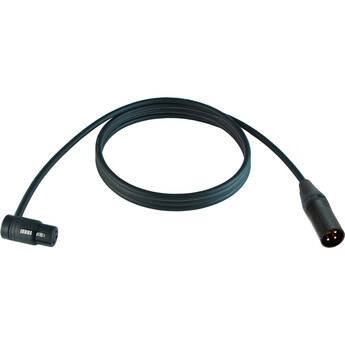
Cable Techniques Low-Profile Right-Angle XLR Female to Straight XLR Male Premium QUAD Cable (Black Cap, 15')
- For Stage and Studio Use
- Handmade, Premium Mic Cable
- Mogami W2893 QUAD Neglex Cable
- Low-Profile, Right Angle XLR-3 Female
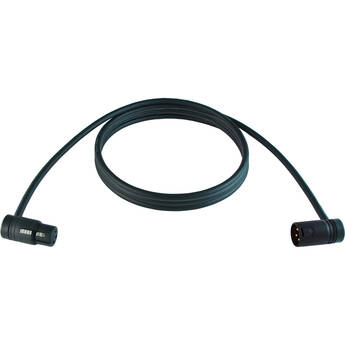
Cable Techniques Low-Profile Right-Angle XLR Female to Low-Profile Right-Angle XLR Male Premium QUAD Cable (Black Cap, 15')
- For Stage and Studio Use
- Handmade, Premium Mic Cable
- Mogami W2893 QUAD Neglex Cable
- Low-Profile, Right Angle XLR-3 Female
D'Addario Custom Series Swivel XLR M to XLR F Microphone Cable - 25' (7.6m)
- Dual-Layer Shielding for 100% Coverage
- Oxygen-Free Copper Conductors
- 24kt Gold-Plated Plugs
- Patented Swivel XLR Plugs
Cable Techniques CT-PX-325 Premium Microphone Cable - 25' (7.62m)
Hosa Technology XLR Male to XLR Female (20 Gauge) Balanced Cable - 20'
RapcoHorizon HOGMPRO-50 Pro XLR Microphone Cable (50', Black)
- XLR-F to XLR-M Cable
- For Professional Applications
- 2 x 20 AWG Pure Copper Conductors
- Neutrik Black Shell XX Series Connectors
Pro Co Sound AmeriAquad XLR Male to XLR Female Microphone Cable - 20'
Cable Techniques Premium Studio Microphone Cable (6')
- Genuine Mogami W2534 QUAD Neglex Cable
- Straight Neutrik XX Series XLR 3-Pin
- Black with Gold Pins
- Conductor Insulation Is XLPE
Studioflex High-Definition XLR Microphone Cable (25', Black)
- 99.9% Oxygen-Free Copper
- High-Density Braided Shield
- Studio-Grade Black 3-Pin XLR Connectors
- For All Levels of Singers and Production
Mogami MCP XX 15 CorePlus XLR Female to XLR Male Microphone Cable (15')
- High-Performance for Studio & Live Sound
- Clear Signal, Low Handling Noise
- 2-Conductor CorePlus Mic/Line Cable
- Ultrahigh-Density Spiral Shield
Pro Co Sound MasterMike XLR Male to XLR Angled Female Cable - 10'
Remote Audio Y Cable (XLR Male to 2 x XLR Female) - 8"
Remote Audio Low-Profile XLR3F to XLR3M Balanced Straight Jumper Cable (18")
- Straight Balanced Jumper Cable
- Connector 1: XLR 3-Pin Female
- Connector 2: XLR 3-Pin Male
- Compact Low-Profile Female Connector
Remote Audio Low-Profile XLR3F to XLR3M Balanced Straight Jumper Cable (12")
- Straight Balanced Jumper Cable
- Connector 1: XLR 3-Pin Female
- Connector 2: XLR 3-Pin Male
- Compact Low-Profile Female Connector
Pro Co Sound MasterMike XLR Male to XLR Female Cable - 50'
Sescom Outdoor Heavy-Duty Microphone Cable (10')
Pro Co Sound MasterMike XLR Male to XLR Angled Female Cable - 15'
Pro Co Sound MasterMike XLR Angled Male to XLR Female Cable - 15'
Ambient Recording MK5 3-Pin XLR Female to 3-Pin XLR Male Microphone Cable (16.4', Black)
Hosa Technology XLR Male to XLR Female (20 Gauge) Balanced Cable - 15'
Cloud Microphones Elevated Performance Audio XLR Cable (Black, 10')
- Rugged and Road Ready for Stage & Studio
- Neutrik Gold-Plated Connectors
- Extra-Durable Braided Shielding
- Clean, Professional Black Jacket
D'Addario by D'Addario American Stage Microphone Cable (5')
- XLR Male and Female Connectors
- Connectors by Neutrik
- Braided Copper Shield
- Crimped Connector Tech for Durability
Remote Audio 3-Pin XLR Right Angle Male to 3-Pin XLR Right Angle Female Coiled Jumper Cable (8 to 30")
Canare Starquad XLRM Cable with Neutrik Unisex XLRM/XLRF (Yellow, 3')
Canare Starquad XLRM Cable with Neutrik Unisex XLRM/XLRF (White, 3')
Canare Starquad XLRM Cable with Neutrik Unisex XLRM/XLRF (Red, 3')
Using XLR Cables (Microphone Cables)
XLR cables are audio cables typically used for professional sound applications that require a balanced line. This type of cord is designed to reduce hum and other types of noise-producing, electrical interference that can enter the line over long distances. This feature makes them a suitable choice for connecting microphones to audio equipment such as mic preamps, mixers, and audio snakes.
There are several types of pin configurations for A/V cord connectors. XLR microphone cables usually come with circular, 3-pin connectors at either end of the cord.
A 3-pin XLR cable consists of two conductor wires, and a ground wire, surrounded by shielding and then encased in the cable's jacket. While the connector body does ground the signal when connected to the chassis, a separate ground eliminates potential ground loops, which can interfere with the signal, introduce noise into the line, and spoil a live performance or recording session. This is why XLR cables include a separate ground wire and pin, instead of just using two pins for the connection with one each for the positive or "hot" signal, and one for the negative or "cold" signal. Each cord also has one male and one female, 3-pin connection at opposite ends.
How Do XLR Cords Work?
An XLR cable contains both a positive and negative conductor, both of which can transmit audio signals between two balanced devices. As audio signals travel from one device to another through other types of A/V cords, the signal is highly susceptible to interference created by other electronic devices nearby. This usually expresses itself as a static-filled hum or buzzing sound. The unwanted noise is especially troublesome in professional audio applications where the accurate recording of sound is imperative.
Interference can occur when connecting balanced devices compatible with XLR to XLR cables, but you can resolve this issue by inverting the signal transmitted by one of the conductors so that it cancels out the interference. The ground wire is also soldered to the cable's shielding, which further reduces the chance of electrical interference and improves the strength and accuracy of the signal during transmission.
XLR Cable Uses
While XLR cords are most commonly used as microphone cables, you can also use them in a wide variety of other sound applications. XLR microphone cables can connect a microphone to a mixer's mic input, or mic preamp input. These cables can also pass a line-level signal between two balanced devices. This means they can also connect a mixer's main out to a powered speaker's line in or to a powered amplifier's line in. XLR-compatible adapters can make joining male to female and male to male connectors easier to complete.
To achieve a balanced signal, every device connected by the cables must also be balanced. For audio applications where it's less important to have a balanced line, you can join an RCA-compatible device, such as a DVD player, to your XLR compatible component, with RCA to XLR cables. Some wireless UHF microphones, condenser mics, and recording headphones use a smaller version of the 3-pin XLR cable. If you need to join this type of equipment to an RCA compatible component, you can connect them with mini to RCA cables.
When you need to capture high-quality sound for your personal or professional needs, an XLR cable can give you the audio clarity you need. Check out the inventory at B&H Photo and Video to find the right A/V cable for your application.