Search results for: audio buying guide understanding audio cables connectors
About 7 filtered results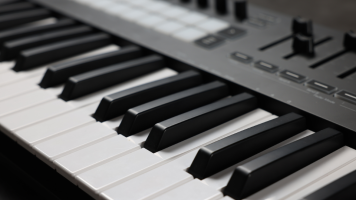
by Freddy Gerngross · Posted
The Musical Instrument Digital Interface, or MIDI for short, is the technical standard protocol that allows electronic musical instruments to interact with music hardware and software like synthesizers, soft-synths, and DAWs.
MIDI is not audio, but rather a set of instructions sent to a piece of hardware or software using keys, knobs, sliders, or other methods of input to define the pitch, timing, volume, and velocity of the sound module’s output. The MIDI controller has become essential in modern music production and can be found in just

by Freddy Gerngross · Posted
Now that we’ve discussed the basic gear you need to put on a live show, lets look at the specific kind of gear and knowledge you’d need to set up a professional event at a large venue, stadium, or arena. Whether you want to gain more knowledge in pro live sound or you’re just curious, you’re in the right place!
If you’re a beginner or want more context for this article, go ahead and check out the

by Freddy Gerngross · Posted
With the days we've chosen to honor our parental units quickly approaching, it can be tough to find a gift that isn't just the same old stuff as last year. While grilling utensils or a bath kit can be the stereotypical and affordable solution, these 10 audio gift ideas can seriously impress your forbears—even if your parents aren't music lovers.
For Vinyl Lovers: Audio-Technica Sound Burger and Audio-Technica ATLP70XBT
Society writ large has decided that vinyl is back and here to stay. Whether you have parents who have collected a library of

by Trevor Collins · Posted
These days it often seems like everyone has a podcast. With so much competition and so many options for podcasting-centric equipment, it can be daunting to dive in headfirst without knowing the ropes. That’s where B&H comes in, with another all-encompassing guide to set you up for success and help you get your content off the ground as painlessly as possible. Let’s begin.
Why Make a Podcast?
The first topic couldn’t be simpler: Why even start a podcast? The answer is simple−because it’s the best way to get your content to the masses.

by Andrew Eisele · Posted
MIDI (Musical Instrument Digital Interface) is a programming language that connects a wide variety of electronic musical instruments, computers, and related devices for playing, editing, and recording music. When we record with MIDI, we are capturing the performance of how an instrument was played, not the audio waveforms produced by the instrument. This has many benefits because we can add notes, edit velocities, correct the performance, or change the sound of the instrument altogether.

by Gabby Bloch · Posted
MIDI pad controllers are not only supremely fun when you have the right tools, but they also provide a creative and intuitive approach to writing music. Especially if you’re not a keyboard or guitar player, it’s an easy way to realize your musical ideas, allowing you to get from thought to creation with faster efficiency. Whether you’re just looking to create a fantastic bottom line, or you’re trying to produce a fully fleshed out track, we’ve got some pad controllers that will get you on your way.
If you’re looking for a more general guide to

by Freddy Gerngross · Posted
In-ear monitors, or IEMs, are an integral part of any professional live performance. They sound better and are much smaller than stage wedges, offering musicians a far more effective monitoring solution by delivering consistent sound no matter where they are on stage. Depending on your budget and intention, adding IEMs to your workflow can be either a modest upgrade to your setup or serious evolution of your production value. In this guide, we'll be going over the advantages (and disadvantages) of IEMs as well as some of the intricacies and