
There are many ingredients that make up a good photographic portrait, from foreground to background, setting, pose, expression, color, lighting, and so on. That said, one element that can be as important to the result as the portrait sitter is the lens used to capture the portrait and help create the art.
Any lens can be used to take a portrait with your camera, however, there are traditional focal lengths that are considered as definitive "portrait lenses." These are standard to telephoto focal lengths like 50mm, 85mm, and 135mm. Lenses in these focal lengths tend to offer the perfect blend of sharpness, compression, and of course background rendering that make portraits pop, but there are subtle differences between them. Is one better than the others?
To put it simply, it's all up to personal preference. That said, there's only one way to find that preference and that's by trying these focal lengths out or by looking at examples taken with them. To help you out, we've put together a list of some of our favorite portrait lenses, but we wanted some additional input. So, we asked the experts, including the experts here at B&H as well as our creative partners, affiliates, and industry pros to share their favorite portrait lenses. Here are their picks.
Chris Orwig, @chrisorwig
Sony Ambassador
"For me, portraiture has always been about more than making a beautiful photograph. It's about connection. It's about slowing down, paying attention, and trying to see something true in another person. And that's one of the reasons I love the Sony 85mm F1.4 GM II. It's a lens that helps me get out of the way and focus on what matters most—the person in front of my camera.
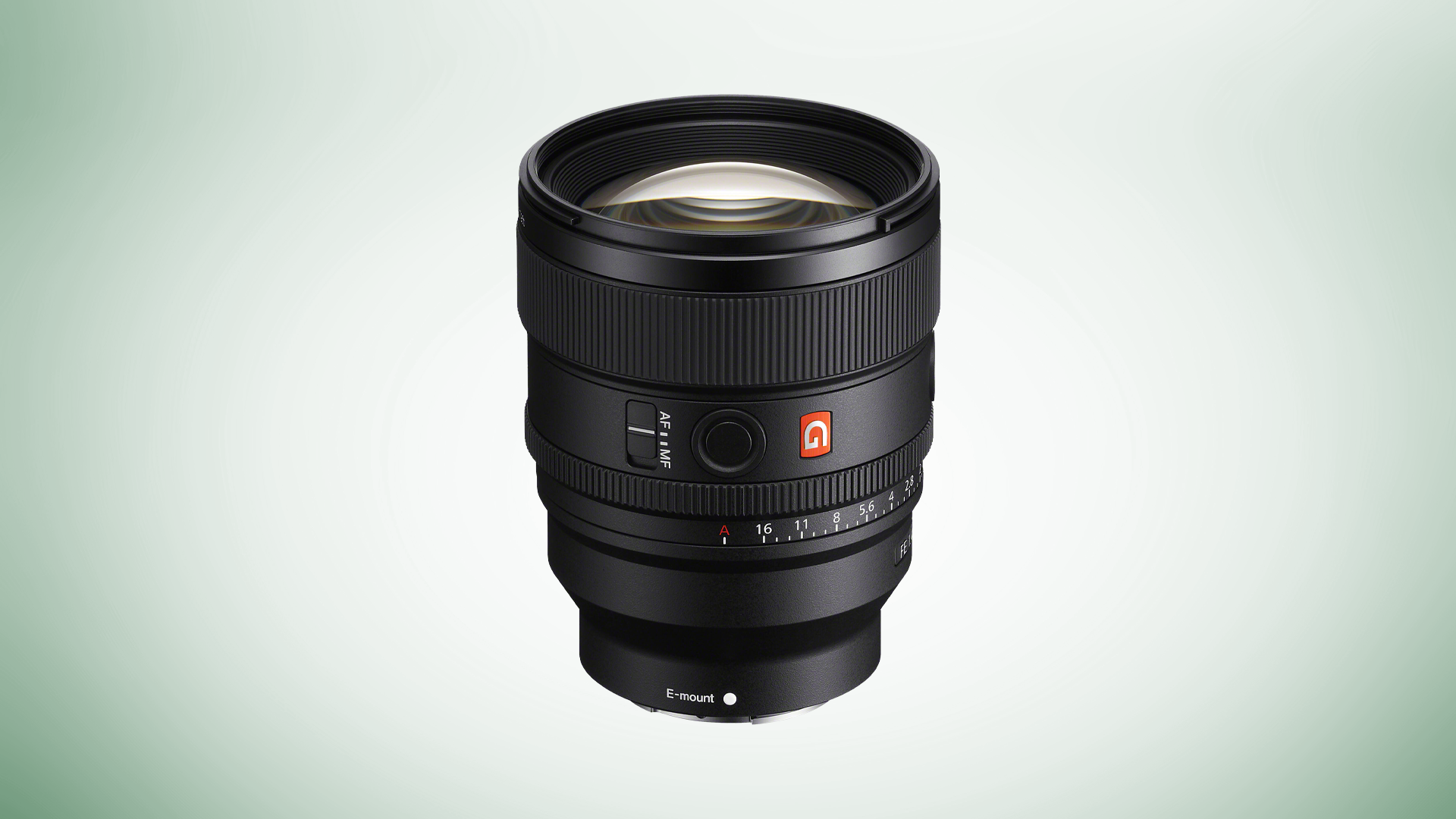
There's something magical about the 85mm focal length. It gives me just enough working distance to create a sense of ease and intimacy without crowding my subject. The perspective feels natural and flattering, and the way this lens renders backgrounds is simply beautiful. At f/1.4, the background melts away with a soft, almost painterly quality, while the eyes remain incredibly sharp. That combination of clarity and softness creates images that feel both intimate and timeless.
What I appreciate most is that this lens gives me the freedom to be fully present. It's fast, responsive, and remarkably precise, which means I can pay less attention to the gear and more attention to the subtle moments whether that's a fleeting expression, a quiet gesture, a glimpse of someone's personality. Ultimately, my favorite lenses aren't the ones that simply make things look beautiful. They're the ones that help me see more deeply. And for me, the 85mm GM II does exactly that."
1
Rosemary Ryan, @rosemaryryan__
Ricoh Imaging Ambassador, B&H Web Content
"There's something I love about taking portraits with the Ricoh GR IIIx and the GT-2 Tele Conversion Lens. On its own, the GR IIIx gives me variation from a 40mm-equivalent field of view, and with the addition of the GT-2, the perspective stretches to roughly a 75mm equivalent.
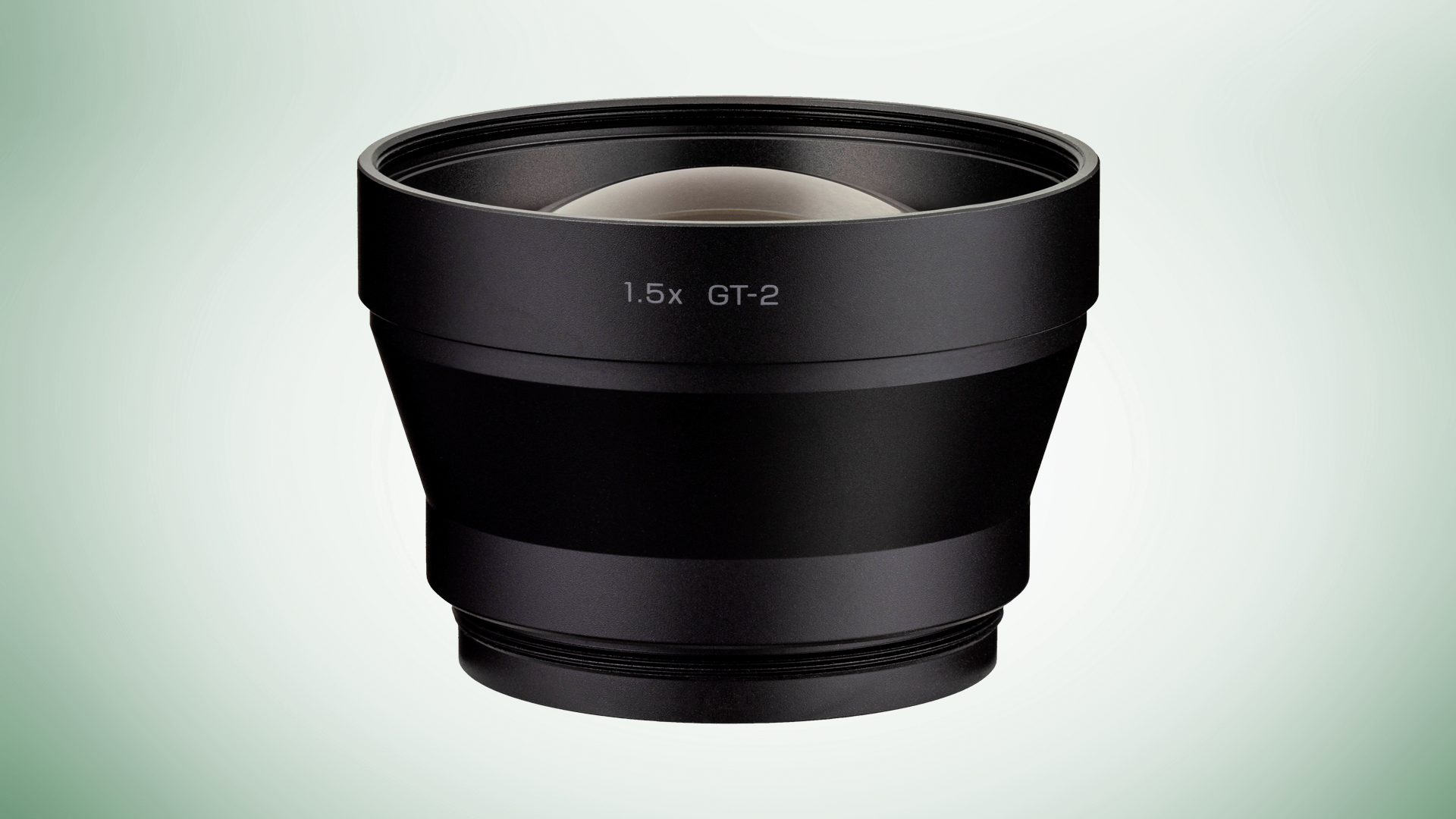
This unassuming pair transforms a tiny, disarmingly small point-and-shoot camera into an adaptable powerhouse that completely bypasses the burden of heavy and complicated gear systems. Instead of feeling weighed down by a bag full of gear, I am completely free to focus on what matters most with my clients - an organic and intimate connection with the person in front of me. For me, that's where the real power of this setup resides because it is not how impressive it looks, but how often I want to take it with me."
2
D'Ann Boal, @d.annboal
Nikon Ambassador
If dreamy, cinematic, razor-sharp magic is what you're looking for in a portrait lens, the NIKKOR Z 135mm f/1.8 S Plena is it. My camera bag is filled with fast primes, and yet this is the lens I continually find myself reaching for.
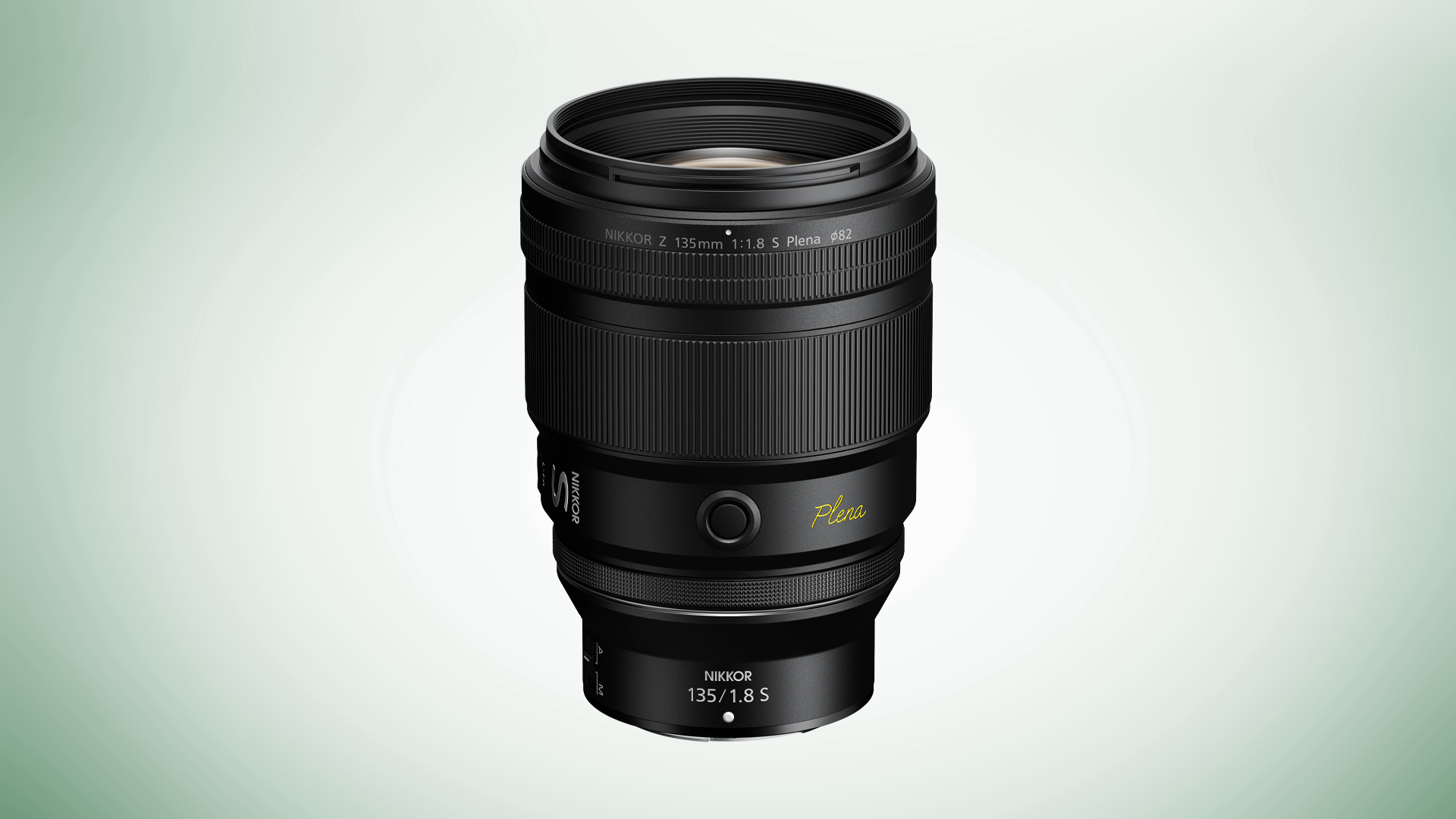
I'll go a step further: for portraits, I prefer it to two of the greatest lenses ever - the NIKKOR Z 85mm f/1.2 S and the NIKKOR 200mm f/2, both renowned for their extraordinary rendering and beautiful separation.
I love and use both of those lenses, but the 135mm gives me something I don't get quite as easily with the 85mm. Because of the longer focal length, it creates even more compression and renders these enormous, perfectly round, dreamy bokeh highlights that are that bit bigger than those with the 85mm. Yes, you've got to scoot back a little farther than you would with the 85mm, but if you've got the room and are willing to talk a little louder to pose your subject, those extra five steps are absolutely worth it.
And then there's the 200mm f/2. The images from that lens are extraordinary, truly, but it weighs nearly five pounds. The 135mm gives you an incredibly similar sense of depth and separation in a package that weighs roughly a third as much—and, for portraiture, the 135mm focal length is simply more practical. It fits easily in my camera bag and even weighs less than the 85mm.
What I love most about the Plena is the way it renders the world. It's incredibly sharp where you focus, while everything outside that plane of focus melts away beautifully. The transition from sharpness to blur feels almost effortless, giving portraits that dreamy, cinematic quality I'm always chasing. For the depth of field it offers, it's smaller and lighter than you'd think it would be.
From tight headshots to wide angle environmental portraits, this is the lens I keep grabbing. If I only had one lens, the NIKKOR Z 135mm f/1.8 S Plena would be it.
3
Steve Levy, @stevelevy_
B&H Web Content
The most consistent and versatile option in my camera bag, the Sony FE 35mm f/1.4 GM Lens provides all you need for capturing portraits that draw focus to your subject while keeping much of your background in frame. Its wide f/1.4 aperture complements every photo with gorgeous bokeh and can be a massive advantage in any lighting scenario.
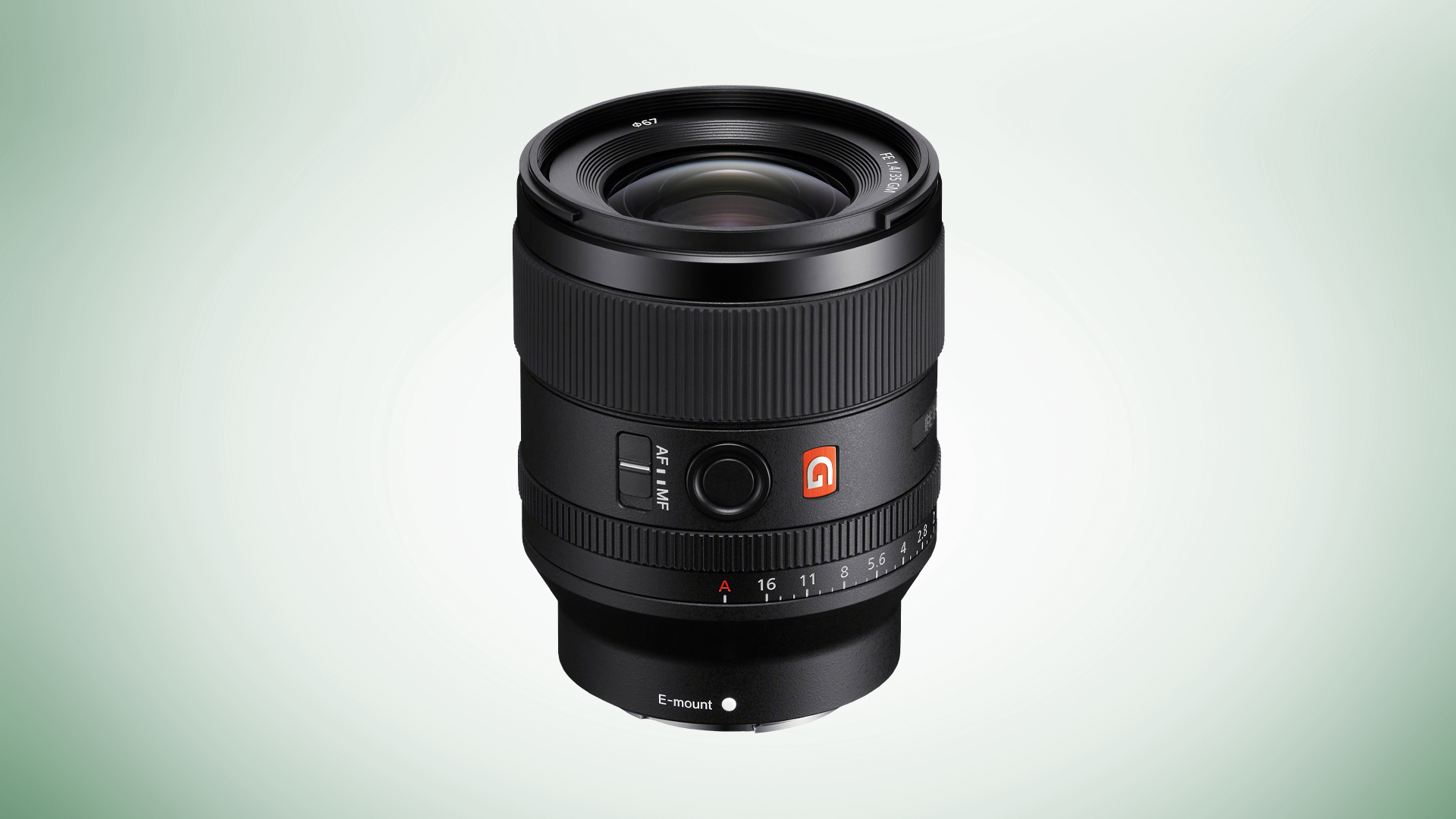
While 35mm may not be everyone's idea of a portrait lens, this focal length gives you plenty of breathing room to nail composition from any angle. While alternatives such as an 85mm or 100m lens demand that you be a certain distance away from your target, this prime lens requires you to rely more on your feet and work closer to your subjects. The lens's G Master optical design is plenty impressive, allowing you to crop in post without sacrificing noticeable image quality. What really sold me on this lens is how compact it is. While shooting with it, or packing it away, its size is a luxury that makes it that much more valuable to me.
4
Kelsey Johnson, @heykelseyj
Canon Creator
My all-time favorite lens for my particular style of environmental self-portraiture is the Canon RF24-70mm F2.8 L IS USM. While many portrait photographers gravitate toward prime lenses with wider apertures, I subscribe to the belief that the best lens is the one you have with you. And when I'm traveling to wild locations on demanding adventures, whether that's trekking through the world's largest cave in Vietnam or ice climbing on a glacier in Alaska, it simply isn't possible to carry several different lenses.
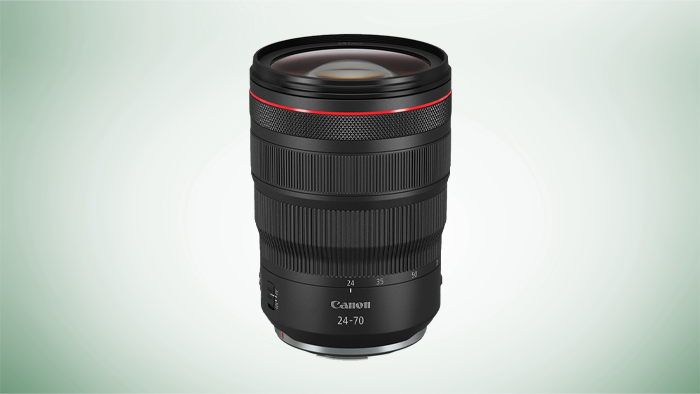
With the 24-70mm, I can bring just one lens and still create a wide variety of images. The range of focal lengths allows me to shift from environmental portraits that place a subject within the landscape to tighter, more intimate compositions, giving me much more diversity within a single shoot. It's incredibly versatile without sacrificing image quality, and if I could only use one lens for the rest of my life, this would be it.
5
Joshua Dwain, @joshua_dwain
Nikon Creator
"It's hard for me to choose a single favorite portrait lens, but the Nikon 85mm f/1.2 S is definitely at the top of my list. As a photographer who shoots portraits and weddings, I've really come to appreciate the look of images shot with this lens. The way the background seems to melt away, how naturally it separates the subject from its surroundings, and just how sharp it is. It has a particular look that I don't quite get from the other lenses in my bag. So, when I reach for it, I already have a pretty good idea of what I'll get out of it. Sometimes I joke about calling on its magical powers.
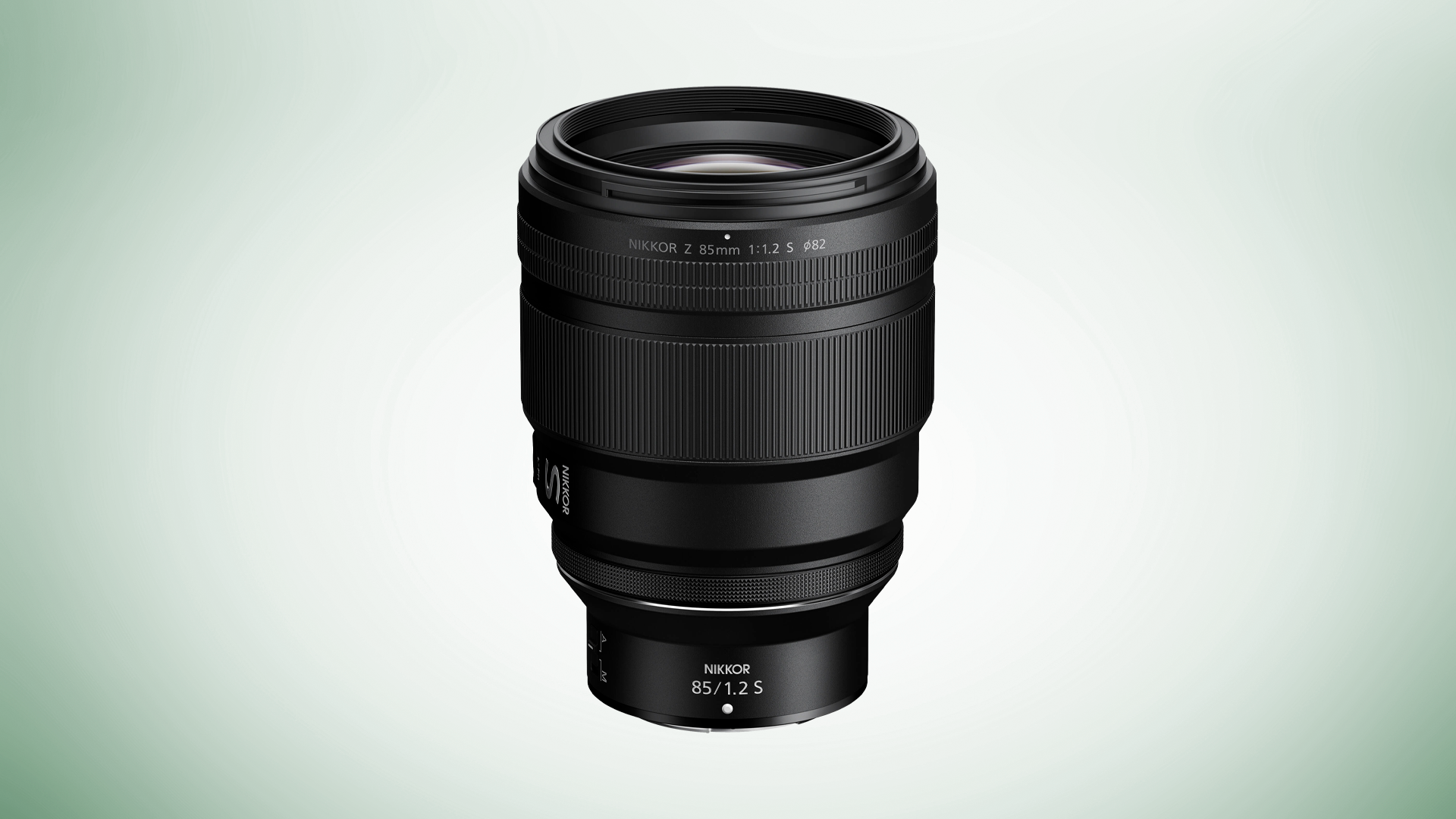
With any f/1.2 lens, I think the temptation is to shoot wide open all the time, and understandably so. I typically shoot between f/1.4 and f/4, but I've grown to appreciate this lens just as much at f/5.6 or even f/8. There's a tendency to associate these lenses almost exclusively with shallow depth of field, but I think there's much more to appreciate about them than that.
What I like most is that I don't feel particularly limited by the environment I'm photographing in. Whether I want to soften a busy background or retain more detail in a cleaner setting, I can make either work. And ultimately, that's what keeps this lens in my rotation. I know what to expect from it, and it rarely gives me a reason to second-guess that decision."
6
Derek Fahsbender, @likeamacheen
B&H Event Space
"My favorite portrait lens seems to change every few years, as my style evolves. In my current era, the lens I prefer most for portraits is the Fujinon GF 80mm f/1.7 R WR. Equating to a 63mm full frame equivalent, this lens provides the perfect balance between a traditional "portrait lens" focal length and a range more suited for environmental portraits.
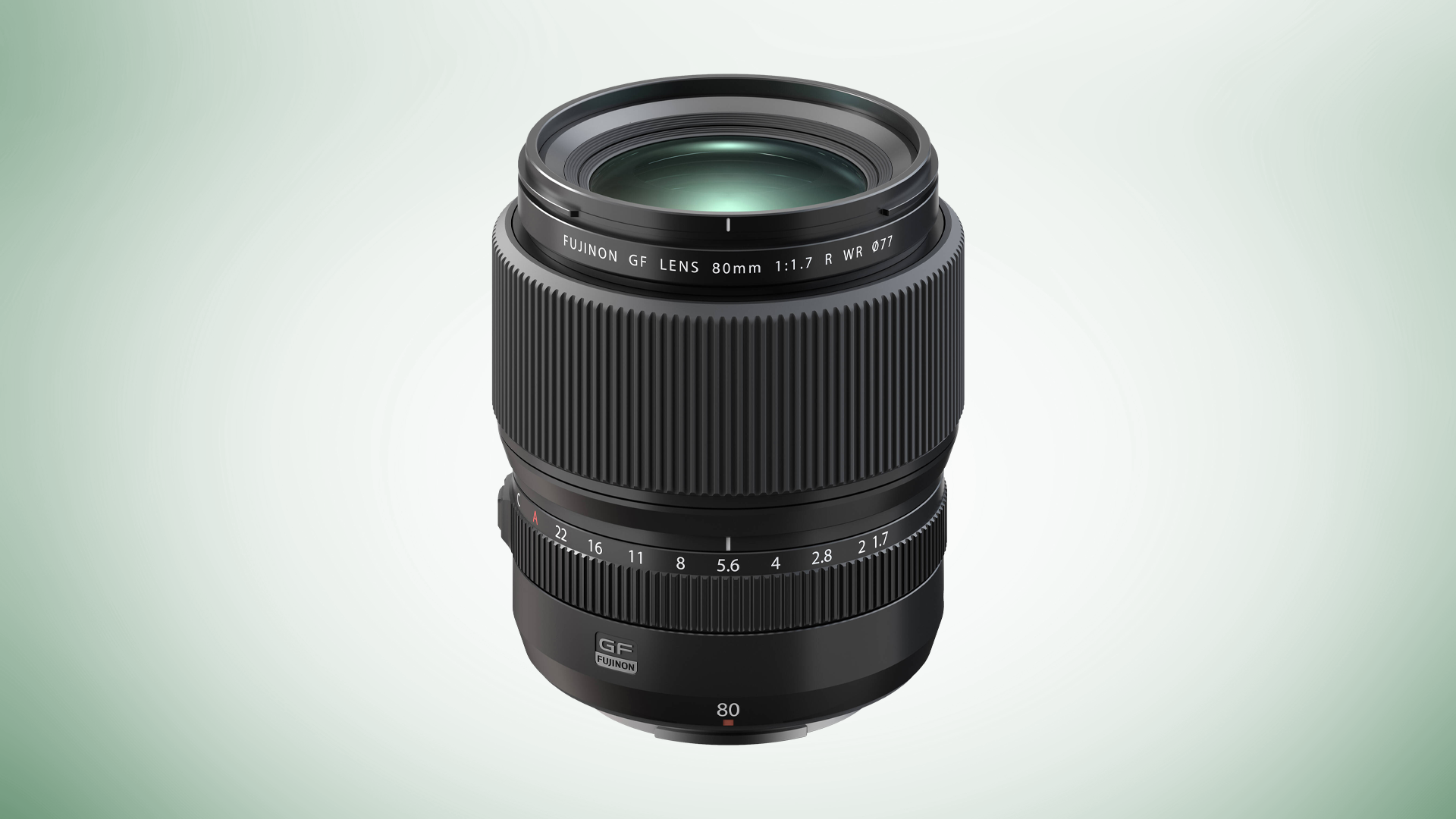
As a street photographer who photographs a lot of people, and also does studio work, this allows me to seamlessly blend my different worlds. The shallow depth of field paired with the medium format body this lens lives on helps make up for the lack of compression from the shorter focal length, which gives the beautiful, smooth fall off on tight-up portraits that makes this lens my favorite."
7
Liza Roberts, @lizabetroberts
B&H Creative
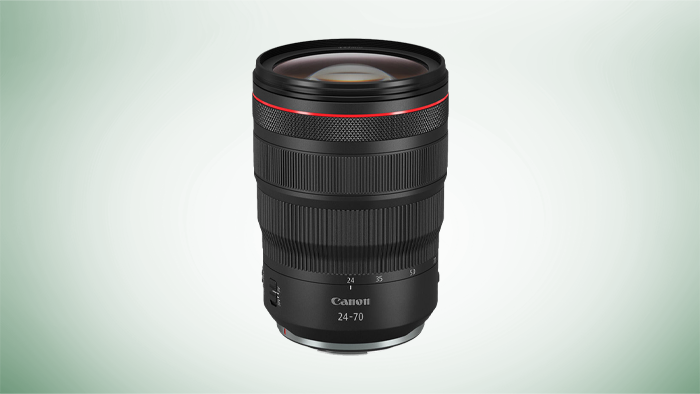
"The Canon 24-70mm f/2.8 USM functions as the ultimate lens for my fantasy storytelling, seamlessly shifting from sweeping mythic landscapes at 24mm to intimate, character portraits at 70mm without ever breaking the illusion. Its razor-sharp optics and bright f/2.8 aperture pull luminous tones from deep forest shadows and twilight mist, capturing every delicate detail of handcrafted attire and otherworldly atmosphere. In the realm of fantasy photography, it gives me the agility to instantly transform fleeting real-world moments into unforgettable tales."
8
Travis Keyes, @twkeyes
Adobe Ambassador
"If you'd asked me a year ago, I wouldn't have hesitated: the Sony FE 50mm f/1.2 GM. It's been my portrait lens for a long time. It has that creamy, dreamlike falloff that makes a face feel like the only thing in the world. I still love it. But then I got the a7R VI, put the Sony 28-70mm f/2 GM on it almost on a whim, and something happened that I didn't expect. The pairing floored me.
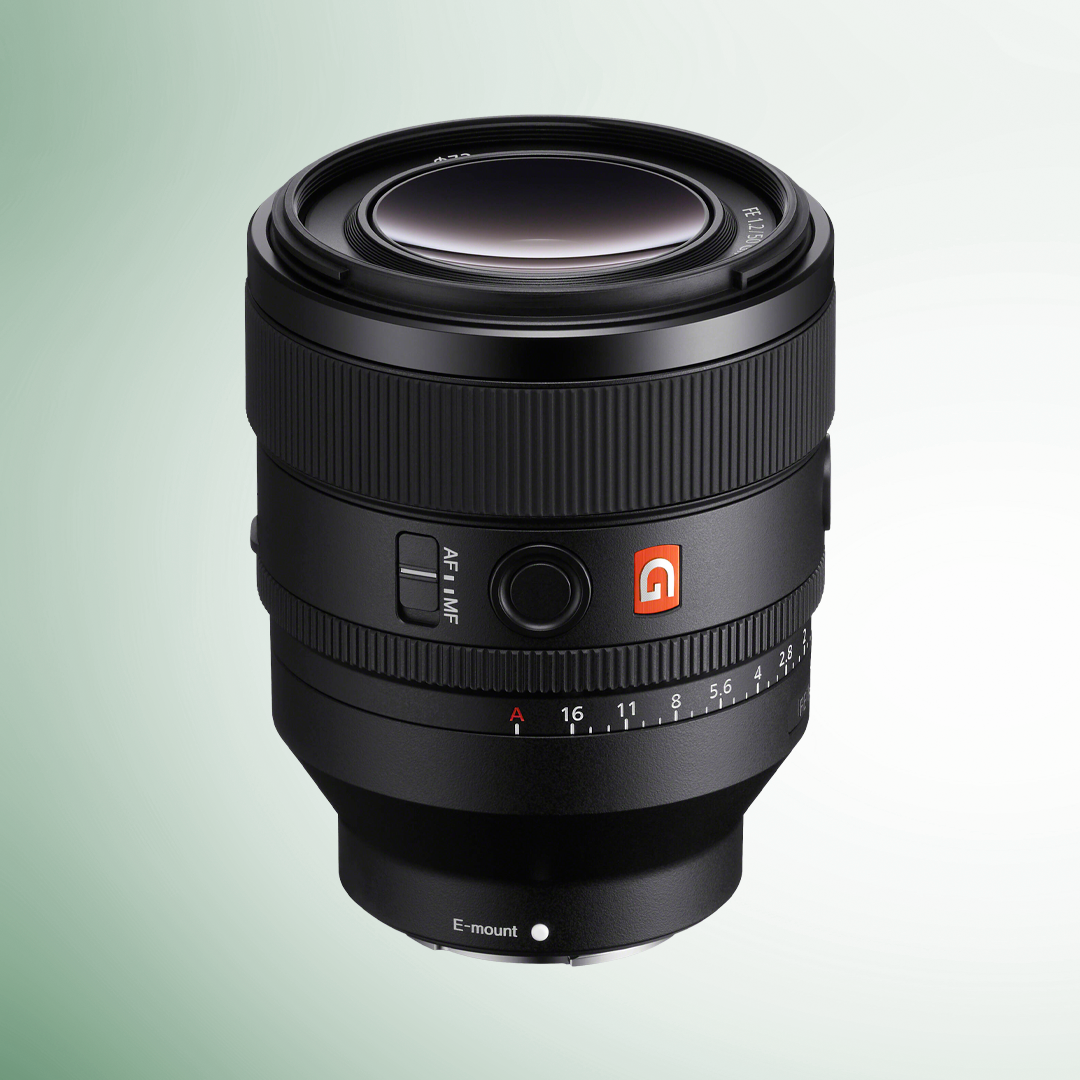
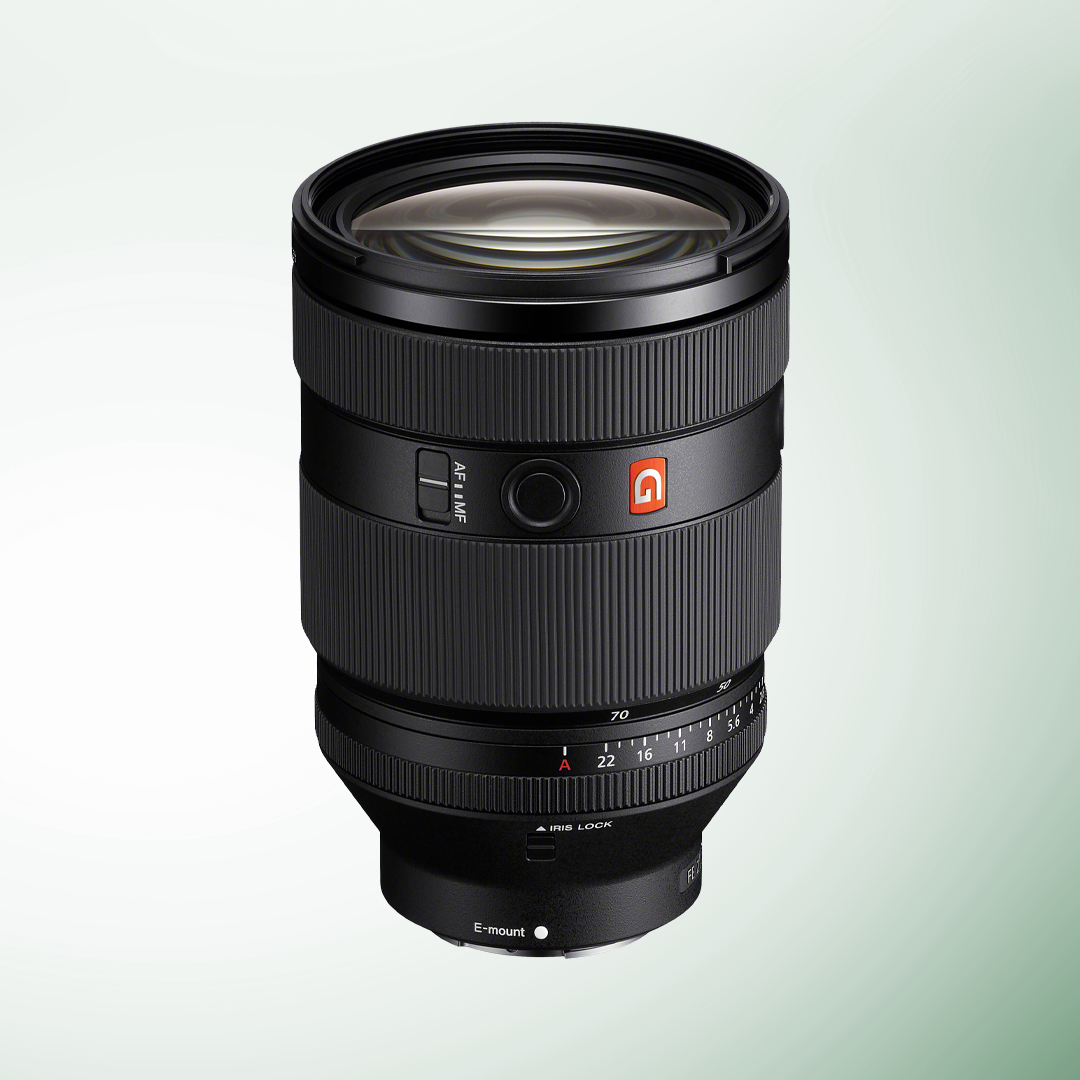
I grew up escaping into movies, and what I've always chased in my portraits is that cinematic feeling: a person existing inside a world, not just in front of a backdrop. This combination gives me that. At f/2, I get the separation and glow I used to only get from primes. The zoom range lets me move from an environmental frame at 28mm to an intimate, compressed close-up at 70mm. On the a7R VI, the detail is almost startling. Skin, fabric, catchlights all render with a depth that feels three-dimensional, but never clinical. And there's just something about the quality, the color, the output of this lens that I can't quite put my finger on. If I had to name it, I'd say it's painterly.
What surprised me most is how it changed the way I work with people. I get everything I'd want from a bag full of lenses, all that range and that same beautiful output, without ever stopping to swap or breaking my flow. I'm just with them, and that connection shows up in the frame. The 50mm f/1.2 will always have a place in my bag. But right now, the 28-70mm f/2 GM is the lens I can't stop reaching for."
9
Annelie Rios
B&H Explora
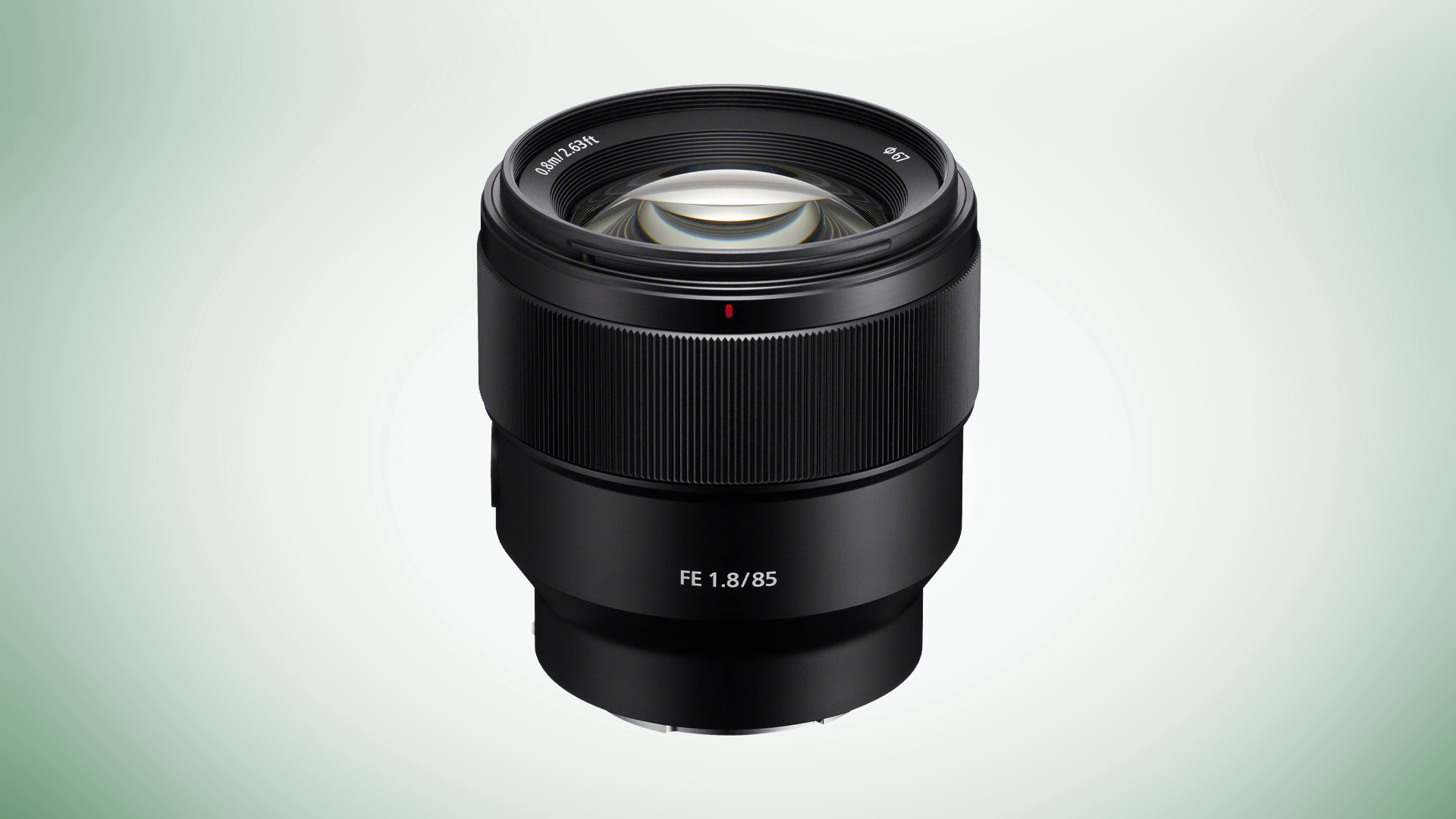
"When it comes to getting that right look, my Sony FE 85mm f/1.8 medium-telephoto fixed prime lens works wonders. For me, this lens checks off everything I look for with my portrait shoots. Clarity, sharpness, and just the right amount of bokeh allows for all my subjects to always come out simply amazing. The f/1.8 aperture is just as great as I want to pursue more shoots in low light situations to give it more of a pop. With this lens, it is not so heavy and that definitely works since at times a ton of photography equipment can pack on the weight."
10
NOTE: Use images from original article in this space, above samples are low resolution
Rick Gerrity, @gerrityphoto
Tamron Pro
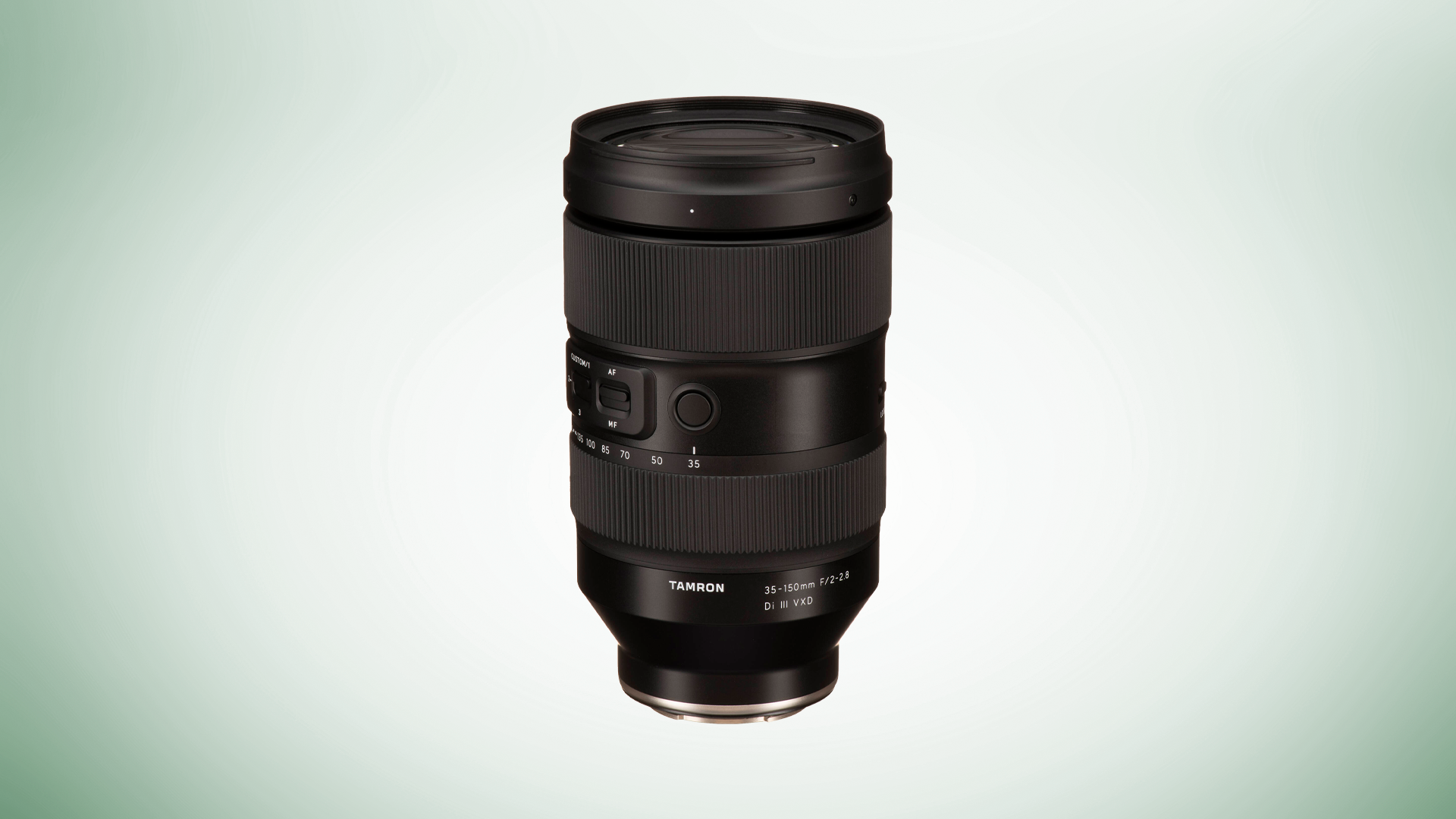
The Tamron 35-150 f2-2.8 is by far my favorite portrait lens as well as my overall favorite lens. This lens has allowed me to stop using multiple lenses for my documentary work. I can enter a small tavern in Nebraska or anywhere and capture natural light images both close and far without drawing attention to myself. One of my favorite places is a small Pentecostal Church in Southern West Virginia where they handle serpents during their service. The lens allows a safe distance from the serpents but wide enough to capture subjects close to me in any kind of light..
11
Luke Rollins, @lukiedavie
B&H Explora
"I shot old and new Nikon equipment side-by-side recently: the NIKKOR Z 85mm f/1.2 S on a Nikon Z5 II and the NIKKOR 135mm f/2.8 AI-S on a Nikon D800. The new gear worked like a dream, but, to my surprise, it was the images from the old gear that were dreamier. This manual focus lens gets great depth of field and somehow manages both sharpness and softness with equal excellence, contributing to a vintage editorial vibe that's elevated without being clinical.
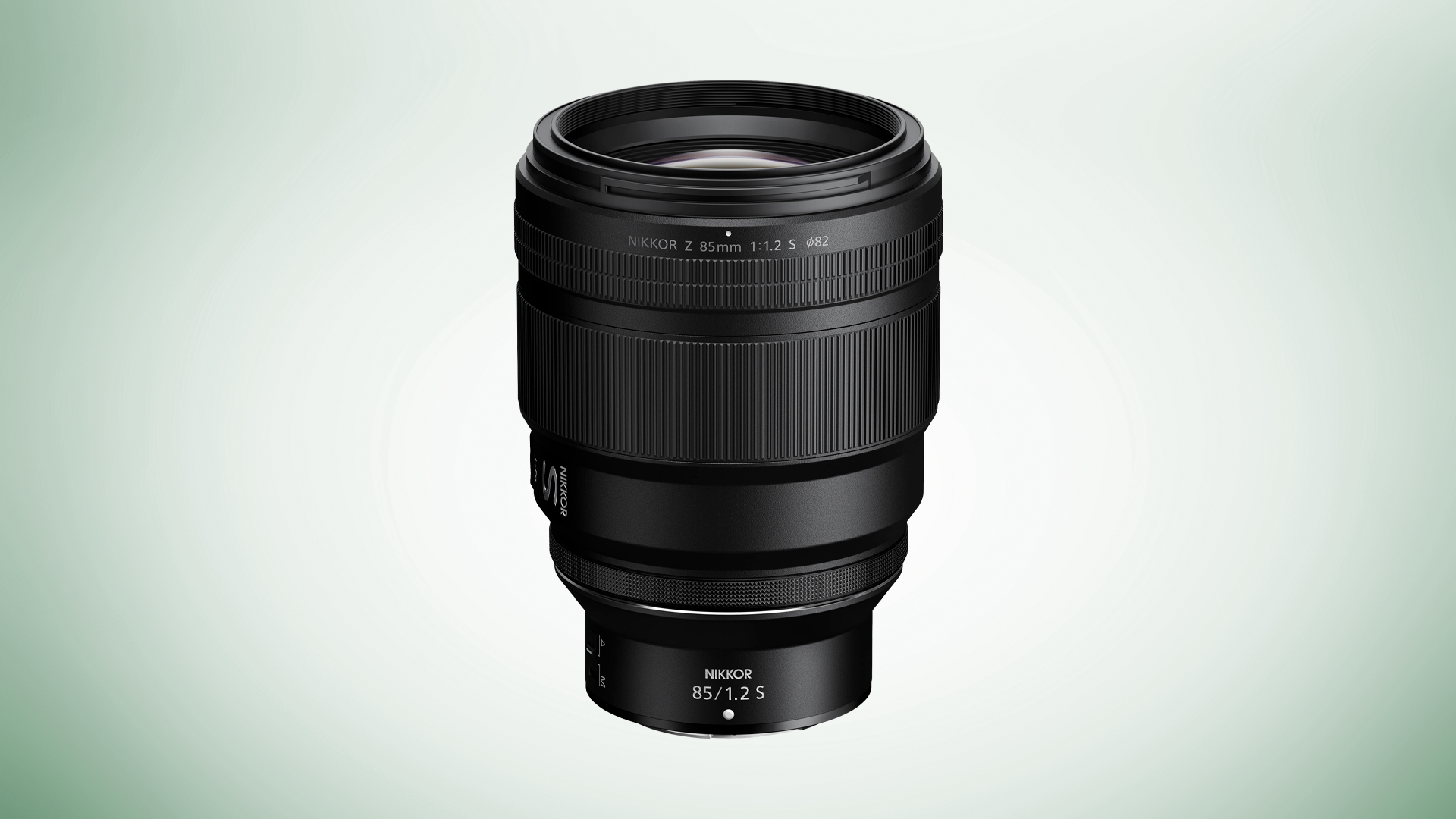
I usually tend toward the 85mm focal length for portraits, but here the longer focal length narrows the perspective, allowing for some startling intimacy, especially in headshots. The NIKKOR 135mm f/2.8 AI-S does require at least 4.5' of minimum focusing distance—so this may not be the lens for close-quarters portraiture indoors—but its premium glass, wide maximum aperture, ridiculously cheap price (around $50-150 on eBay in good to mint condition), and versatility beyond portraiture make it one of my favorite lenses of all time."
12
Toby Geltson, @photorectoby
Photography Educator
My Favorite Portrait Lens Depends on the Job.
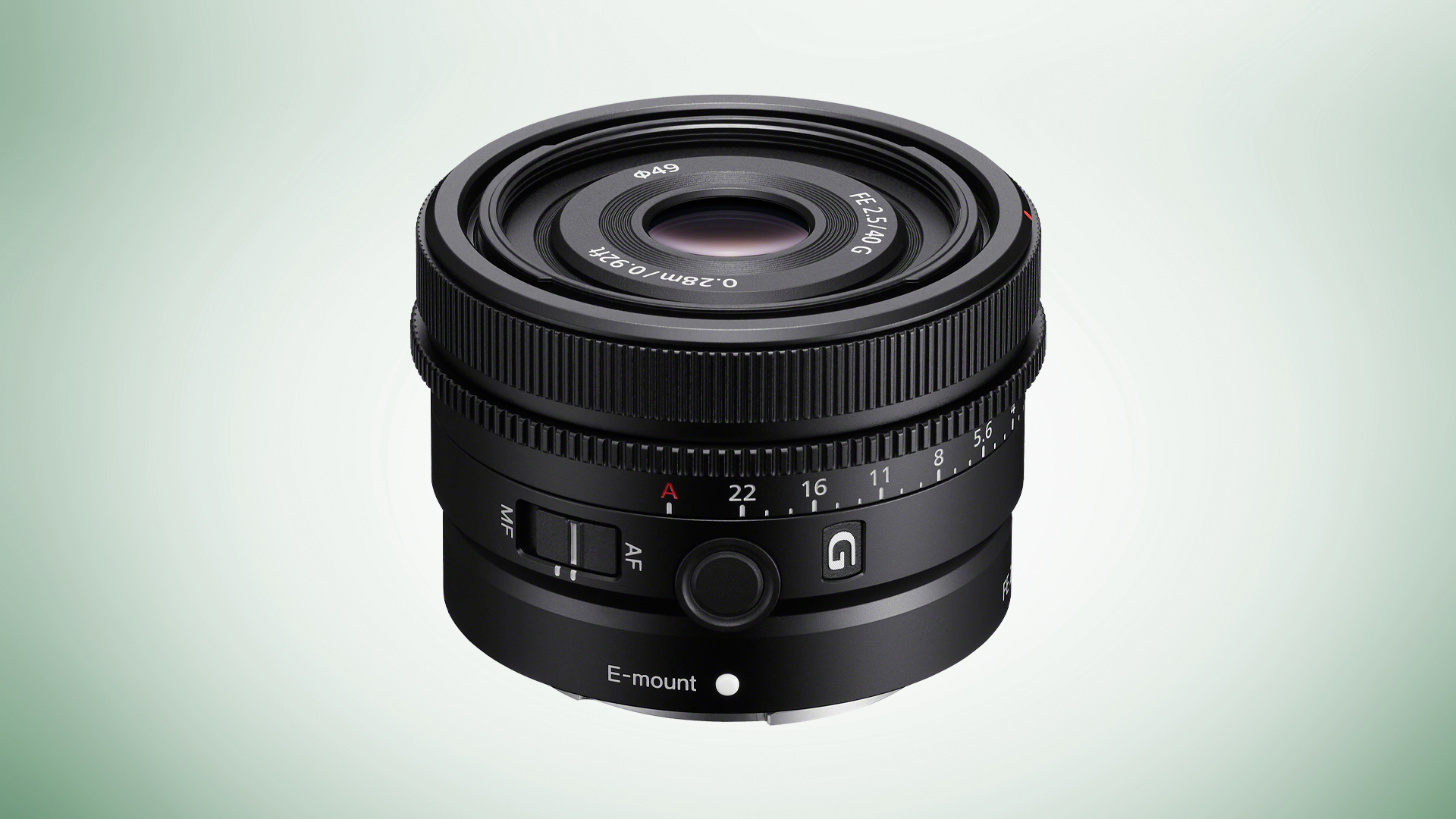
My favorite portrait lens is whichever one is best for the job. Recently I was scouting Northern Laos for a future photo Tour, and I knew many of my portraits would be indoors. I also wanted something small and lightweight, so I brought the Sony 40mm f/2.5 G on my A1. It made an incredibly portable package that I could carry around all day. It also kept my subjects more relaxed. I find locals stay more natural when you aren't poking a giant lens in their face.
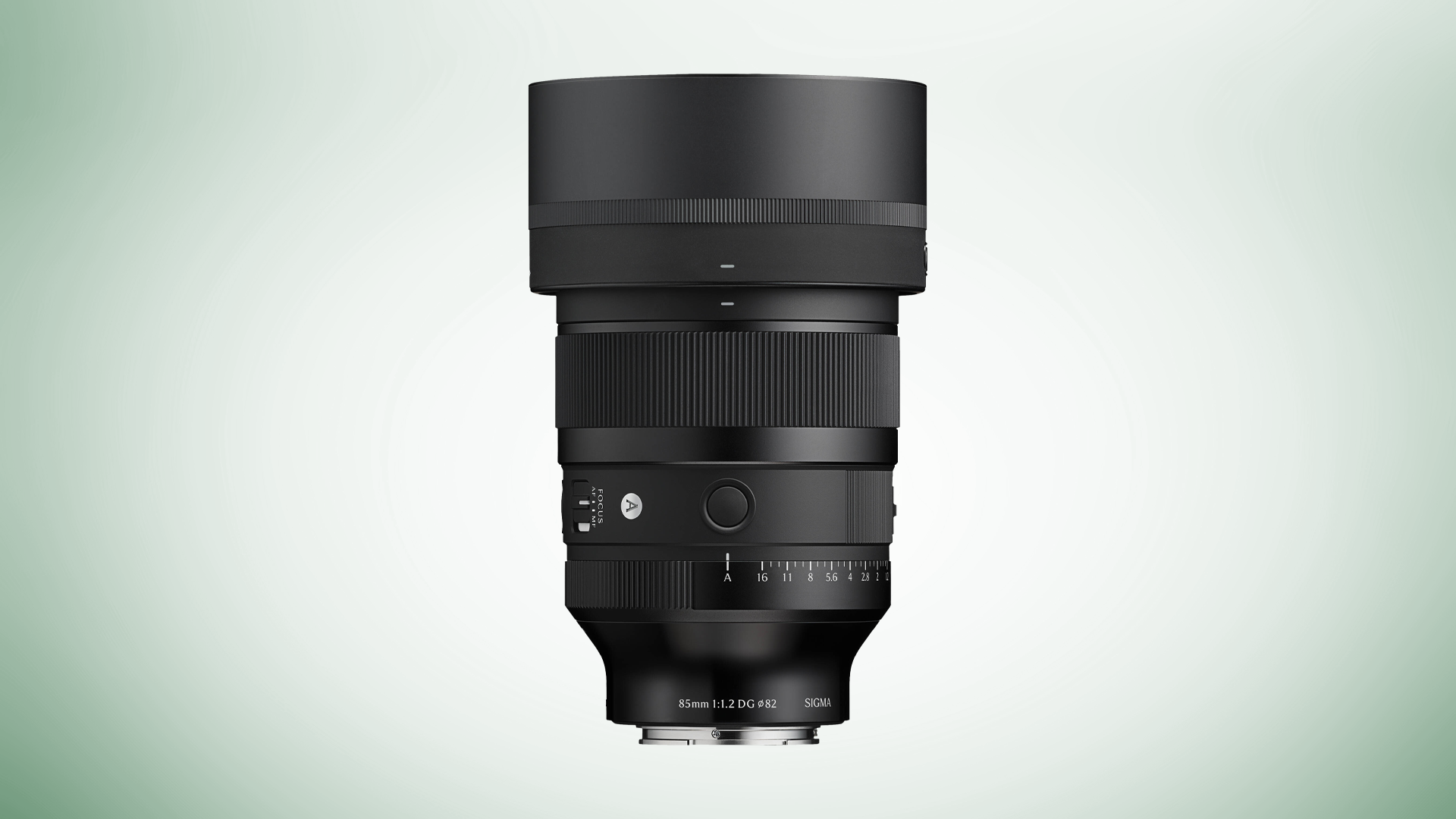
When I have a little more room I turn to the 85. Like the 40mm, it's a travel friendly lens, small and light enough to live in my bag for weeks at a time. It's a great portrait focal length, especially outdoors. So much of my travel photography is about finding people out and about, and the 85 gives me flattering results from a comfortable distance.
Then there's the long end. When I'm on safari with the 100-400 and we stop by a village, that telephoto does a fantastic job for portraits. It lets me stay back and give people space, and it separates them nicely from the background.
Don't write off the 20mm for portraits. This wide angle, lightweight lens is great for astro, but it can also capture some great portraits, especially in crop mode. It lets you capture your subject with much more of the environment around them. When you're photographing people going about their daily lives, that context is usually important storytelling.
13
Matt Malwitz, @mathewmalwitz
B&H Explora
"As a long-time wildlife and nature photographer, I'm all too familiar with the prime vs. zoom debate. Much like portraiture, wildlife shooters spar over which is better. Primes have traditionally been sharper and offer greater light-gathering capabilities, whereas zooms are more versatile. Certain pro level zooms like the legendary 70-200mm f/2.8 deliver exceptionally sharp images with beautifully soft backgrounds that, in my humble opinion, simply can't be matched. However, that opinion changed when I took the Sony 50-150mm f/2 GM out into the field.
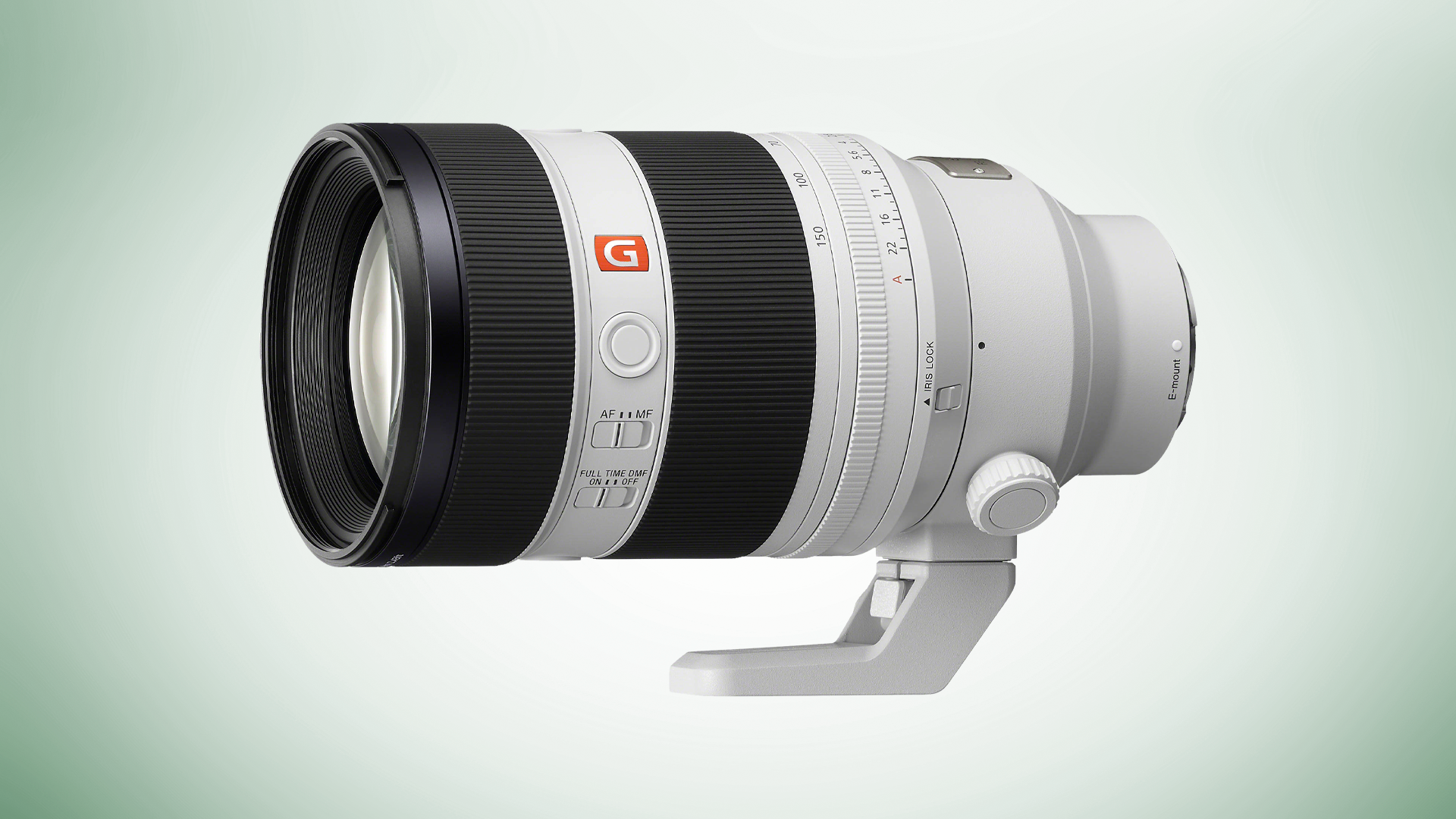
This lens is bigger and heavier than your traditional 70-200mm f/2.8, but coming from a 500mm f/4 lens, the FE 50-150mm f/2 GM felt as light as a feather to me. That extra heft is the cost of a ridiculously fast f/2 aperture in a zoom, which delivers stunning isolation between the subject and background. That narrow depth of field and of course, the versatility of the zoom range for outdoor portraits, both posed and lifestyle, suit my style of photography quite nicely.
The ability to zoom in and out as needed with such a large aperture cannot be understated, both for outdoor and indoor applications. As a primarily outdoor shooter, I'm often met with physical barriers, whether it be the width of a boardwalk or the edge of a lake, that can keep us from backing up or changing position. The fix has traditionally been to change lenses, but in the case of the 50-150mm, we simply need to zoom in or out. After all, it's basically three popular portrait lenses in one!"
14
Matthew Cottom
B&H Web Content
"One of my favorite portrait lenses doubles as my go-to walkaround lens -- the FUJIFILM XF 16-80mm f/4 OIS WR. As soon as you pick it up, you can tell it's exceptionally well-built. Offering a snug and secure fit, it focuses quickly and accurately, a necessary requirement for street photography and portraiture. Its wide zoom range provides flexibility for shooting in expansive or tight spaces and equips you with flexible framing options for candid imagery.
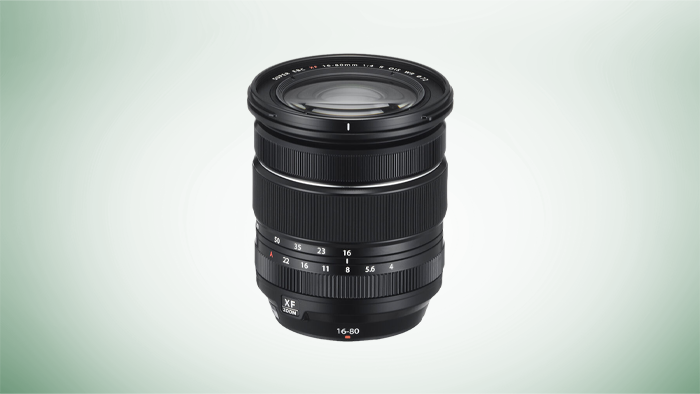
The color and contrast produced by this lens have an old-school, film-like quality, producing optical sharpness true to the eye. Additionally, when used at longer focal lengths, this close-focusing optic renders visually appealing bokeh without looking artificial. Simply put, I love this lens.
15
What Portrait Lens Should I Get?
As you can see, there's no shortage of lenses able to deliver stunning results. While there's a bit of overlap, this only goes to show that some lenses are just that good at delivering sharp focus with those smooth, dreamy backgrounds. That said, all the above lenses are just tools. It's knowing how and when to use them that matters most. Don't just buy a lens because your favorite artist uses it, learn why they use it, take inspiration from the results, and decide if it's right for your kit.
Of course, be sure to check out the many talented artists above for even further inspiration. Don't worry just about the gear the pros use, but consider their composition, lighting, and editing techniques, and beyond. Learn from this and develop your own skills and most importantly, practice. Like anything, the more you do it, the better you'll become.
There's plenty more opportunity to learn about portrait photography, with equipment recommendations, guides, and professional insights. Be sure to check out the rest of the B&H Explora site for all that info and more!
