
If there's one photo accessory that we all have too many of, it's bags. Whether our kit outgrew the previous one, or we found a new must-own style, there will always be something new. For those just getting started, even choosing the right style may be overwhelming. Well, we're here to help.
There are a lot of bags out there, so to narrow down the options, we're looking at the current selection from the Ruggard brand. Below, we've compiled a great variety of bags for a multitude of use cases. Photographers of all skill levels should be able to find something that suits their needs. So without further ado, let's look at some bags.
Your First Camera Bag
With any new camera comes the need for a way of safely storing and transporting it. When selecting our first bag, there's much to consider beyond just price. First, we have space: You need a bag that fits all of your gear, including any future additions. Always leave a little room for an additional lens or perhaps a flash.
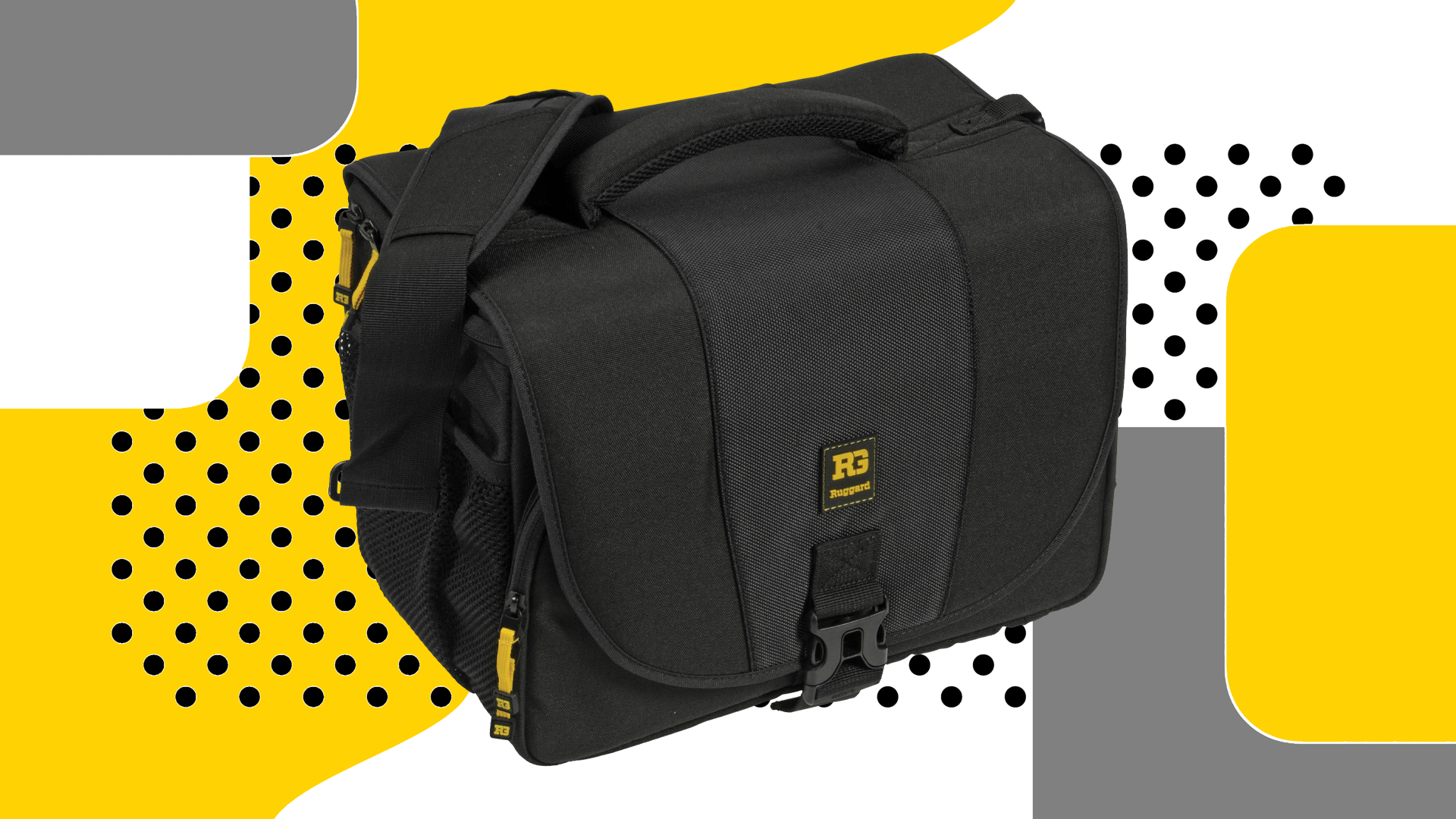
One of the most popular options is the Ruggard Journey series. These shoulder bags come in four sizes, spanning from the smallest Journey 24 to the much larger Journey 54. What makes these great choices for fledgling photographers is their size, ease of use and durability. Ruggard bags are also water-repellent, meaning they can handle some rain or snow in a pinch.
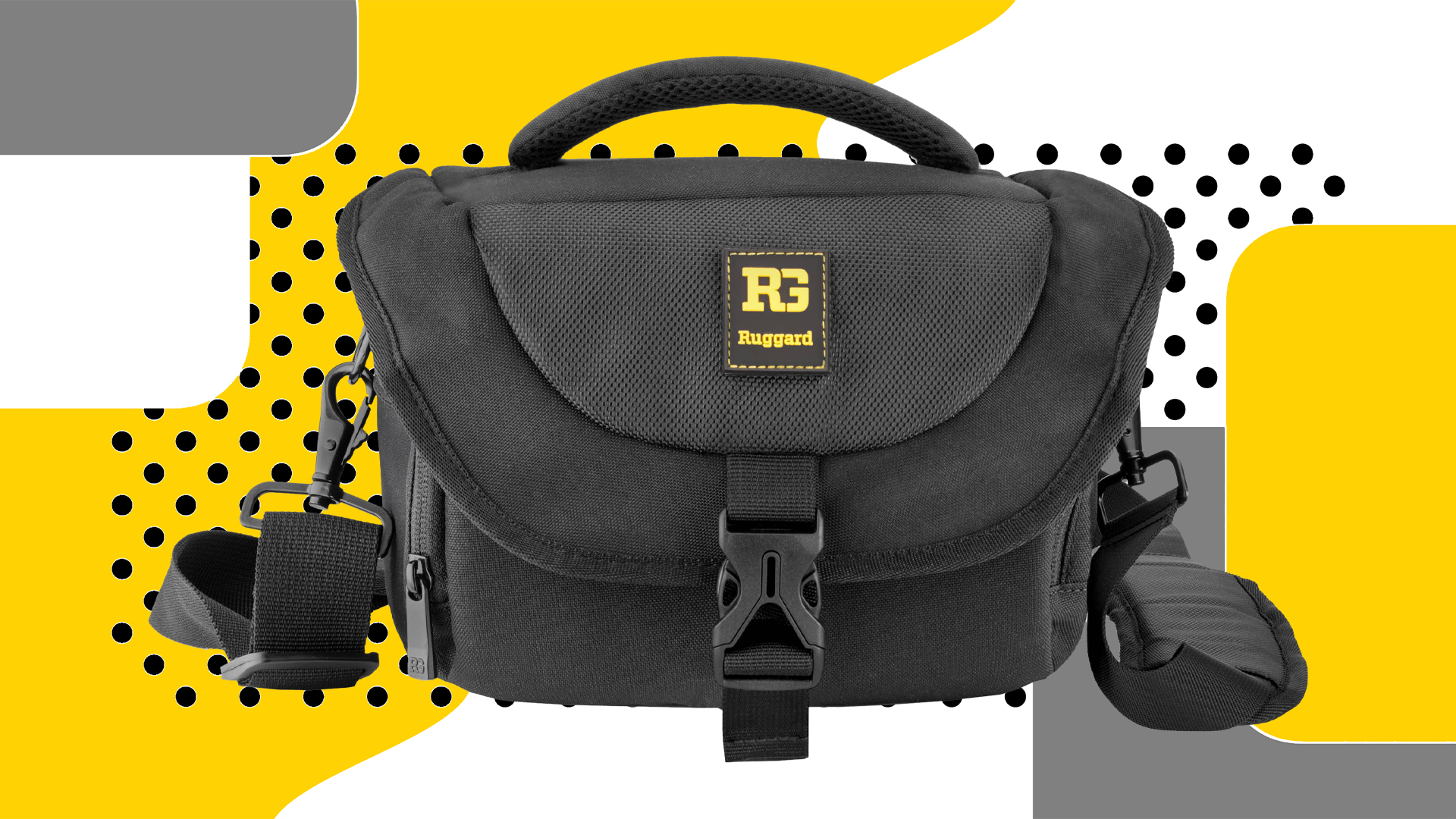
A larger option for those needing to bring additional gear like a laptop or tablet is the Commando Pro series. These appear quite similar to the Journey, though they start at around the same size as the largest in that line. For those looking to eventually grow their kit, we recommend the Commando Pro 65 Shoulder Bag, as it can fit a large mirrorless or DSLR camera, two to three lenses, and most 13" laptops.
The Travel/Street Photographer
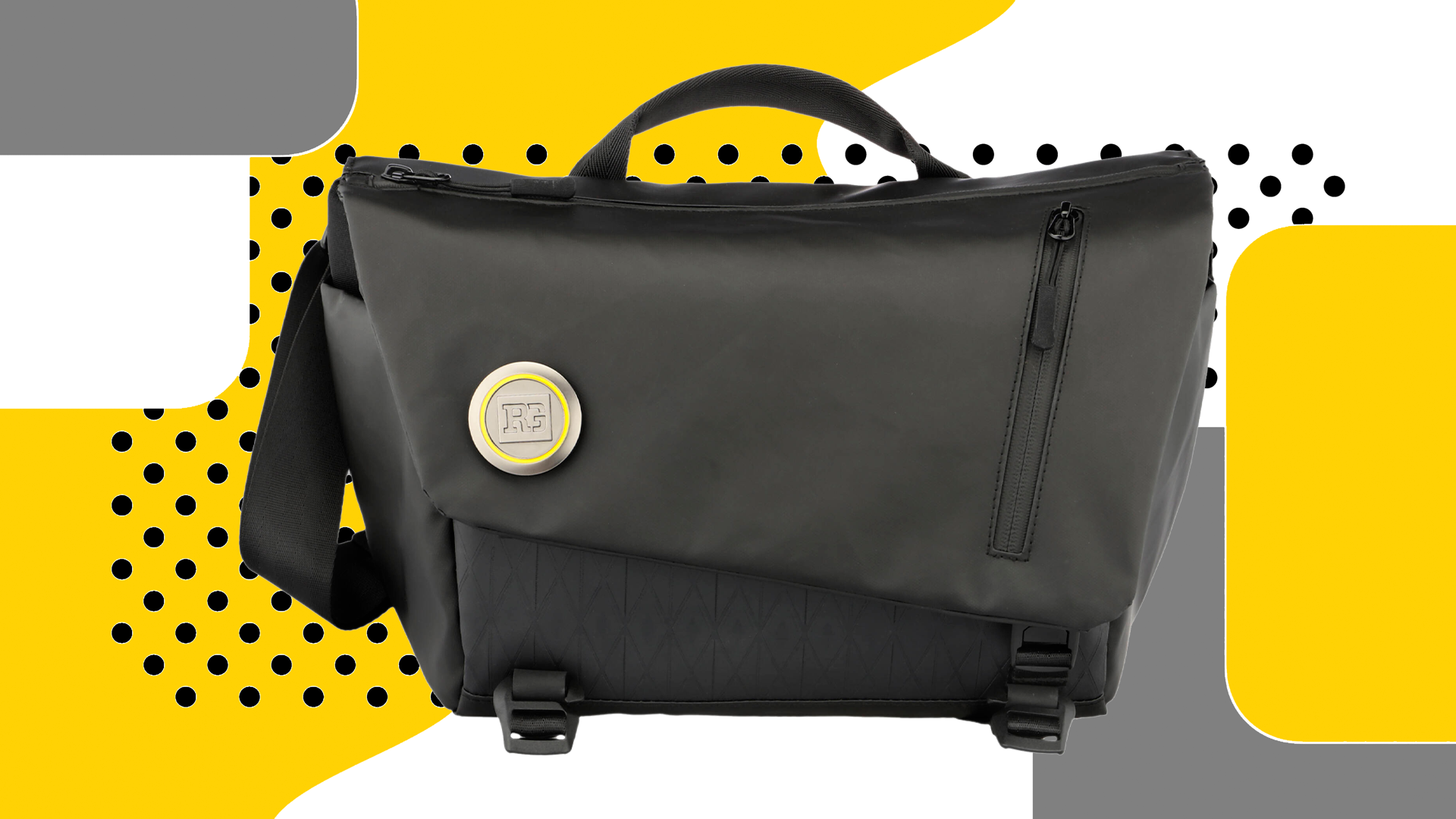
There's something to be said about stealth when discussing street photography. The aforementioned bags, while practical, look like camera bags. One of the most important things we can do when trying to fearlessly traverse the streets of an urban epicenter and take candid shots is blend in. Nothing makes you more noticeable than looking like a tourist, so choose carefully.
A small sling bag that could double as a work or laptop bag is ideal, as it offers plenty of space for accessories like lenses, batteries, and memory cards, while not screaming “camera bag." The Ruggard Triumph Messenger Bag performs here nicely thanks to its stylish, minimalist design. Available in both 4L and 7L sizes, this is the perfect sized bag for a full-sized small mirrorless camera body without a grip and multiple small lenses.
Point-and-Shoots
Once a titan of photo industry, point-and-shoot cameras have slowly and quietly dwindled in popularity due in part to the advent of the smartphone camera. That is, until the past few years, where point-and-shoots have seen a rapid increase in popularity once again. Whether it be a new shiny model or a hand-me-down relic from years ago, you'll absolutely want a case for a point-and-shoot camera.
It's certainly not stylish to wear one around your neck, but while it's always a safe choice to keep one tucked away in your backpack or purse while traveling. Why? Well, most importantly are those fragile lens curtains that open and close as the camera powers on and off. These are very thin and susceptible to bending and breaking, which can prevent your camera from powering on successfully and lead to costly, time-consuming repairs.
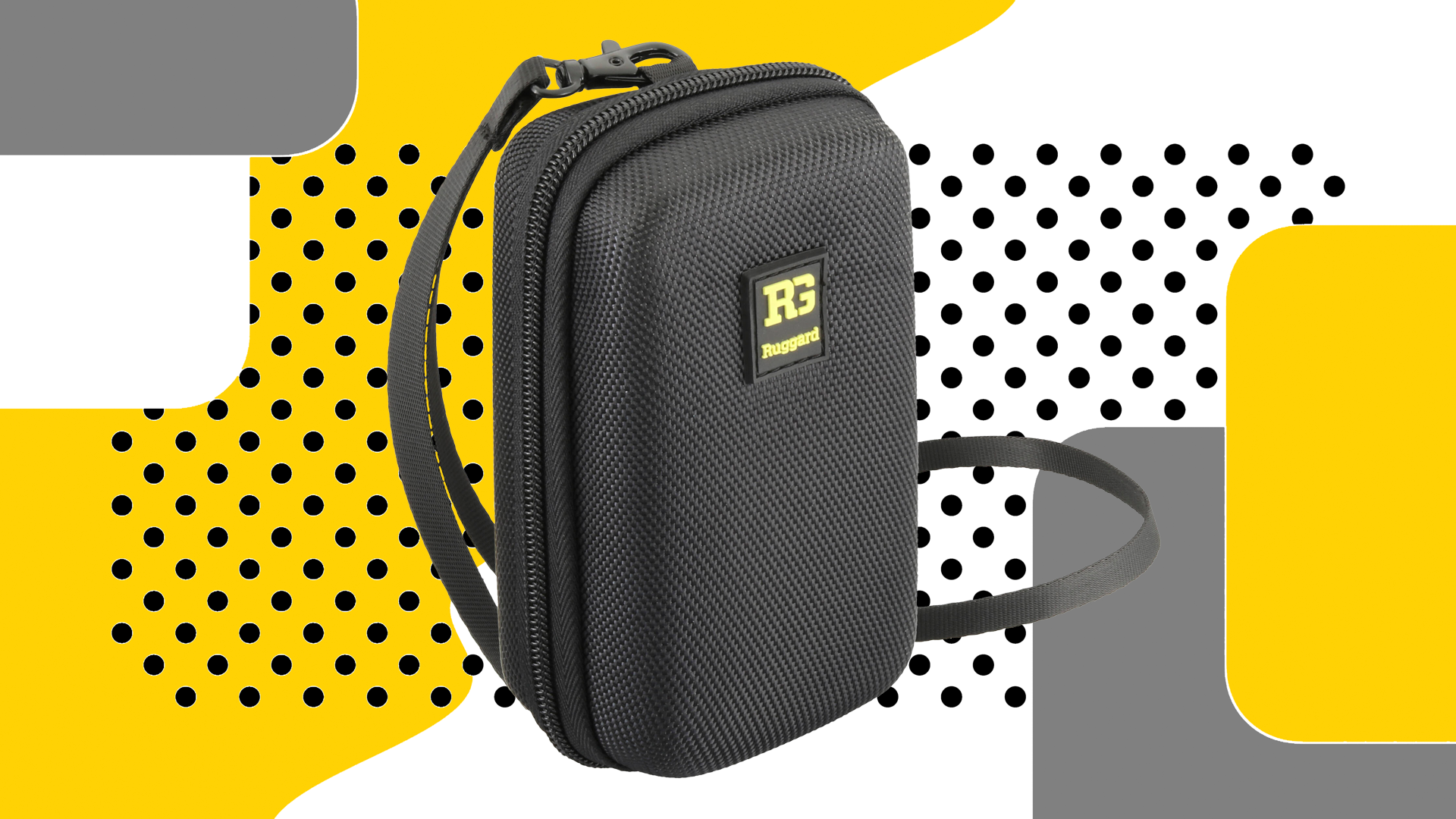
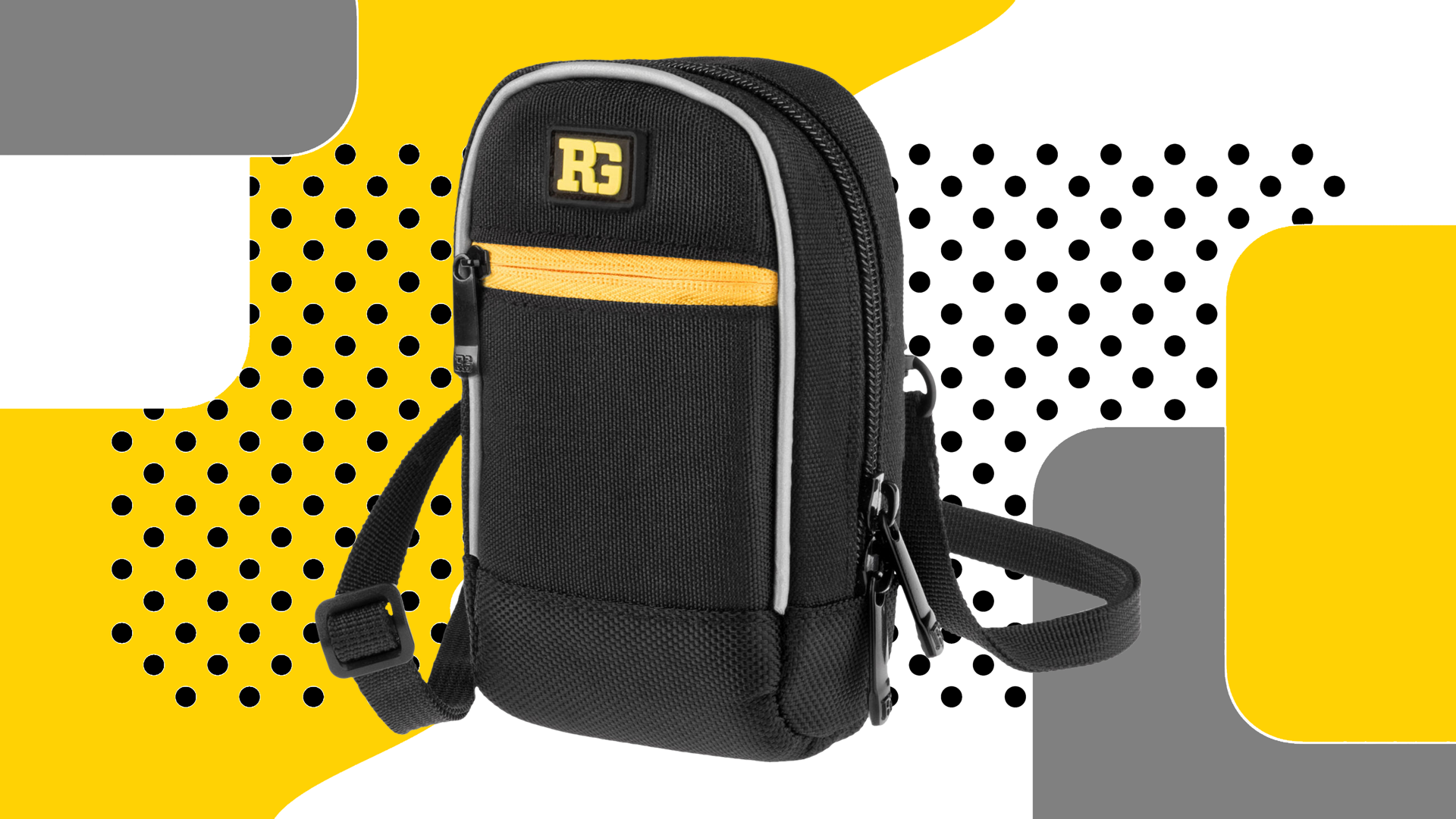
For that reason alone, a semi-hard case like the Ruggard HFV-270 Protective Camera Case should be considered. Don't let the smooth outer shell fool you, there is still plenty of room for accessories like batteries and memory cards within. If space is an issue or if hard shells aren't your thing, consider the soft Lyra pouches, which come in three sizes.
Getting a Lot of Gear from Point A to Point B
Let's be real, the average working professional requires a variety of bags for various situations. Most importantly is a catch-all case that can transport all of your essential gear. We can always divvy equipment into smaller kits once we arrive on a job, but we need one bag to get everything we need from point A to point B. A bag that is TSA carry-on ready would be nice as well.
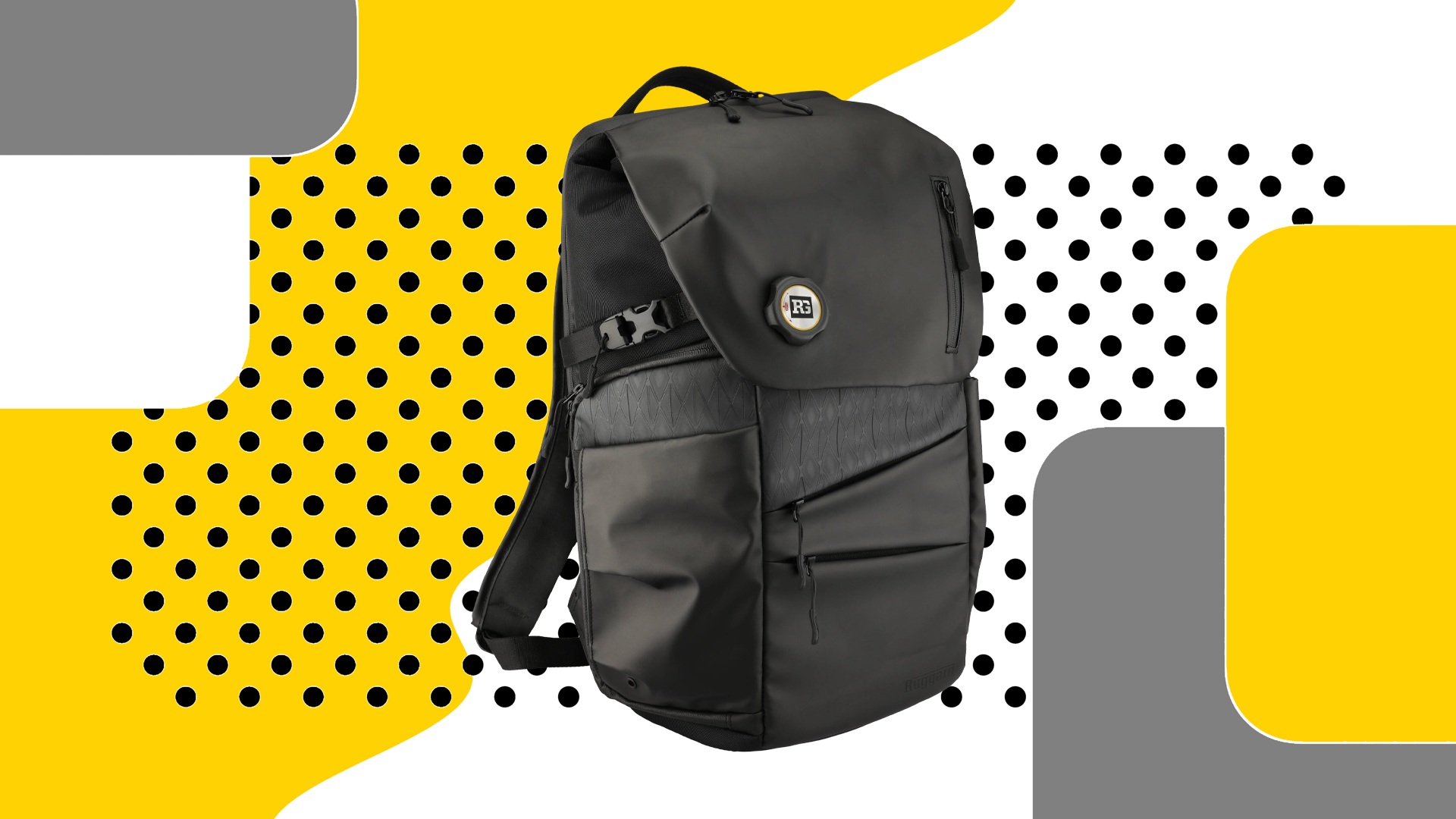
The tried-and-true option for carrying a sizeable kit is a backpack. Even if you're only carrying a single camera and lens, a backpack can be configured to haul a variety of gear, from clothing to other tech. Sticking with the stealth approach from earlier, we have the Ruggard Triumph Photo Backpack. This doubles as a great student bag thanks to its smaller camera compartment and sleek, low-key design.
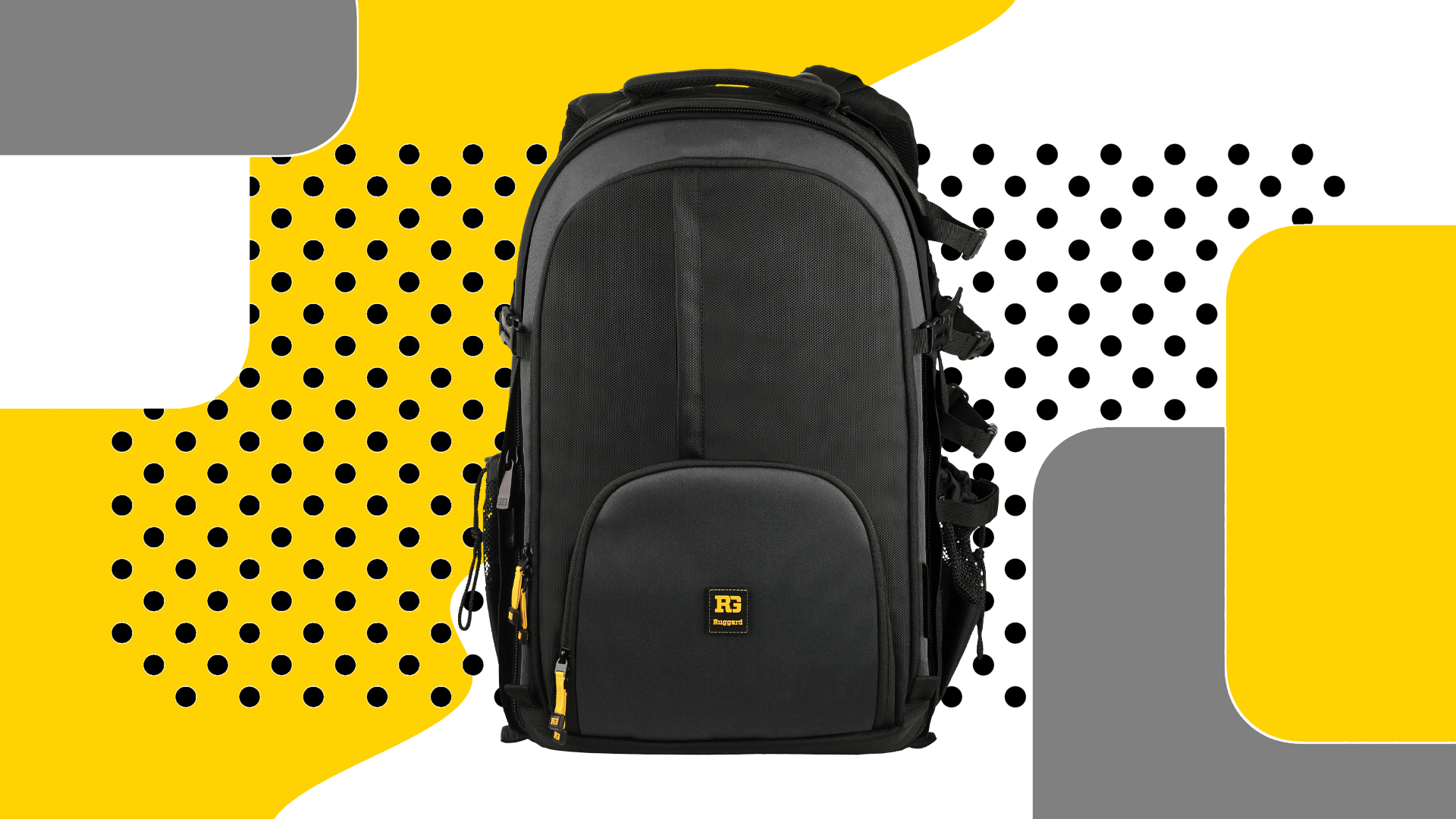
If you don't have textbooks but have a lot of gear to get around, we have two options. First up in the realm of traditional backpacks is the Ruggard Thunderhead 75 Backpack. With enough space for multiple camera bodies, upward of eight lenses, and a 17" laptop, this is truly a carry-all bag. There's limited space for non-photo centric accessories, but that's the point. This is a photo bag through and through.
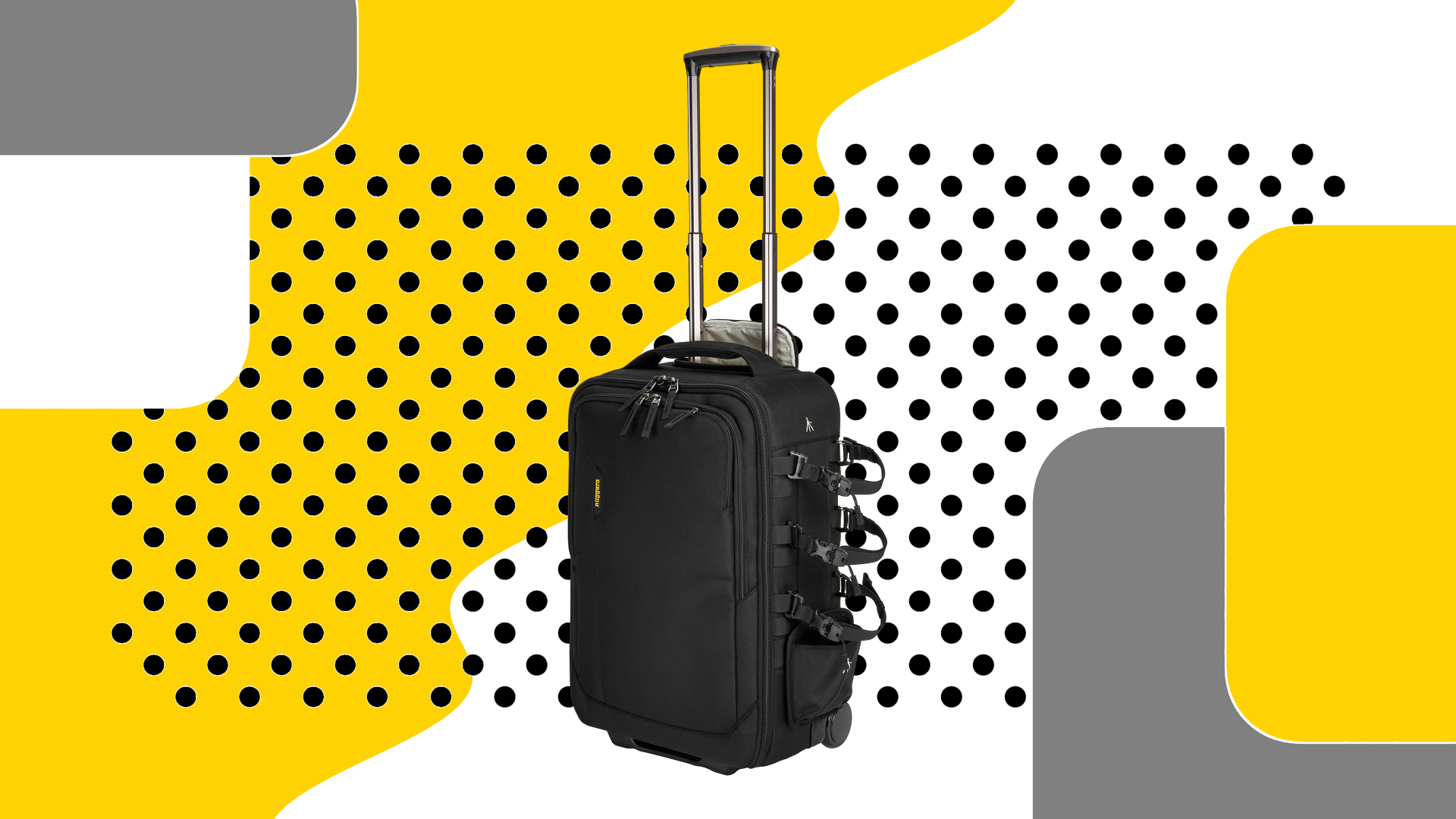
Next up is one of the most practical tools for the job. We're of course talking about the roller bag. These travel well and literally take the weight off of our shoulders. For this category, look no further than the Ruggard Optica Pro 15 Photo Roller. This large bag can stow multiple camera bodies and lenses as well as a laptop up to 16". On the side, you'll find a set of removable tripod straps so you can truly carry everything you need for a job in just one bag.
The Working Pro
Big bags may get everything we need to our destination in one piece, but they can be annoying to lug around a reception hall or just plain cumbersome. Once you've arrived on a shoot, there are multiple ways to access your gear that don't involve running back to your bag to swap lenses.
It may not be pretty, but a belt or harness mounted pouch for additional lenses is the definition of efficiency. The Ruggard Lens Case is perfect for the job, allowing users to carry lenses as large as a 70-200mm f/2.8 on their hip.
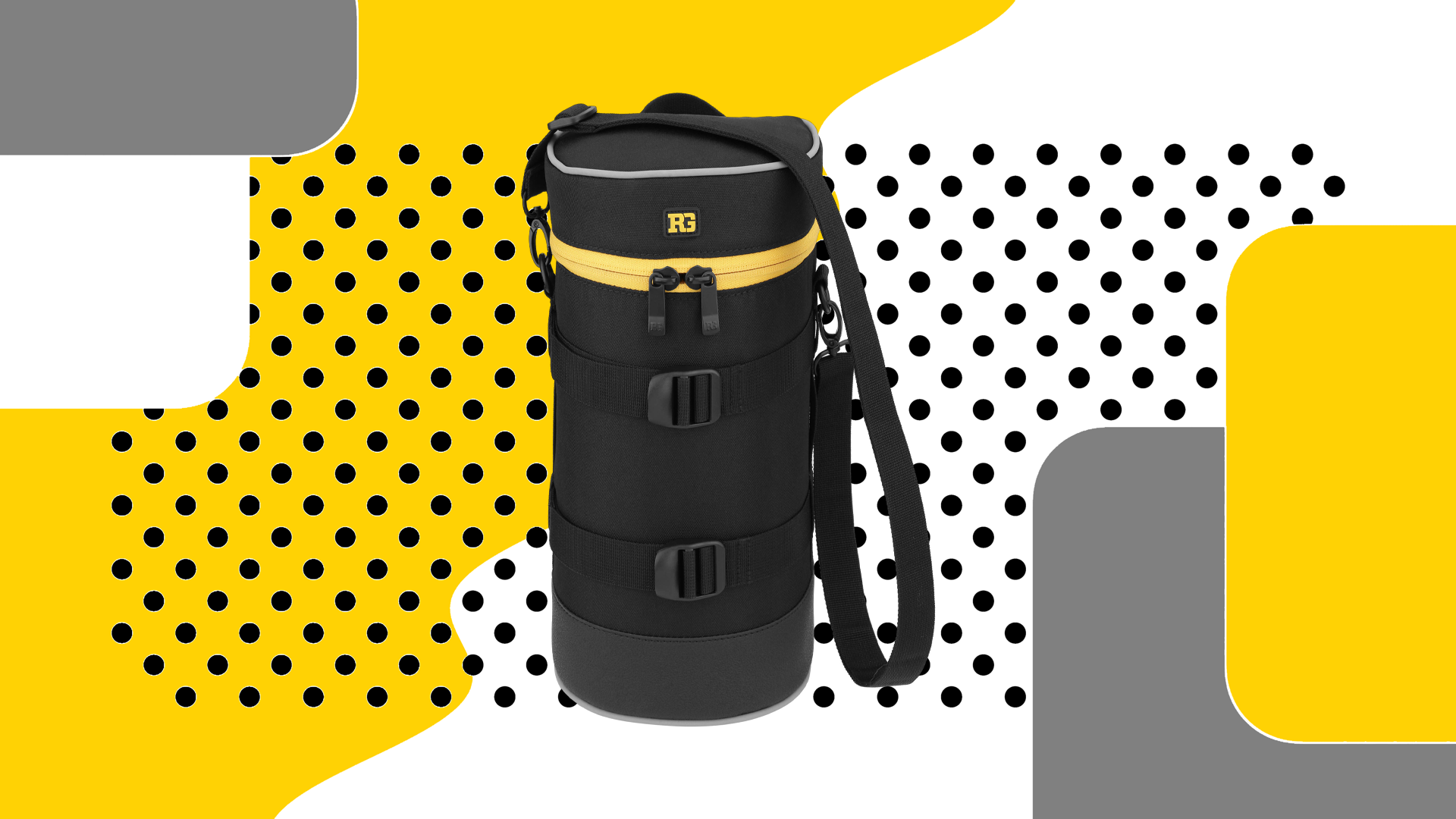
You can store your lenses within these as you travel, or keep these attached to the exterior of the bag just in case. It can be easily transferred from the bag to your belt via a large hook-and-loop fastened belt loop on the rear.
Long Lenses
Let's face it, there aren't many general use bags that fit a full 600mm prime lens with the camera attached. As wildlife photography has grown in popularity, so has the demand for bags to fit all that gear. We certainly have more options today than we did just 10 years ago, but if you're just looking to get your camera and bazooka of a lens to your destination in one piece, have we got the solution for you.
Introducing the Ruggard Alpine 600 Lens Backpack. Combining comfortable carry with a rather utilitarian design, the Alpine 600 can fit up to an 800mm lens or a 600mm lens with the camera attached as mentioned above. Within, it features specialized dividers to keep your long lens from thrashing about, and the many external pockets allow you to carry plenty of batteries and memory cards.
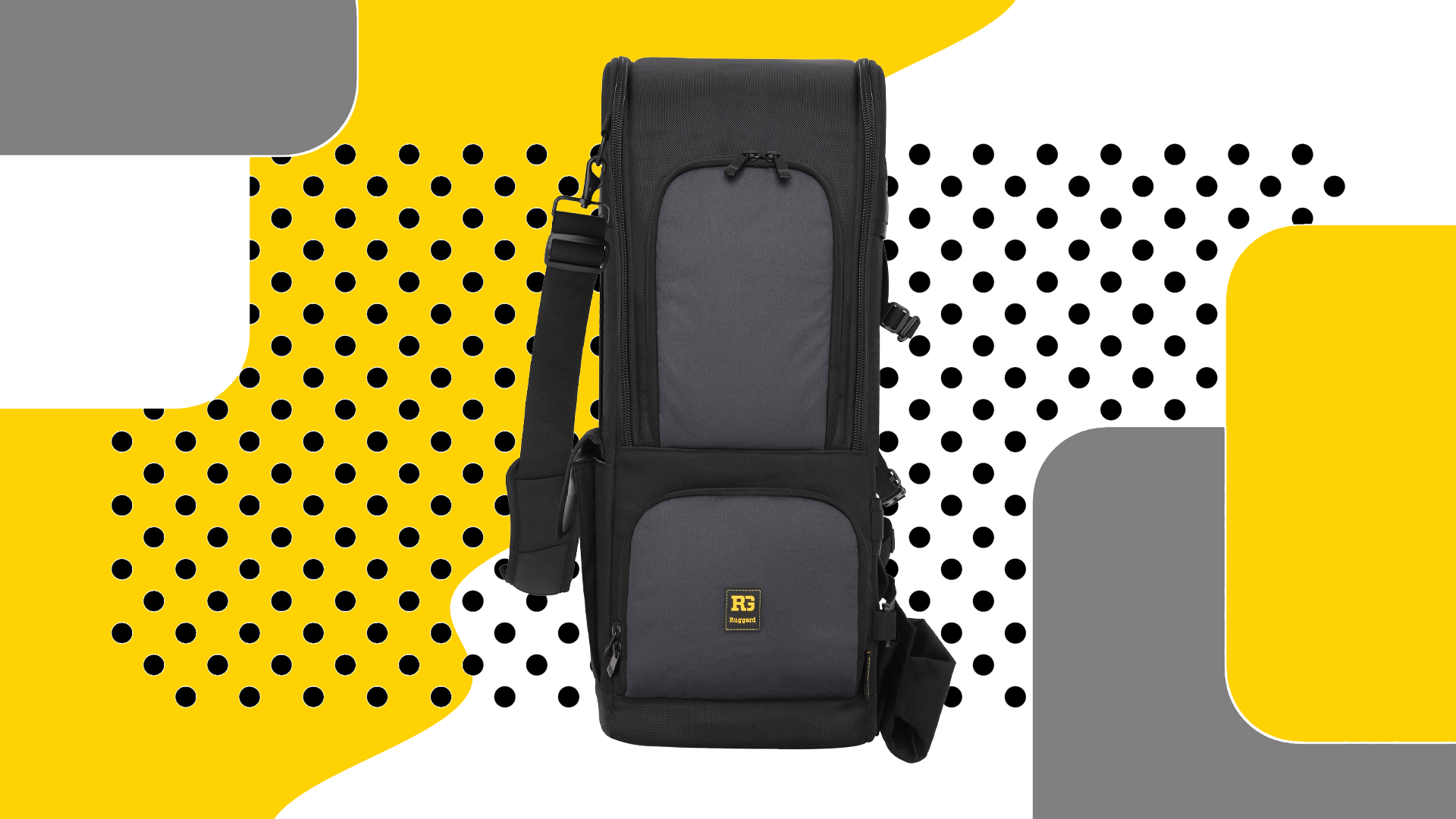
Of course, the bag also features tripod straps, so you can easily carry your camera support on the right side of the backpack. What this bag can't do is carry multiple lenses; at least not on its own. If you have more than one lens to pack, don't fret. Ruggard anticipated this and added multiple attachment points to the left side of the backpack which can be outfitted with various lens or accessory pouches.
Into the Great Outdoors
Long lenses only account for the sports and wildlife contingent of outdoor photographers. What about landscape photographers or those who just enjoy a good hiking trip with a camera? Behold, the Ruggard FotoTrek Hiking Backpack 30L, a true trekking bag for those looking to go great distances for the shots they're after, and its smaller sibling, the 23L version.
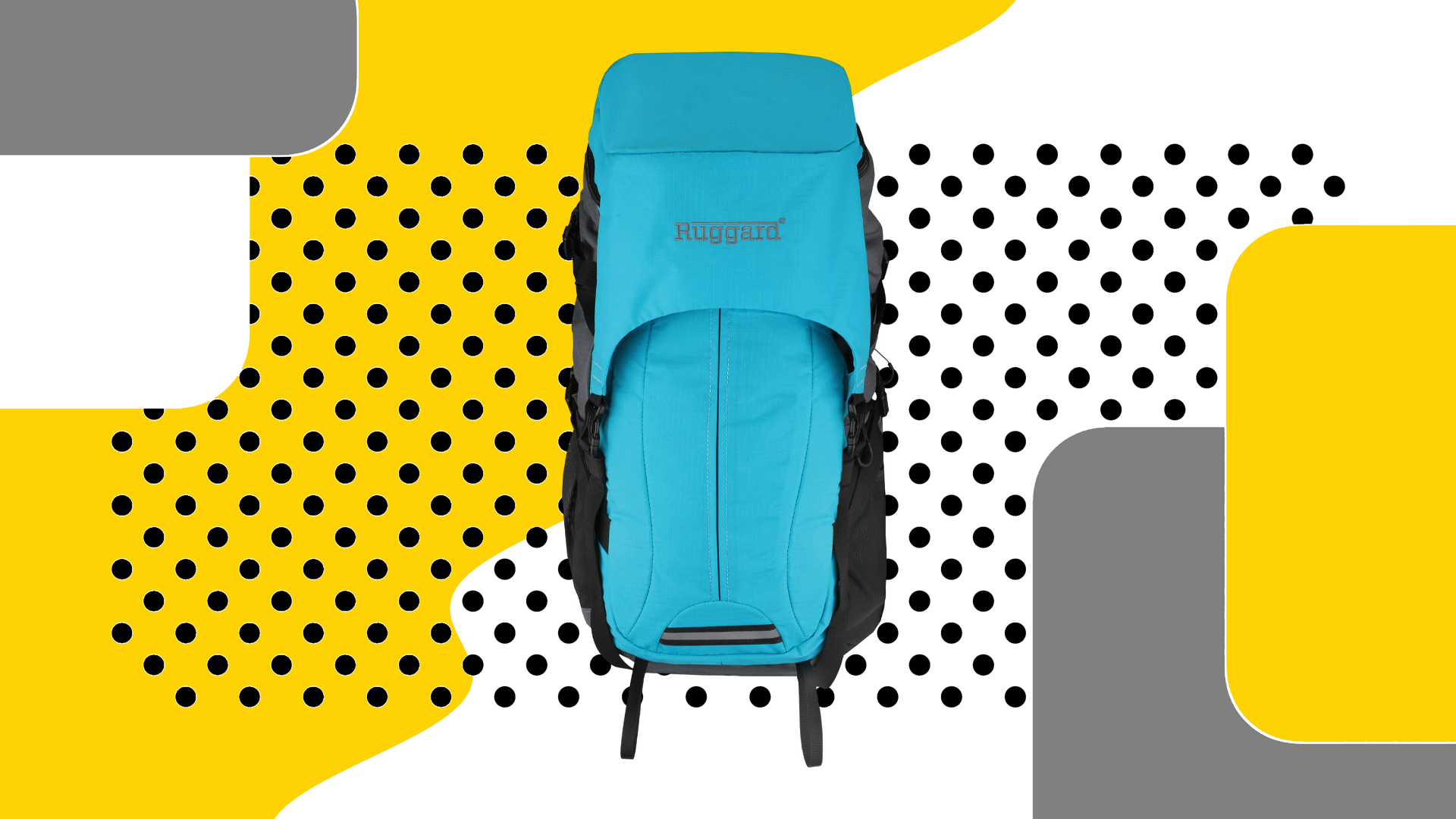
Both bags feature a removable, compact camera compartment. This can double as a sling bag but also gives wearers the ability to use this pack for backpacking exclusively while leaving the camera at home. While it can certainly fit a super-telephoto zoom, you'll need to go back to the backpacks above for the primes. Again, these are not necessarily long lens bags, more so an excursion back. When it comes to an excursion, we'll have need for plenty of accessories.
There's no shortage of space for accessories in the 30L, from a dedicated top pouch to small pockets on the waist support straps. Of course, what kind of trekking bag would this be without the proper space for a water bladder. While lacking some of the aforementioned features, the 23L is no slouch. For shorter hikes or as an alternative to the traditional daypack, we recommend the smaller size.
Other Considerations
Any existing bag can be made into a camera bag with the right accessories. We don't recommend wrapping a camera lens in socks and throwing it in a duffle bag, but by using the aforementioned lens pouches or even a removable camera compartment like the one found in the FotoTrek bags, we can safely transport our gear in a standard backpack.
The same applies to laptops. While many bags offer laptop sleeves, none are so padded as a camera bag. In cases where you need to transport a laptop in an unpadded bag, use a case like the Ruggard LuxeWeave Laptop Sleeve. These are available for multiple laptop sizes and give the user some added peace of mind when tossing their bag under their desk, in the back seat, or the overhead bin.

Making Your Choice
No bag is perfect for every scenario. It's very likely that you'll accumulate quite a few in your time as a photographer, so don't feel stuck with one style. As mentioned above, you may have a backpack for big trips or jobs and a small sling for walks out on the town. Some travelers have different sized bags for different overhead bin sizes. The sky is the limit and like the very cameras we use, we need to find what fits our needs.
We hope you've learned about the vast array of bags available from Ruggard. There's something for everyone, from a student finding their way to working professionals in need of some heavy-duty storage. If you'd like to learn more about photo bags and photography as a whole, check out our other guides and articles on the B&H Explora Page!
