Search results for: photography buying guide understanding exposure dynamic range
About 5 filtered results
by Mathew Malwitz · Posted
There’s an old adage that claims in order to be a wildlife photographer, you need a lot of time and a lot of money. This is only partly true. Many great wildlife photo opportunities can occur in urban parks and even in your own backyard, as long as we know what we’re doing. In this article, we’re going to cover a number of essential tips that will help you become a better wildlife photographer.
If you’ve read our introduction

by Mathew Malwitz · Posted
If renowned landscape photographer Ansel Adams were alive today, he would surely be astounded at the variety of cameras available. When compared to his hulking 8x10 view camera, today’s cameras look like child’s play. He would also be flabbergasted at the image quality these little devices produce.
This year, we have a bottomless well of cameras

by Jill Waterman · Posted
Here’s a hot tip: In addition to photo, video, and audio gear, as well as other tech products, B&H carries thousands of books and tutorials covering the fields of photography, video, audio and computers, plus inspirational titles to get your creative juices flowing. For all you bibliophiles out there, we’ve compiled this shortlist of must-have publications spanning photography basics, photo careers, marketing and promotion, business practices, teaching photography, lighting technique, specialty photo subjects, creative inspiration,
by Shawn C. Steiner · Posted
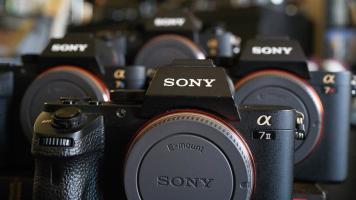
First came the trio of a7 cameras, then came the a7 II series, and now we have the a9. It doesn’t seem like there is any end in sight for Sony with its full-frame mirrorless lineup, and each one has its own unique capabilities. So, if you are looking to grab a member of Sony’s ever-expanding camera family, we are here to help you pick out the one that is best for you.
Overview
We are going to focus on the most current models—the a7 II series and the a9. If you are looking to save some cash or just don’t need/want the latest and greatest, then
by Shawn C. Steiner · Posted
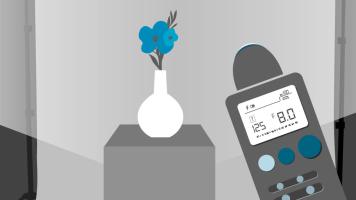
A light meter provides crucial information to photographers and cinematographers for their work; it provides a measurement of the exposure, tells users exactly what shutter speed/aperture combination to use based on the 18% gray standard, and can even provide detailed charts and graphs on the quality and color of the lights one is using. Generally, it will be seen as a tool to check exposure settings for perfectly balanced images. Additionally, some models can provide other exceptionally useful capabilities, such as flash metering, color