Search results for: photography tips solutions how to choose right paper for photo prints
About 6 filtered results
by Mathew Malwitz · Posted
As photographers, especially wedding photographers, one of the best parts of a job is delivering the final images to clients. Sure, it comes with the anxious anticipation of waiting for that “we LOVE them” email from the client but, it’s a box to check off in your workflow. Deciding exactly how you deliver those images in the age of instant gratification presents its own set of questions, decisions, and trade-offs. What, then, are the best and worst options for delivering photographs? Well, it’s going to vary from photographer to photographer,

by Allan Weitz · Posted
For the longest time, comparing image quality between point-and-shoot cameras and full-frame cameras, or even APS-C format cameras, was a conversation you could have start to finish during the course of an elevator ride. Point-and-shoot cameras were convenient, but the detail and dynamic range of their smaller sensors never measured up to the detail and dynamic range you get from larger sensors. And then one day Sony introduced a new 1" format CMOS sensor, and BOOM! People started having second thoughts about slinging heavy camera bags over
by Cory Rice · Posted
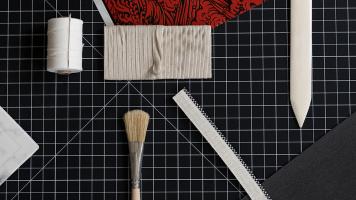
In 1843, Anna Atkins made history when she bound her cyanotype impressions of algae into the first photographically illustrated book, Photographs of British Algae. A few months later, inventor of the salted paper print and acquaintance of Atkins, Henry Fox Talbot, published The Pencil of Nature, the first commercially
by Shawn C. Steiner · Posted
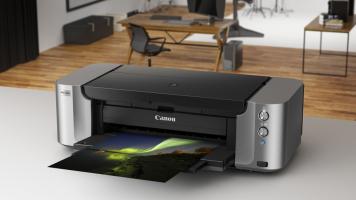
Much like film, at-home printing seems more and more like a dying art with every passing day. There are still some of us who enjoy the feeling of picking up a print you made yourself. I understand it can be somewhat intimidating at first, so here are some quick tips that will help you get up and running.
Calibrate your Display!
I almost can’t repeat this one enough, because calibrating your display should be required if you want to start printing photos at home. If you want to edit an image for print, calibration is a critical step, since it

by Cory Rice · Posted
First impressions matter as much in the art world as they do in everyday life. Presentation goes a long way in establishing how a photograph will be received by its audience. Artists, curators, and gallery owners know this and put considerable thought into mounting, framing, and hanging photographs for exhibition. Tossing a print into a pre-made frame might suffice for a vacation photo at home but an artwork destined for public display requires more nuanced handling. To better understand the art and craft of photo presentation, I picked the

by John Harris · Posted
And I’m not a pioneer of any style: I am just taking the kind of photos I like to take, using the principles of composition embraced by Cartier-Bresson and the street photography style forwarded by Klein and Winogrand, and applying them to a wedding.”
Some may beg to differ—after all, the “Ascough style” is a phrase often thrown around, referring to his black-and-white documentary wedding photography, and he is often mentioned as being one of the best wedding photographers in world. He is one of the