Search results for: photography tips solutions guide choosing photo prints
About 13 filtered results
by Luke Rollins · Posted
Learn about how to get started with dental photography, including what gear to use, which photographic fundamentals you should be focusing on, and why dental photography is critical for both clinical care and promoting your own dental practice.
IN THIS ARTICLE
1. (Don’t Fear) the Gear2. Good Dental Photography Is Good Photography3. Macro Discipline, Portrait Mindset4. Embrace the Flash5. Clinical,

by Mathew Malwitz · Posted
Smartphones have forever changed the world of photography, making the art form more accessible and connecting people from across the world through the instantaneous sharing of images. For all their benefits, there are plenty of criticisms to be had, especially on the creative front. Smartphone cameras are, for some, everything one could want from a camera. For others, they lack the control and creative freedom that makes photography so interesting.
Who can blame one for having hard feelings against smartphones. After all, they nearly wiped

by Mathew Malwitz · Posted
Composition in photography refers to the way in which we arrange visual elements in an image. It's how we position the subject in the frame and how all elements combine to create a visually appealing photograph.
All photographs © Mathew Malwitz
Expensive cameras and long lenses can only get us so far. It's not the gear that makes the photo, but the photographer. A creative and observant eye is the key to making visually pleasing photographs. These skills can be learned, and with practice, you'll be well on your way to creating strong

by Rachel Leathe · Posted
What makes a camera good for landscape photography? In this article, we’ll dive into factors such as megapixel count, sensor size, usability, weather readiness, and design—helping you develop your own personal metric for finding the ideal camera. We’ll help you wade through all the technical mumbo jumbo to figure out what specs really matter, whether you want to capture stunning mountain ranges or shoot star-strewn night skies.
Megapixels
It doesn't get much more basic than megapixels. They're like the atoms of photography. But just how many

by Jill Waterman · Posted
Each autumn, as the days get shorter and the weather cools, chlorophyll production slows in hardwood trees and bushes, causing leaves to lose the vibrant green of summer. As these conditions overtake the map, nature puts on a brilliant show of color in many parts of the United States. The changing of the leaves follows a rough pathway from north to south, starting in early September and often lasting into November in southern locales.
Above photograph: Colorado Gold, Maroon Bells Scenic Area © Bryan Carnathan
Fall foliage season is a big draw
by Cory Rice · Posted
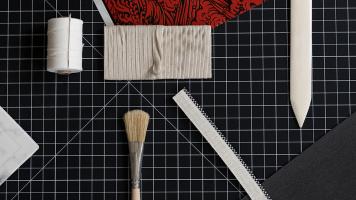
In 1843, Anna Atkins made history when she bound her cyanotype impressions of algae into the first photographically illustrated book, Photographs of British Algae. A few months later, inventor of the salted paper print and acquaintance of Atkins, Henry Fox Talbot, published The Pencil of Nature, the first commercially

by Bjorn Petersen · Posted
While we’re all confined to our homes for the time being, don’t let this time spent indoors and around the home spoil your creativity. And especially for those working photographers and digital gearheads, it might be a good time to slow down and reconnect with the roots of photography. While camera development and the state of imaging in general are all about speed, ease of use, connectivity, and availability, consider spending some time with the fun and more “genuine” side of photography for a bit, and rediscover the simple but magical

by Cory Rice · Posted
Photography is a social medium. For many of us, our cameras are a means of getting out of the house, exploring the world, and connecting with the people and places we encounter along the way. So, what's a photographer to do while confined to the home front for days on end? Here are some tips for staying inspired, productive, and creative that don't require leaving the house.
Make Portraits
Keep shooting! Family members, partners, and roommates can all make compelling subjects for portrait and documentary projects.

by Allan Weitz · Posted
Picture editing is an integral part of the photographic process, and this holds true whether your format is film or digital. Digital shooters typically upload images to their computers, tablets, or phones, edit the files in Lightroom, Photoshop, or comparable editing program, and, with a few keystrokes output wall-size murals or scaled-down Instagram posts.
The tools and workflow of film editing are different. Editing film requires a light table, magnifier or loupe, storage sleeves, and, if you plan on digitizing your film images, a film

by Jill Waterman · Posted
The photo community has a unique advantage over other art forms. As the most democratic of the arts, photographs, by their very nature, are among the most easily shared and viewed. This has given rise to an abundance of photographic portfolio reviews. In recent years, the portfolio review has become ubiquitous in the field of photography, providing a venue for photographers of all levels, from students to enthusiasts to accomplished professionals. Opportunities for critique, feedback, and professional connection are also available within a

by Josh Taylor · Posted
Today’s digital cameras are capable of awesome imaging performance and they offer an unparalleled combination of convenience, efficiency, and cost effectiveness that has made them the dominant mode of image capture. Nevertheless, shooting black-and-white film, especially in medium format, is a fascinating and worthwhile experience that’s rewarding, fun, and can also go a long way toward making you a more thoughtful and effective digital photographer.

by Allan Weitz · Posted
Sometimes, the phrases, acronyms and strings of numbers or number-letter combinations used to identify photographic hardware or techniques can be daunting to the uninitiated neophyte photographer.
We've prepared a list of the basic terms. Have we left any out that you think should be added? Please let us know!
0-9 | A | B | C | D | E | F | G | H | I |

by Jill Waterman · Posted
With the year winding down and arrangements for family gatherings in the works, some advance planning for recording these moments through photographs is a worthwhile consideration. It’s no longer the era of your grandfather’s Kodak, with family members captured stiff as a rail or suffering from red-eye. There are lots of exciting imaging options out there, all of which involve slightly different approaches. In an effort to help you to make sense of the current spectrum, we’ve outlined these seven tips to walk you through the process, and to