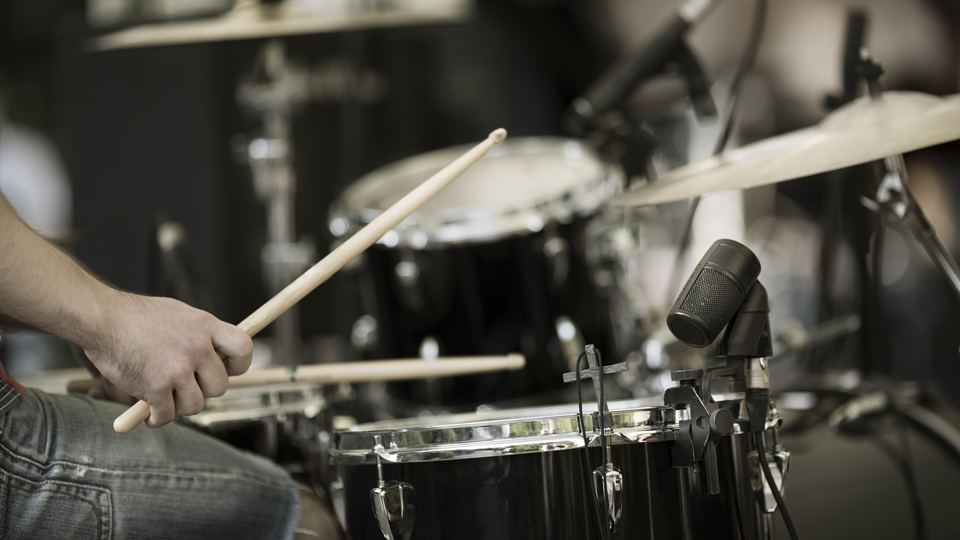
Recording drums is an esoteric practice; even with consistent techniques, it can be difficult to get consistent results, and with so many microphones on the market, it's tough to know what gear will bring out the most life from your performance. Luckily, you don't need expensive mics to achieve a brilliant recording (but it doesn't hurt)—if you're someone who wants to know more about recording drums and which mics are best suited for the job, this article is for you!
How Do I Record a Drum Kit? Basics Before Micing
While this article is a shopping guide for drum microphones, I'd be remiss not to mention that about 80% of recording great sounding drums happens before any mics get plugged in. The drum kit's tuning, the technique and proficiency of the drummer, and the room the drums are being played in will affect the quality of the recording FAR more than the style, positioning, and price of microphones being used to record.
We have an article on how to record a rock band with a significant section (almost half) dedicated to recording drums that goes over simple and complex mono, stereo, and multi-track drum recording techniques like Glyn Johns, overhead spacing choices, and mid/side recording. Check that out if you want to know a bit more about the pre-and-post-recording process—but if you're just looking for some recommendation for great drum mics, read on.

What Kind of Microphone Do I Need?
Drums are a collection of instruments that all have their own sound characteristics, so ideally, you wouldn't want to use the same microphone on everything. Mixing and matching different kinds of mics throughout the kit is best practice when micing up, and there are three options when choosing: condenser, dynamic, and ribbon.
Condensers: Condenser mics have fantastic temporal response, high sensitivity, and neutral frequency response—they're also quite delicate and almost always require phantom power to operate (your mixer or audio interface is sure to feature +48V Phantom). Their character makes them perfect for recording things further away from the kit, so they're great as overheads, room mics, or spot mics for specific circumstances. Because they are delicate, they're susceptible to distortion from loud sources; you probably won't want to use a condenser when close micing snares and kicks (though there are plenty of exceptions).
Dynamics: Dynamic microphones have a slower temporal response and a duller sensitivity overall, so despite the fact they capture less detail, they're far more robust devices and can withstand loud sources with little to no distortion. They almost never require +48V phantom and are perfect for close micing and spot micing the kit, especially loud parts like the kick and snare. They are more gain-hungry than condensers, so you'll need to give them a bit more juice than you might think.
Ribbon: Ribbon mics aren't used quite as often as the other types in drum recording as they are extremely delicate (I've seen a ribbon die from a trumpet blast—that intern didn't last long) and are less sensitive and responsive than condensers. Turning on +48V phantom can literally destroy some ribbon mics. However, their bidirectional polar pattern and high-end roll off makes for a darker and more open sound signature that gives certain ribbon mics crucial roles in drum recording, specifically as drum overheads and for room micing. Ribbons are often able to glue together all the mics on the kit in a way that bridges the gap between dynamic and condenser.
What Mics are Best for Each Section of the Kit?
While there are great mics made by small and niche manufacturers, there are a few mics that are known for their specific quality when used on a certain part of the kit—let's briefly discuss some of the industry-standard mics for each one.
Snares
Depending on the genre of music and style of drummer, the snare is likely to be the loudest part of the kit—this means you'll usually want to with a dynamic mic (but not always!)
Shure SM57
You can't go wrong with the Shure SM57. This affordable and highly versatile dynamic microphone is a go-to for both snare tops and bottoms and can be found in nearly every studio and stage across the globe.

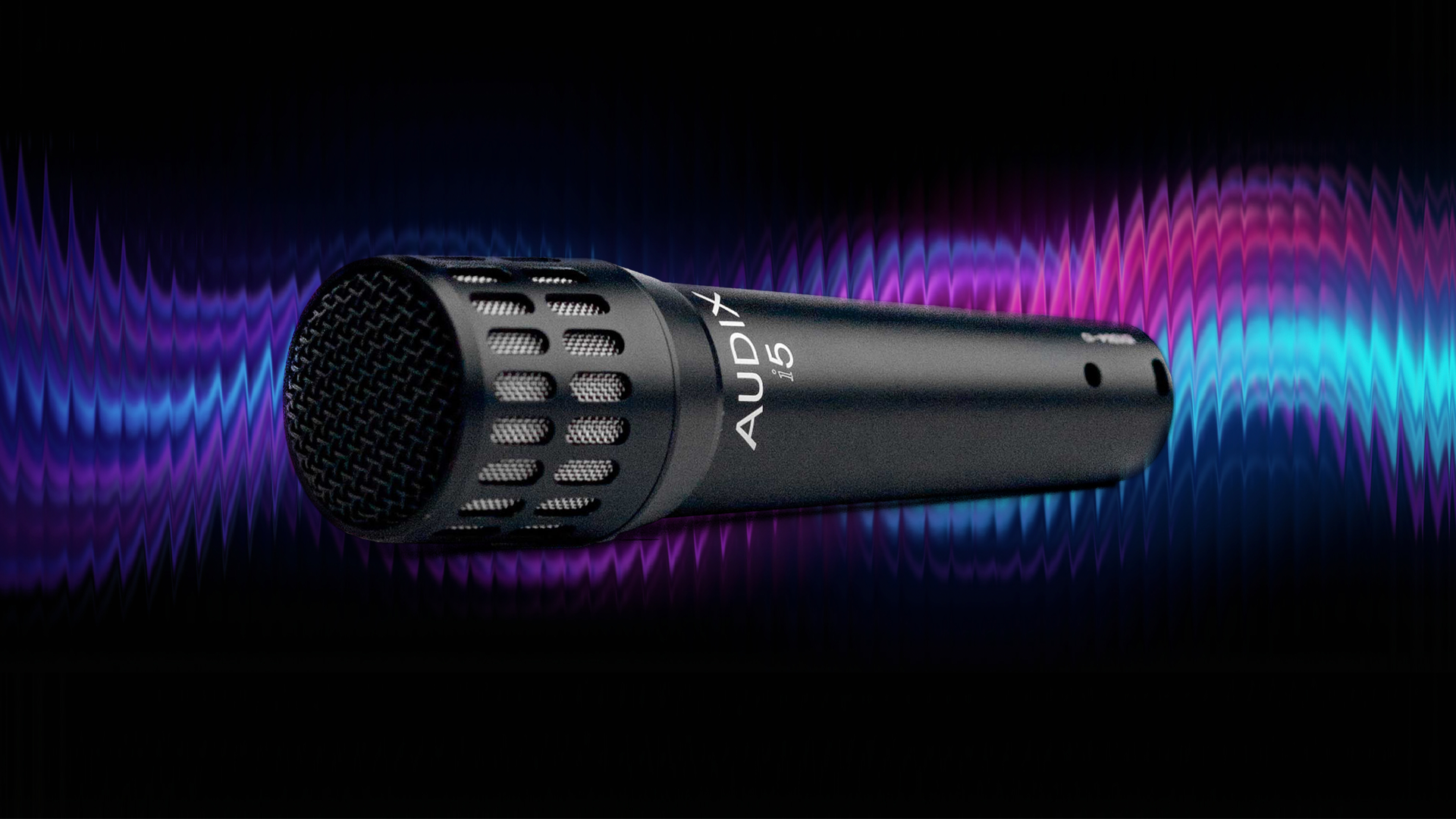
Audix i5
The Audix i5 is like the SM57 but with a little bit more zest, making for a modern tone. The i5 has its own character and EQ response that brings a snappy "compressed" sound from the snare.
Shure SM7B
The classic Shure SM7B is best known as the mic seen on every podcast, but it also has made a home near the snare drum. You'll get super clean, super snappy, hard slamming snares with the SM7B, but its huge chassis might make setting it up on a kit quite a squeeze.

Neumann U47 FET
If you're recording a drummer that's going to play with lots of dynamics—jazz, bluegrass, blues, etc.—this the Neumann U47 is a privileged choice. This is a condenser mic, so while it probably won't get damaged by a loud player, the preamp will likely overload, and you'll be left with a distorted sound. If you're recording a performance with touch and finesse (and you have some deep pockets), you'll hear every detail with this one.

Kicks
The kick is another place where the SPL and volume of the kit is greatest, especially because of the low frequencies. You'll most likely go with a dynamic mic, and it'll depend on whether you're using it as a kick-in or a kick-out.
AKG D112
The AKG D112 is another go-to standard you'll see in many drum recording kits for live and studio performances. It has a soft, "loose" response and is great if you're trying to "feel" the kick more than "hear" it. It works great as a kick in or a kick out, but if you want a snapper kick, check out the others on the list.

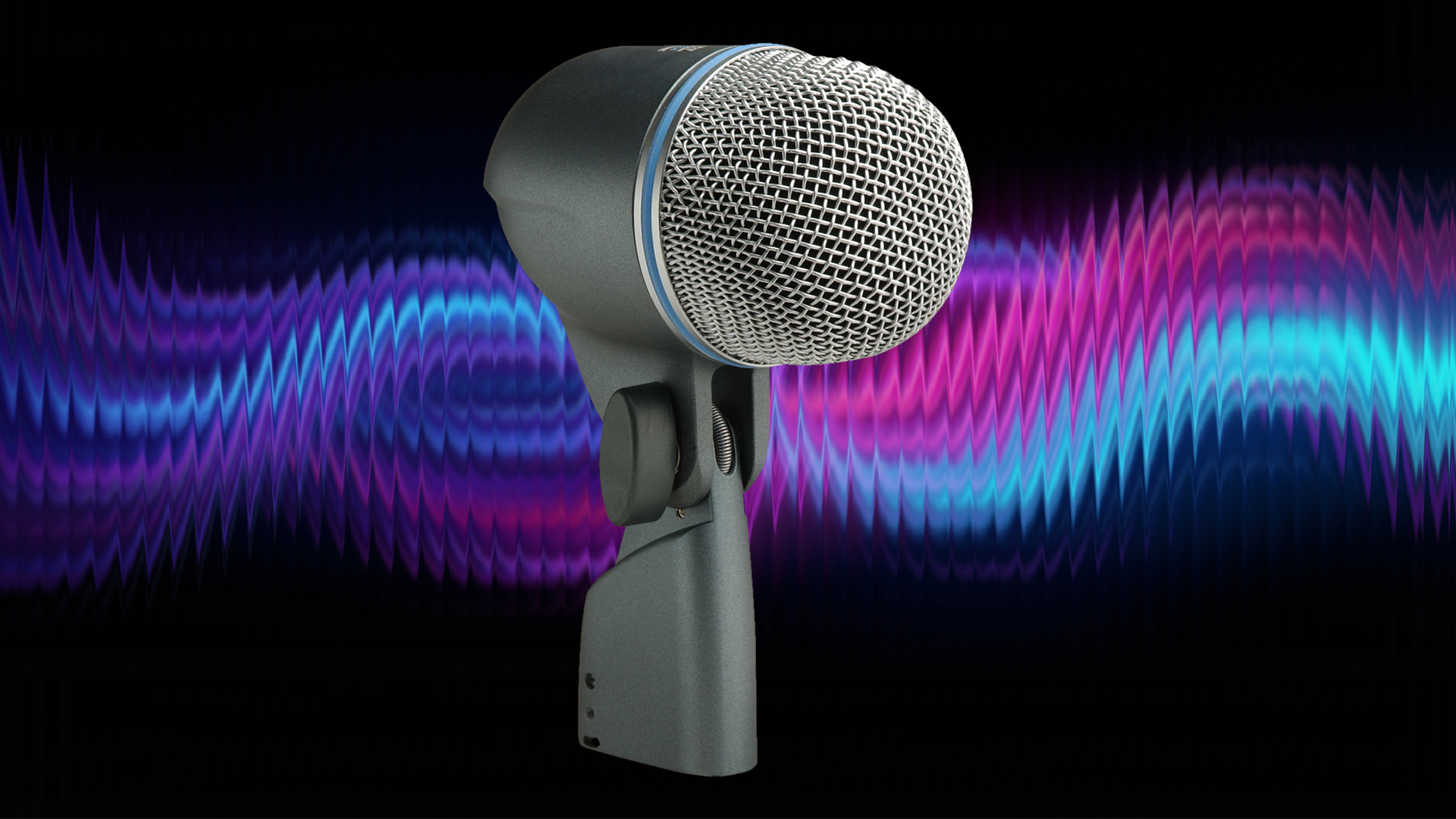
Shure Beta 52A
Yet another go to kick mic is the Shure Beta 52A. While it has a similar form factor to the D112, the 52A has a snappier more precise response with plenty of low-end. It delivers exemplary performance when used as a kick out while paired with a kick in like the D112, or the next mic on this list.
Shure Beta 91A
This goofy little boundary condenser mic is the favorite of many drummers. The Shure Beta 91A is a kick-in mic and gives a brilliant representation of resonance inside the kick shell, perfect when paired with a great kick out mic like any of the others on this list. Use a bit of soft material like a pillow or towel when placing this mic inside of the kick drum, and you'll get fantastic results.

ElectroVoice RE20
The EV RE20 is a great microphone to have around the studio, fitting many roles from vocals, bass cabinets, and (obviously) kick drums. Typically used as a kick out, it has a balanced but less focused character with clear mids. Keep in mind that the RE20 has variable-D, meaning the proximity effect most other mics have will be minimized, so you'll have a less low-end than with another mic.

Kick Sub
Kick subs are fascinating devices. Since mics and speakers are both transducers, if you wire a speaker as you would a microphone, you will create a super big dynamic microphone.
Because the speaker cone and magnet on a kick sub are so big, you'll get a super slow transient response and a massively reduced frequency response, meaning you can use the kick sub to capture a kick's super low end (60 Hz and less). This is not a difficult thing to make for yourself, but we have some options at B&H.
Avantone Pro Sub Kick
The Avantone Pro Kick Sub is the speaker driver from an Avantone CLA-10 (the modern "recreation" of the classic Yamaha NS10s) mounted in a wooden drum shell. The stand is specifically designed for use as a kick sub, so you won't have to jury-rig anything up to get it positioned.

SOLOMON MiCS LoFReQ Sub Microphone
The SOLOMON kick sub gives a clean and focused sound with a decent transient response for what it is. It's gotten a lot of praise from drummers and engineers and is designed to match a Beta 52.

Toms
Toms often go unrecorded because overheads can capture the depth and width of the toms quite nicely. However, sometimes you need to close mic those bad boys so you can take advantage of the proximity effect to get that deep, bassy tone. If someone's recording a tom-heavy part, these are the mics you'll want to use.
Sennheiser MD421
The Sennheiser MD421 is a classic—it's been around for a long time and is super versatile like the RE20. These mics are huge and the clips can be finicky (there is a smaller version, but it's not really the same mic in my experience), but the sound you get from toms from the MD421 is industry standard with clear transients and a nice frequency response.

Earthworks DM20 (condenser)
The Earthworks DM20 condenser mic is an industry favorite due to its small size, rack mount clips, and exceptional transient response. These will record toms with exceptional clarity—if you're doing some heavy lifting with the toms, look no further.

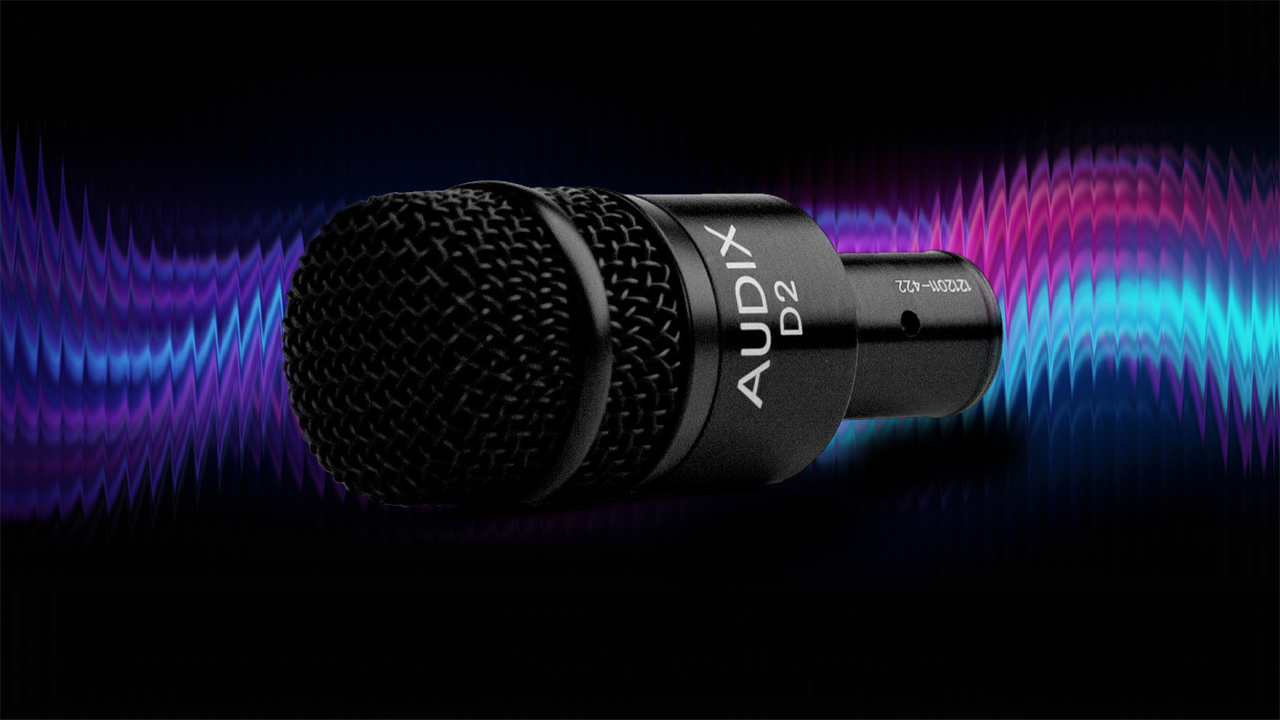
Audix D2 and D4
The Audix D2 is specifically tailored for rack toms and the D4 for floor toms. Like Audix's other mics, these guys have an aggressive and modern frequency response/EQ curve, so you don't have to EQ in post as hard.
Sennheiser E 604
Small, tough, and cheap, the Sennheiser E 604 uses an integrated clip mount to attach directly to the rim of the toms. They're super common for live shows but get the job done for smaller recording outfits on a budget (especially because you don't need mic stands). They also come in a three pack if you want to save a couple bones.

Overheads
Overheads are usually set up in a pair to deliver the stereo width and sense of space in a drum recording—but there's nothing wrong with micing mono to reinforce the whole kit. These will almost always be condenser mics and are typically the most expensive of a drum recording kit.
Neumann KM184
THE industry standard overhead mic, the Neumann KM184 is a small diaphragm condenser mic that captures a TON of detail. The integrated transformer gives it some subtle saturation. They come in a stereo matched pair, which I recommend over getting two individually.

AKG C414
The AKG C414 has been one of the most versatile industry standard large diaphragm condenser microphones for decades with its nine selectable polar patterns and clear, distinctive sound—it's just a fantastic mic to have in the locker. If you're lucky enough to own two (we sell a matched pair), they can be amazing overheads that can record in any stereo setup including mid-side.

DPA 4011A
The DPA 4011A is superlatively praised—and superlatively expensive—small diaphragm condenser microphone that has become the go-to for large orchestra recordings but has also found a role as an incredibly clear overhead mic. With nigh-impossible flat frequency response and the ability to switch microphone capsules and change the body size of the chassis, the 4011A is a benchmark of quality and performance.

Ribbons—Spot, Room, and Utility Mics
Beyerdynamic M160
The Beyerdynamic M160 is a bidirectional ribbon mic that has been used in utility roles for drum micing, but also as overheads. The natural high-frequency roll-off makes for a sound that emphasizes the drums over the cymbals, giving a darker tone while capturing room sound from the ceiling and walls of the drum booth.

Coles 4038
Another classic that's been around for generations, the Coles 4038 is a ribbon mic with the heft of a lead brick (but it's still a ribbon mic, so treat them with care!). These ribbon mics have the dark signature of the ribbon but have a ton of punch in the mids compared to the M160, making them great for overheads, as spot mics, or for room micing with their bidirectionality.

Royer R121
The Royer R121 is another super versatile ribbon mic vaunted for its dark, punchy, and creamy clarity, best used as a room mic to crush with compression to add bite to the drums. While it's a luxury to use one for drums (I'd personally only use them as overheads in a Blumlein configuration), they can do a lot in the studio and are especially known for dual-micing guitar cabs with a Shure SM57.

Drum Mic Bundles
Now that you know some of the best mics for each drum recording role, one way to get everything you need in one go and save a little money on the side is purchasing a drum mic bundle kit. These kits come with 3+ mics that will have everything you need to get going (besides cables and stands), usually containing at least a kick mic, snare mic, and two overhead mics. There are many levels of drum mic kits—lets go over a few of our favorites that we have in stock at B&H.
Shure DMK57-52 Drum Microphone Kit
The Shure DMK57-52 might be the most straightforward kit out there: it consists of three Sm57s (A legendary dynamic instrument mic, good for both live sound and studio recording), and the fantastic Beta 52A kick drum microphone along with a bevy of mic clips and drum mounts and a case for storage.

None of these mics are super fancy, but they're iconic workhorses that have been used as industry standards for decades, and for good reason. The SM57s are perfect for snares, sound great on toms, and if you ever decide to upgrade, they're perfect for spot cymbals, guitar cabs, hi-hats—you name it, it'll probably sound good with a 57.
The only downside is that it doesn't come with proper overheads—you'll want to buy a pair of proper overhead mics if you're trying to record a five-piece kit.
Audix DP7 Plus Kit
If you want literally everything you need to record a full kit and even go a little overkill, the Audix DP7 Plus drum mic bundle comes with eight mics, four standard and four rim-mount mic clips, and a foam-lined aluminum road case.

You can get a package with either two or three ADX51 cardioid condensers (for overheads and spot/room), the D6 kick mic, i5 snare mic, two D2 rack tom mics, and one D4 floor tom mic. Literally all of these mics are contenders as some of the best stuff out there for their roles.
As stated above, the Audix lineup has some modern spice in their sound signature, adding their own EQ curves that add punchiness and high end that make EQing and compressing the drums in post less of an intensive process.
Sennheiser Drum Kit 600
If you're serious about recording toms and are looking for a solid, cost-effective kit, the Sennheiser Drum Kit 600 might be right for you. The four E 604s are durable and tiny rim-clipped tom mics, the e 602-II kick mic is a solid choice, and the kit comes with two more-than-decent e614 condenser overheads.

While you could use the e-604 as a snare mic, I'd recommend also investing in one or two Shure SM57s for the snare—they're not too expensive and you'll get a more radio-ready sound.
Earthworks DK7
Similar to the Sennheiser 600 kit but at a way higher level, the Earthworks DK7 kit gives you four DM20 clip-on mics for toms and snare, an excellent DM6 kick mic, and a matched pair of SR25 Gen 2 Overhead condenser mics—along with rim mounts, clips, windscreens, and an extremely durable carrying case.

While the DM20s are pretty good for snares, I again recommend having a spare SM57 or two for snares—they just give you the sound you hear on the hits. Those looking for that hi-fi sound with minimal bleed and incredible response and focus should budget for this high-level kit—Earthworks makes some of the best mics out there.
Shure PGADRUMKIT5 (budget-pick)
Those looking to get started recording drums on a budget should consider the Shure PGADRUMKIT5, a five-piece kit with a PGA52 kick mic, three PGA56 snare/tom mics, and a PGA57 instrument mic—all dynamic mics, so no proper overheads.

These guys aren't going to wow anyone, but they're great for live sound situations or for beginners and educators who need a recording solution on the cheap—and despite the compromise, I've heard some pretty impressive results from people using these mics. It even comes with the proper XLR cabling!
I might sound like a broken record, but again I recommend budgeting for one or two Shure SM57's for the snare—it'll push out a lot more value out of this already affordable package.
sE Electronics V PACK ARENA
The sE Electronics V PACK ARENA is a well-regarded six-mic drum mic kit with the V Kick kick mic, V7X snare mic, three V BEAT tom mics, and a matched pair of sE8 condenser overheads.

You'll be able to pull quite a few different sounds out of your session with this kit, as the kick mic has switches on the back that control midrange and/or high-frequency content and the overhead condensers have attenuation pads and a low-pass roll off. The super-cardioid tom mics have great directionality, preventing excessive bleed or spill and focusing on the deep tones from the toms.
This is an overall solid kit that has a deep discount at time of this writing but while the V7 snare mic is great and all, the Shure SM57 is invincible—think about including one with your purchase and using the included microphone as a spot or instrument mic.
Wrapping It Up
So, if you didn't know about some of the best drum recording mics and some of the deals you can get on them in a package, hopefully this article has enlightened you to some of the most popular mics out there. If you're getting into recording, you'll be seeing these mics constantly in your career, and getting to know their sound and individual characteristics is key to improving your engineering skills and drum sound.
If you have any questions, feel free to reach out to our team of pro audio specialists and check out the mic room at our 420 SuperStore in Midtown Manhattan!
