Analog Mixers

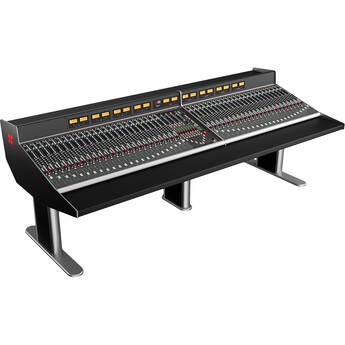
Harrison Audio 32Classic 5448 48-Channel In-Line Recording/Mixing Console
- Professional Music Recording and Mixing
- Optimized for DAW Users
- 48 Mono Mic/Line Channels
- Classic 32C 4-Band Parametric EQs
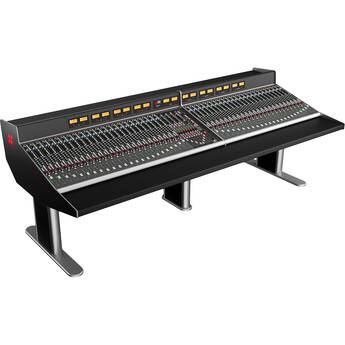
Harrison Audio 32Classic 5448 48-Channel In-Line Recording/Mixing Console with Dante
- Professional Music Recording and Mixing
- Optimized for DAW Users
- 48 Mono Mic/Line Channels
- 96x96 Dante Interface
All About Audio Mixers & Analog Recording Mixers
Analog mixers belong to a category of devices known as audio mixers. Whether you plan on recording in a studio or performing live, these mixers improve your sound, in addition to other benefits.
What Does an Analog Mixer Do?
An analog mixer takes in signals from different sources, blends and processes them, and then sends it out to devices such as speakers. They're essential for live performances, broadcasting, and recording, as they balance the levels of different audio inputs to ensure high-quality sound. A unique feature is the ability to provide natural texture to the audio, thanks to a process called "summing," in which analog components combine signals from all channels.
Analog Mixers vs. Digital Mixers
While the function of analog and digital mixers is the same, there are a few differences to be aware of before purchasing. Analog consoles are very similar in design, making them easy to operate and switch between. The visual feedback offered by analog boards also makes it easier to troubleshoot various challenges that may arise regarding sound flow. Other reasons to choose analog may be due to their generally lower price points, as well as being customizable when it comes to switching out components.
Choosing an Analog Mixer
An important factor to consider when purchasing any kind of mixer is whether you plan on using it for live audio or studio purposes. Analog recording mixers output to multitrack recorders and other locations, so they are often larger and have more inputs and routing options. Recording mixers also offer a simple signal flow thanks to hardwired inputs that take the guesswork out of channel processing. On the other hand, live sound mixers are more compact since they don't output to as many places. There are also analog utility mixers that work well for traveling or recording fewer sound sources. These mini mixers only offer a handful of inputs, but their small size makes them portable, lightweight, and convenient for small live shows and casual recording.
Check out the selection of analog mixer accessories, consoles, and more at B&H Photo and Video.