It is much too easy to take our sense of hearing for granted. However, let’s face it—if you saw someone walking around treating one of their other senses the way our hearing gets abused, you’d call social services. It’s common sense not to stare directly into the sun, or not to pick up a hot pan with your bare hands, but we regularly expose ourselves to the damaging sound pressure levels (SPLs) of live shows, the daily subway ride, band practice, passing ambulance sirens, spin class, and listening to loud music. All of these things can have negative long-term effects on our hearing. And, unlike so many of the other relationships in your life, all the flowers and cheap drugstore candy won’t fix this one if you damage it. Hearing loss is irreversible.
The National Institute on Deafness and other Communication Disorders estimates that 1 in 8 people 12 years and older in the United States has hearing loss in both ears, amounting to 30 million or so altogether. While your hearing does degrade naturally as you age, a lot of our day-to-day life causes premature hearing loss. Thankfully, there are a number of things you can do to help protect your hearing, ranging from the obvious to some of which you may not have been aware.
Plug it up
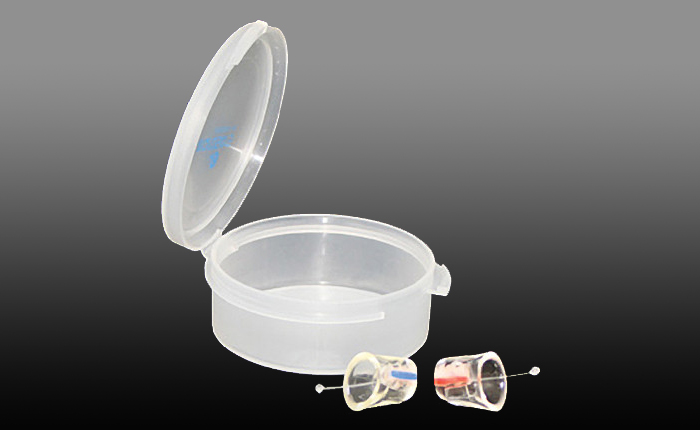
Alright, so this is the obvious one, and a good place to start. If you live or work in a major city, or go to shows or loud events frequently, you should always have some ear plugs in your bag. Live shows may be an obvious source of unwanted decibels, but everything from subways to traffic can easily reach into the unsafe decibel levels (above 85 dB SPL). There is no shortage of options available, too. If you aren’t concerned about maintaining sound quality while you’re reducing SPLs (say for that subway ride home), there are some affordable options that won’t leave you cursing if lose a pair. If you go to a lot of live shows or theater, however, you’re going to want a pair that provide protection without taking away from the show. I’ve been using EARasers now for a while (full review here), and I find that rather than muffling anything, they preserve the frequencies of the source sound while removing some of the volume.
Keep the volume in check
We listen to our music too loudly. It’s a thing. We all need to admit it. We’ve all been in a subway or bus and clearly heard someone’s music from across the car, even though they’re wearing headphones (which is terrifyingly loud to have directly on your ears). At one time or another, we’ve been the person doing that.
While we’re also coming clean, we should also admit “well, just turn it down” is tone-deaf advice. If we were capable of exhibiting self-control with the volume buttons when Queen Bey drops an album unannounced at midnight, then we wouldn’t be having this conversation.
Thankfully, if you have a portable player, tablet, or phone, it has a built-in volume limiter. Depending on what device you’re using, it will likely be found somewhere in settings, but consult your manual or the Google for details. It functions to cap the upper limit of how loud your device gets. Let’s face it, it doesn’t matter what you’re doing, when your favorite track drops, you turn it up a few notches, and next thing you know, the volume is maxed out. The volume limit makes sure you won’t be able to accidently get into dangerous SPL levels, even if you keep pressing the volume button.

Change up your cans
At first glance, getting a different pair of headphones may not seem like a solution that can help protect your ears, but hear me out (not sorry). There are plenty of headphones that claim to reduce noise in some fashion, but they are not all created equal, and can go about their goals in very different manners.
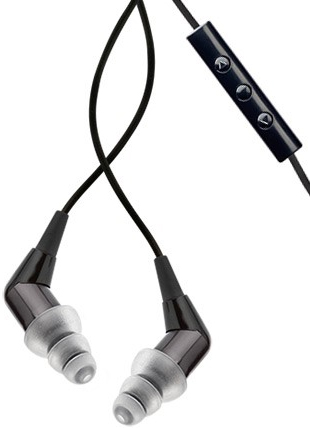
Noise isolating designs, which differ from noise canceling, can help lower the SPLs hitting your ear drums, more so than their canceling cousins. How? While noise-canceling headphones typically rely on some sort of battery-powered phase reversal to cancel out noise, noise-isolating headphones simply help block and reduce external noise through their design, almost as if they are ear plugs and headphones in one. With the external noise blocked, you can play your music back at a lower volume, since it’s not competing with all the noise surrounding you. There are many options available, including these over-ear and in-ear examples. A benefit of noise-isolating headphones is they don’t require power to cut down on the dBs.
Check the levels
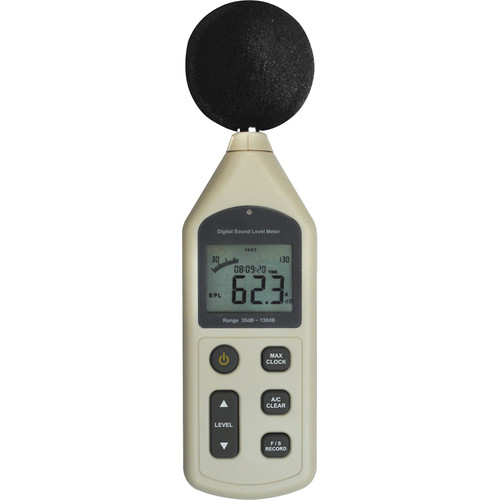
Do you have a poppin’ home system? Or maybe you make and mix music at home or professionally? You should know that anything over 85 dBs can be harmful, especially over extended periods. Also, 85 dB is quieter than you might expect, and can be the equivalent of a loud air conditioner. The best way to know if you’re in the danger zone is to use an SPL meter. If you’re concerned with incredibly accurate measurements you can pick up a custom purpose meter, but if you are just looking to ball-park it, there is no shortage of iOS and Android apps that do the trick. After you set your volume where you want it, pull up an app and see where your volume is at. If you’re watching a movie, listening to music, or mixing, and you’re steadily above 85 dB, you’d be well advised to turn it down.