
When it comes to converting and amplifying audio, these three terms are often used interchangeably, and to make things more confusing, audio interfaces and headphone amps can have DACs built into them.
But fear not dear reader, we’ve got the info you need to make the right choice! Here’s the rundown of these categories and when to consider them:
DAC (Digital-to-Analog-Converter)
What is a DAC?
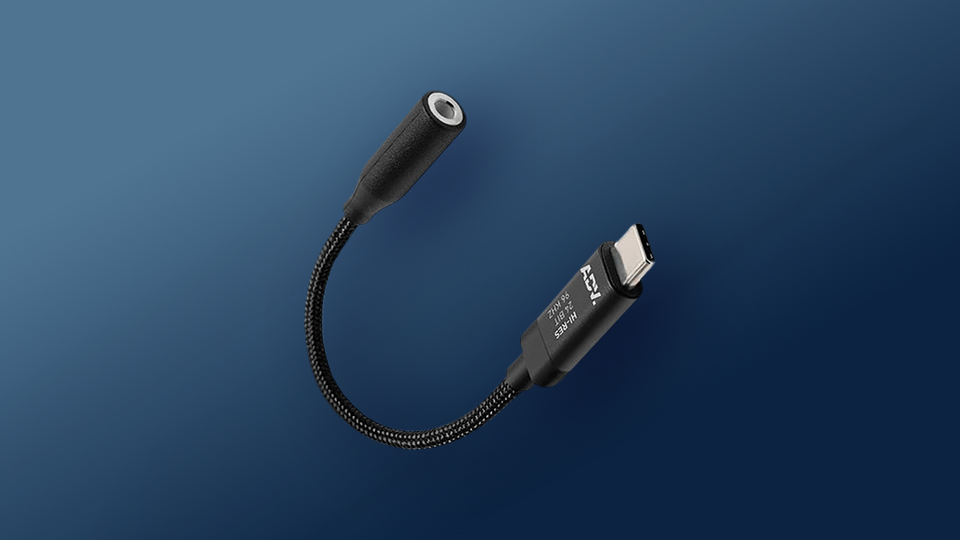
A DAC is an audio component that takes the 1s and 0s of a digital audio signal and converts it into an audible analog signal that is coherent to the human ear. Every digital device capable of playing audio has a built-in DAC—meaning every smartphone and computer has one built-in from the factory. You might not have realized it but if you have a USB-C to 3.5mm dongle, that’s technically a DAC!
Why Buy a DAC?
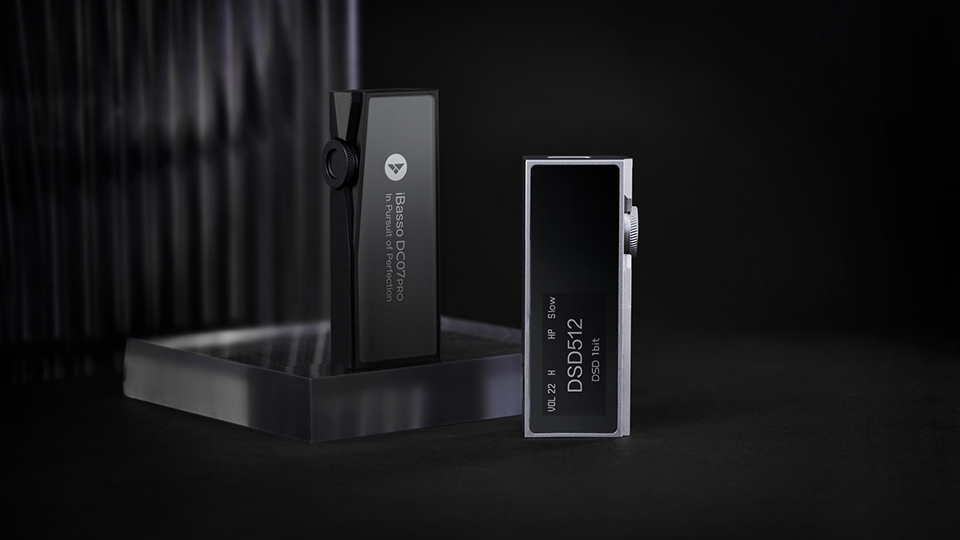
So why buy a separate DAC if your device already has one? Well, not all DACs are created equally. While the preinstalled DACs in most modern devices are quite enough for the average listener, a dedicated DAC can provide vastly superior sound quality by supporting ultra-high sample rates (some can handle DSD formats), higher bit-rates, and can come with multiple outputs for many pairs of headphones or speakers—larger studio DACs may even have a headphone amplifier built into them already.
Who is it for?
A DAC is for dedicated listeners, particularly audiophiles and Hi-Fi enthusiasts; it isn’t for recording music or audio. It enhances audio playback to its full potential, so it doesn’t make sense to use one for listening to compressed files like .mp3s or other low-quality formats; use a DAC when playing back CD-quality audio signal or lossless audio files like WAV, FLAC, or ALAC.
DACs come in all difference sizes and can be quite expensive, but those who want to get the full potential out of their audiophile speaker system or headphones from CDs, vinyl, or a lossless Hi-Res streaming service, should seriously consider one.
Audio Interface
What is an Audio Interface?
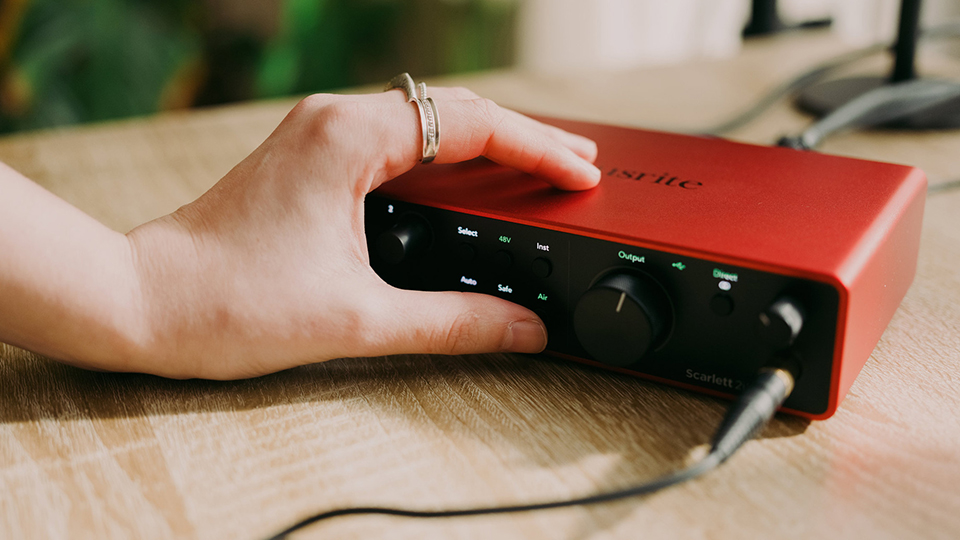
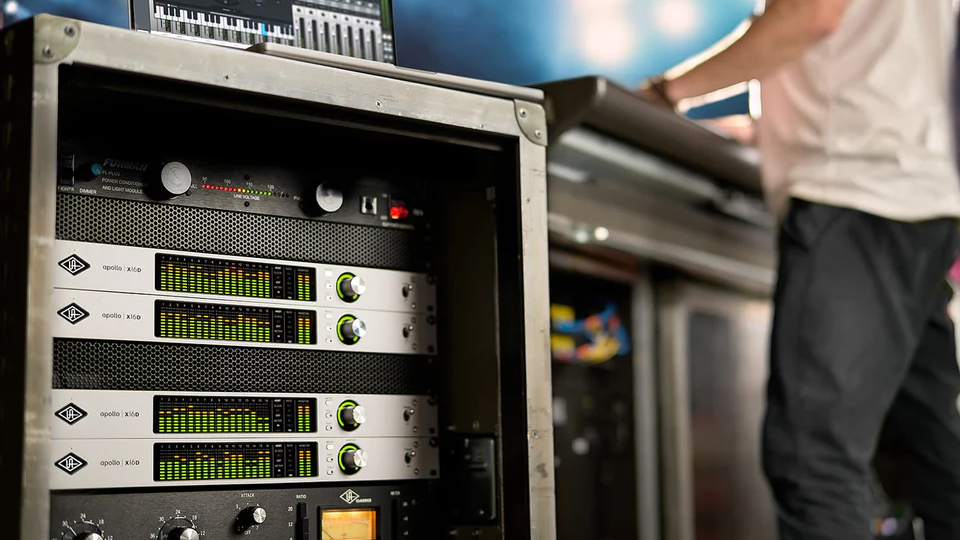
An audio interface is tool that contains several components that allow creators to record and playback audio for music, streaming, podcasting, and whatever kind of digital audio purpose you can think of. It is the central and complete hub of any digital recording studio.
Why Buy an Audio Interface?
Interfaces will have bi-directional conversion with both a DAC for listening and an ADC for recording, flexible connectivity with some combination of TRS, XLR, MIDI, and RCA (this varies product to product), built-in headphone and microphone preamps, and other features specialized for recording. It is among the first and most important tools to consider purchasing when building a recording studio.
Can I Use an Audio Interface as a DAC?
All audio interfaces necessarily have a built-in DAC—by the prosumer level, they’re usually quite high-quality, performing similarly to dedicated DACs at the same price point. So, in essence, any decent audio interface can be used as a DAC.
However, dedicated DACs will have cleaner conversion than an audio interface pound for pound as there are no extra electronic components within them that introduce interference, and they’re able to reach super-high resolutions like 32bit/768kHz—something that most audio interfaces aren’t capable of. DACs can also be far more portable with super-high-quality models as small as an iPhone dongle, making them the right choice for listening on the go.
Who is it for?
Audio interfaces are ideal for music producers and content creators and can be reliably used as a mid-quality DAC—but if you only plan on listening to Hi-Fi audio, go for a standalone DAC.
Headphone Amplifier
What is a Headphone Amplifier?
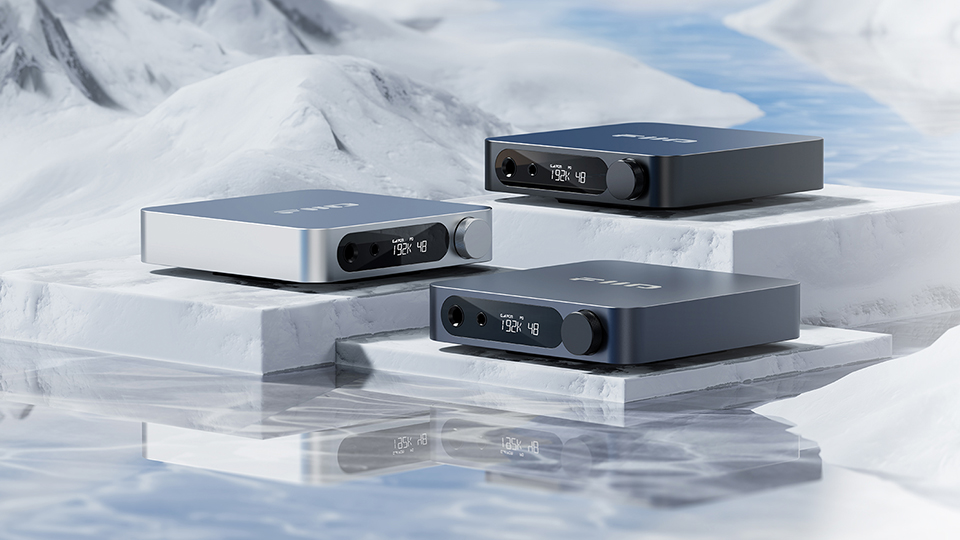
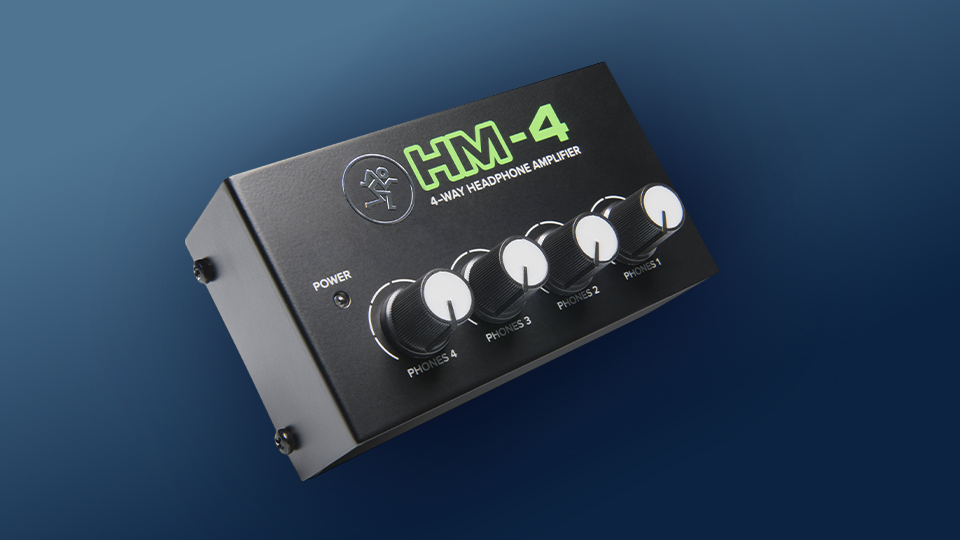
A headphone amplifier is not a simple device, but it has an extremely simple function: it takes audio signal and makes it louder for headphones. Headphone amps aren’t needed for most consumer level headphones, but when getting into high-fidelity and audiophile listening, they become an incredibly important part of the signal chain.
Why Buy a Headphone Amplifier?
Headphone amps are necessary when using high-impedance, audiophile headphones, usually recommended when reaching the 100+ Ohm level (though low-impedance headphones may still benefit from one).
Because it’s not worth the significant extra manufacturing cost, smartphones, tablets, and PCs typically have inferior audio output—pairing them with an amp (and a DAC, if the amp doesn’t have one built in) will result in a huge upgrade. Dedicated hi-fi players typically have a built-in headphone amp, so if you have one, purchasing a separate amp is unnecessary—but a super-high-quality ($1000+) amp can still make an audible difference, even in high-tier players.

Who is it for?
If you’re looking to drive high-impedance headphones like the Sennheiser HD 650 and HD 600 or the 250-ohm versions of the Beyerdynamic DT series, a headphone amp is 100% necessary—you’ll barely be able to get your audio above 70 dB without one. When using low-impedance headphones, you won’t need one, but it can still help bring better sounding audio if you’re listening to hi-fi quality CD or lossless audio, especially when combined with a proper DAC.

Breaking it Down
If you’re a creator looking to record audio, the audio interface is 100% the way to go. Audio interfaces have a DAC and headphone amp built-in, making it a complete system in one package.
If you’re only planning on listening and are looking to get the best performance out of your audiophile/hi-fi setup, you’ll want to get at least a DAC, and if you’re planning on using headphones, then a headphone amp as well. While an audio interface can do both, each separate device will perform better with less interference and be customized to your specific tastes, needs, and budget.
