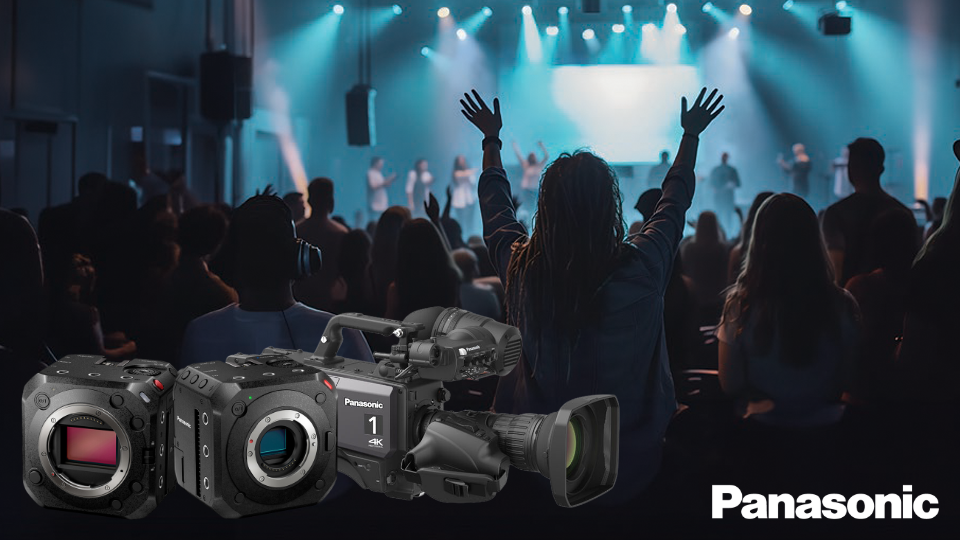
At IBC 2024, Panasonic announced two new box cameras, the AW-UB50 and AW-UB10, alongside an exciting new studio- and live-production camera, the AK-UCX100. Both the AW-UB50 and AW-UB10 box cameras will be familiar to fans of the Lumix BS1H and BGH1, as the sensor and basic build of those models are similar. But while those cameras were built around consumer Lumix software, the UB50 and UB10 were designed from the ground up for professional, studio, and live-production use. The Panasonic AK-UCX100 4K studio camera was designed for those same applications, featuring high-end features like HDR, a 12G-SDI port, fiber outputs, a B4 lens mount, and redundant operation with ST 2110 media transport networks.
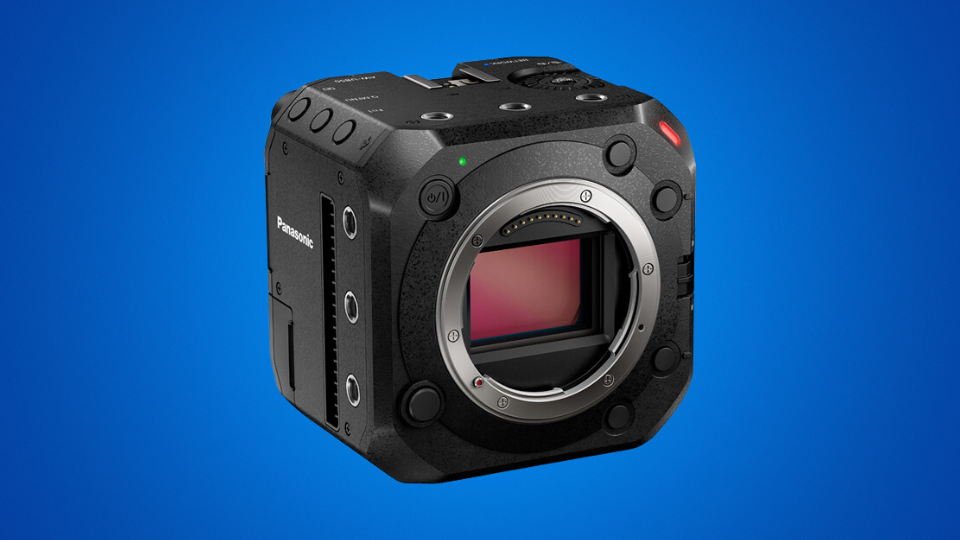
Starting with the box cameras first: The AW-UB50 boasts a 24.2M full-frame MOS sensor and an L-mount, while the AW-UB10 sports a 10.2M 4/3-inch MOS sensor and an MFT mount. Both feature the latest generation of Panasonic IP control protocols to allow you to use these cameras within the same set-up as the brand’s popular PTZ cameras. Video can be sent over IP-based offerings like RTP and RTSP, with additional support for Panasonic’s Media Production Suite and planned support for NDI® HX2, RTMPS, and SRT.
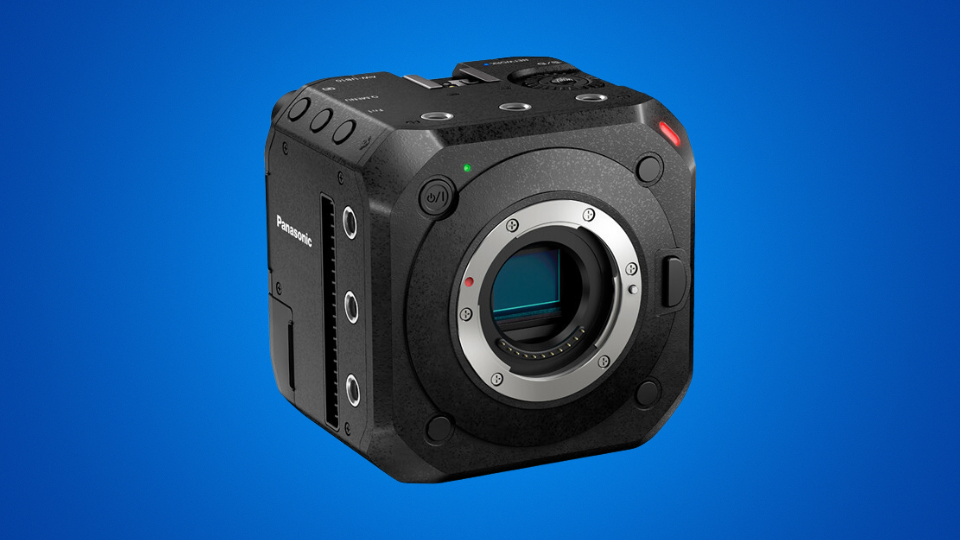
The cameras have dual native ISOs, face/iris recognition autofocus, the ability to record in V-Log for greater dynamic range, and PoE+ compatibility via their ethernet ports. They also have dual SD card slots and can record in MP4 or MOV formats, which could be extremely useful for backup and archival recordings of broadcast productions. Expect your studio-standard Timecode, Genlock, SDI, 3.5mm, USB-C, and HDMI ports, plus a battery sled and a traditional AC power input for the included AC adapter.

The big news here is that upgraded Ethernet port, as it allows you to send video, control and power over a single LAN cable, as you would a PTZ camera. Sure, these two models won’t have the in-real-time physical adjustability of a PTZ, but their large sensors and interchangeable lens mounts mean they can capture a much cleaner image, potentially with significantly shallower depth of field. The two models even have an updated color science built to match the popular AW-UE160 4K PTZ camera. Expect them at the start of next year, with pricing still to be announced.
The Panasonic AK-UCX100 is a more specialized piece of equipment, packing a 19.29MP MOS sensor and a B4 lens mount for high-end broadcast, studio, and event scenarios. The camera can be controlled independently, but many shooters will add a Camera Fiber Adaptor (CFA) or Camera Control Unit (CCU) to allow remote signal transmission and control.
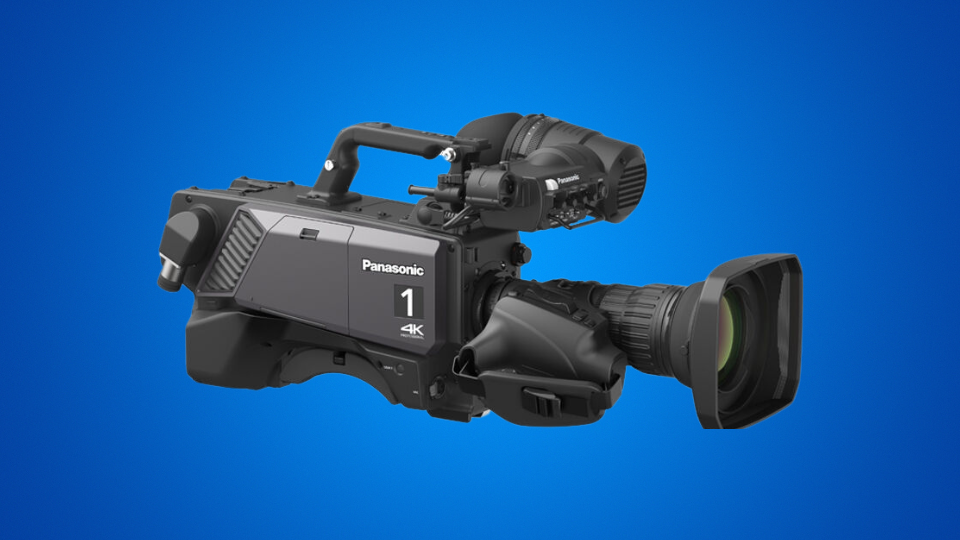
Support for NDI, ST2110, and SRT are included out of the box. 3G and 12G-SDI outputs are built into the body, plus an ND filter and an OLPF. Expect UHD 4K resolution video at up to 59.94p, alongside 2x UHD 4K and 2/3/4x HD high-speed modes. The SDI and fiber outputs are versatile, allowing for simultaneously HLG (BT.2020) and SDR (BT.709) feeds. The UCX-100 shares that same color science as the AW-UE160 PTZ, as well as the exact same sensor to enable the highest level of shot matching.
The UCX100 is compatible with the existing AK-UCU700 CCU series and the new AK-CFA100 camera fiber adapter, allowing for a range of remote-control capabilities. That CFA100 fiber adaptor can add power into a standard ST 311 cable and allow you to keep the UCX100 truly mobile, operating miles away from its controller. A lot more fiber and IP options are packed into this body, so definitely do a bit more digging into the feature set if you’re working in the broadcast space, and expect to get your hands on a AK-UCX-100 this December.
For more information about these new cameras, including additional features, specs, and highlights, be sure to check out their detailed product pages. Or drop us a line below, and we’ll do our best to answer all your comments and questions.
