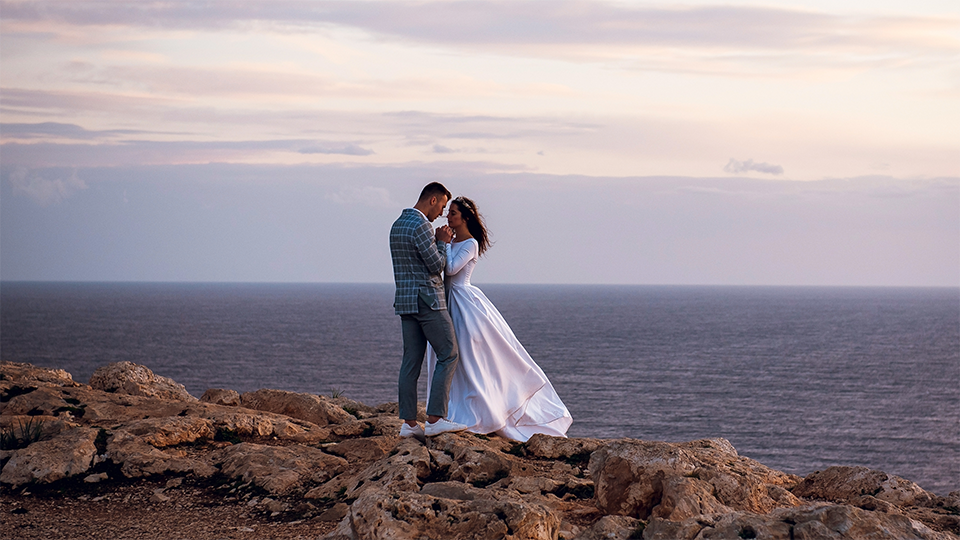
Weddings are one of the most significant days in a couple’s life, and they often have high expectations of the way it’s recorded. Some couples desire to have their day photographed in a manner in which they barely know it’s even happening. Others might prefer the superstar treatment and choose to have their special day shot in a more manicured, glamourous way. The approach—or “style”—we take to photographing a wedding is highly personal, while also being dependent on client’s needs. Wedding photography styles sit on a spectrum. There’s significant overlap between styles and this will ultimately help you form your own personal approach. Nothing forces us to use any particular style to a T. These are merely guidelines to help you find your way in the oft overwhelming world of wedding photography.
Candid
The key to candid photography is to be a fly on the wall. Capture the moments as they happen with no interference. The resulting images should appear as snapshots of the moments themselves, not a posed or fabricated photoshoot. That’s really all there is to it. You don’t want your clients to remember you taking their photo, rather, you want them to remember their wedding day as it happened.
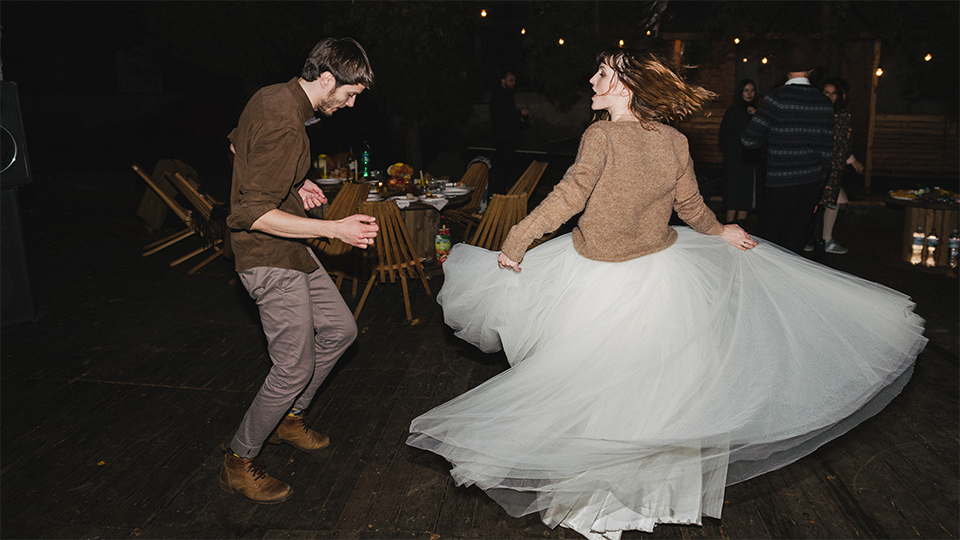
On-camera flash can be used to freeze action and illuminate your subjects on the go. This creates a “disposable camera” look in your images which adds to the spontaneous nature of this style. The candid shooter needs to be constantly aware of their surroundings. There are no second chances.
Photojournalistic
Photojournalistic, documentarian, or whatever you may call it—this style builds upon the fly-on-the-wall approach of the candid style to add something new: a story. It’s true that all wedding photography is essentially a chronological collection of images that tell the story of someone’s wedding day. What sets the photojournalistic approach apart is the intent behind the shot and the final product. True photojournalism is the practice of communicating news through an image. Each individual image should tell a story that serves the wider narrative of the day.
Fine Art
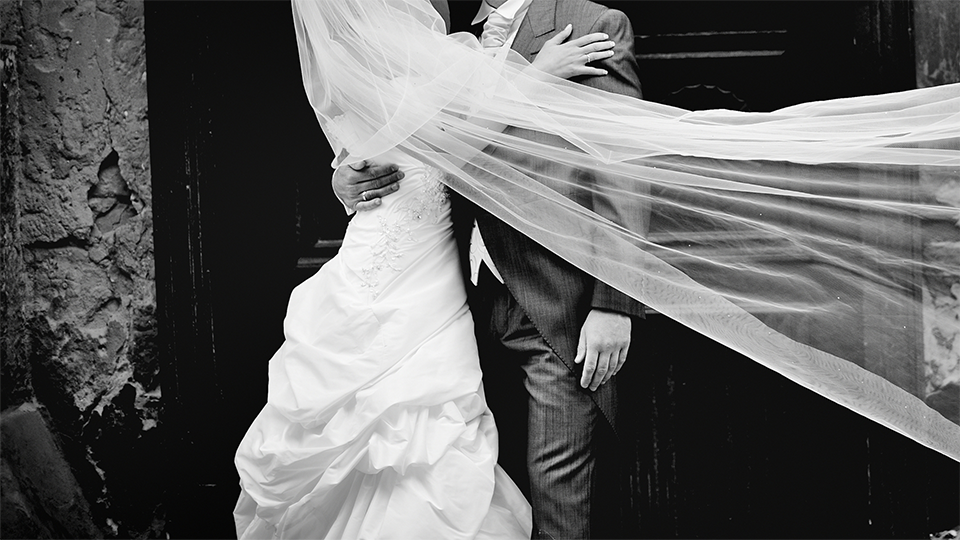
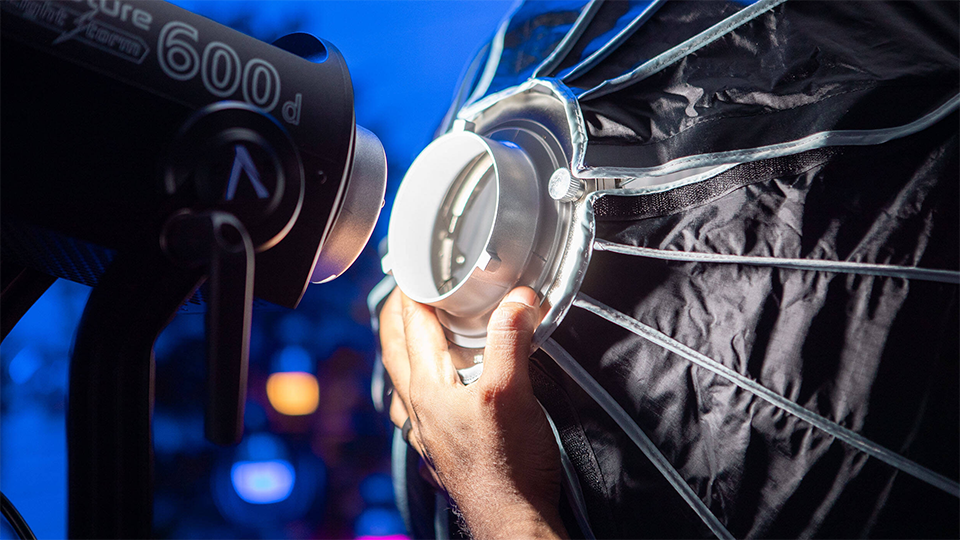
The fine art approach is all about deliberate control of the scene. This style is characterized by its surreal aesthetic, achieved by masterfully posing your subject in a natural, authentic way while using flash in conjuncture with natural light to create visually stunning images. Light is manipulated using off-camera strobes and select modifiers like soft boxes, umbrellas, and beauty dishes. These are required to properly shape light and bring focus to the subject or details you wish to highlight. The goal is to capture softer, brighter images that maintain a naturally lit aesthetic.
Editorial
As the name might suggest, this style is heavily influenced by editorial fashion photography. Like a true editorial, this style encompasses traits of some of the other options on this list. This style is aimed at bringing the fine art flair to the narrative driven journalistic approach. Like fine art, the editorial style aims to take more control of your scene, while in this case to capture glamorous, magazine-worthy images. Posing should be done in a carefully crafted manner, but so as not to look obvious. Remember, every image should tell a story.
Traditional
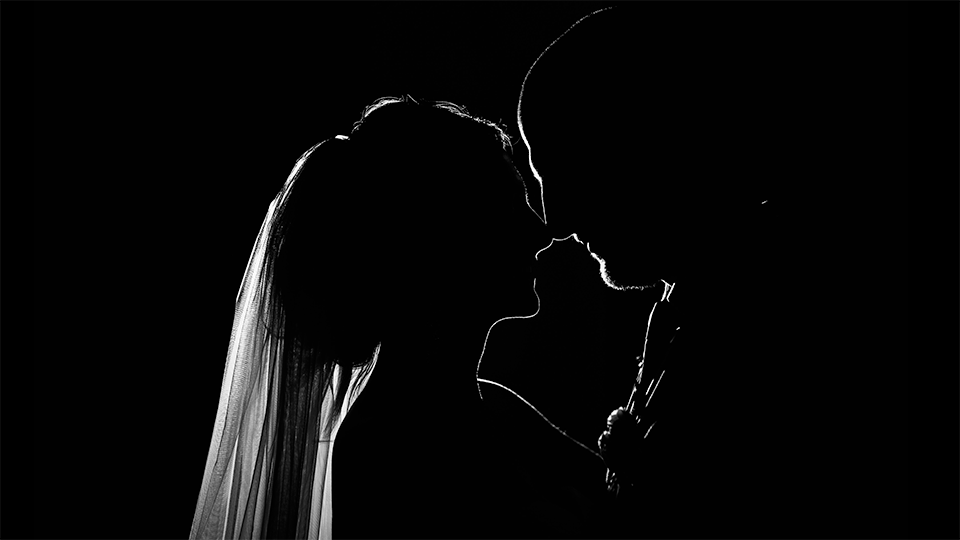
The traditional style is fairly self-explanatory. It’s the standard and sits right in the middle of the spectrum If you’d like to get a good idea of what’s involved, you can take a look at your parents’ wedding album. It consists primarily of standard posed shots, table shots to showcase the guests, and detail shots. Candid shots of guests observing the ceremony, interacting with the bride and groom, and of course, dancing are staples of the wedding genre no matter the style. This is the perfect combination of posed and candid photography, as well as one of the most timeless styles.
Finding Your Own Style
What you’ll find more often than not is that a client hires you, not because what style you proclaim to shoot, but for your body of work. This will come with time and practice. Your first few jobs may require dabbling into areas you’re not wholly familiar with. If you’re not comfortable taking on such a significant job right away, take a workshop or look for second shooting jobs where you can learn from seasoned wedding pros. Glean whatever you can and with time, you will naturally fall into one of the styles above or some amalgamation of them as a result. It’s all based on your personal preferences and the type of images you gravitate toward. While you may prefer a traditional approach to the formal wedding party portraits, you may opt for a more candid style for the rest of the day. You may even decide to dabble in more than one style to deliver a greater variety of images. It ultimately comes down to what you and the client want and decide to do together.
For more information on wedding photography or the gear and techniques used, including off-camera lighting, and accessories, be sure to check out our other wedding photography guides.
