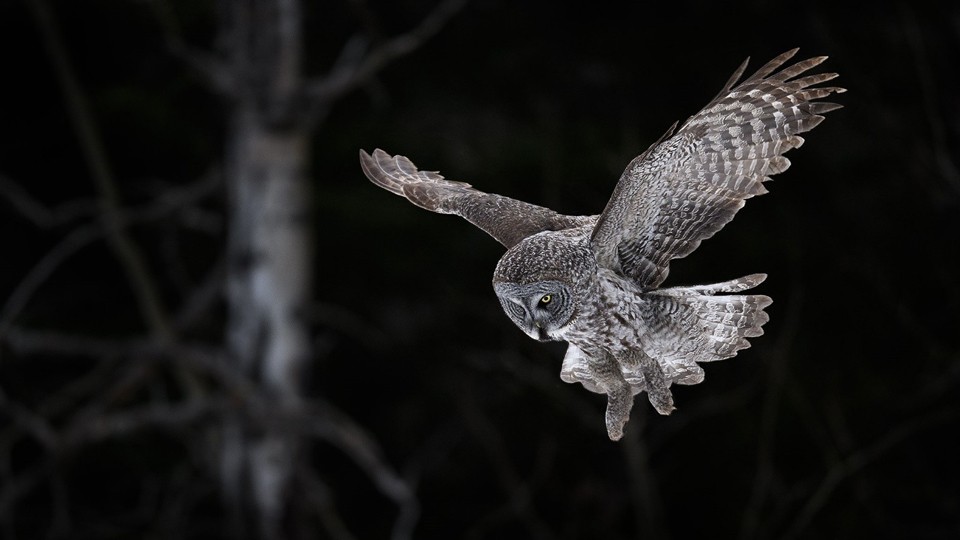
Winter is one of the most exciting seasons for wildlife photography. Northern species return to their wintering grounds and bring life to an otherwise cold and barren landscape. Photographers and bird watchers alike yearn for this time of year, as owls and other birds of prey become more common. One of the most visited and coveted winter birdwatching spots in the US is the famous Sax-Zim Bog.
Nestled in the rural hills about an hour northwest of Duluth Minnesota, Sax-Zim Bog is a more than 300 square mile tract of public and private land consisting of boreal black spruce bogs and upland maple and aspen forests. Its location and diversity of habitats attract quite a unique mix of species not found in other parts of the lower 48. This is what makes the bog so popular among bird photographers.
What to Expect
Sax-Zim bog is quite accessible, with many of the photographic opportunities occurring right on the side of the road. Often you can pull up, park and take photos from your car window. The region is quite flat and even in some of the harshest winter conditions, the roads are relatively easy to navigate, albeit a bit slick.
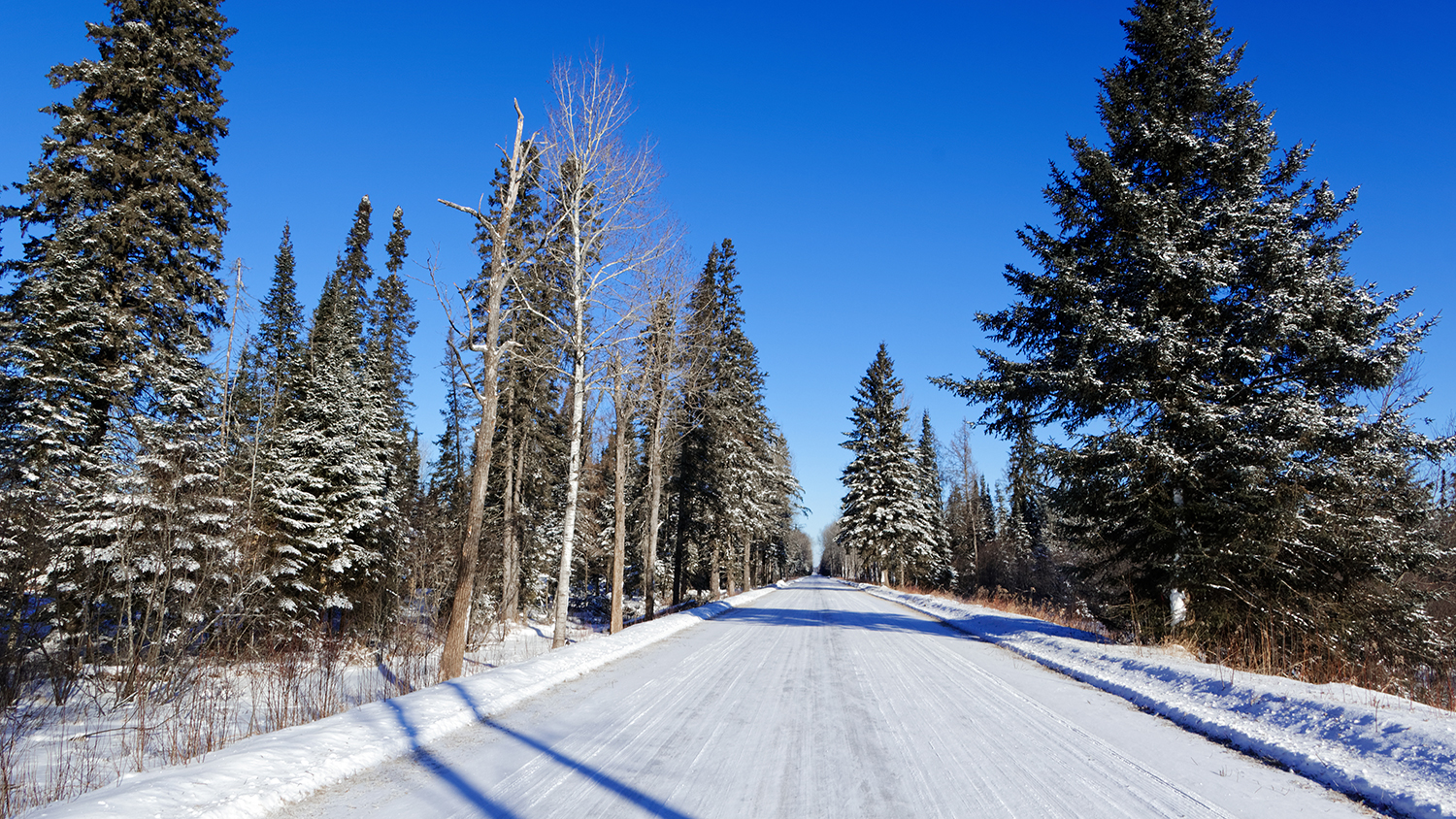
Temperatures and conditions at the bog can vary wildly. It’s not abnormal for it to range anywhere from 30ºF to -30ºF. For wildlife, it’s important to note the following. The warmer it is, the less active birds are. The same is true for exceptionally cold temps. No matter what the temperature is, we’ll be facing winter conditions. Best to prepare to shoot in cold weather.
With cold weather comes snow; and this poses a unique challenge for photographers. Yes, snow can enhance our overall composition, though heavier flakes can easily trick our camera’s autofocus system. This issue is especially prevalent with tracking modes found in newer mirrorless cameras. As a large flake falls in front of our subject’s eye, the camera may jump to the object closer, resulting in sharp snowflakes, but blurry subjects.
The Wildlife
So, you’ve made it to the bog. Now what? There’s an old saying when it comes to owl photography: For every ten times you see an owl, you’ll get one photo. For every ten photos you get, you’ll get one good one. Luckily, the Sax-Zim Bog tends to buck this trend, as its vast open woodland can be home to many owls.
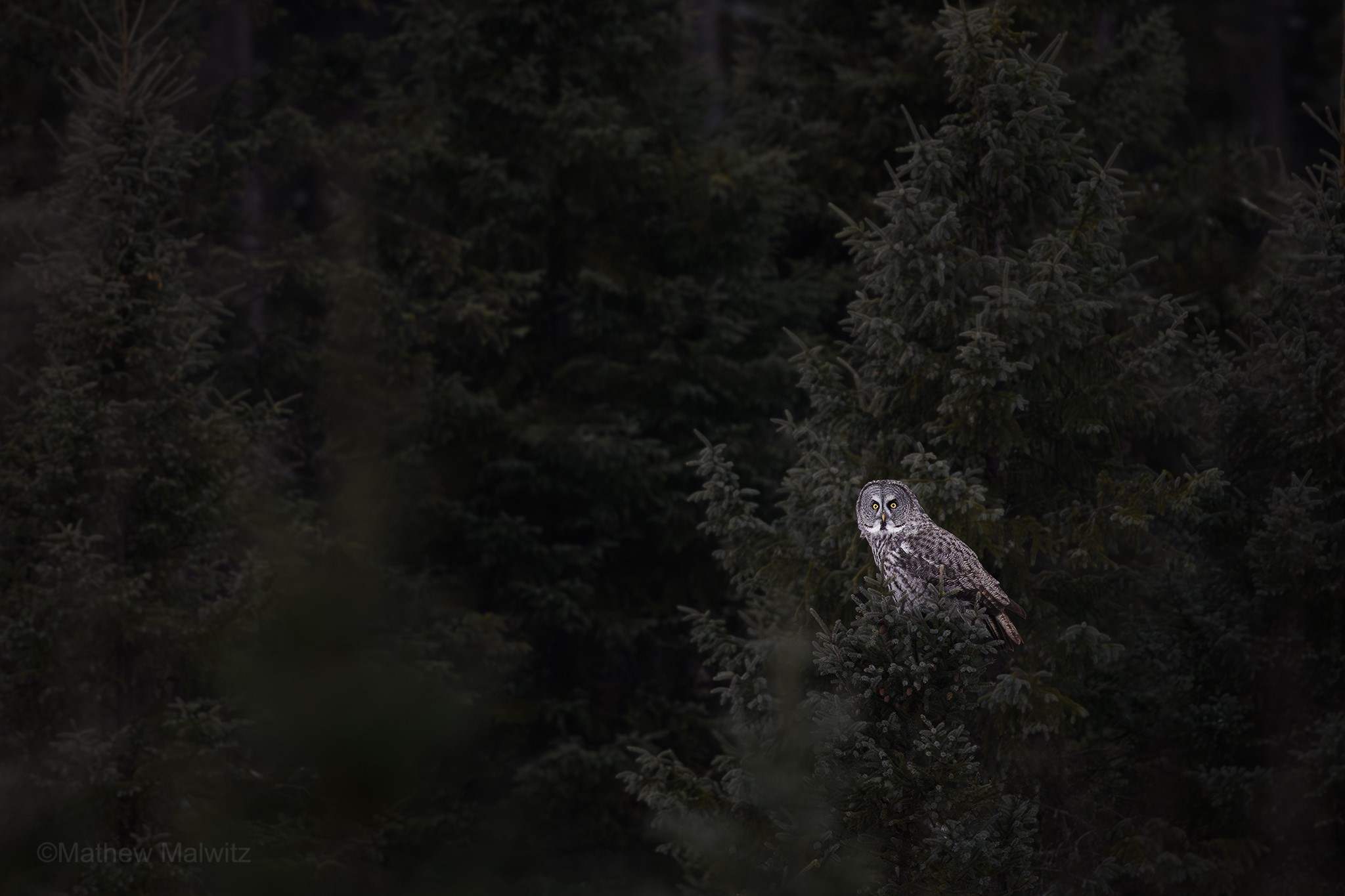
Owls are the stars of the show at the bog, with the primary quarry of many visitors being the elusive great gray owl. These northern birds are seldom seen east of the northern Rocky Mountains in the US, nor are they seen in large numbers. Some bird watchers go for years without seeing them, even deep within the bird’s typical range. While there’s a nesting population of these owls in the bog and its surrounding area, the best time to visit is during an irruption year.
An irruption is a sudden, large-scale migration driven by a change in prey population. For great grays, this occurs when there are more owls than the northern ecosystem can support, or if there is not enough food to support the owls that are already there. Irruptions do occur with some semblance or regularity, with birds moving every four or so years. The winter of 2024-25 was an exceptional year, and before that was 2020-21 and so on.


No matter how many owls the bog harbors, to find them, you’ll have to do some exploration. Driving around is the main method of traversing the bog. There are some short trails and boardwalks scattered throughout, alongside the aforementioned feeders and of course, the visitors center, but the bog itself is vast and can only be efficiently explored by car.
While it’ll be cold, roll down the windows and move slowly. Pull over for local cars and keep your eyes and ears peeled. Driving around the bog can be quite productive, if you know what to look for. Learn what these birds look like while they’re resting, flying, and also, what their prey are doing. The beauty of the bog being so popular is that there is no shortage of eyes scanning the forest edge for owls.
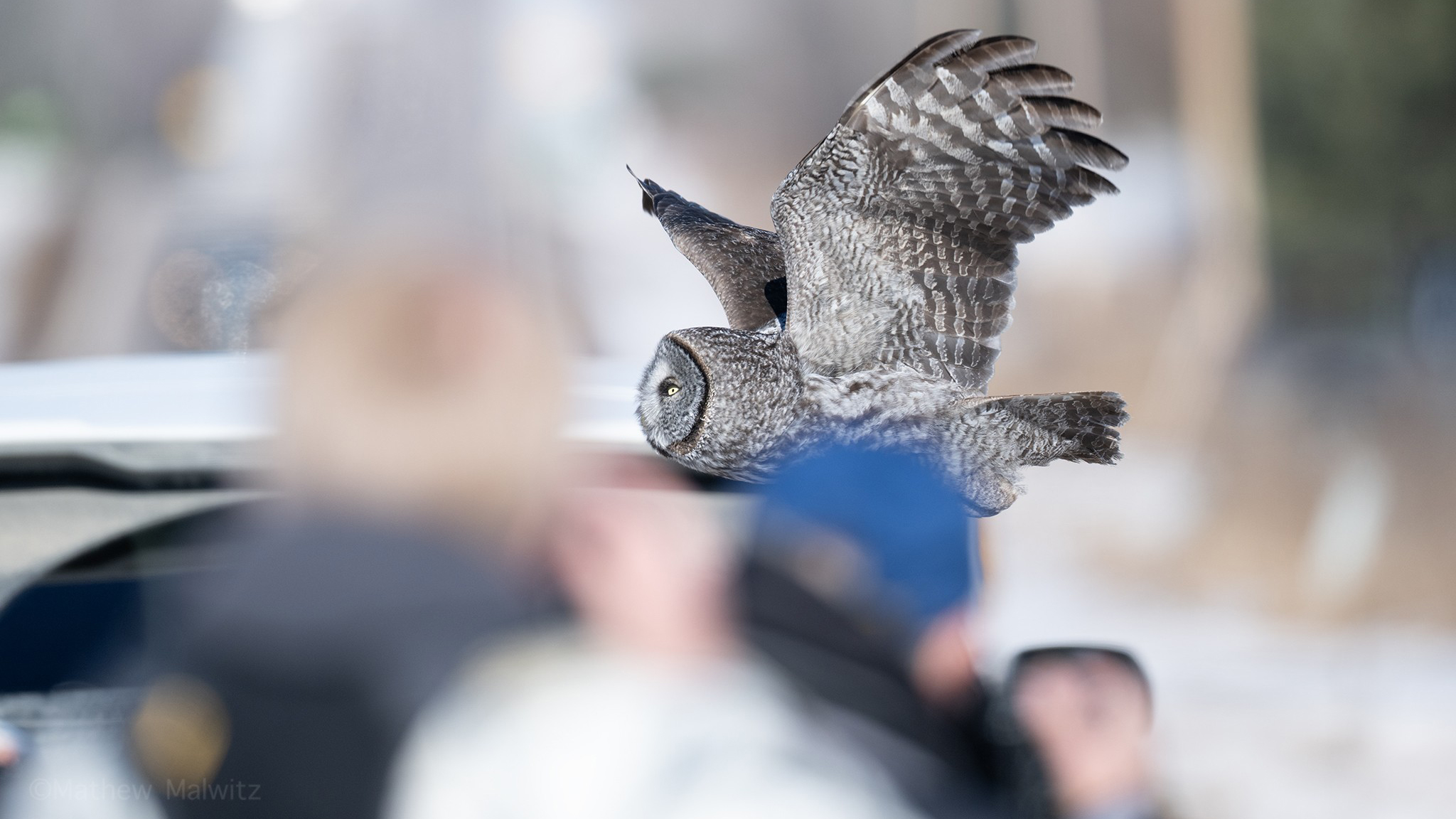
The next trick is a rather newly adopted bit of tech that’s become quite infamous and those art chat apps. These allow users to effortlessly share sightings. Some bird watchers prefer to go at it without the app, as it draws crowds that can potentially disrupt bird behavior. Luckily, popular sightings become self-policed. Plus, many of the owls are not accustomed to seeing people, and as a result, do not fear humans.
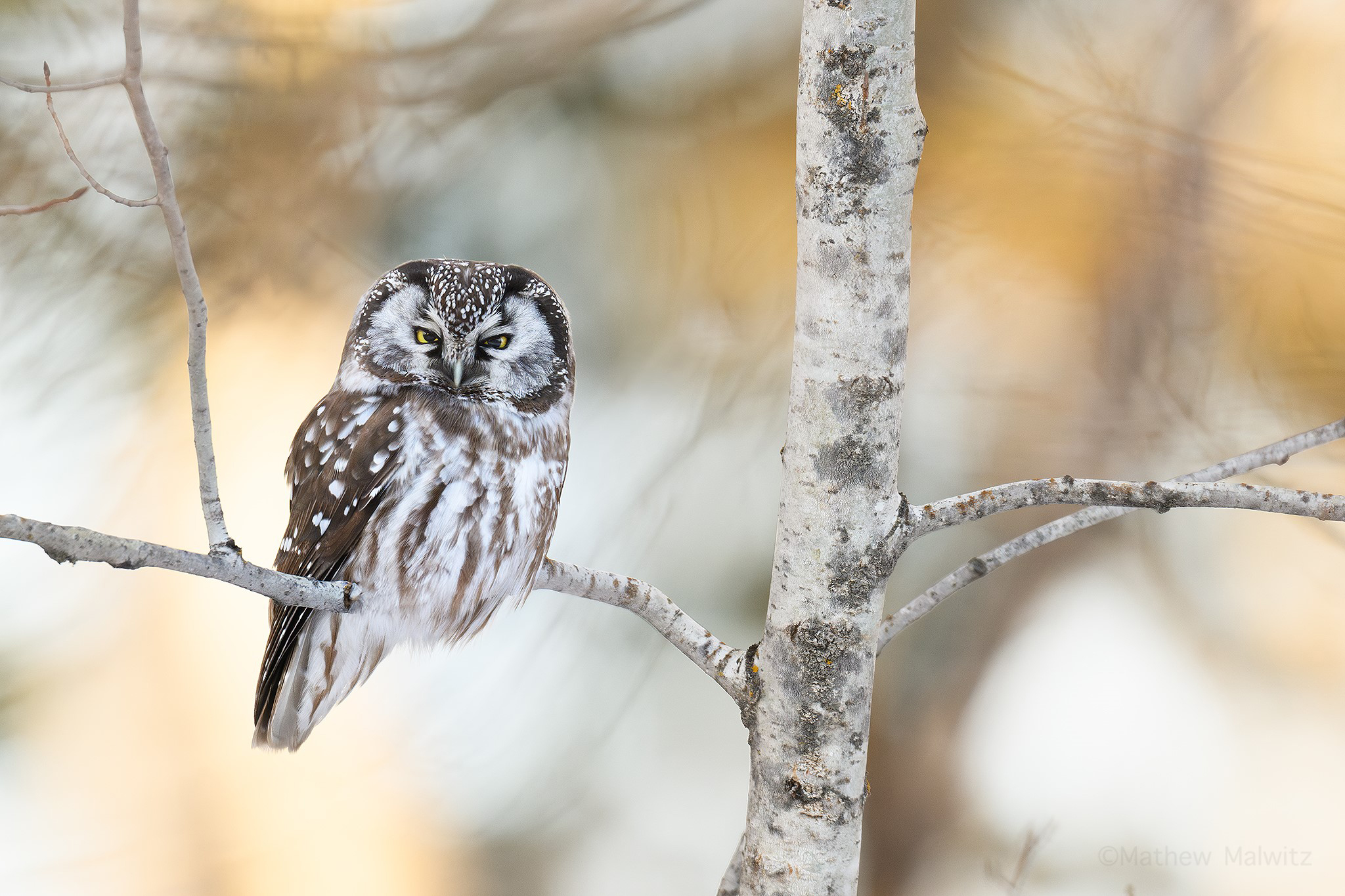
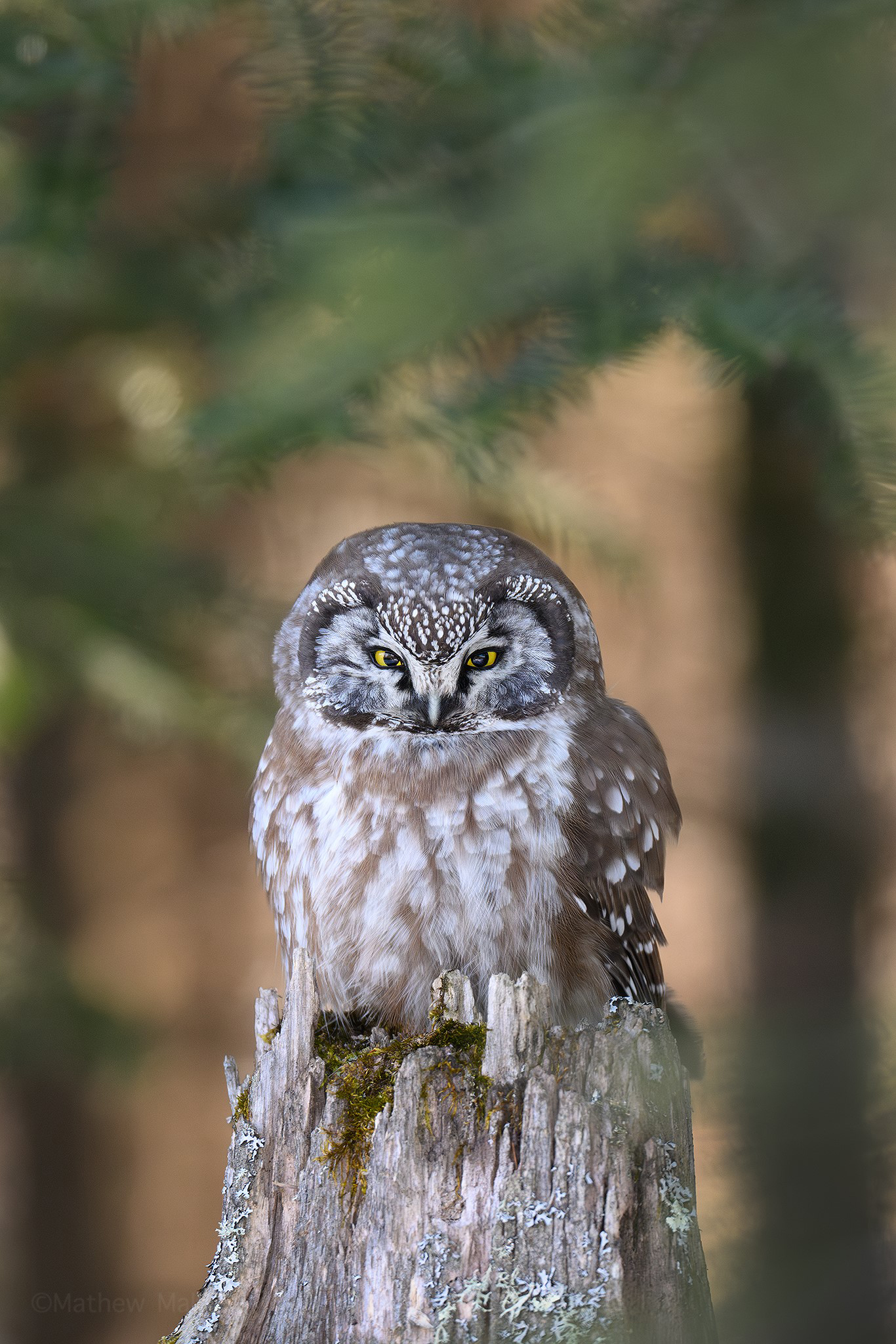
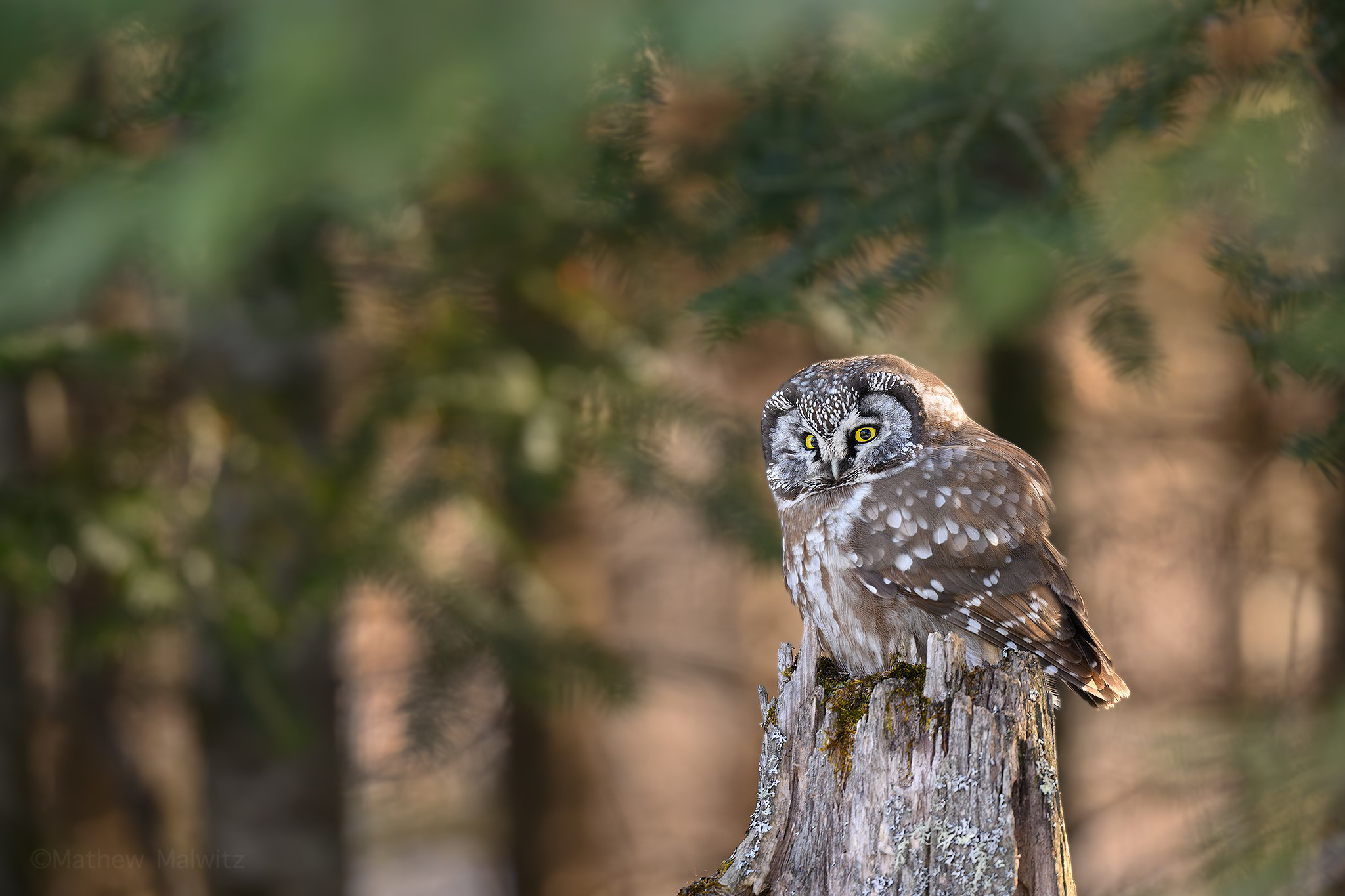
On rare occasion, birdwatchers are lucky enough to see one of North Americas most elusive birds, the Boreal Owl. These are small, robin sized owls that primarily hunt rodents in the boreal forest. They are infrequently seen and in rare instances can move south in larger numbers like their larger cousins. Unlike other owls, these movements south are sparse. It can be nearly a decade between irruptions for this species, though the rare one-off sighting is possible.
The bog is also home to an array of mammals as well, from snowshoe hare to moose. Some of the more common mammal species are of course white-tailed deer and the smaller ermine, but larger mammals can be seen if you’re lucky enough. A moose is always a spectacle to behold, but gray wolves and the rare Canada lynx are also present. You’re most likely going to see red squirrels, ermine, and if you spend some time at the Admiral Road feeders, an American Marten.
That’s right, there are several feeder stations set up throughout the bog. When the owls are quiet, you can visit one of the many feeder stations set up along the bog’s roadways. Some of the more popular stations include the Sax-Zim Welcome Center, Admiral Road Feeders, and more. These consist of the typical tube-shaped bird feeders, suet feeders, peanut butter globs scattered along branches, and the occasional bit of roadkill to draw out the more carnivorous critters.


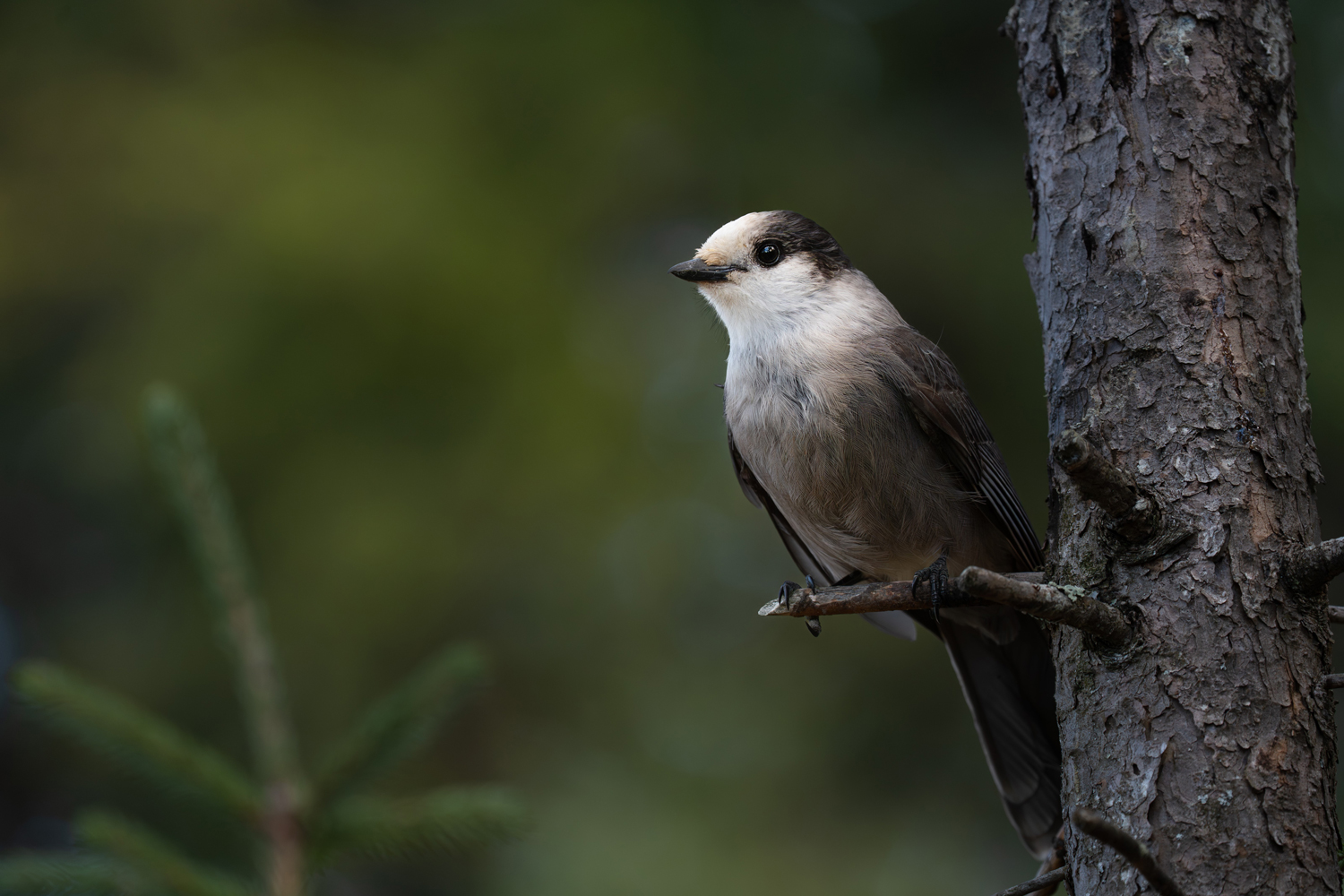
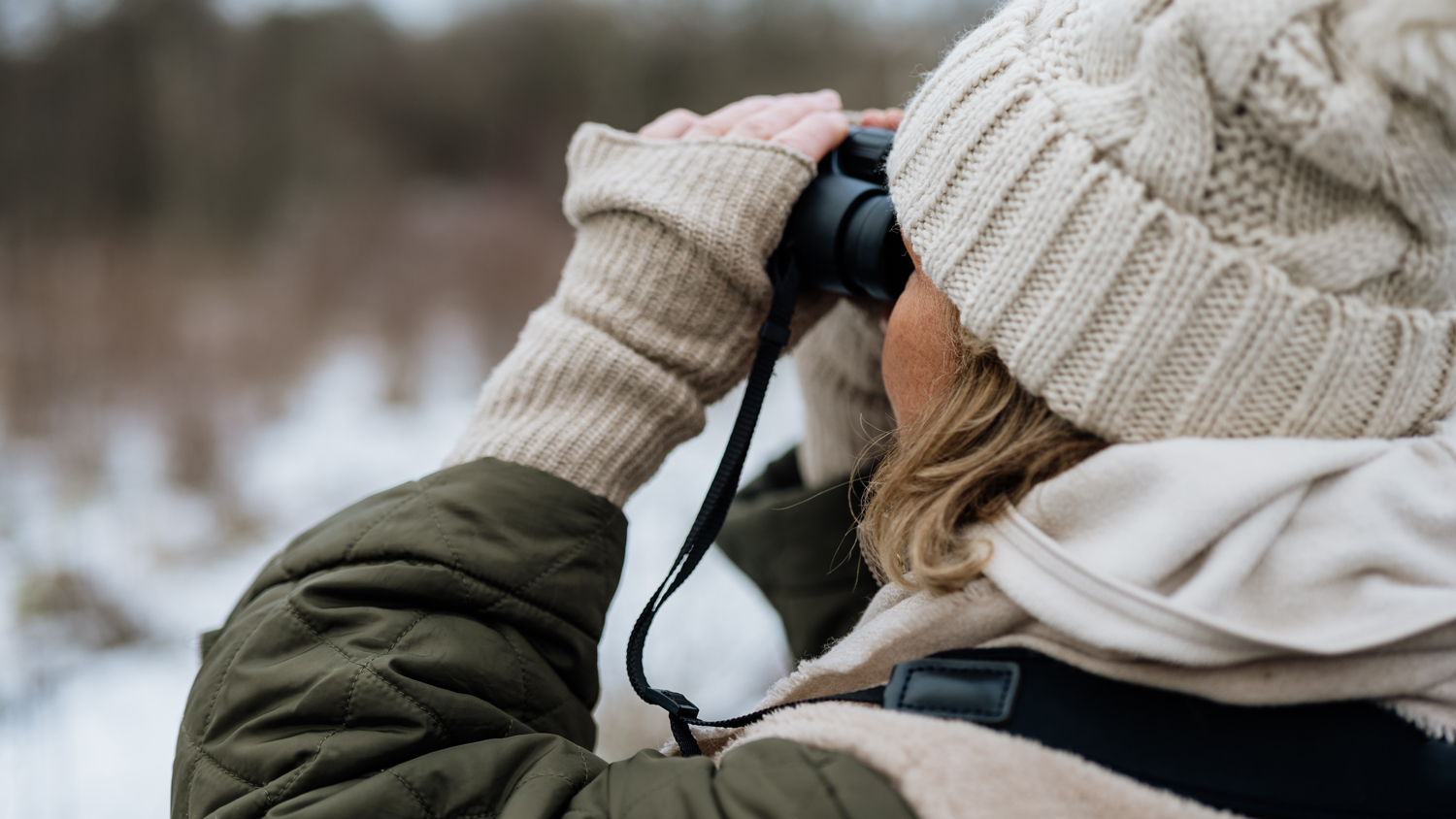
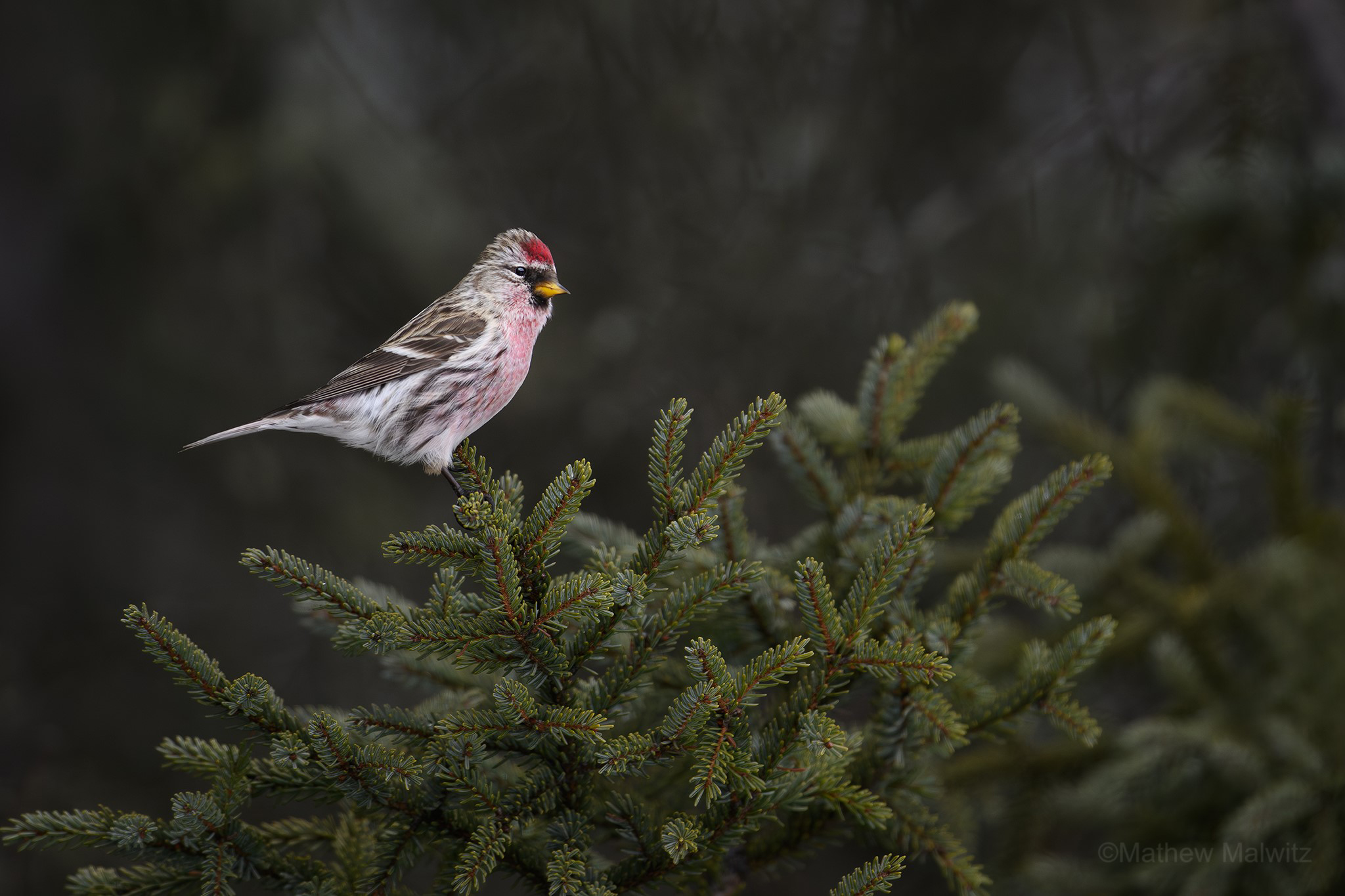
Smaller birds can be reliably found at the feeder stations, though they can occur anywhere in the bog. Some of the most common songbird species that be found here include Black-capped Chickadee, Redpolls, Blue Jays, Canada Jays, and both White-breasted and Red-breasted Nuthatch. While easy enough when up close and looking at a guide, bird ID can be quite challenging at a distance. For that reason, a good pair of binoculars can be invaluable.
Binoculars make distant objects look closer, and as a result, give us clearer views of the birds and animals we want to see. They’re also generally compact and can be kept on your dashboard as you drive around the bog. It is much easier to quickly grab a pair of bins than to fumble around with a camera with a telephoto lens when you want to see if that’s a stump or an owl.
Avoid photographing the birds when they’re sitting on the feeders themselves and instead wait for them to perch on nearby trees or branches. Black spruce makes for a very photographable perch, and the smaller songbirds often sit atop the needles as they wait for their opportunity to feed. This is one of the most common trees, so these opportunities are plentiful. Additionally, the stations are set-up using natural perches and trees, so the birds are often on branches at some point or another.
What Do You Need?
Hand warmers would be a good starting point. All kidding aside, much of what you’ll need is no different than any other wildlife shoot. There is no shortage of “what’s in my bag” content on the web, and that’s for good reason. Wildlife photography gear is a vast subject. In fact, we have a dedicated guide to it. For the bog, the answer is simple.
As with all bird and small mammal photography, the longer the lens, the better off you are. This is especially true for owls and other birds of prey. For the bog, a variety of lenses can be used. Great Gray Owls can be quite tame around people, but this is unique among the animals found throughout the bog. As lens with at least a 600mm focal length is recommended for most scenarios. This allows photographers to capture up close images of the birds without needing to get physically closer.
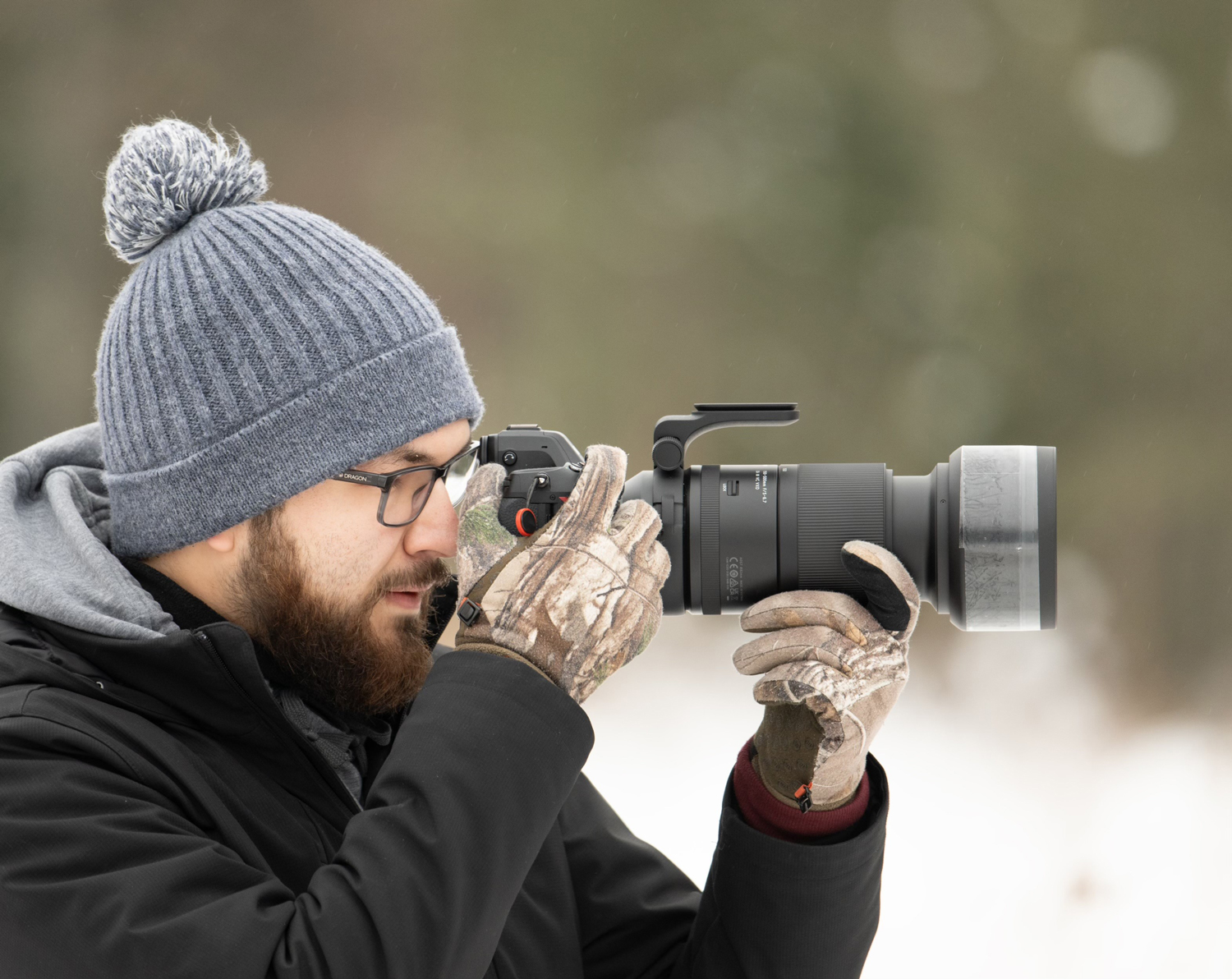
For the odd landscape opportunity, it’s always advisable to keep a wide-angle lens handy. The bog is primarily flat, but with beautiful snow cover, a stunning sunrise/sunset, and even the rare display of aurora borealis, plenty of landscape photographs may present themselves. The only thing we need to do is be prepared.
Tripod
When we don’t have the light, we need to lower our shutter speed. Unfortunately, this may put us in the danger zone. This happens when our shutter speed is slower than our lens is long. For instance, if shooting a 500mm lens, our shutter speed should go no lower than 1/500. Any slower and we’re incapable of countering the shake of using long lenses. To stabilize our gear beyond that, we need physical support. The best tool for that job is a full-size tripod.
Are tripods bulky and cumbersome? Yes, but they’re essential tools for capturing sharp images in nearly all lighting conditions. Even as the sun dips below the horizon, a tripod can keep us shooting for hours if used properly. Keeping our camera on one of these stable platforms also frees our hands to stay warm in our pockets when we’re not actively taking photos.
Even when using a tripod, you may inadvertently shake the camera when clicking the shutter button. There are ways to limit shaking, such as gently rolling your finger forward over the button as opposed to mashing it. Even then, we may still cause some level of vibration, resulting in blurry images. To completely remove our hands from the camera, we’re going to use a remote shutter release. This allows us to shoot in challenging light as well, as our shutter speeds drop to previously unthinkable lows. Of course, this assumes that our subject isn’t moving.
Teleconverters
A teleconverter is an essential tool for wildlife shooters, especially when visiting the bog. These magnify our existing lens and give us a little extra reach when we can’t physically get closer to our subject. We can equip 1.4x or even 2x teleconverters, though they do come at a cost. Still, the benefits generally do outweigh the costs, and we can capture the images we want with minimal cropping.
This is especially true if we’re shooting in tricky light, at high ISOs and cropping do not mix. Why is that? As our ISO values climb, so does the amount of visually noticeable digital noise. This is the grain we see in our images captured in low light conditions. When we crop a noisy image, we’re not only making the remaining pixels bigger, but the noise too. With that said, if you’re planning on cropping, opt for a teleconverter instead of cropping and use a tripod to keep our settings in check.
Start Exploring
Now that you have a little insider look at Sax-Zim bog, we hope you take the time to visit. Not every year is as fruitful as the last, so be sure to check their site for weekly birding updates. Before you go, take a look at our Introduction to Wildlife Photography and our Cold Weather Guide so you’re better prepared for the task at hand.
As artists, we’re always learning. Never discount the benefits of a new tool in your arsenal and always be open to new ways of doing things. To learn more about wildlife photography, check out our other guides and articles on the genre. For all things photo, video, and audio, read more on the B&H Explora page!
