
Fall is one of the most exciting times to be a photographer. Whether the changing foliage is the subject itself or the dramatic backdrop, there's something about the warm, cozy colors that get many photographers amped up. We at B&H are right there with you and are already preparing for the creative season ahead and making sure we have the right gear.
I have experienced four fall seasons as a photographer, and through trial and error have accumulated an assortment of tools to better my images. Some of my gear predates my time as a landscape photographer, while other items are more recent additions. It's important to note that the gear below is simply what I use. I'll cover different versions of and alternatives to products mentioned as well, so you can build the best fall kit for your needs.
Full-Frame Mirrorless Camera
A full-frame mirrorless camera delivers the greatest level of detail possible in a portable, hiking-friendly package. Mirrorless cameras have the benefit of true live view, so you can see your image before you take it. They're smaller and lighter than their DSLR predecessors, while maintaining the same image quality and delivering faster, more accurate focusing thanks to intelligent subject tracking. Do you absolutely have to use a full-frame camera? No, it's just what I prefer. I've used a number of imaging sensors from APS-C and Micro Four Thirds to full-frame and even medium format cameras. I have found that the larger, full-frame sensors deliver the most detail for my needs in a relatively versatile package.

My go to camera at the moment is the Nikon Z9, though I admit I am primarily a wildlife photographer. Most landscape-centric shooters would benefit more from something like the Canon EOS R5 Mark II, Nikon Z8, or the Sony A7R V. These are high-resolution monsters, but resolution is a luxury, not a necessity. For years, my main landscape camera was the 24MP Nikon Z6 II. I regularly printed 16 x 24” prints and the occasional 24 x 36” print from that camera, so don't let megapixels get in the way.


Lenses
Wide-Angle Lens
This should come as no surprise. If you're doing any form of landscape imagery, you'll need a wide-angle lens. Some personal favorites are the Sony FE 16-25mm f/2.8 and the Nikon Z 14-30 f/4 S. 24mm is perfectly suitable for most landscape scenarios, but wider focal lengths can be used to include more foreground or sky depending on what you're going for. If you're not shooting a lot of night skies. I have used both the old NIKKOR 16-35mm f/4G and the discontinued 18-35mm f/3.5-4.5G lenses as well with the FTZ adapter. It's also worth noting that a faster f/2.8 aperture is not essential. When photographing landscapes, we're almost always stopping down anyway.


Standard Zoom
The main tool in any photographer's kit should be the standard zoom. Yes, even a wildlife photographer's kit. These typically range from 24mm to a short-telephoto focal length like 70mm or 105mm. The Nikon Z 24-120mm f/4 S is my lens of choice as I appreciate the range of available focal lengths. Sony has a more landscape-friendly option in the FE 20-70mm f/4 G. The difference between 20mm and 24mm may not seem like much on paper, but the field of view of a 20mm is 94°, while 24mm is 84°. This can drastically alter our composition by including additional foreground elements for a more engaging image.

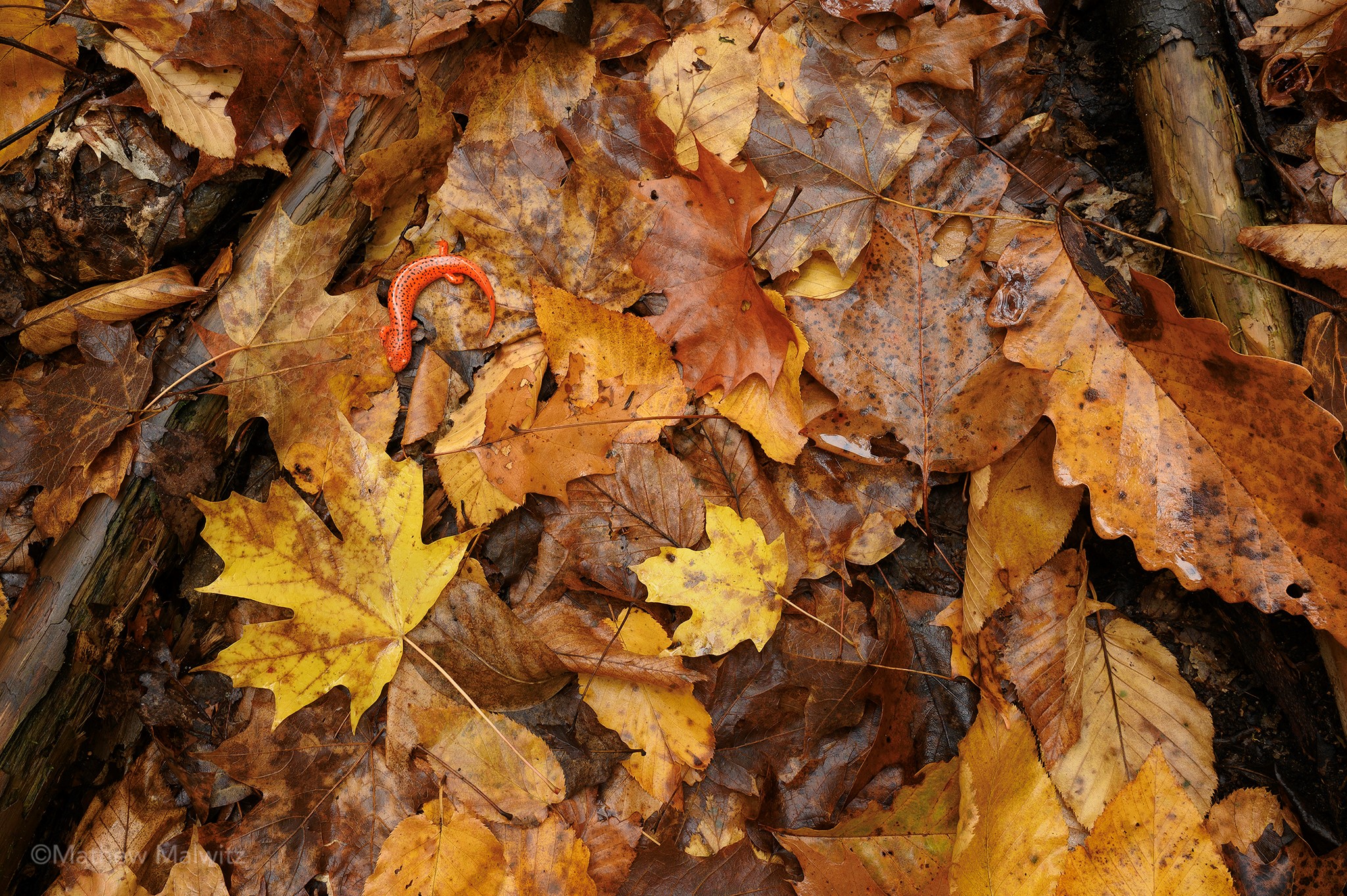
Telephoto Zoom
An unsung hero of landscape and scenic photography is a good telephoto zoom. Lenses like the Sony FE 100-400mm f/4.5-5.6 GM OSS and the Nikon Z 100-400mm f/4.5-5.6 S are excellent tools for zooming in on details in an environment or for compressing space for focused, subject-isolating images. The Tamron 50-400mm f/4.5-6.3 Di III VC VXD is a more versatile option with a wider focal length when zoomed out. This allows you to capture a greater variety of compositions without changing lenses. Another benefit to using the Tamron is it's close 9.8” minimum focusing distance at 50mm, which delivers up to one-half life-size magnification for close up shooting.

Fall migration is also a popular occurrence that draws photographers and bird watchers alike. While a 400-500mm lens is serviceable in this area, you'll likely find yourself wanting more reach. Longer zooms like the Nikon Z 180-600mm VR and the super super-telephoto Sony FE 400-800mm f/6.3-8 G OSS are ideal for birds and other wildlife. They allow you to capture frame filling images at a safe and respectful distance and do so without necessarily needing a tripod.

The FTZ II Mount Adapter will allow you to use older F-Mount lenses like the big f/4 primes, which can often be found at the B&H used department.
Filters
Circular Polarizing Filter
A circular polarizing filter (CPL) is used to control and reduce reflections in your images. It has the added benefit of making blue skies look richer and bluer. There's no better filter to have in your bag after a cold rainy night in October. Colors will pop and you walk away with vibrant, rich images. These are especially useful after rainfall, as wet surfaces and polarization go hand in hand. I use the Nikon Circular Polarizer II filter, but there are numerous high-quality options available, including those from brands like B+W and NiSi. What matters most is the filter has little to no color cast and does not impact image quality.

Graduated ND Filters & Holders
The NiSi V7 100mm Filter Holder Kit with True Color NC Circular Polarizer allows you to both polarize and add various neutral density 100mm filters. A 3-stop soft grad is one of the most versatile filters, but the exact filter you choose will depend on your desired shooting locations. Landscapes in the mountains typically require a soft grad, but a beach will call for a solid or harder edge as there's nothing along the horizon.

Why use a filter holder? Holders allow you to stack filters without worrying about separating them and can be freely rotated and locked into position. Combine solid ND filters with grads for maximum control over your scene. The V7 includes an integrated True Color CPL that prevents the yellow color cast prevalent in many CPL filters on the market. You can also quickly remove the CPL if a situation does not require it.

New and Improved
Filter technology is always advancing and lately, we've seen a surge in magnetic filter systems like NiSi's JetMag Pro line. These allow you to quickly and easily attach, swap, and stack filters. A locking mechanism keeps each filter secured in place, so you don't have to worry about accidental drops or spills. While I have yet to put this system to the test, I have seen them firsthand and will be adding these to my bag this fall season.

Another wonderful additional to the NiSi family of filters are the Combination Solid ND and Circular Polarizer Filters. This filter combines a 6-stop solid ND with a circular polarizer effect. This solves a common problem we photographers face when stacking multiple filters together.
Bags
As we accumulate gear, we need a way to safely transport it. A sturdy backpack can go a long way to making your hikes and/or walks so much easier. I've used a number of backpacks but have finally landed on the Mindshift Gear Backlight series as my go-to pack. I actually have both an 18L version and a 36L one for wildlife trips. The 18L size is perfectly sized for carrying 2 mirrorless bodies and multiple lenses, plus I can fit my 13” laptop in the front pouch with ease.

Outside, it has well-padded straps and waist support, as well as a tripod mounting system, and ice axe loops that double as trekking pole loops for my purposes. The durable, water-repellent exterior can handle brief showers, but the included rain sleeve protects the bag in severe downpours. All in all, this is one of the most reliable and comfortable bags I have ever owned.
Tripods
Tripods are essential to getting the sharpest images possible. They elevate and stabilize cameras. When choosing one for your needs, you want to consider the size, weight, capacity, and portability. Of course, a tripod should support the weight of your gear. Next, make sure it's at least as tall as you are and that it can do so without the use of a center column. Center columns are there for the times you need a little extra height, not for regular use. Once those two aspects are considered, we can begin to focus on more aesthetic features.

Tripods come in a number of materials such as aluminum and carbon fiber. Carbon fiber is by far the lightest, but it's also generally the priciest. After all, CF is more resistant to corrosion, easier to keep clean, and significantly lighter than aluminum. Travel tripods are a popular choice as they pack up small and are generally light when compared to full-sized counterparts. One of my first travel tripods was the Vanguard Alta Pro 263AB, which I still own. For heavier rigs, a sturdier set of legs like those found in Gitzo and Robus tripods are preferred, as their wider bases more easily support heavier loads.

Weight is typically the greatest issue when it comes to camera gear. While heavier gear can weigh us down, it can also serve us well with additional features and greater durability. Enter my tripod, the Gitzo GT3542 XLS Systematic Carbon Fiber Tripod. I picked this up in used condition nearly 7 years ago and I haven't thought too much about tripods since. The XLS models are my favorite as they extend up 79.5”. I'm about 6'2”, so this may seem overkill, but when shooting on slopes or uneven terrain, the extra leg length allows me to extend one leg beyond my height for consistent, eye-level shooting, center column free.

When it comes to tripod heads, a good ball head will serve most photographers well. They're relatively compact and have a wide range of motion. If you're going to invest in a piece of equipment, you may as well invest in something that's going to last. The most popular heavy duty ball head, and my tripod head of choice, is the Really Right Stuff BH-55. I picked mine up a few years back from the B&H Used Department. This head is crafted from a combination of aluminum and stainless steel, making it durable yet not terribly heavy. With a load capacity of 50 lb, it's well-suited for holding up even the heaviest rigs. I routinely put my big super-telephoto prime on this head in a pinch.

If you have no plans on mounting a super heavy lens on your tripod, there are a number of smaller ball heads available that are suited well for lighter loads. The Robus RTH-1030 Triple Action Ball Head is a less expensive alternative that can support up to 35 lb and weighs less than half the weight of the BH-55.
Rain Gear
As stated earlier when discussing CPL filters, rain enhances the scene. Colors are more vibrant, you'll often get mist of fog adding depth to your image, and the best part of all is that fewer people go out in the rain. Many cameras are weather sealed, but not waterproof. They can handle a drizzle, but steady rainfall can be harmful to even the most robust cameras and lenses out there. I can attest to this firsthand. Don't let a little rain stop you, but don't be reckless. Get a rain sleeve for your gear and get out there. You won't be the only person on location, but many of the casual hikers and leaf peepers will wait out the inclement weather.

OP/TECH's Rain Covers are a cheap, reliable solution. They're quite simply clear plastic with a pull string on one end to secure the cover around the lens barrel. I have these in the small and super-telephoto sizes and they've never let me down.
If you choose to go out in wet weather, choose each step carefully. Certain trails are perfectly fine in all weather conditions, but others may be slippery. Consider ice crampons or boot spikes for better grip on slippery rocks. As I take a step forward, I like to gently wiggle my boot to check my grip before shifting my weight onto it. This method has only failed me once, and it was my fault for stepping slightly off trail.

Remote Shutter Release
Remote shutter releases allow you to fire the shutter without shaking the camera for sharper images. Many feature a locking mechanism for fine-tuned exposures when shooting in bulb mode. I prefer wired releases as they're easier to keep track of, especially in low-light conditions.

Other Gear
L-brackets allow the user to quickly swap from a horizontal to vertical shooting orientation while maintaining normal positioning of their tripod head. It also adds a little protection from dings and dents. Don't ask how I know that.

Having a bunch of loose odds and ends floating around in my bag drives me nuts, so I use smaller cases and compartments to keep things like batteries, cables, and memory cards together. The RUGGARD Leda Memory Card Case features a polycarbonate shell and snap closure to keep your cards safe and dry from a brief rain shower or splash. They also feature a small strap loop so you can attach it to your bag or belt with a carabiner. Cables live in the aptly named Peak Design Tech Pouch. I can easily fit any charging cables, AC adapters, and the like for easy transport.

Maintenance is key to keeping gear up and running, and I have an assortment of tools I use and recommend. The Hoodman Lens Cleanse wipes are my go-to lens-cleaning solution. I've depended on these for years and continue to do so every day. For dusting and removing dirt and debris, I picked up a Nikon Lenspen Lens Cleaning Pen. Lastly, my cleaning kit is rounded out by a bulb blower. These are handy for removing loose duck from hard-to-reach places and even the sensor in a pinch. I got my Giottos Rocket Air Blaster from a friend a few years back and haven't looked back once.

In the same vein as the cleaning kit, a good multi-tool is invaluable as I fumble around with tripods, L-brackets, and such. I use the SmallRig AAK2213D Foldable Multi-Tool as it can tighten almost any joint or accessories on a tripod. Its only shortcoming is it's not a true outdoorsman's multi-tool. If you're going on a true backpacking trip to reach a scenic overlook, a Leatherman Super Tool 300 would be the more practical choice. It lacks the variety of Allen wrench sizes of the SmallRig, but what it does have is more practical for everyday needs, like combination needle-nose/standard pliers, wire cutters, and a 420HC Steel Straight-bladed Knife.

I probably bring more water than I need on most outings. Travel bottles are an essential piece of my kit and a nice, durable stainless steel bottle is the best way to go. The Klean Canteen Classic Water Bottle is double insulated, meaning it'll keep your drinks hot or cold for hours in almost any condition. I left one of my bottles in the trunk of my car during an 8-mile hike in July and returned five hours later to sip some refreshing ice-cold water.
As you crouch and pre-visualize your shot, bottles fall out of pouches. Plastic breaks, metal dents. Steel also makes for a nice tool to bonk an attacking animal over the head if need be.

If you're hiking any distance and/or changing elevation, a good set of trekking poles can give you a little boost. I keep a basic pair strapped to the back of my pack for most hikes, though I seldom use them. Still, they're always there in a pinch. The return trip can be especially grueling, and any support can go a long way. To save weight, stick with carbon fiber.

Fall is one of the most enjoyable times of year to be a nature photographer, so it's important to be well equipped ahead of time so you can dedicate your time to getting the shot.
