Search results for: photography buying guides dslr vs mirrorless cameras
About 4 filtered results
by Todd Vorenkamp · Posted
Choosing a lens is a highly personal choice, and that’s especially true for wildlife photography. This is in the realm of the telephoto lens after all. While almost any focal length lens works for landscapes and other types of photography, in general, when it comes to photographing animals in the wild, you'll want to have the longest reach you can. In this guide, we’re going to discuss the factors one should consider when purchasing a lens for wildlife photography.
Focal Length
The first and most straightforward factor to consider is focal

by Todd Vorenkamp · Posted
If your dreams involve capturing stunning images of beautiful, wild animals in nature, there is no getting around it—you need the right gear. Although every camera can capture wildlife, not all cameras are created equally and some certainly have technological advantages that benefit wildlife photography. We have discussed buying considerations for the right lens in this article, and here we will take a deep dive into what to look for in a camera for dedicated wildlife photography.
What Makes a Camera Better for Wildlife?
For wildlife

by Todd Vorenkamp · Posted
Many of us believe that astrophotography requires a ton of know-how plus the investment of highly specialized (and expensive) gear to create successful images. The truth is that you can capture astrophotography with any camera and any lens. But, as the saying goes, your mileage may vary.
If you already have a camera and lens, you might want to head over to my three-part series Basic Backyard
by Ryan Zanoni · Posted
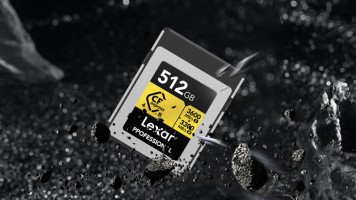
When you press the shutter or that red record button, you take a photo or video clip, but where does all of the information go? Digital photography and film making is all about recorded data, and that needs to go somewhere. No photo, video, or audio recording can be saved without storage space or memory. Few cameras offer internal storage, so we must then turn to external devices to record our work, like the memory card.
Recording work and data in the form of thousands of pictures or hours of video is made possible by compact