
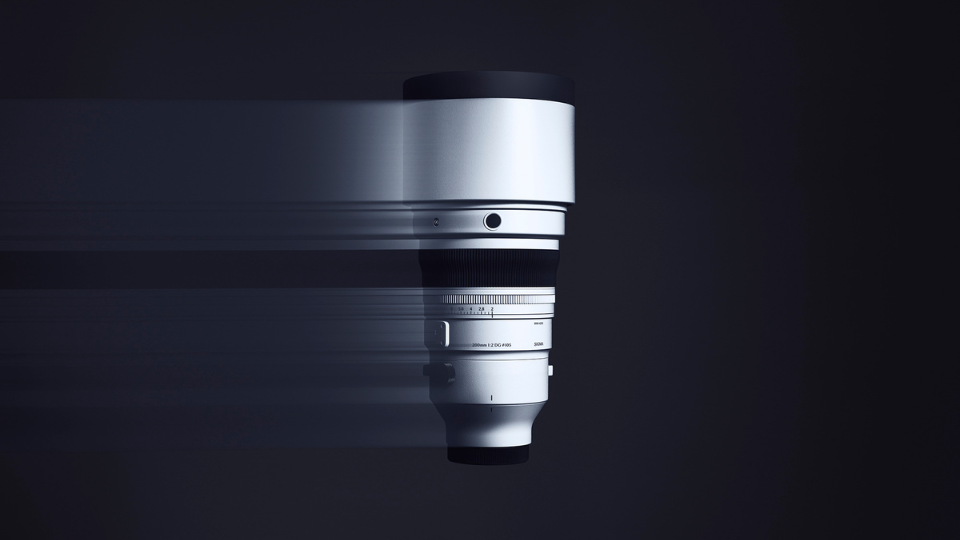
Sigma is announcing the full-frame mirrorless camera market’s first 200mm f/2 prime lens as part of its telephoto Sports series. The Sigma 200mm f/2 DG OS Sports, which will be available for L-mount and Sony E-mount cameras, aims to bring outstanding optical performance to indoor sports scenarios with accurate, high-speed autofocus, 6.5-stop image stabilization, and a large maximum aperture for light-gathering. Portrait photographers should benefit as well from an optical design that produces beautiful bokeh and the depth compression created by the lens’s long focal length.
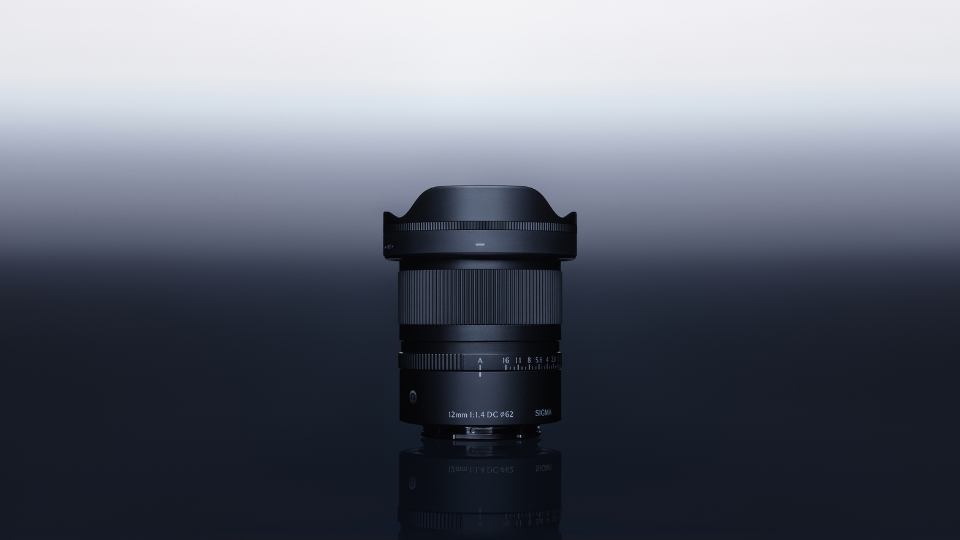
The company is also unveiling a new ultra-wide prime lens for APS-C cameras, the 12mm f/1.4 DC Contemporary. Available for Canon RF, Sony E, and FUJIFILM X cameras, the lens’s large maximum aperture and wide field of view are equally beneficial for creative, shallow depth-of-field compositions and low-light performance in both photography and video applications.
The 200mm f/2 lens may be robust and optically complex, but lightweight and compact it is not. At four pounds, 7.9” long, it’ll require as much athleticism to wield as the sports it’s meant to capture. It also has a massive 105mm filter thread. Filling it out are 19 elements in 14 groups, including two fluorite low-dispersion and two special low-dispersion elements to combat chromatic aberrations and retain high resolution and contrast across the frame. The construction also claims near-total elimination of flaring and ghosting, boosted by Sigma’s Nano Porous and Super Multi-Layer coatings. Sigma’s signature high-response linear actuator powers the lens’s fast and accurate autofocus mechanism.
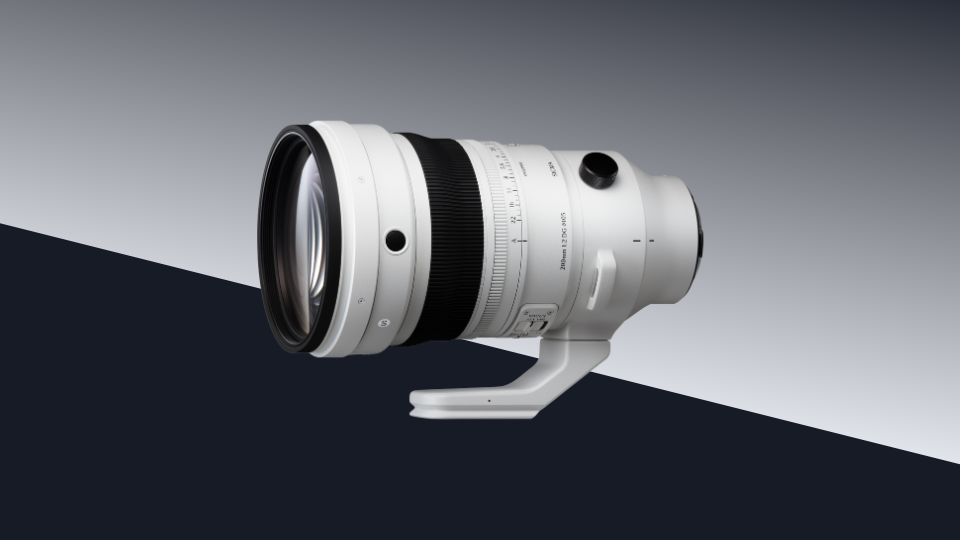
Adding to the hefty, robust build is the company’s OS2 optical stabilization mechanism, offering an effect of up to 6.5 stops. The lens has two OS modes, Mode 1 for general shooting, and Mode 2 optimized for panning shots in sports. Mode 2 triggers an algorithm specially designed to detect and correct for the vertical and diagonal movement without surrendering the blurred effect in the resulting image, benefitting motorsports in particular.


The upshot of its sturdy construction is in its weather-resistance. It sports a distinguished all-white, thermal insulation that keeps the lens from overheating in the sun, as well as dust- and water-resistance in both its structure and in a front element coating. The lens comes with a newly developed Arca-type lens foot that can double as a carrying handle, and the tripod ring has a 90° click mechanism for smooth transitions between vertical and horizontal transitions. A manual focus ring, zoom ring, and switches for focus mode, focus limiting, stabilization, and custom functions add versatility in use while remaining weather-resistant.
For the APS-C crowd, the 12mm f/1.4 Contemporary enters the Sigma lineup as the widest autofocus-enabled f/1.4 prime lens on the market. Equivalent to 18mm for Sony and FUJIFILM sensors and 19mm for Canon, the lens has 14 elements in 12 groups, including two SLD and three aspherical elements, controlling sagittal coma flare and delivering sharp, bright images for outdoor landscapes, travel, street, and astrophotography.
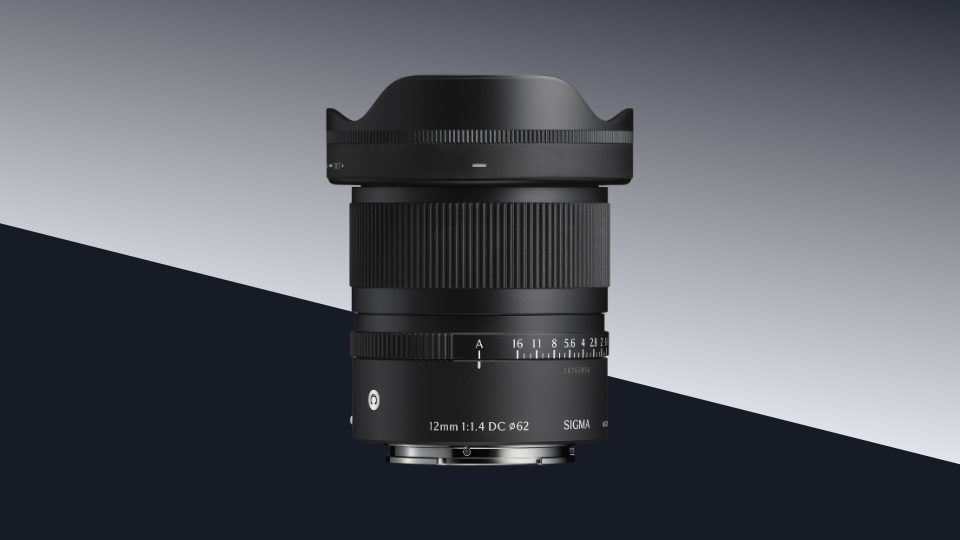
The lens also has a minimum focusing distance of 6.8”, allowing users to leverage the lens’s wide perspective and shallow depth of field for unique close-ups. It accepts filters with a 62mm front thread.
The optical design contributes to the lens’s compact and lightweight form factor, which in turn makes the lens a good choice for group selfies and front-facing video. In fact, the lens is well-suited to videographers in general, with smooth, stepping motor-driven autofocus, suppressed focus breathing, and compatibility with grips and gimbals for stable footage. The Sony and FUJIFILM lenses have an aperture ring that affords users intuitive exposure control, while the Canon RF variant features a customizable control ring instead.


The ultra-wide prime, which weighs just 7.9 oz and extends only 2.7”, also has a dust- and water-resistant build with a coated front element that repels oil and water.
Both lenses come with hoods to reduce flare and protect against drops and scratches. For more information about the lenses, including additional features, specs, and highlights, be sure to check out the detailed product page for the Sigma 200mm f/2 DG OS Sports and 12mm f/1.4 DC Contemporary lenses.
