Search results for: photography tips solutions full frame vs aps c
About 10 filtered results
by Steven Gladstone · Posted
Whether you’re a student or a seasoned veteran, selecting the right camera can make your head spin with questions. Does sensor size matter? What’s the difference between 4:2:0 and 4:2:2? Do I really need a camera that can record 8K? What about raw? We’ll explain the key components that help a camera produce cinematic images, and in doing so, hopefully help you make that all-important decision.
Evaluate Your Needs and Your Budget
Before considering certain cameras, you must know your needs and your budget. And be realistic. If you are a student

by Mathew Malwitz · Posted
As you begin to research cameras, you’ll likely hear some technical jargon about sensors. While it’s easy to ignore some elements of any devices, there’s no way to work around sensors. But what is a sensor and what does it do? In this guide, we’re diving into the often confusing world of imaging sensors. By time we’re done, you’ll have a better understanding of the most significant component in our digital camera.
About Sensors
What Is an Imaging Sensor?
At the heart of our digital cameras sits an imaging sensor, which serves as the digital

Posted
The options for lenses are seemingly endless these days. Sony Artisan of Imagery Tony Gale tackles the topic of choosing the right lens to help shed some light on your next lens purchase.
0:00 - Intro
3:42 - Choosing the right lens
5:03 - What do you want to photograph?
5:37 - Lens type
6:06 - Focal lengths
12:56 - Maco
16:20 - APS-C vs. Full frame
22:13 - Auto focus vs. manual
23:30 - Lens types and differences
43:54 - Teleconverters
36:37 - Adapted lenses
37:10 - Lenses for different genres of photography
42:55 - Q&A
Sponsored by

by Zack Young · Posted
Once you’re familiar with the basic concepts behind high-volume photography, the next logical step is to figure out what gear you need to purchase. That’s when the panic might hit. Suddenly you’re flooded with decisions about cameras, lenses, strobes, backdrops, barcode scanners, and more, each category including tons of different options at every

by Allan Weitz · Posted
For the longest time, comparing image quality between point-and-shoot cameras and full-frame cameras, or even APS-C format cameras, was a conversation you could have start to finish during the course of an elevator ride. Point-and-shoot cameras were convenient, but the detail and dynamic range of their smaller sensors never measured up to the detail and dynamic range you get from larger sensors. And then one day Sony introduced a new 1" format CMOS sensor, and BOOM! People started having second thoughts about slinging heavy camera bags over

Posted
Are you interested in landscape photography, but don't want to lug around heavy lenses? Join Sony Alpha ambassador Mahesh Thapa as he explains the numerous benefits of using Sony’s high-quality f/4 lenses for landscape photography.
0:00 - Introduction
2:30 - When Thapa Started to Use f/4 Lenses
4:52 - Why Use f/4 Lenses?
11:24 - What About Astrophotography?
13:34 - Then vs. Now
21:11 - Ultralight Full-Frame and APS-C Lenses
28:20 - Why Consider Lenses Faster Than f/4?
31:42 - Q&A
What lenses do you typically use? Let us know in the

Posted
Welcome to our four-part Introduction to Photography series. In this first video, Sony Artisan of Imagery Tony Gale discusses the first thing you need to know about photography: the various types of cameras and lenses. By the end of this video, you'll know how to choose a camera that is right for you.
0:00 - Introduction
4:30 - Different Cameras for Different Needs
7:11 - Camera Types
20:46 - Checking out the Specs and Deciding What Kind of Photos to Take
26:19 - Sensor Types and Sizes
28:16 - Resolution
30:48 - Lens Types
38:23 - APS-C vs.
by Todd Vorenkamp · Posted
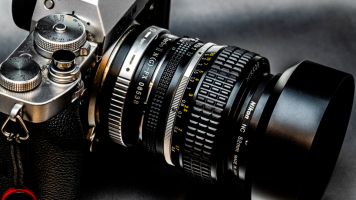
If you use an interchangeable-lens mirrorless digital camera, you know that one of the pleasures of mirrorless shooting is the ability to use lens-mount adapters to photograph with any number of vintage lenses (manual focus or autofocus), as well as some modern-day lenses from your favorite optical manufacturers. When using a crop sensor camera, you might have stumbled across adapters with the monikers

by Allan Weitz · Posted
If the longest telephoto lens you own never seems to get you in tight enough to your subject, you have three choices. The first is to get up and get physically closer to your subject. If you can’t, for whatever reason, do this, you can either take the picture as is and crop it to your liking post-capture, or you can use a teleconverter.
Photographs © Allan Weitz 2021
Either method will work, albeit at a cost. As for the price of cropping versus the price of

by Todd Vorenkamp · Posted