
IN THIS ARTICLE
1. (Don’t Fear) the Gear
2. Good Dental Photography Is Good Photography
3. Macro Discipline, Portrait Mindset
4. Embrace the Flash
5. Clinical, but with an Eye for Marketing
For dentists, the evidentiary benefits of a photographic practice go beyond meeting industry standards. They can be the foundation for professional development and the growth of your business. That said, undertaking a photographic practice can be daunting. Below are five considerations to keep in mind as you embark on your dental photography journey, with the modest goal of helping you become both a better photographer and a better clinician.
(Don't Fear) the Gear
Any new endeavor can overwhelm, photography especially so. Its technical aspects can intimidate even before you step into the broad sweep of options available across cameras, lenses, lighting, accessories, and modifiers. For many beginners, the volume and intricacy of the equipment creates a kind of information paralysis that prevents many would-be photographers from ever getting started. Dental photography is no exception.
Rather than offering another list of equipment recommendations (we've already put together a dedicated guide to the best cameras, lenses, flashes, and accessories for dental photography), it's worth tackling the more basic question of what makes for a productive relationship to one's gear.
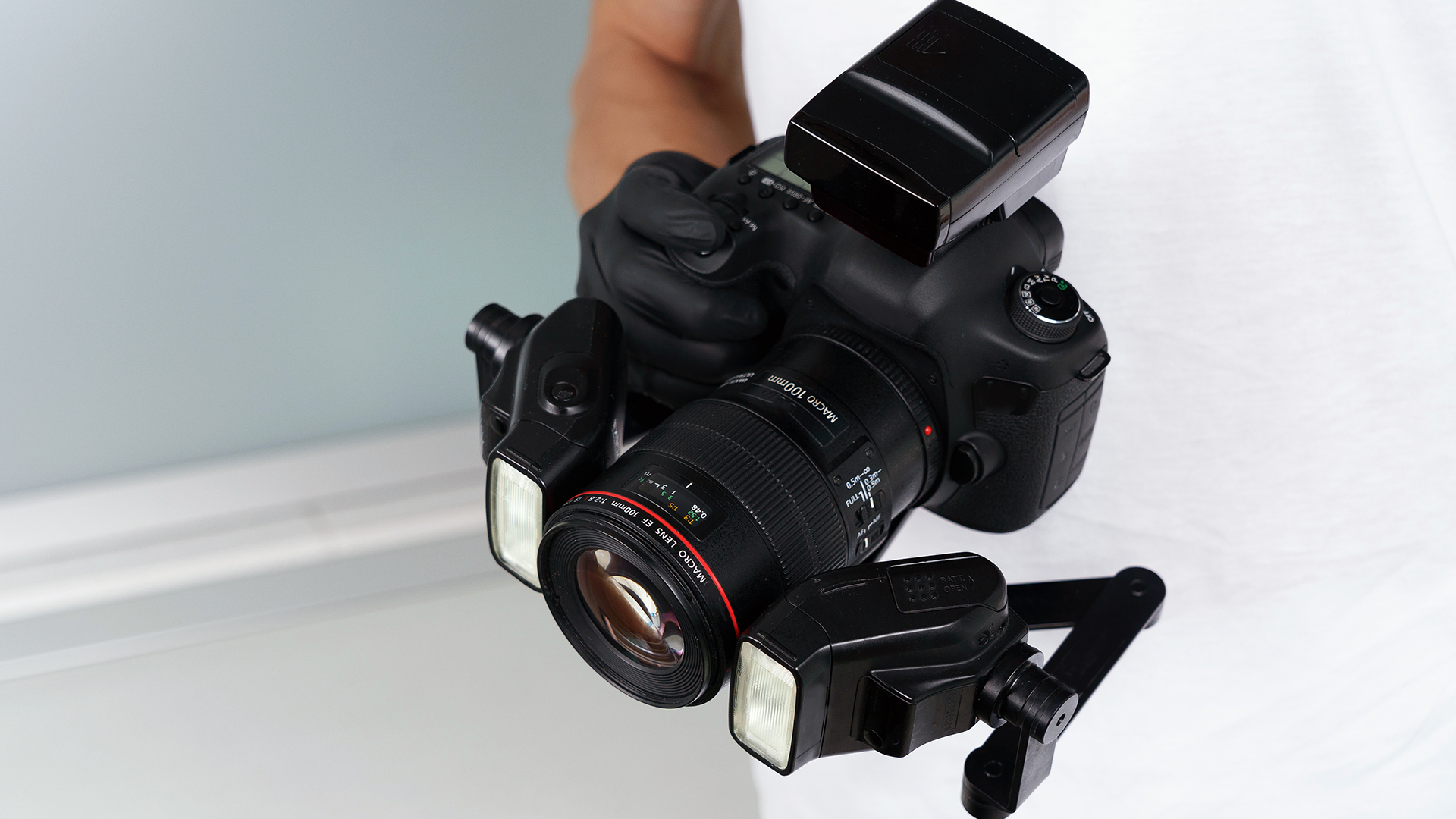
The answer is deceptively simple: your gear is a set of tools, the job of which is to help you accomplish your goals as effectively as possible. "Effective" is the operative word here and can mean several things. It might mean producing the highest-quality images, fitting most comfortably within your budget, integrating the most seamlessly into your workflow, or simply feeling the most intuitive in your hands. The best camera gear isn't necessarily the most expensive—it's the stuff that most consistently helps you make the photographs you need.
One of the most common misconceptions in photography (one that certainly sustains the good business of equipment retailers), is that better equipment necessarily produces better images. While there are certainly differences between cameras, lenses, and lighting systems, know-how and technique almost always win the day. A photographer who understands lighting, composition, and camera settings can produce exceptional results with a remarkably wide range of equipment.
Great dental photography joins the technical discipline of the macro photographer with the interpersonal touch of the portraitist.
The gear you choose should also reflect the purpose of your photographs. If your goal is to produce large-format prints for office displays or advertising, your needs may differ from someone creating images primarily for patient records, social media, or a practice website. Choosing equipment becomes much easier once you've defined the job you're asking it to perform.
Finally, remember that the best equipment is the equipment that gets out of your way. Many photographers (myself included) have experienced the strange phenomenon of owning technically outstanding equipment that they nevertheless hesitate to use. Sometimes a camera is so cumbersome, unintuitive, or plain excessive that it creates resistance instead of inspiration.
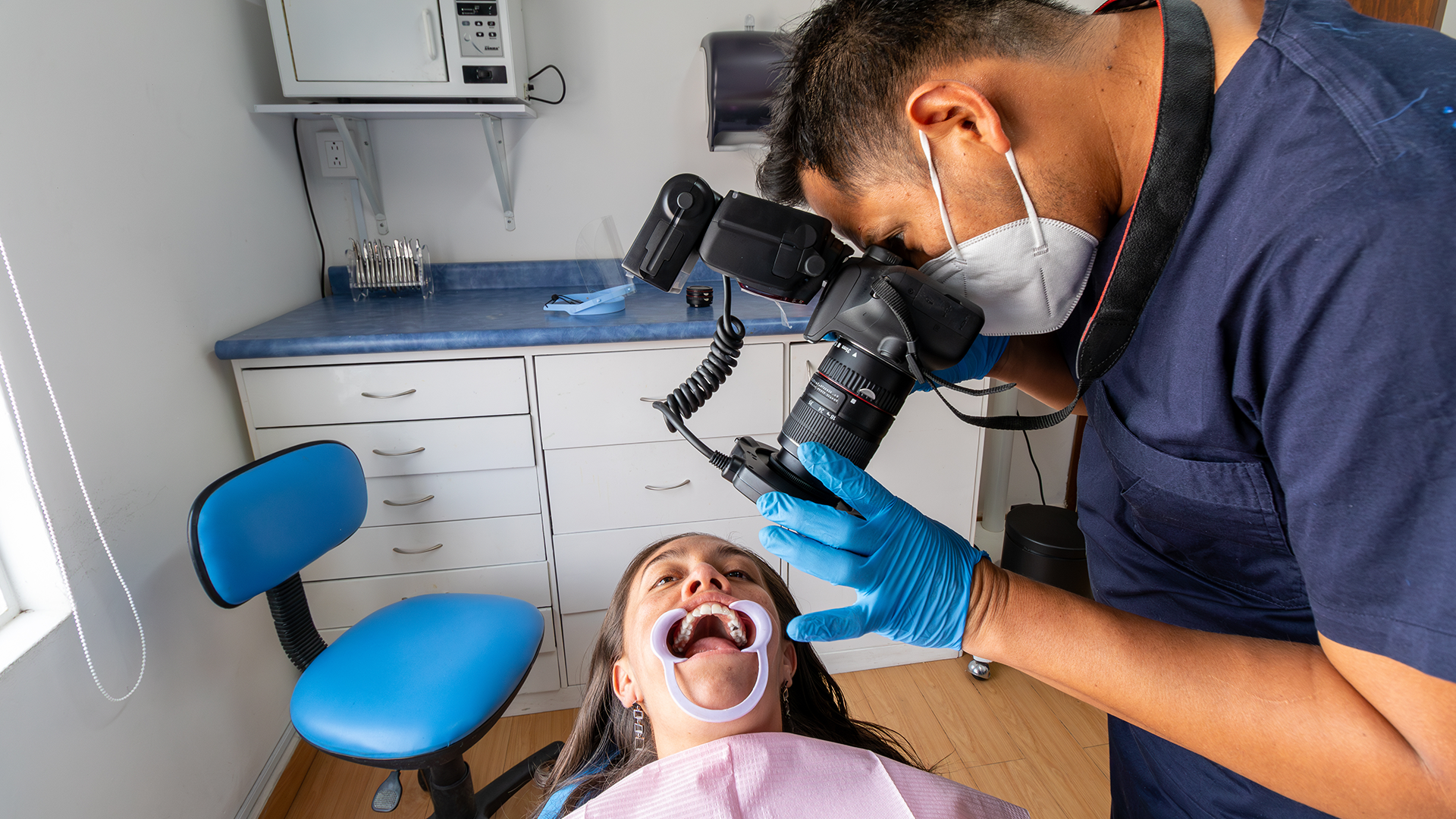
Beyond megapixels, autofocus performance, or burst rates, the camera you choose should be one that invites you to pick it up, inspires confidence, and disappears from your conscious attention once you begin shooting. The less your equipment demands your attention, the more you can devote to your clientele and to making consistently excellent photographs.
Good Dental Photography Is Good Photography
Dental photography has its own technical requirements, but it's important to remember one simple truth: dental photography is first and foremost photography. While the subject matter and clinical objectives may be unique, the principles that produce compelling, effective images remain the same.
That begins with the fundamentals. Exposure, aperture, shutter speed, ISO, depth of field, white balance, exposure compensation, lighting, composition, and focus all work together to determine how successfully an image communicates its subject. Mastering these fundamentals is just as important when photographing a patient's smile as it is when photographing their entire face.
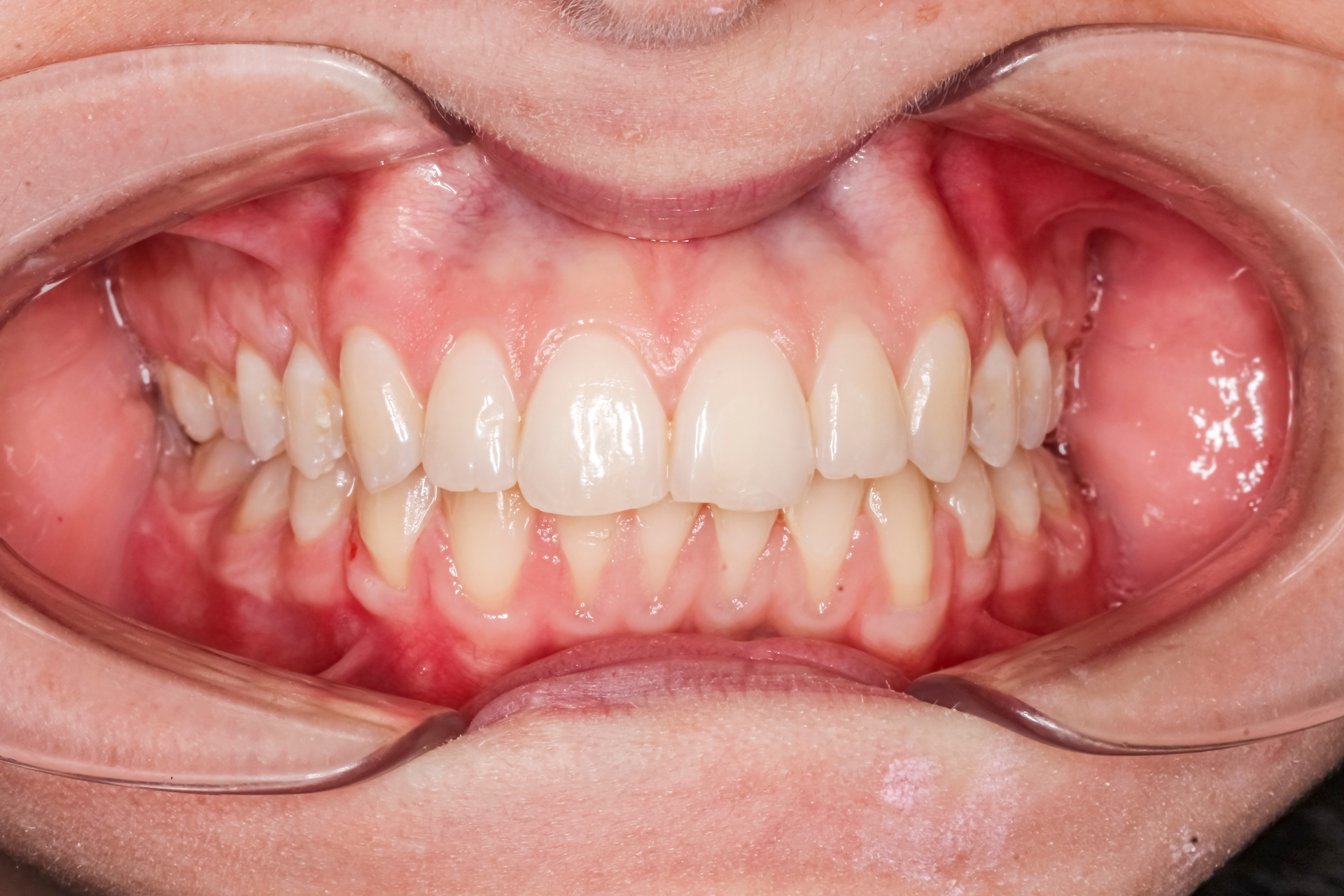
Perhaps the most important question to ask of any photograph is: What do I want the viewer to see? Whether the subject is an individual tooth, an entire smile, or a full-face portrait, the image should guide the viewer's eye naturally toward its intended focal point. Good lighting, thoughtful composition, and careful framing all work together to make that information immediately clear and easy to interpret.
Every piece of equipment you use is ultimately a communication tool. Its purpose isn't just technical execution, but rather help the photograph communicate information as clearly and effectively as possible. Before deciding how to photograph a subject, it's worth considering what information the image needs to convey and how your photographic choices can best support that goal.
For dental professionals, this extends beyond clinical documentation. The quality of your photography often becomes a reflection of the quality of your practice itself. Patients may not understand the technical details behind an image, but they instinctively recognize photographs that are sharp, consistent, well lit, and professionally presented. Clear, polished imagery communicates attention to detail, competence, and care long before a procedure is ever discussed.
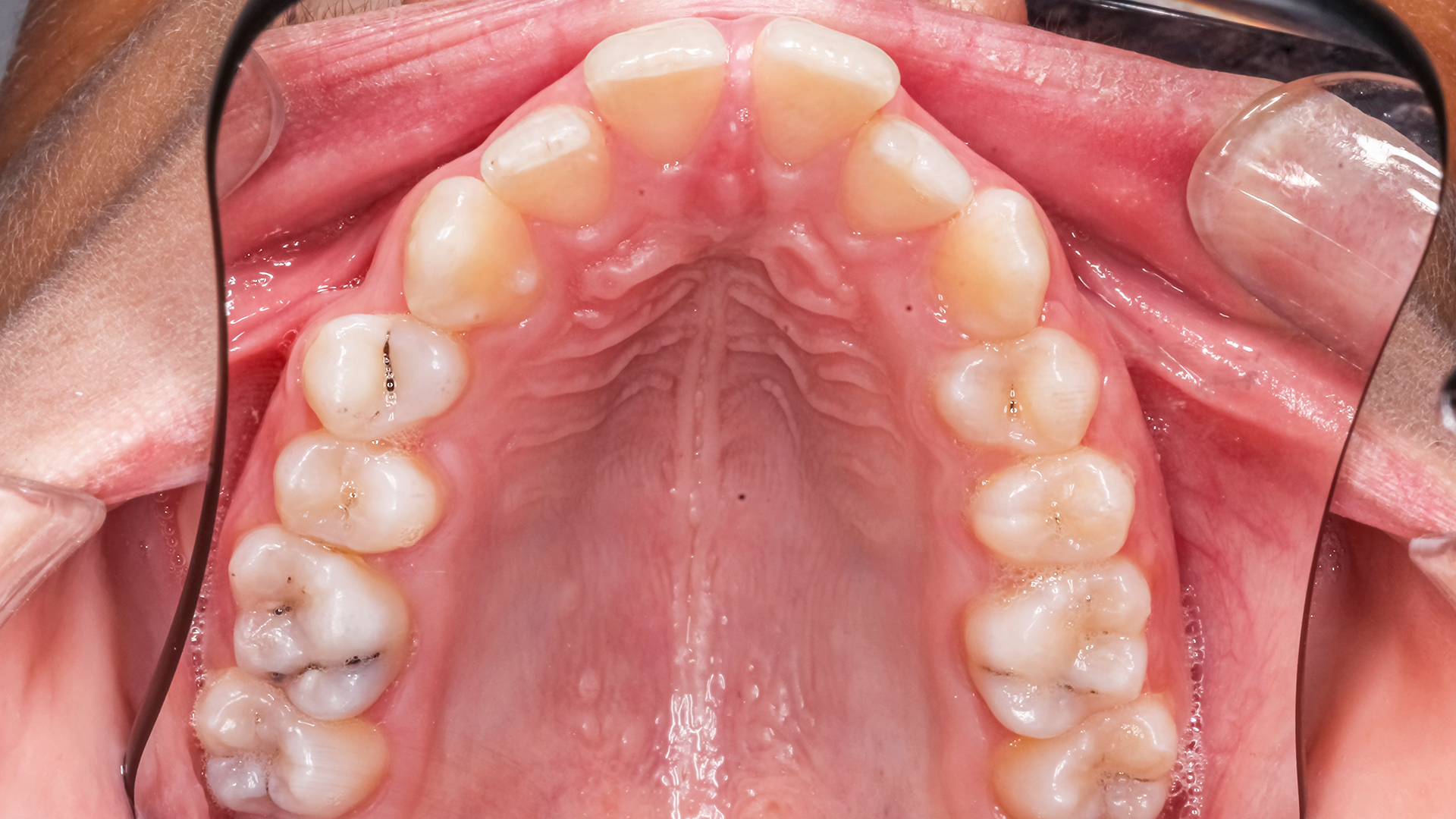
As you develop your dental photography workflow, keep the broader principles of good photography at the forefront. Prioritize accurate exposure, thoughtful composition, controlled lighting, consistent color, critical sharpness, and visual clarity. The techniques unique to dental photography build upon these foundations, so the stronger your grasp of photography itself, the stronger your dental photography will become.
Macro Discipline, Portrait Mindset
If you browse our dental photography equipment guide, you'll notice that nearly every recommended lens belongs to the same category: a true macro lens capable of a 1:1 reproduction ratio. These lenses reproduce a subject at life size on the camera's sensor, making it ideal for capturing the extraordinary detail required in dental photography.
It isn't a coincidence, however, that many of these same lenses are also among the most popular portrait lenses. Their focal lengths are prized for producing flattering perspectives of people while also offering the close-focusing capabilities needed for detailed intraoral photographs.
That overlap points to a larger truth: every dental photograph asks you to think like two photographers at once: technically, you're making a macro image, but interpersonally, you're staging a portrait.
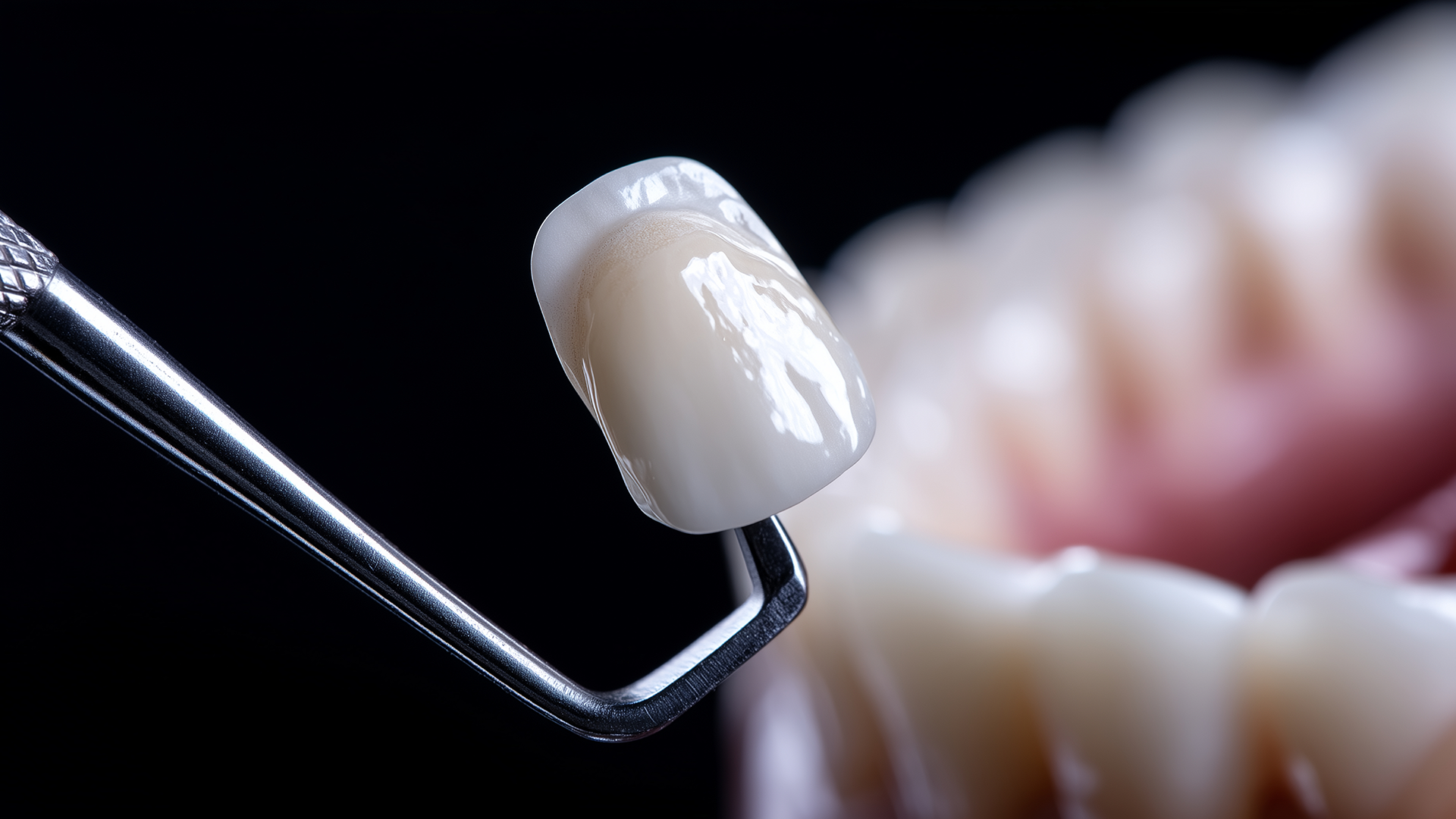
The distinction matters. The teeth in front of your camera belong to someone who may be anxious, self-conscious, or even ashamed of their smile. For many patients, that's precisely why they've come to your practice. Your photographs may serve as clinical documentation, but they're also recording a deeply personal moment in someone's life. How your patient feels during the photographic process will often influence the quality of the images you produce.
This doesn't diminish the importance of technical precision. Dental photography demands the discipline of macro photography. Working distance, magnification, depth of field, lighting direction, exposure, and critical focus all become essential when documenting the fine details of teeth and oral anatomy. Consistency and repeatability are what make these photographs clinically valuable.
But technical excellence is only half the equation.
Like a portrait photographer, you should strive to make your patient feel comfortable, understood, and at ease. Give clear direction. Be patient. Pay attention to posture and head position. Recognize when someone is feeling tense or self-conscious, and help them relax before pressing the shutter. These interpersonal skills improve the patient experience while producing better photographs.
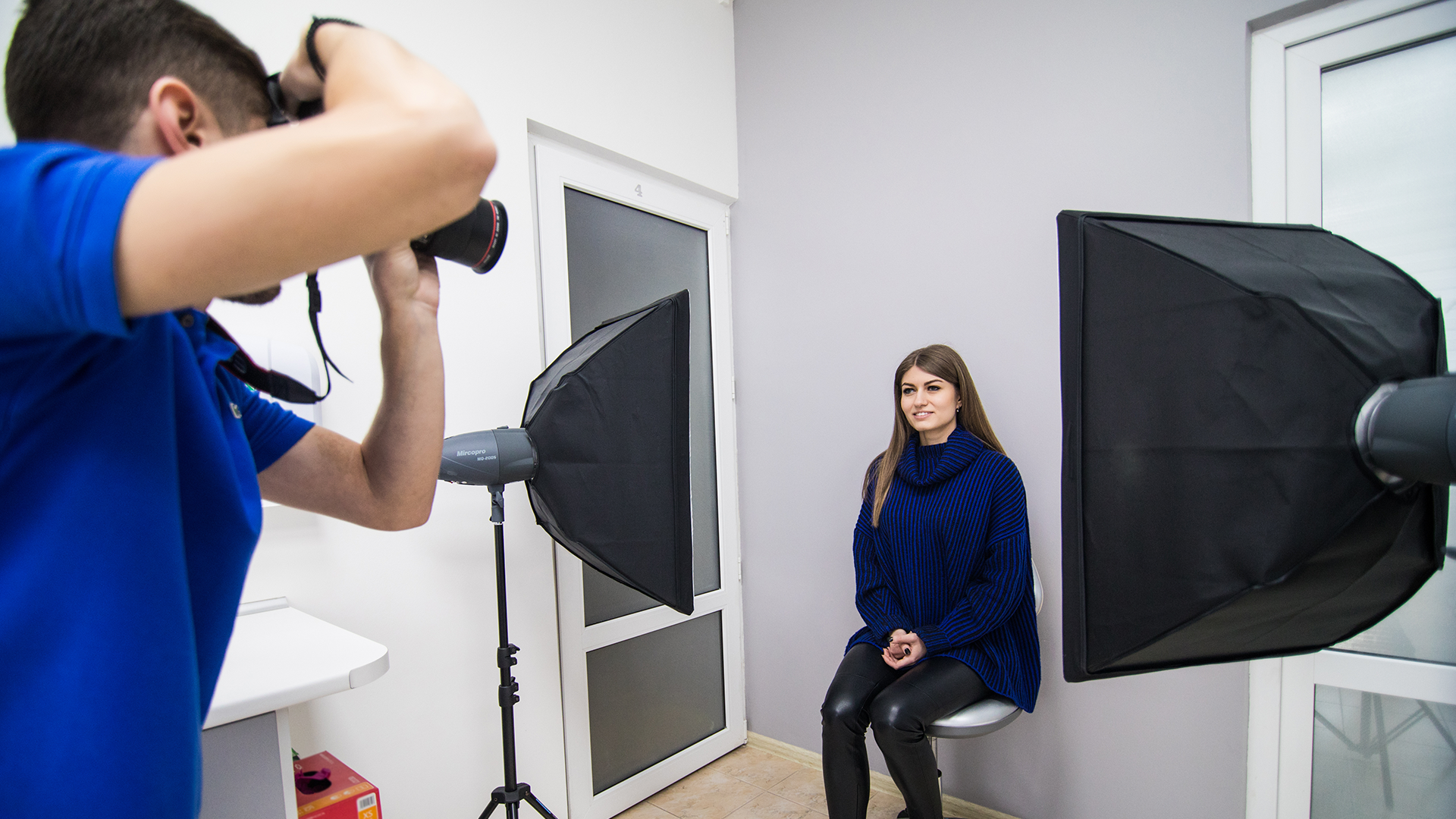
Great dental photography requires mastering these two complementary skill sets. It demands the technical discipline of a macro photographer alongside the mindset of a portrait photographer. Never lose sight of the person attached to the teeth you're photographing. The more comfortable your patient feels, the easier it becomes to create images that are not only clinically accurate, but also respectful, reassuring, and representative of the care your practice provides.
Embrace the Flash
For many otherwise seasoned photographers, flash is the moment where photography starts to feel intimidating. It introduces another piece of equipment, another bunch of settings, another variable to control. Patients can feel intimidated by it as well, associating flashes with formal portraits or important occasions and becoming more self-conscious the moment the light begins firing.
In dental photography, however, flash isn't an optional accessory. It's an essential tool.
Dental photography demands a level of image quality that ambient light and even most continuous lights struggle to provide consistently. Producing sharp, clinically useful photographs requires settings that maximize image quality: a low ISO for clean files, a narrow aperture for generous depth of field, and a shutter speed fast enough to eliminate motion blur from even subtle patient movement. Those settings dramatically reduce the amount of available light reaching the sensor, making flash the most practical—and often the only—way to achieve a properly exposed image.
Just as importantly, flash provides consistency. Unlike window light or room lighting, a flash delivers the same quality and quantity of illumination from one patient to the next. That consistency is invaluable when documenting treatment progress, comparing before-and-after photographs, or maintaining a uniform visual standard across your practice.
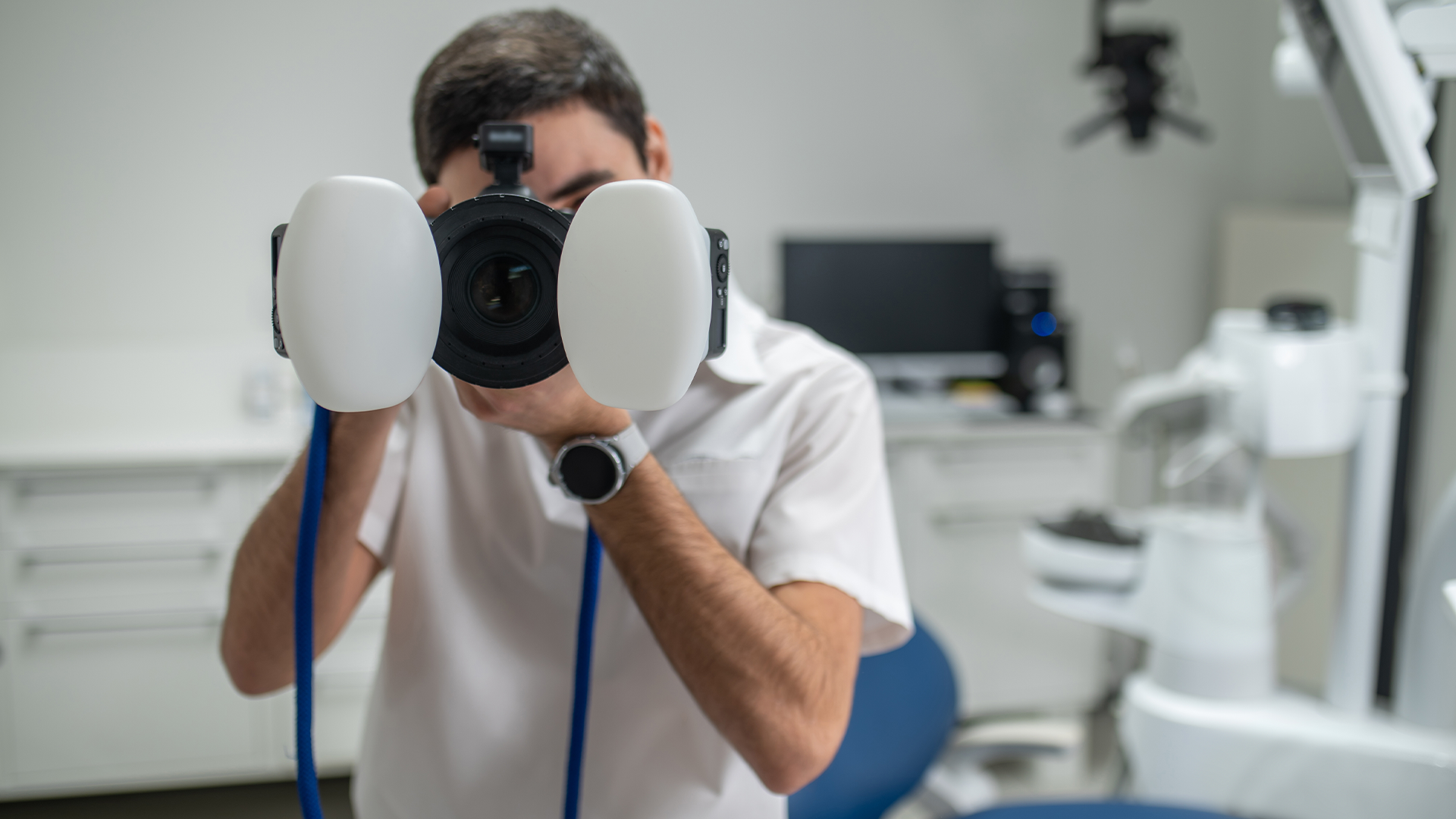
Flash also offers an unparalleled degree of control. Its direction, intensity, spread, and character can all be shaped to emphasize the details that matter most. In dental photography, dedicated macro flash systems, such as ring flashes and twin-light systems mounted around the lens, are specifically designed to illuminate the oral cavity evenly and reveal fine anatomical detail with remarkable clarity. Twin-light systems, in particular, provide broad, balanced illumination while allowing greater control over the direction and modeling of the light.
As your photography expands beyond strictly clinical documentation into patient portraits, practice marketing, or advertising imagery, flash becomes even more versatile. Off-camera strobes, bounce cards, reflectors, and light modifiers allow you to sculpt light in ways that flatter your subject while maintaining the polished, professional aesthetic patients associate with high-quality care.
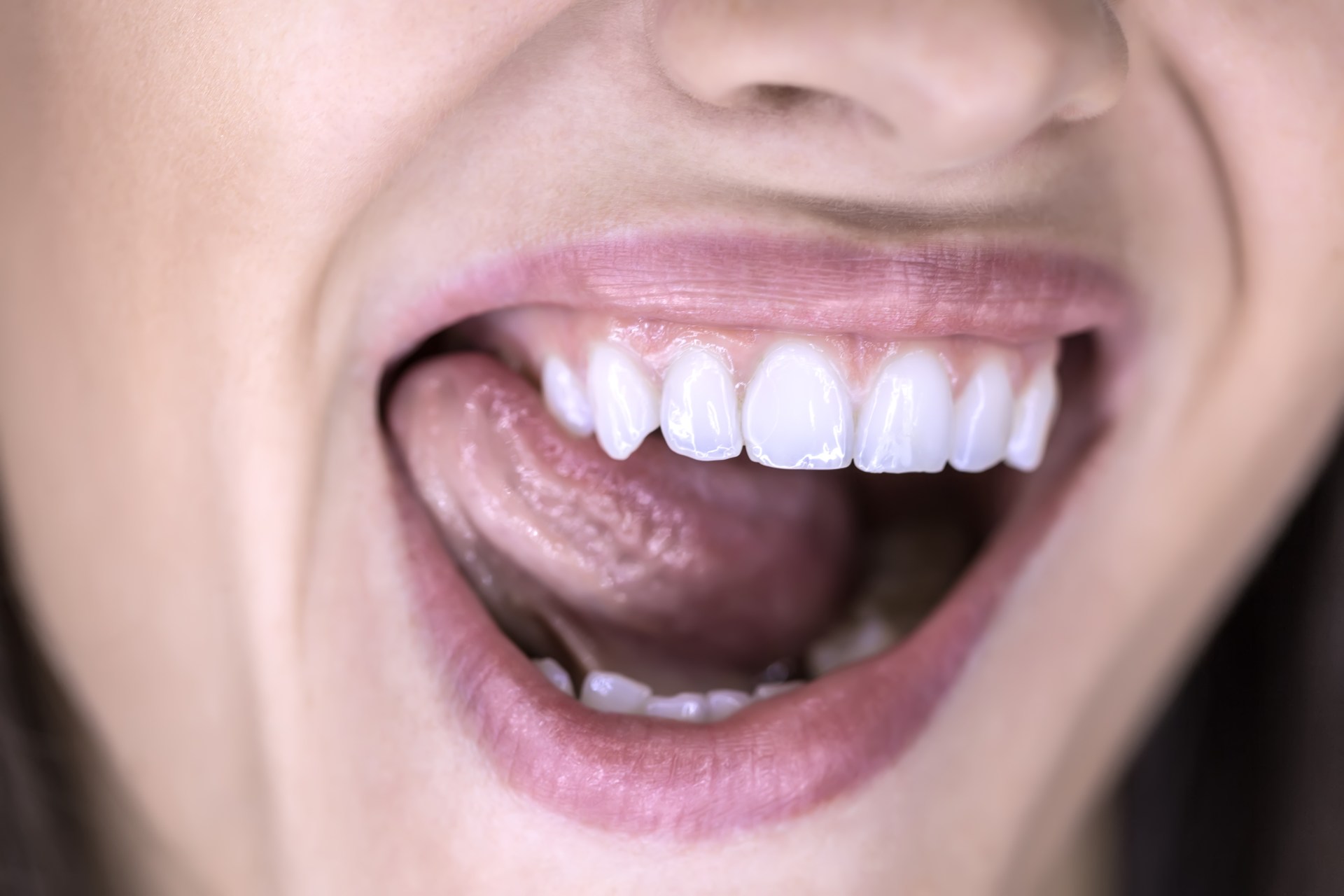
There's also a practical advantage to dedicated macro flash systems. Because they're mounted directly to the camera and lens, they can deliver powerful, precisely directed light into spaces where larger lighting equipment—or continuous lights—would be difficult or impossible to position effectively.
The goal of flash isn't simply to make an image brighter. It's to give you complete control over light itself. No other lighting solution offers the same combination of power, consistency, precision, portability, and adaptability. Experience and comfort working with flash will transform what was once a complication into consistently excellent dental photography.
Clinical, but with an Eye for Marketing
Dental photography begins with clinical care. High-quality photographs help document a patient's condition, assist in diagnosis, guide treatment planning, and provide an objective record of treatment outcomes over time. Whether you're monitoring progress, communicating with specialists, or evaluating the success of a procedure, clear and consistent images become an invaluable part of the clinical workflow.
They also serve an important practical purpose. Thorough photographic documentation can help establish an accurate record of a patient's condition before, during, and after treatment. In the event of insurance questions, treatment reviews, or other disputes, that visual record can provide valuable context and support for both the patient and the practitioner.
Every image you create has the potential to educate, build trust, showcase your expertise, and reinforce your practice's standard of care.
But the value of these images doesn't end once the clinical work is done.
As we've discussed throughout this guide, the quality of your photography doesn't simply reflect the quality of your work—it often becomes a stand-in for it. Prospective patients can't always evaluate the technical excellence of a restoration or orthodontic treatment, but they can immediately recognize whether the photographs presenting that work appear sharp, professional, carefully lit, and thoughtfully composed. Long before they sit in your chair, your photography is already communicating something about your practice.
That's why it's worth approaching every photograph with both clinical and marketing objectives in mind. The same image that documents a procedure today may become tomorrow's before-and-after example, a portfolio piece on your website, a social media post, or an educational resource for future patients. The stronger the photograph, the more effectively it serves each of those purposes.
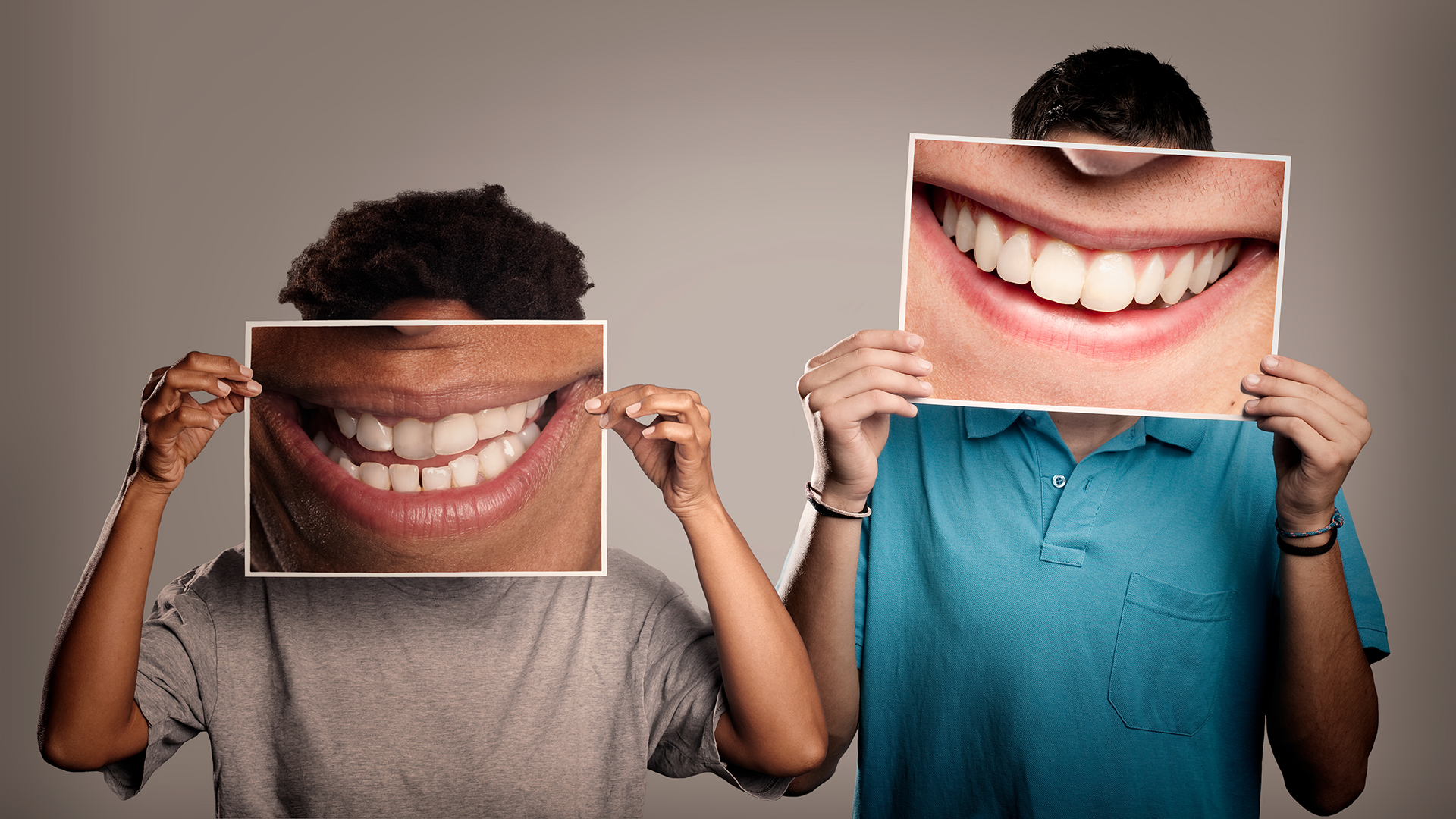
This doesn't mean every clinical image should be stylized or promotional. Accuracy should always come first. But accuracy and good photography are not competing goals. The principles discussed throughout this guide—thoughtful composition, controlled lighting, technical precision, and a patient-centered approach—produce photographs that are both clinically valuable and visually compelling.
Ultimately, every image you create has the potential to do more than document a procedure. It can educate, build trust, showcase your expertise, and reinforce the standard of care your practice provides. By approaching dental photography with both clinical rigor and an eye toward communication, you create images that work just as hard as you do.
