
Wildlife photography is one of the most therapeutic and rewarding genres of photography and it’s also one of the most popular. There’s just something so special about being able to witness the magic, and with new camera tech, wildlife photography is easier than ever. That said, the thrill of the shot can overshadow good decision-making, leading to unethical practices. But what are ethical practices?
Take nothing but photographs, leave nothing but footprints—an adage well-known by nature enthusiasts of all levels, but not all that practical. While it can be an important mantra to follow in a world of ever-shrinking natural space, it’s near impossible to enter the wilderness without making some impact. While we can’t eliminate our impact, we can minimize it. In this article, we’re going to talk about the often tumultuous albeit simple concept of ethics in wildlife photography.
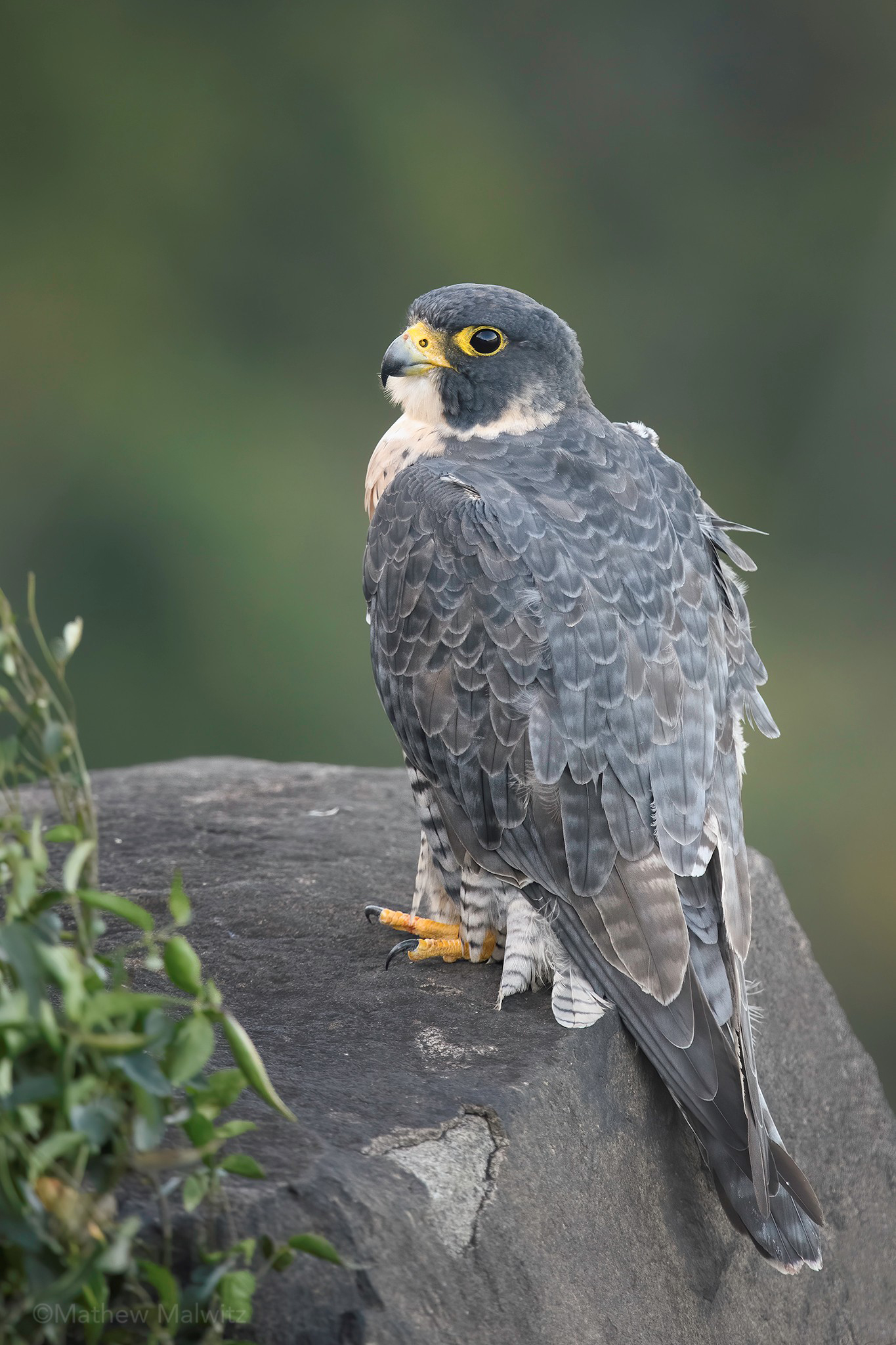
What Are Ethics in Photography?
In general, photographers follow a code of ethics, and much like wildlife photography, the definition varies from individual to individual. Look no further than street photographer Bruce Gilden, who’s known for getting in the face of his subject matter. Some call his work exploitative while others say it’s misunderstood. Whatever your opinion is on his methods, the controversy that follows his work brings the ethical dilemma of photography to light: Just how far are you willing to go to get the shot?
Ethics in nature and wildlife photography is quite similar, though at its core, it is based on a sincere respect for the animals and their environment. Wildlife photography is often less about art and more about documentation. It is why we stay on trails instead of trampling sensitive habitats, and why we should never advance on a bird with the intent of making them fly. There’s a clear line in the sand regarding what’s too far in wildlife, right? Yes and no.
Some of these concepts, like the examples above, are quite black and white, whiles others are shades of gray. One could argue that to be truly ethical, one should never enter the woods to begin with. Let’s look at some of the key concepts and techniques involved in responsible wildlife photography.
Keep Your Distance
Keeping a respectable distance is paramount to the wellbeing and energy conservation of your subject. In a world with such accessible super-telephoto lenses, we can get close-up images from a respectable distance, though this is not always as easy as it sounds. For good, quality images, we often need to be closer than one might think, though not so close as to greatly alter the behavior of our subject.
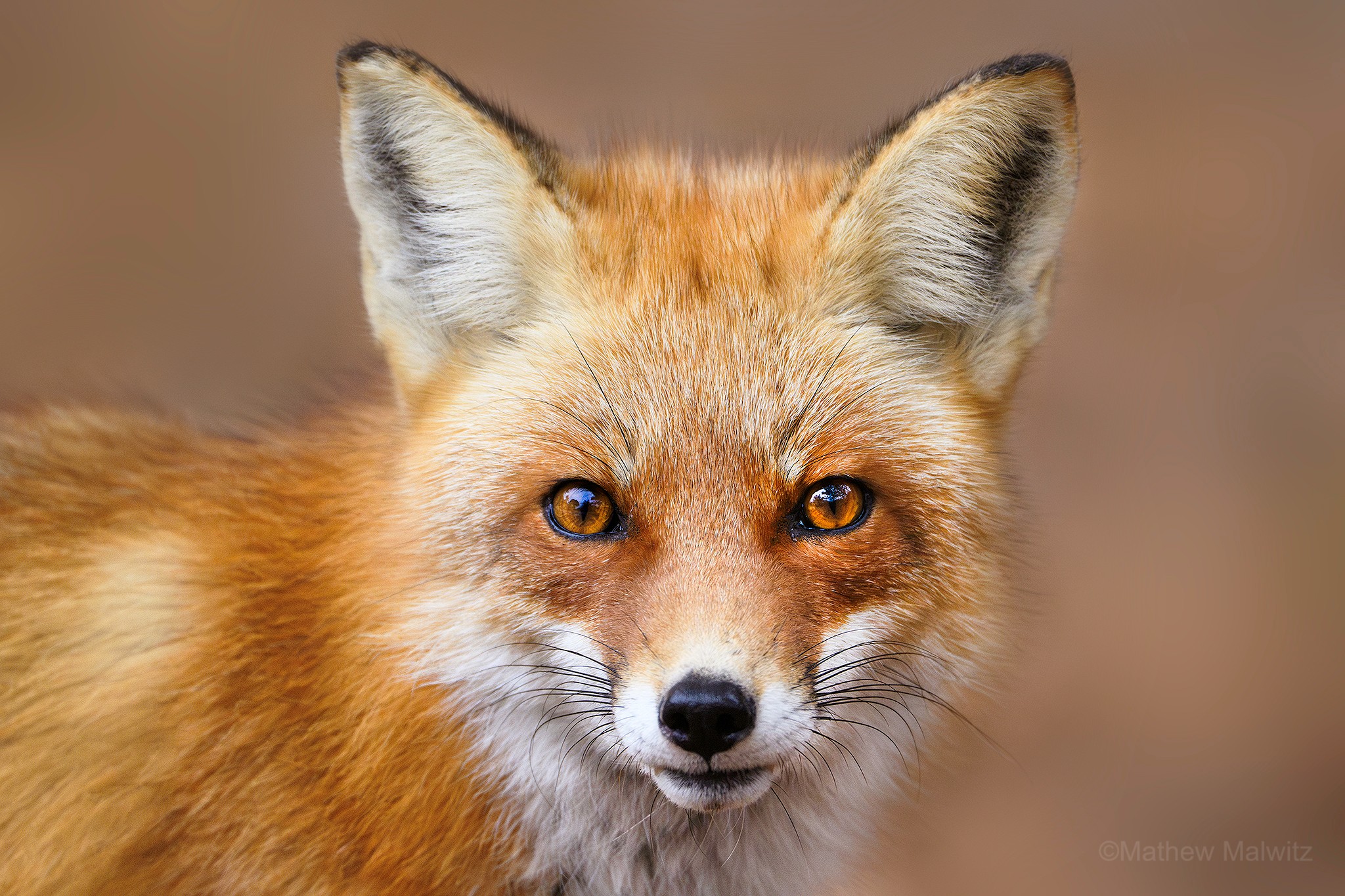
Believe it or not, there are regulations for how close you can get to certain animals. These range from localized laws to federal ones enforced in national parks, forests, and wildlife refuges. Generally speaking, most parks require you to be 25-50 yards away from herbivorous animals and 100 yards away from predators.
Every animal has its own sense of personal space, and if you’ve seen footage of bison ramming irresponsible national park visitors, you can begin to appreciate the repercussions of neglecting this fact. Luckily, most of us will be working with smaller subject matter that’s far less dangerous, though the threat of flushing, or chasing off, our quarry still remains.
This doesn’t consider those rare times when an animal closes the gap on its own. For example, at the same beach as referenced above, it isn’t out of the ordinary for tern chicks to run out into the open as their parents return with prey with little regard for the big scary humans ahead of them. This works for two reasons. First, young animals are often unfamiliar with threats, but also an ethical field practice, which is to make yourself look small.
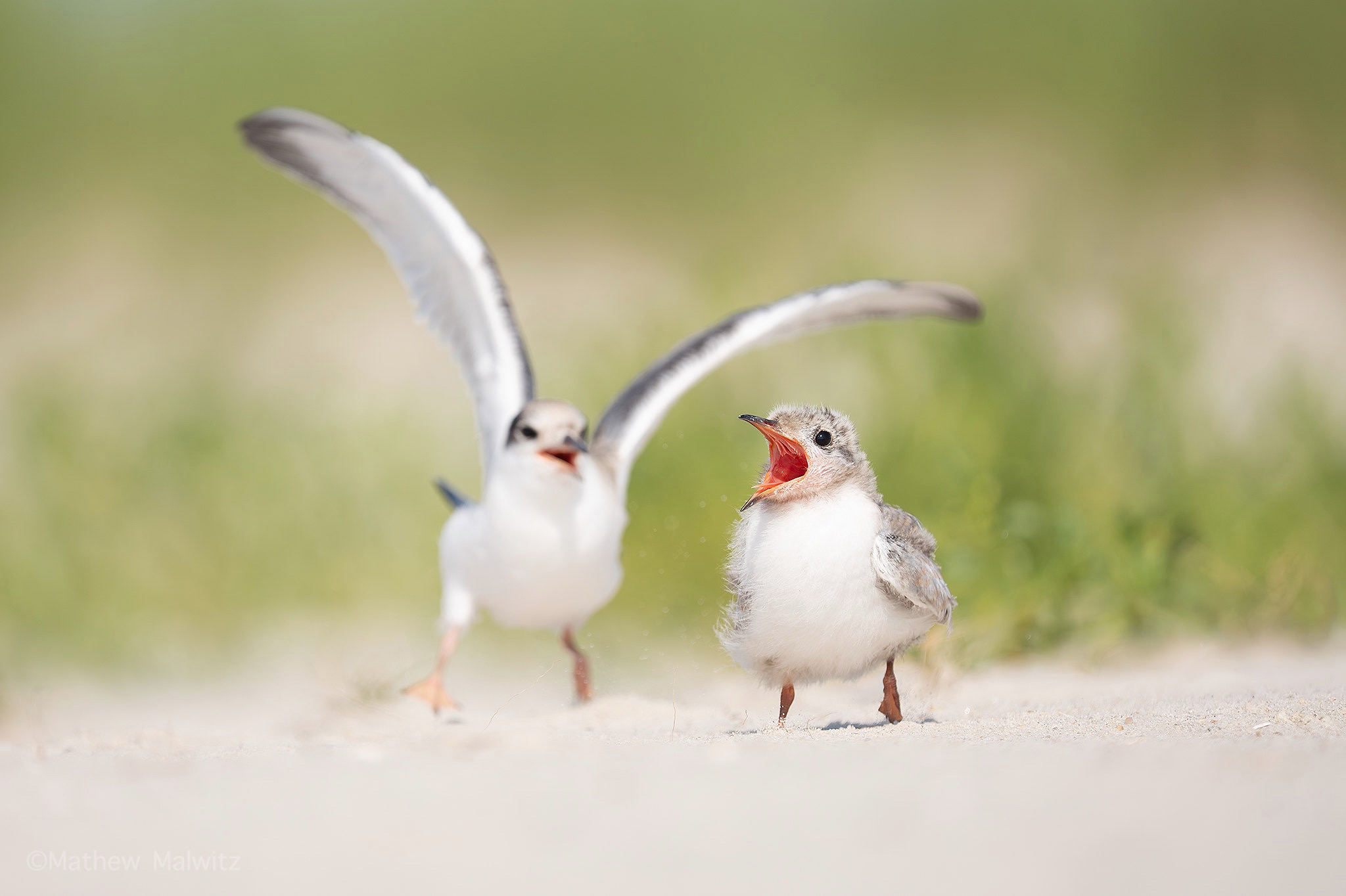
The other trick is to move slowly, frequently making note of the animal’s behavior and body language. Become part of the environment and allow the natural world to become accustomed to your presence. Animals have habits and predictable behaviors that we can learn and work with to know when you’re too close, and in turn, when they’re about to perform some interesting behavior.
An understanding of your subject is essential to being safe, but responsible with wildlife. We need to be citizen scientists, observing and learning from our subject. After all, ethical wildlife photography begins with knowing your subject. Ultimately, if our approach causes an animal to flee, you’re too close. But the goal is not to get to that point, which can only be accomplished by staying really far away, or by learning your desired subject’s behaviors.
Know Your Quarry
Simply put, getting too close or intentionally chasing an animal is unethical. That said, many ethics debates spur from a misunderstanding or a lack of appropriate knowledge of the subject. These concerns do come from a sense of love for the animals, and for that we cannot fault anyone, especially when advocating for a subject that cannot do so themselves.
One common ethical conundrum occurs annually along the shores of the Northeastern U.S. when the elusive snowy owl returns to its wintering grounds. Photographers and birders alike flock to the coast in an attempt to catch a glimpse of this majestic species, only for a few bad apples to get too close either by accident or with the express interest of making the bird fly for the sake of a photo.
First, let’s clarify some things. To say every owl is starving is a bit of an exaggeration, but a poignant reminder that our lives of abundance are unique in the animal kingdom. A snowy owl cannot go to the convenience store when it feels a bit peckish; it has to hunt and exert precious energy. While they may not be starving in the sense that we can relate, they rely on every last bit of energy they have to keep themselves from getting to that point.
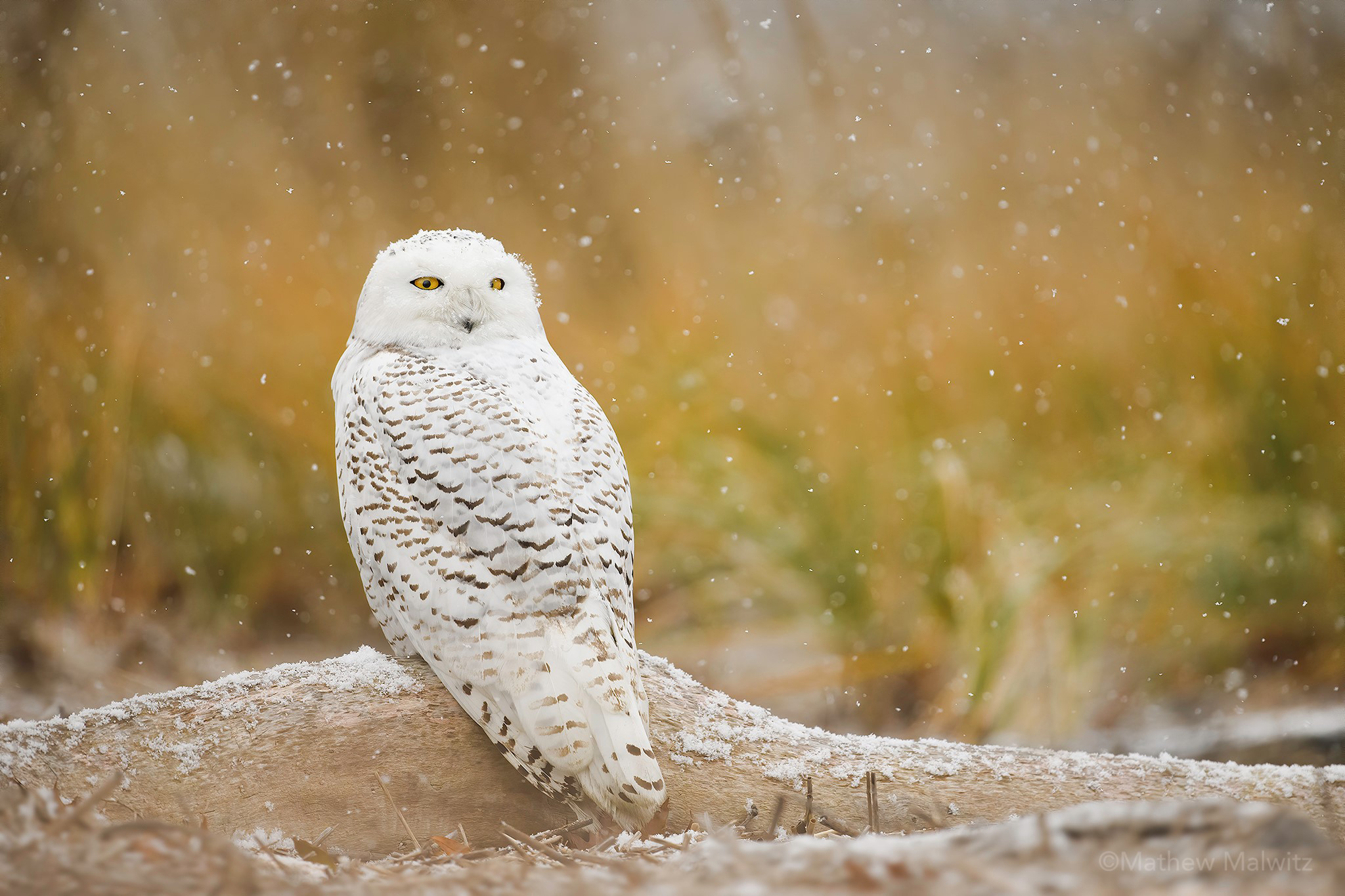
The best way to is to learn everything you can about them, either through observation or research. Now, there are behaviors that are quite obvious, such as when an animal looks directly at you for prolonged periods of time. Often, this means that an animal in uncomfortable or stressed by your presence, unless you’re being eyed by an alligator while trying to photograph birds in a bayou, in which case run.
By remaining observant and noting behaviors, you can better understand if you’re too close, too loud, or doing anything to divert your subject’s attention from more pressing habits. In the case of snowy owls, it’s all in the eyes.
Just us being there can cause animals to behave differently, but there are limits. The biggest threat to the well-being of wildlife is consistent harassment, often caused by too many people knowing about an animal.
Respect the Rules
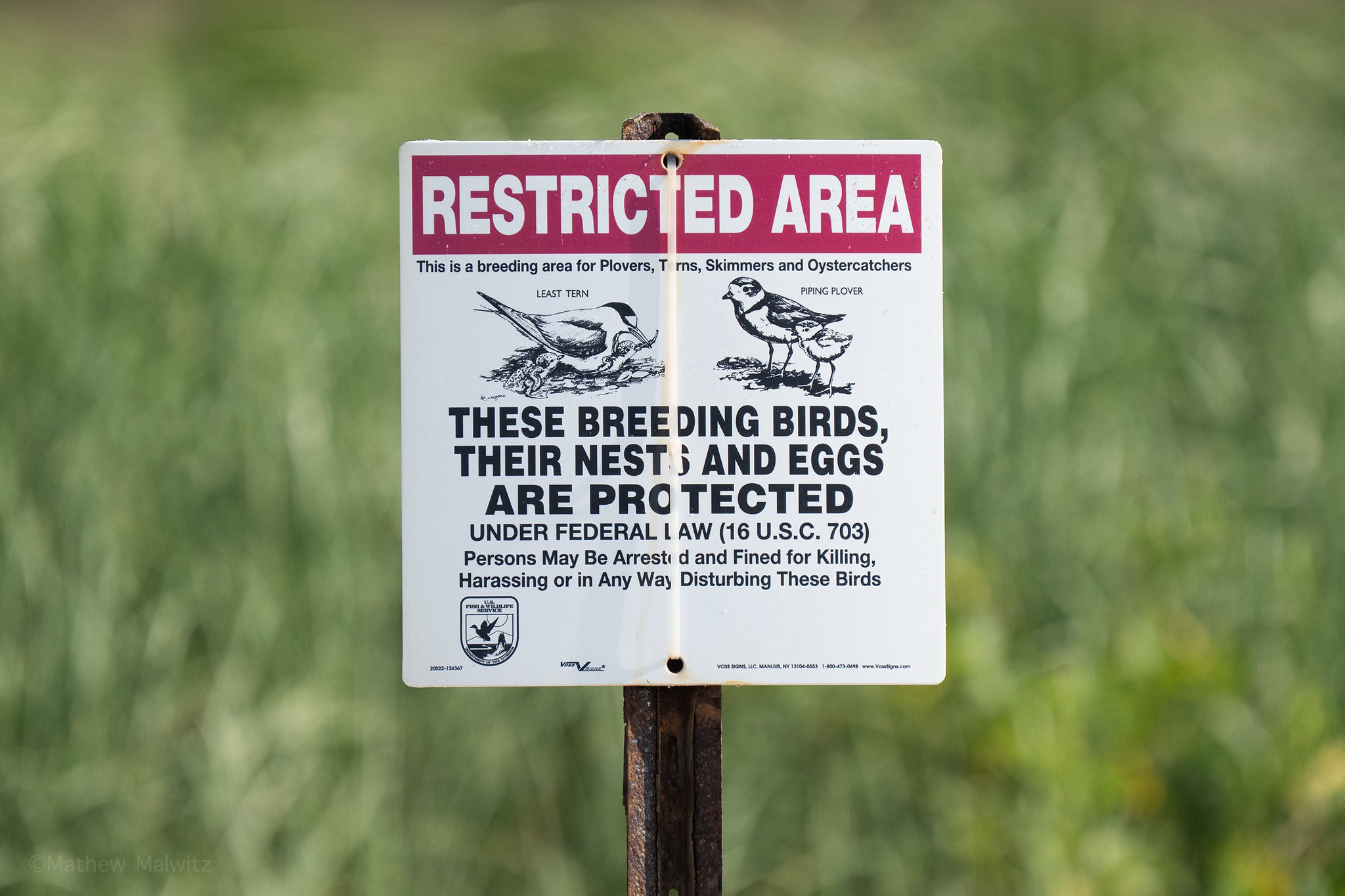
Before heading out, be sure to learn the rules, laws, and regulations applicable to your shooting location, whether it be a local refuge or national park. Check your trailhead sign kiosk for any restrictions or closures and stay on the trails. In many cases, there are minimum wildlife viewing distances and of course, leave no trace policies. We touched upon these proximity requirements above when talking about keeping your distance.
What to do When You Find a Nest or Den
Nests and dens are extremely sensitive, and thus, we should observe from a distance. If you stumble across a bird’s nest, regardless of the stage of nesting, there’s a chance the birds will abandon that nest and start anew. You may not be aware that other intelligent birds like blue jays and crows can observe your disturbance of a nest and then prey upon the unattended eggs or young.
Simply put, to safely and responsibly photograph a nest, we need to both keep our distance and know our subject. The ability to read the signs of alarm in an animal is essential. Prolonged eye contact, elongated posture, and of course, fleeing are all indicators that you’re too close.
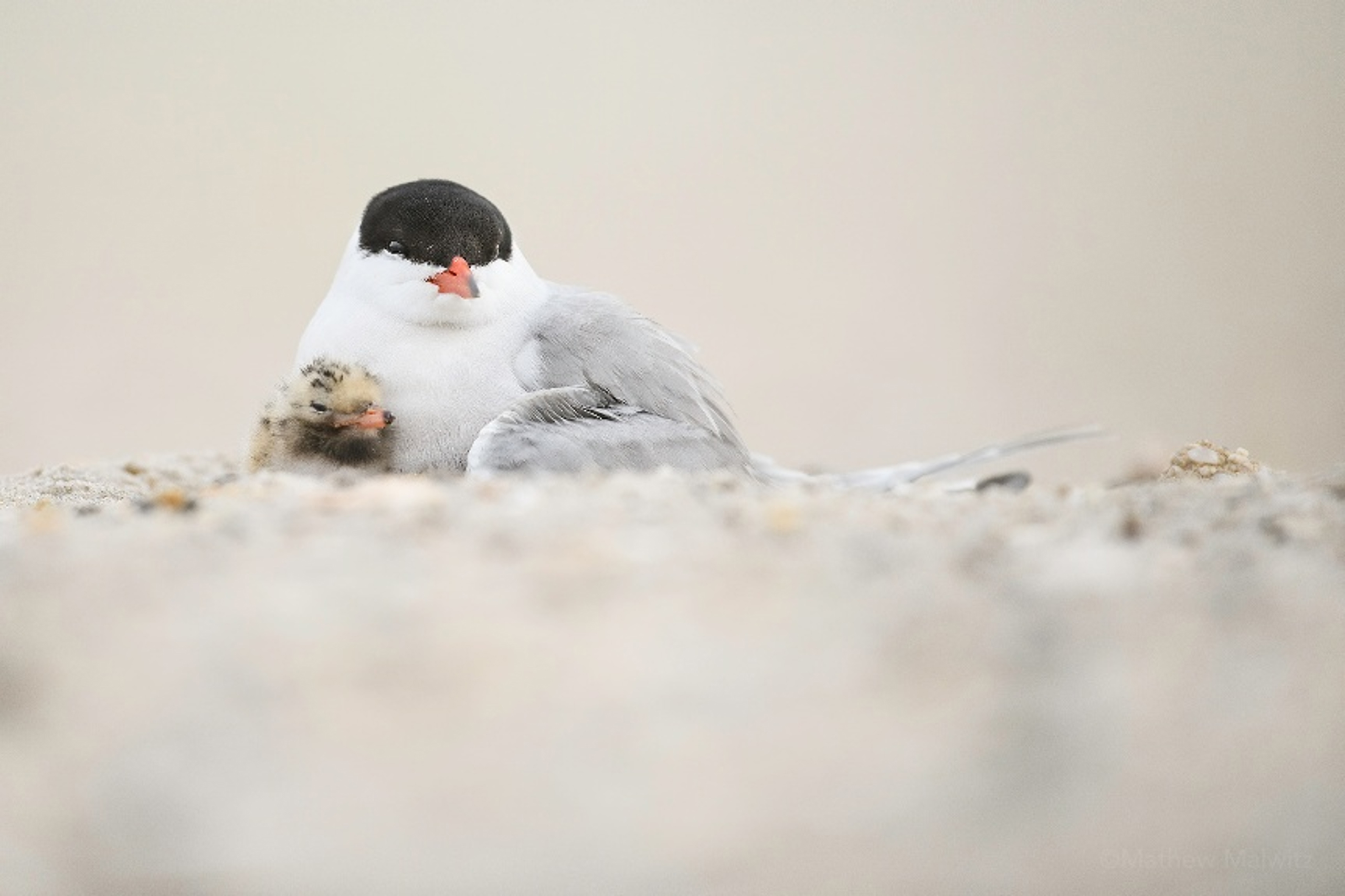
The habitat surrounding the nests should never be altered as well. You may be shocked to hear that nest sites are often manicured for the sake of the perfect shot, with some going as far as to shear vegetation around the nest in order to get a clear look. This removes necessary protection from wind, rain and predation.
It’s also important to consider the cumulative impact of return trips and multiple observers. Repeated visits by many onlookers have a cumulative effect on animals in general, but especially nest or den sites. As mentioned above, birds may abandon their young and mammals may vacate an otherwise safe den site. Avoid indiscriminately sharing nest locations and limit the time you spend around these sensitive sites.
To Flash or Not to Flash
Flash is an essential tool in photography that allows us to better control our light, and subsequent exposure. It can be used creatively to shape our subject and to add depth to an otherwise flat scene. The benefits of flash cannot be understated. That said, its use in wildlife is often avoided entirely as its effects on animals are not fully understood.
It’s important to note that some animals are unaffected by the sudden bright pulse of light emitted by a speedlight, while others can appear visibly startled. In my own photography, I’ve used flash only a handful of times with mixed results. Sometimes two animals of the same species react differently, with one spooked by the bright pulse of light and one unbothered. In most cases, the bird remains unbothered and continues their everyday business.
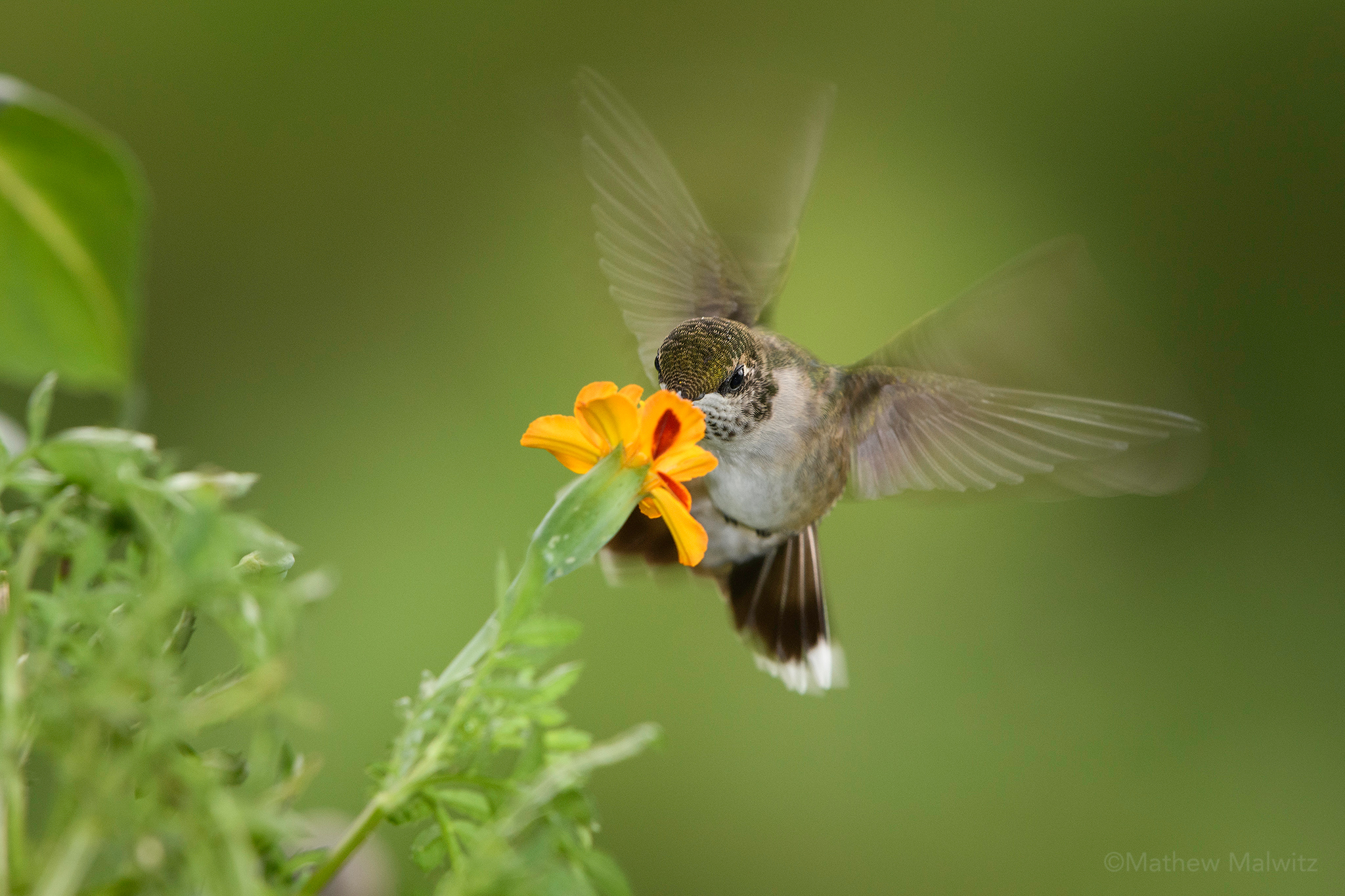
Though modern cameras have improved low-light performance, many wildlife photographers have long used flash to light small subject matter, fill in shadows and to add a discernable catchlight to their subject’s eye, which adds life and dimension to the shot. Additionally, flash can be used to illuminate iridescent feathers on colorful species like hummingbirds, and to freeze fast action in challenging lighting conditions.
There are, however, times when flash can be harmful, such as when used on owls and other nocturnal species. Owls are especially vulnerable, as their eyes can be as much as 100 times more sensitive in low light than ours. Good news for would-be owl photographers, these elusive birds are active in the wee hours of the day. Plus, modern cameras are capable of recording exquisite quality at ISOs our forebearers would’ve cried at.
Pishing and Audio Lures
Pishing is a technique used by birders and photographers to mimic the alarm call of small songbirds like a wren or vireo. It’s a bit like walking into the woods and yelling “danger, danger, danger.” Birds come out of the woodwork, giving observers a chance to see them in the open. The problem here is that we’ve just riled up an entire patch of forest. While it does stress birds to an extent, this technique is widely accepted in the world of birding when used sparingly.
Similar to pishing is playback. Audio playback is the use of an audio recording to solicit a behavior often from an individual species, often simulating the presence of a territorial intruder. Among bird watchers and photographers alike, there has been a long-running and sometimes belligerent squabble over the impact of using recordings to lure birds into the open. In fact, many major photography competitions strictly prohibit images capturing using playback, and for good reason.
The practice is used among photographers and birders alike, especially during guided walks where large groups aim to see a particular species. Playback as a tool to attract a target species, is nothing new. It’s been used for decades, although with increasing frequency thanks to more accessible recordings and that social media thing we mentioned above. And that just may be the problem. What was once rare, is becoming more frequently used.
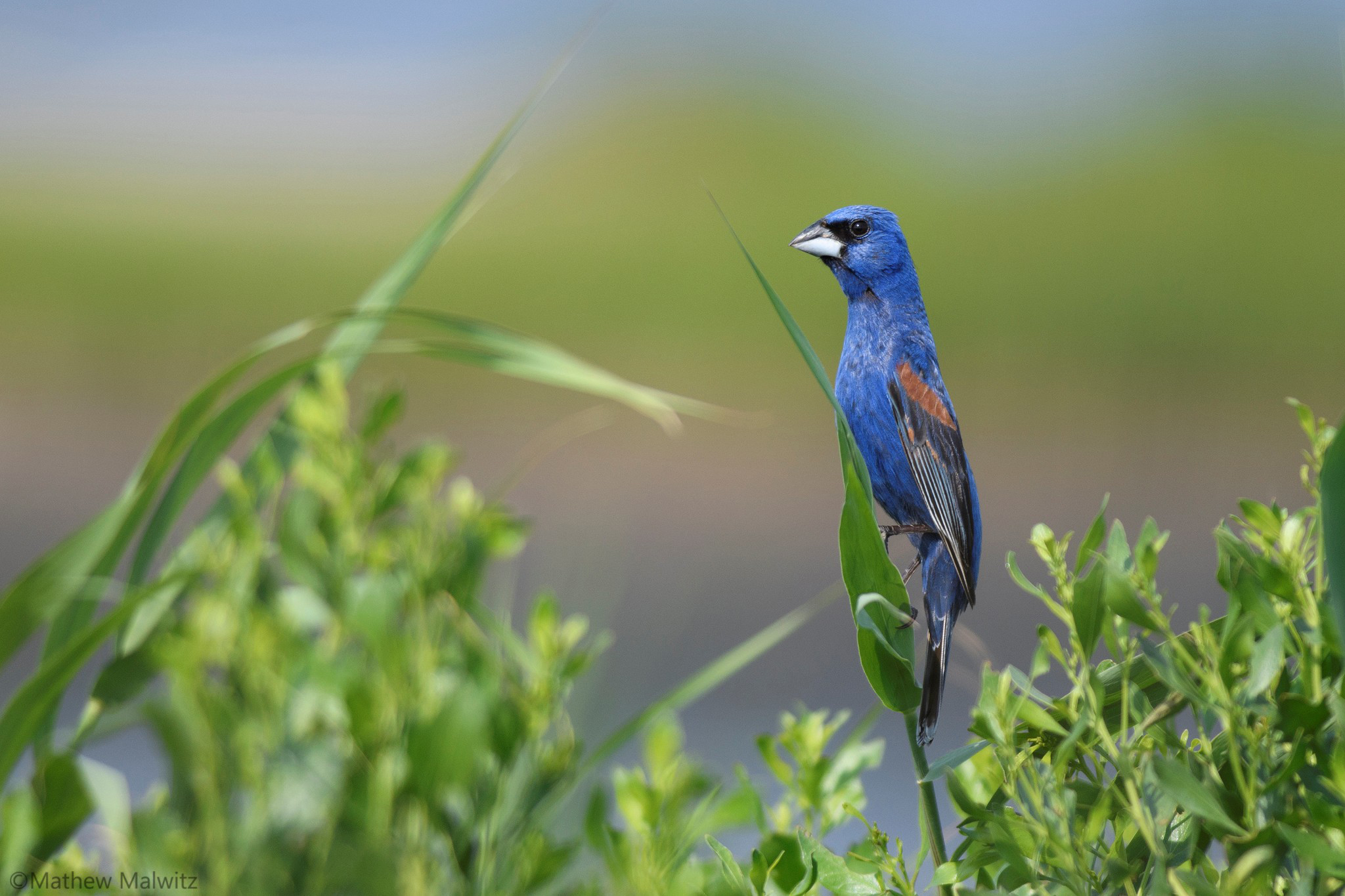
Here are the facts. Playback, in any form, can be easily misused, usually to a bird’s detriment. Any uncontrolled playback for long durations is not in the birds’ best interest and can divert their energy from important duties such as attracting mates or feeding young. Research indicates that when used in excess and at loud volumes, playback can raise stress hormones as well which impact the bird’s overall health and life expectancy.
Like pishing, if used for short durations in isolated spaces and during less sensitive times, namely outside of the nesting window, playback has some benefits. Namely, it allows people to enjoy birds that would otherwise be difficult to see while reducing the need to enter and trample a bird’s habitat. It is better to briefly play a call than to possibly step on an ant hill or worse, another bird’s nest. We should not be blasting bird calls in urban environments like Central Park nor should we be doing it for extended periods of time.
As broken down in David Allen Sibley’s guide to the proper use of playback, there are countless considerations to be made before playing a recorded call. In most cases, it’s best avoided, as it can be harmful, especially in places where others are likely playing such as city parks and nature preserves. While there are some arguments in favor of using playback, the average photographer should reconsider the practice unless they can readily recognize nesting behavior and identify signs of stress in birds, as the risks far outweigh the reward when misused.
Feeding Wildlife, the Dos and Don’ts
Wait, is my bird feeder unethical? No, not necessarily. While it’s preferred that you plant seed bearing flowers to feed your neighborhood fauna, a helping of sunflower seeds isn’t going to alter your local environment too much. So, when does feeding wildlife become unethical? This line is murky, but where we can clearly draw the line is when food is supplied to a subject in a scenario where it becomes dangerously accustomed to humans and associates them with food.
Dangerously being the key word here, as a chickadee in your yard is not likely to peck your eye out nor is it likely to be harmed by visiting. Often, the ethical debate stems from the use of frozen or live mice to bait owls and other elusive animals into the open for a shot. This is a big no, as it greatly alters the behavior of the animal and puts them at greater risk of harm.
A bird feeder is a feeding station. It doesn’t move, and it doesn’t usually have a human hand holding it up. Baiting on the other hand, runs the risk of acclimating wildlife to humans and learning to associate us with food. This may drive an owl to follow people instead of hunting naturally. Additionally, a bird may be so eager to feed that it may approach the road more often and be struck by a passing car. In fact, the research conducted by snowy owl tracking organization Project SNOWstorm, found that a third of all snowy owl trauma deaths examined were the result of vehicle collisions.
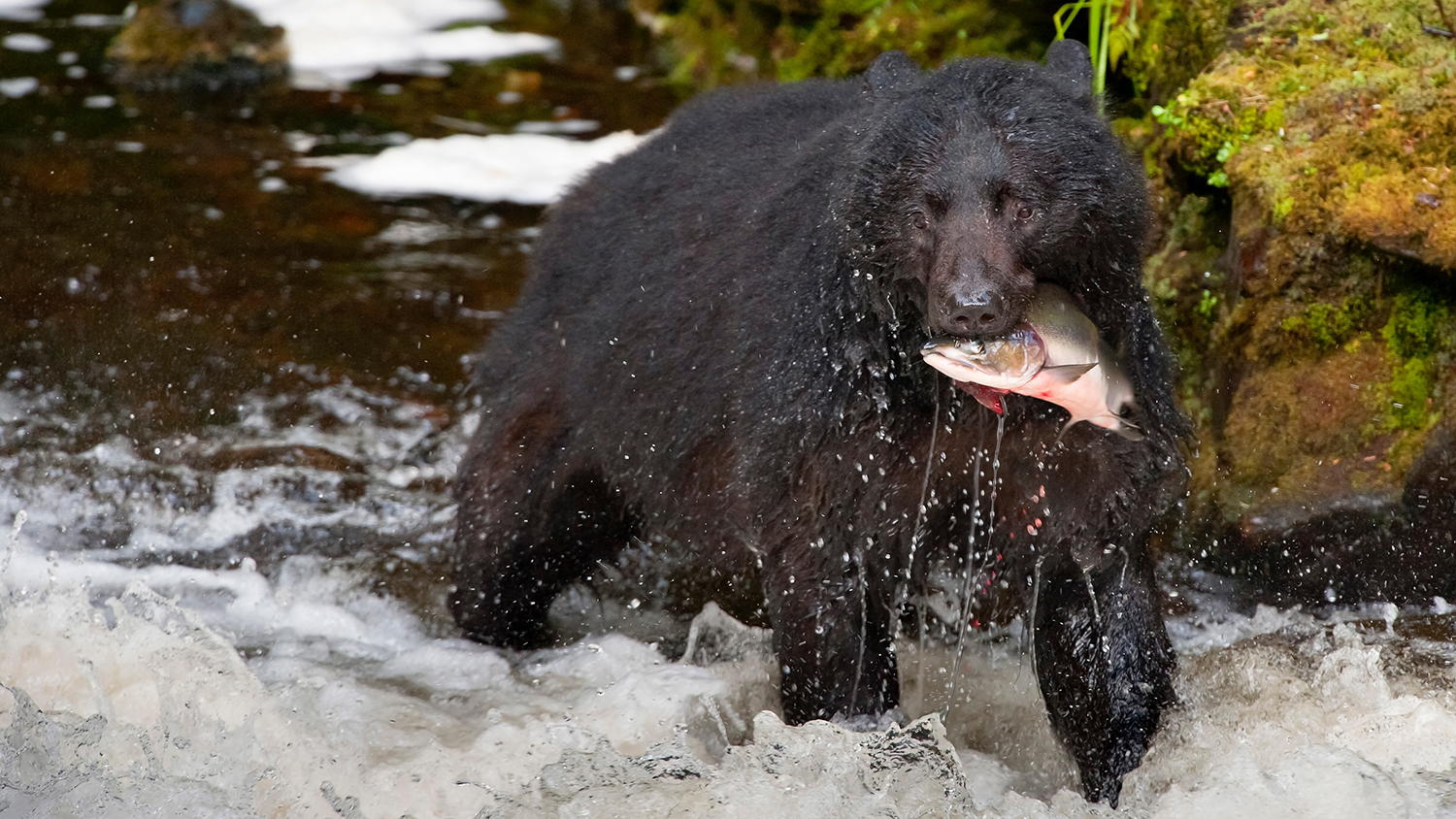
Now, it’s important to note that baiting is more common in the world of wildlife photography than many of comfortable admitting, and baiting is not exclusive to owls unfortunately. For larger game, like coyotes, foxes, and bears, the results can be equally if not more catastrophic, with animals being euthanized for being too comfortable with people, or worse, attacking someone. As the saying goes, a fed bear is a dead bear.
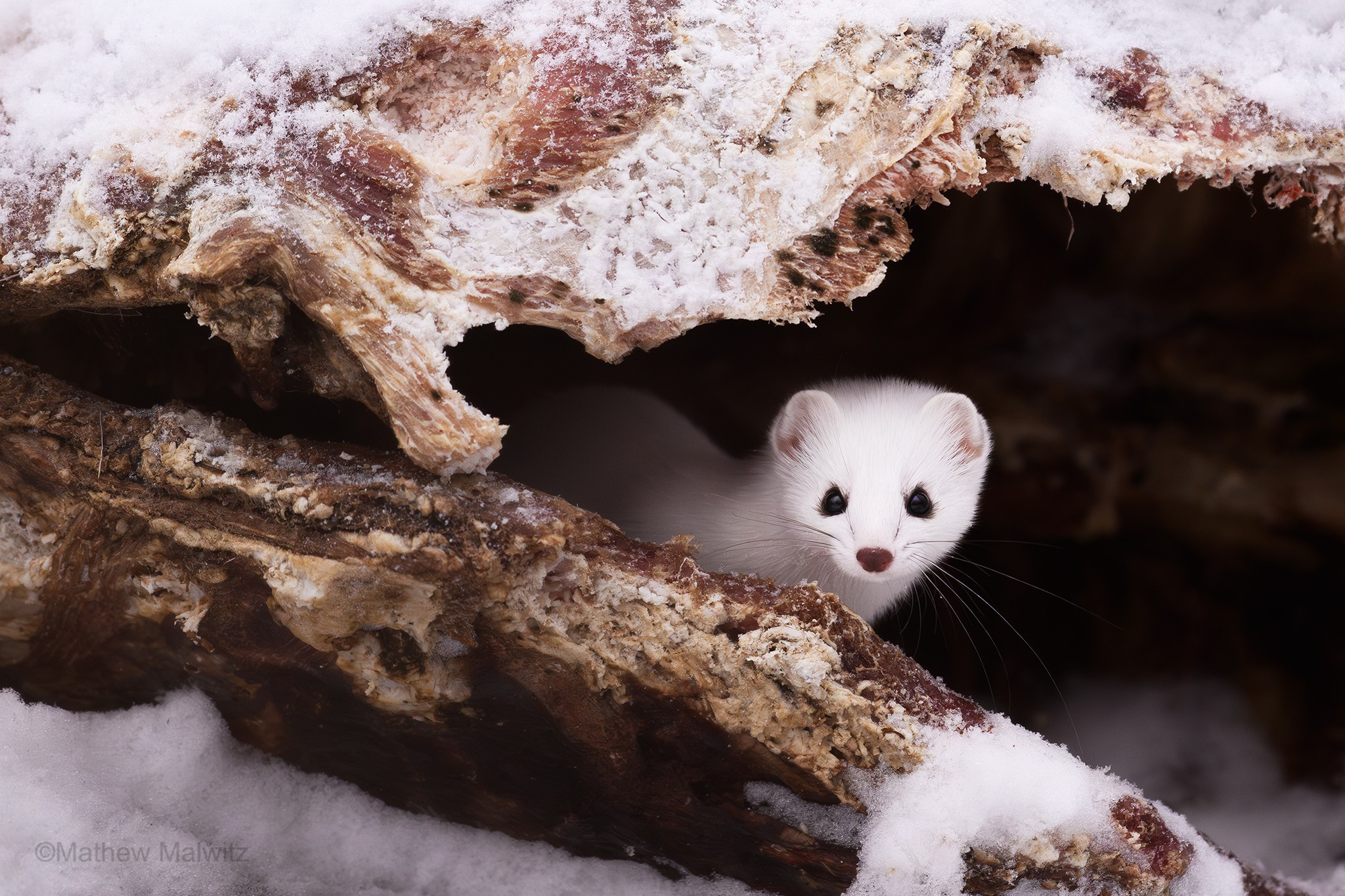
Where do we draw the line between unethical baiting and habitual feeding? Let’s look at some unique examples, starting with the famous Sax-Zim bog. Visit any of their feeder stations and you’re likely to notice an offering of roadkill bits alongside their typical assortment of goodies. Is this unethical? No, not really, as it’s targeted at scavenging species like Canada jays and small mammals, and sustainable with volunteers, locals, and visitors constantly supplying seed, peanut butter, and the odd deer rib cage throughout the season. This is not the same as luring the bogs famous owls with live bait, which is not only frowned upon in the bog, but illegal in the state of Minnesota.
Some other wildlife feeding occurs in places like the UK with their red kite reintroduction efforts and in Alaska such as in Homer, a fishing town on the Kenai peninsula made famous by the eagle lady, Jean Keene. Starting in the late 70s, Keene began supplying her local birds with leftovers from her job at a local fish processing plant. She fed eagles until her passing in 2009, but photography workshops have kept up the practice albeit outside the town boundaries and in regularly used spots.
On a more local level, just a few hours from NYC sits a number of parks where birds accustomed to human presence can be found and photographed. Of course, these aren’t bald eagles or elusive owls. They’re ducks. Is this wood duck below, often fed cracked corn and bird seed by families and restaurant goers, a baited animal? By all metrics, yes, but does that make this type of photography unethical? Only if you’re feeding them bread, as it’s not so easily digested by waterfowl.
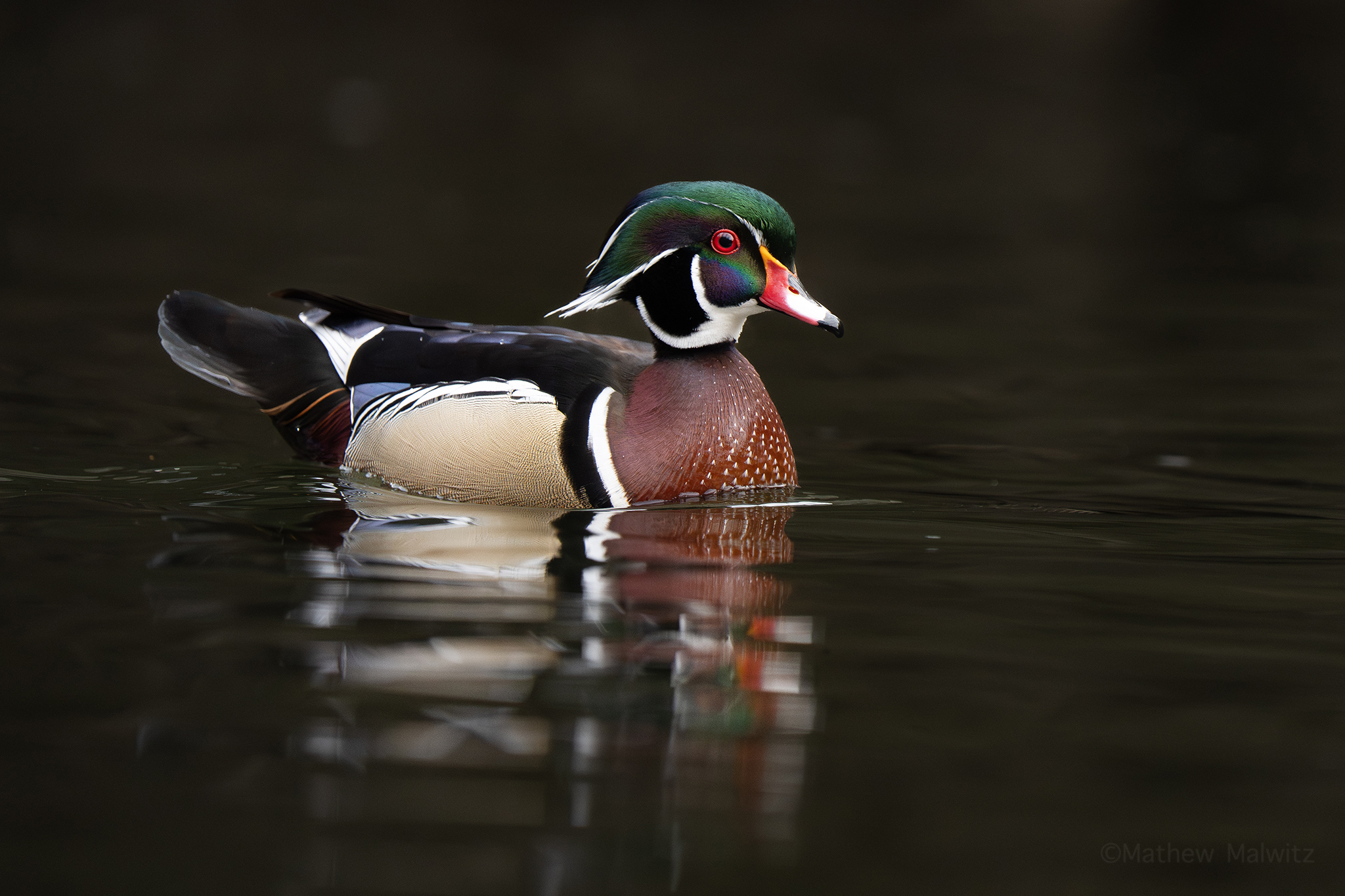
These are rare exceptions to the rules of feeding and should not be emulated elsewhere, as the risks are far too great. Many parks and preserves prohibit the feeding of wildlife as it alters their behavior and, in the case of large gathering, puts them at higher risk of catching communicable diseases. Luckily, eagles in Homer don’t congregate in the numbers they once did, and the wood ducks above are limited in numbers to just two or three pairs.
Responsibility in the Social Media Age
Wildlife photography ethics have become quite the topic of discussion in part due to the accessibility of the craft through new and easier to use gear, but also as a result of the social media boom. It’s easier than ever to share images, and equally so to share locations. In fact, many go as far as to pin specific locations on their posts, furthering the crowding of parks and pressure on wildlife.
Keep It to Yourself
As the hobby we love becomes more popular, so has the desire to find and photograph less common species like owls, foxes, and nestlings of any variety. When you share a location, you may feel like you’re being kind to your fellow birders and wildlife enthusiast, but what you’re actually doing is opening up your subject to non-stop harassment.
Let’s say you find an owl nest. You visit it briefly once a week and take a few shots from a respectable distance, but your presence still has an impact on these birds. An overcautious parent owl may refrain from hunting to keep an eye on this new intruder. That said, you get your shot, and leave within a few minutes, and the birds return to business as usual. The same that applies to the owls can also apply to other animals, such as a denning family of foxes.
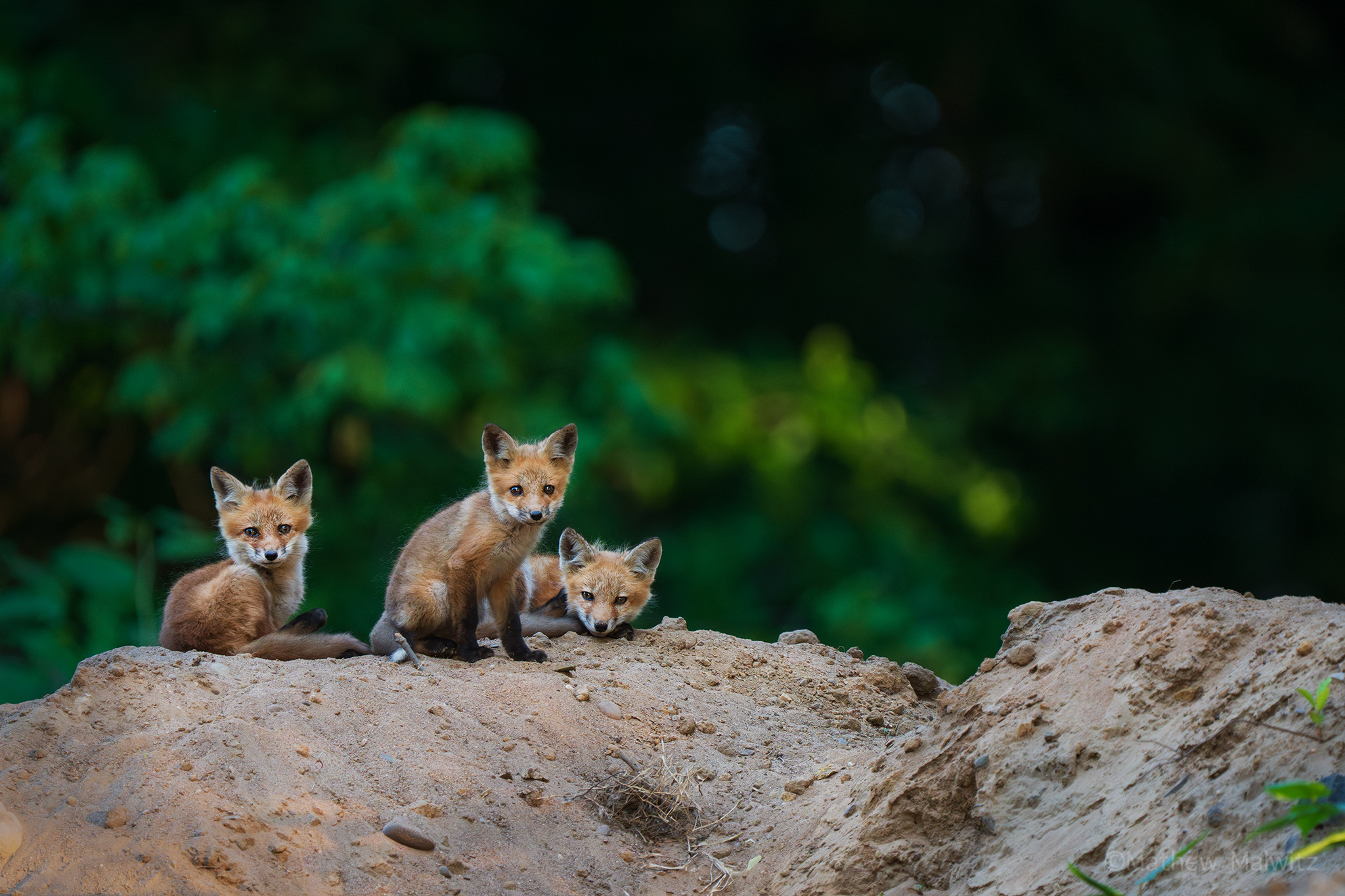
Now, let’s say you tell your closest friend with whom you share your deepest, darkest secrets. They may then do the same with one of their friends with whom they share their deepest secrets with, and so the cycle goes on until there are 50 people frequenting that patch. Soon enough, that nest which only saw a brief disturbance once a week now has daily interruptions which can, in the worst case, result in an adult pair abandoning a nest, or at least not returning the following year.
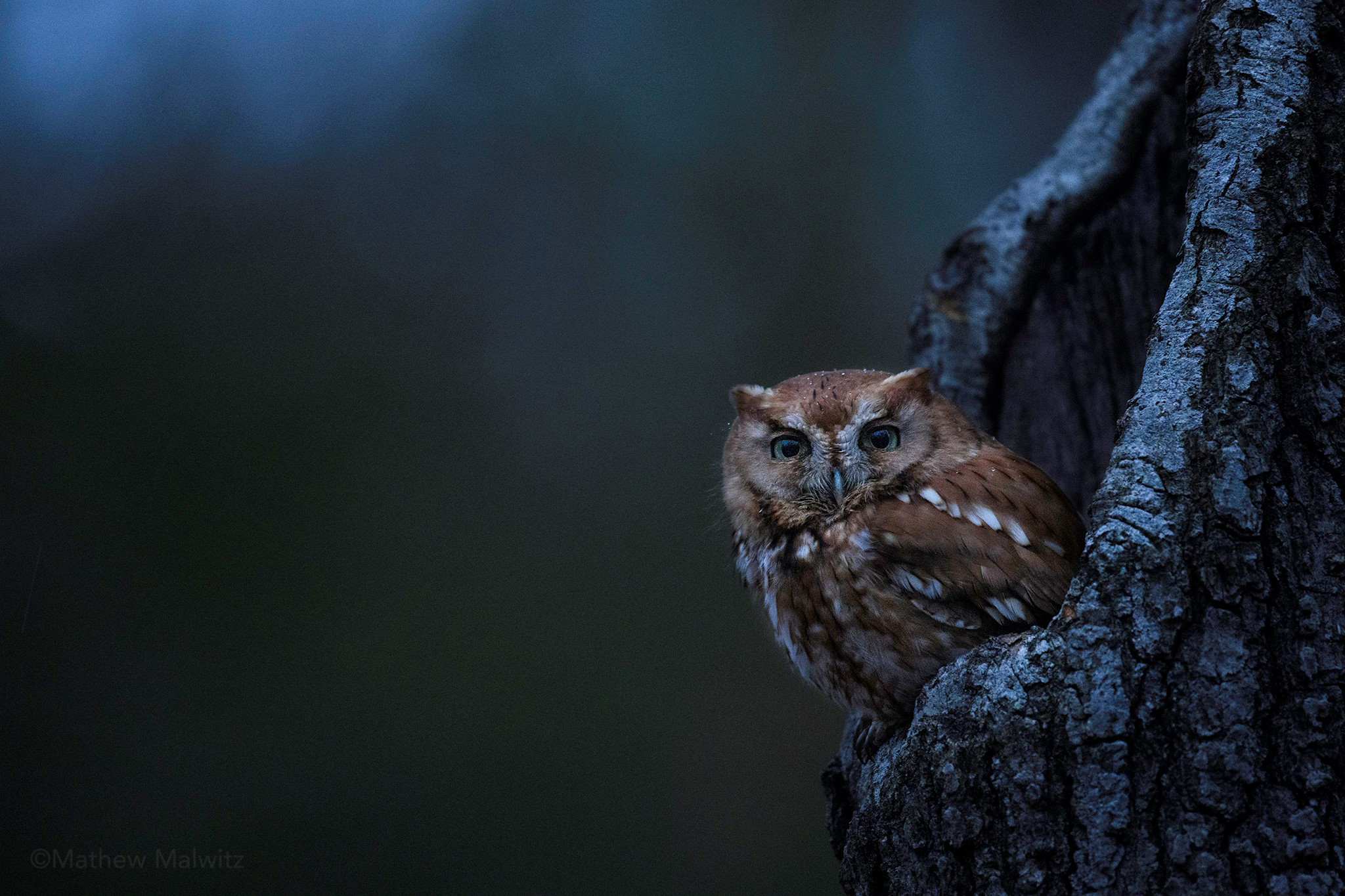
In my own experience, I can attest to the flaws in posting locations. I’ve inadvertently posted where I found birds early in my photography career but also have benefited from others being so reckless. A few years back, there was a popular red morph eastern screech owl in New Jersey. A photographer posted an image on social media with direct comments on how they would not be sharing locations. Moments later, I found their location report with the same image of that owl on a popular birding database. It was quite literally a five-minute drive from a relative’s house, so I figured, why not check it out.
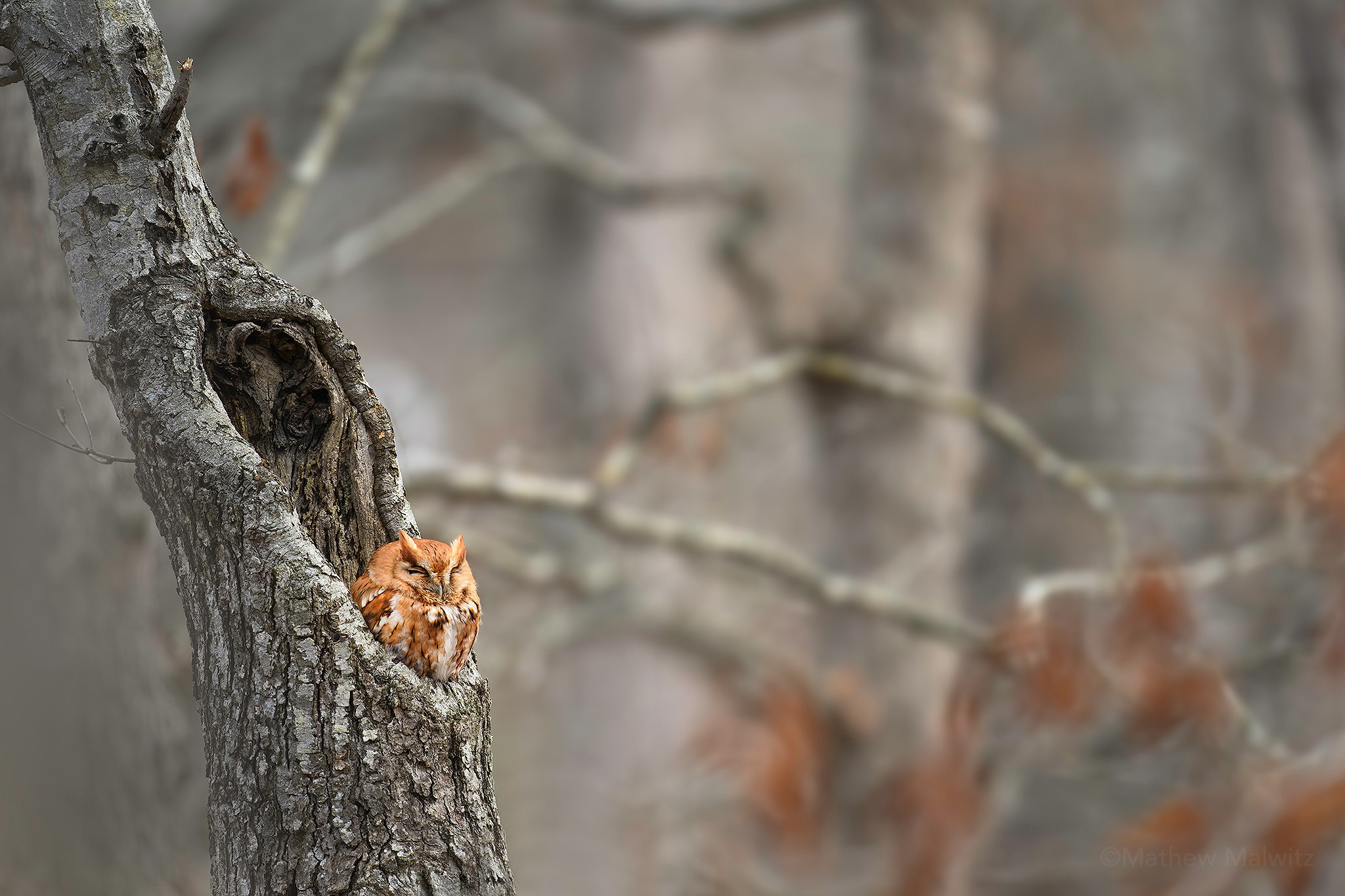
Unfortunately, I was not the only one who found this bird, and well before the post was even made, chatter had spread. Within a few weeks, the park became increasingly crowded, and individuals had begun harassing the bird, approaching the tree too closely and even kicking the base to get the owl to come out. The county eventually closed off the area, but the bird did not return the following winter.
Set an Example
Now for a hard truth. We’re all going to make mistakes from time to time, especially as we’re getting started. Hence why articles like this are necessary. What’s important to know is that each and every snowy owl, black bear, or chickadee you see is an individual with unique preferences and tolerances. Some subjects of the same species will be more tolerant than others as seen above, and some will be more skittish than others.
As we learn to better read behaviors, we’ll be better at making ethical calls. What’s important to note in the beginning is simple. Never push, never approach too close, and always keep both the subject’s safety and your own in mind. After all, the goal of wildlife photography is to capture and share views of the natural world in a way that showcases its beauty and inspires others to appreciate things typically unseen, all in an effort to preserve these things for future generations to appreciate.
All wildlife observation has some impact and is bound to disturb them to some extent, whether we startle a deer by stepping on a twig or draw birds out into the open by pishing. Even without these direct disturbances, our very presence alters animal behavior, but so long as we keep those disturbances brief and learn how to limit them in the future, we’re on the right path.
After all, it’s important to capture images of these species, as there are more threats to the natural world than ever before. Habitat loss, overdevelopment, feral cats, and climate change are key drivers behind population decline in so many species. If people can see these animals as you capture, it may create an appreciation or love for the natural world that wasn’t there before. In his 1997 article “The Problem with Wildlife Photography,” author and environmentalist Bill McKibbon wrote, “without Kodak, there’d be no Endangered Species Act.”
To learn more about wildlife photography or bird watching, check out our other guides, articles, videos, and podcasts on the B&H Explora page.
