Search results for: photography tips solutions choosing right paper your prints
About 8 filtered results
by Allan Weitz · Posted
For the longest time, comparing image quality between point-and-shoot cameras and full-frame cameras, or even APS-C format cameras, was a conversation you could have start to finish during the course of an elevator ride. Point-and-shoot cameras were convenient, but the detail and dynamic range of their smaller sensors never measured up to the detail and dynamic range you get from larger sensors. And then one day Sony introduced a new 1" format CMOS sensor, and BOOM! People started having second thoughts about slinging heavy camera bags over

Posted
Need help choosing the right paper for your portfolio or exhibition? If you want to achieve the best printing results, join Rocco Ancora in this video as he explains the necessary technical and artistic aspects to take into consideration.
0:00 - Introduction
2:27 - Let’s Talk About Printing
4:30 - Why Print Your Work?
10:59 - The Printing Process
16:08 - Considerations
18:30 - Paper Characteristics
19:23 - Paper Contrast
22:02 - Gamut
26:00 - Surface Texture
28:19 - Archival Considerations
30:54 - Base Color of the Paper
33:43 - Choosing the

by Cory Rice · Posted
In 1843, Anna Atkins made history when she bound her cyanotype impressions of algae into the first photographically illustrated book, Photographs of British Algae. A few months later, inventor of the salted paper print and acquaintance of Atkins, Henry Fox Talbot, published The Pencil of Nature, the first commercially

by Cory Rice · Posted
Photography is a social medium. For many of us, our cameras are a means of getting out of the house, exploring the world, and connecting with the people and places we encounter along the way. So, what's a photographer to do while confined to the home front for days on end? Here are some tips for staying inspired, productive, and creative that don't require leaving the house.
Make Portraits
Keep shooting! Family members, partners, and roommates can all make compelling subjects for portrait and documentary projects.

by Josh Taylor · Posted
Today’s digital cameras are capable of awesome imaging performance and they offer an unparalleled combination of convenience, efficiency, and cost effectiveness that has made them the dominant mode of image capture. Nevertheless, shooting black-and-white film, especially in medium format, is a fascinating and worthwhile experience that’s rewarding, fun, and can also go a long way toward making you a more thoughtful and effective digital photographer.

by Elizabeth Groeschen · Posted
It was October of 2012, and I was in the middle of a 40 km trek to remote Hmong and Khmu villages outside of Luang Prabang, in Northern Laos. I was two months into a fifteen-month trip around the world that I had been dreaming of for quite some time and planning for a year prior to my departure. I spent more time debating which camera system to bring than anything else. I forwent my film cameras for a DSLR with a few different lenses and a
/explora/tag/17526
by Allan Weitz · Posted
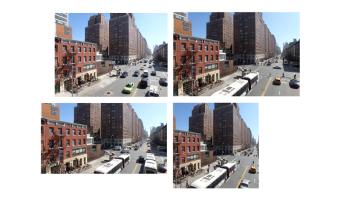
If you ask photographers what they consider important when choosing a camera, the aspect ratio of the sensor seldom enters the conversation. Megapixels? Yes. Sensor size? Yes. Burst rates? Yes. Aspect ratio? Seldom.
Aspect ratios are determined by the form factor of the camera’s imaging sensor, which among consumer cameras are typically 3:2 or 4:3 rectangles. And while photographers weigh the pluses and minuses of MFT, APS-C, and full-frame sensor formats, few photographers care about the actual shape of their camera sensors.
"Aspect ratios

by Allan Weitz · Posted
Sometimes, the phrases, acronyms and strings of numbers or number-letter combinations used to identify photographic hardware or techniques can be daunting to the uninitiated neophyte photographer.
We've prepared a list of the basic terms. Have we left any out that you think should be added? Please let us know!
0-9 | A | B | C | D | E | F | G | H | I |