Exposure Modes

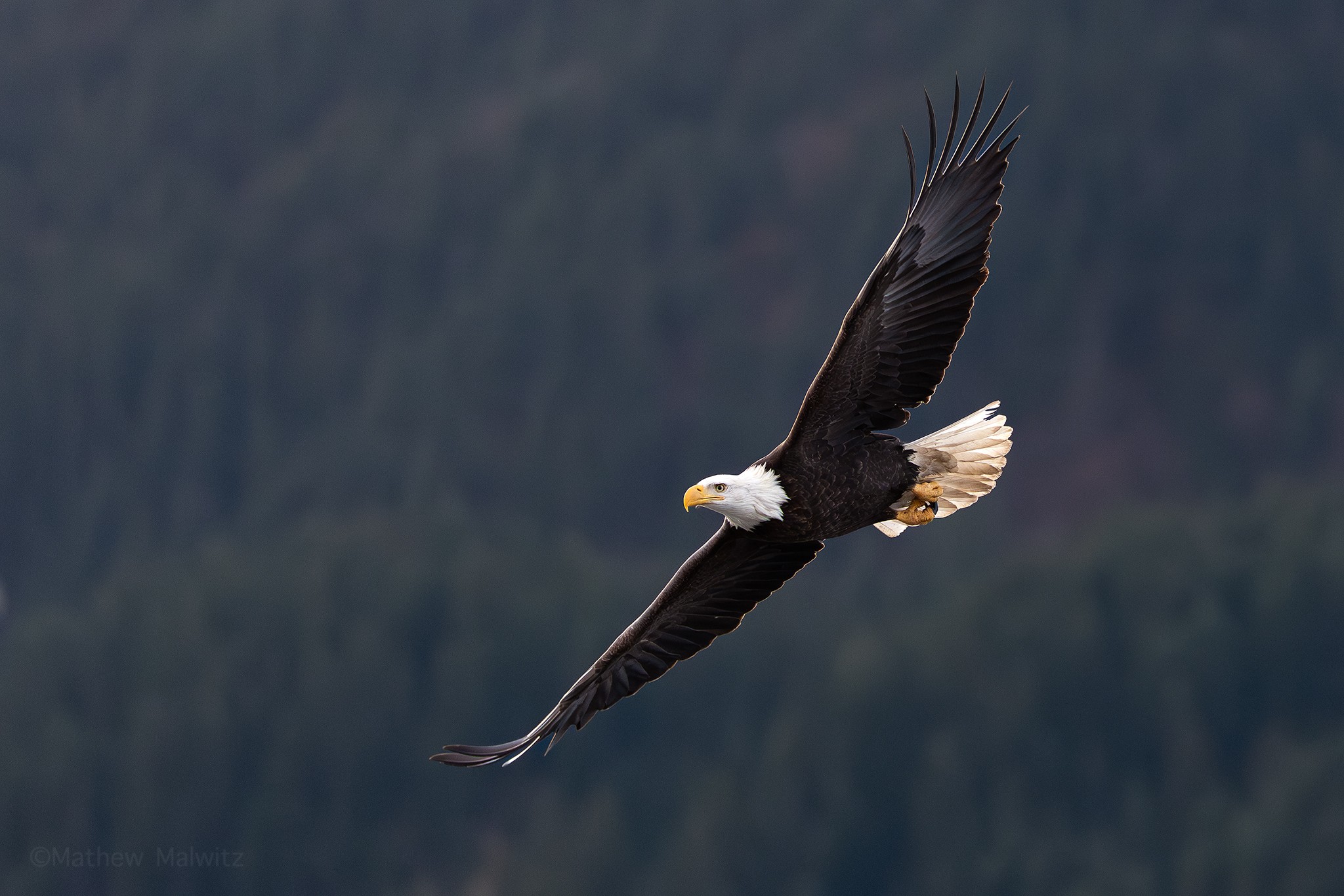
The bald eagle, one of the most regal birds of prey, has a secret. It’s notably one of the most difficult subjects to expose for. If we trust the camera in an automatic mode, we’re likely to get either an overly bright head, or a body that’s too dark in shadow to see. The only reliable way to capture good exposures of these birds is to expose to the right.
Mathew Malwitz
This technique is as useful as it is controversial,

Exposure can be challenging to master. There are many moving parts, and knowing which settings affect what aspect of our image takes time and practice. The goal might be to take full control and use manual exposure mode, but first, we need to learn the ropes using auto exposure modes.
These modes let us use our camera with a little help. As covered in our introduction to exposure article, photography consists of

0 Views ·Posted
Photography is the process of capturing light to create an image. So, you guessed it, Part 3 is all about lighting. Derek covers natural vs. artificial light, how to use shadows and highlights creatively, and how to properly expose your camera.
0:00 - Intro
1:05 - Hard light vs. Soft light
16:07 - Light direction
40:13 - Light quantity
43:39 - Light exposure
1:04:01 - Image breakdown—camera settings
1:34:07 - TLDR
1:38:11 - Audience guesses the camera settings
1:58:16 - Closing
by Brian Zwiebel ·Posted
The technological advancements in photography could hardly be imagined by photographers using slow film with manual focus, non-stabilized lenses just 20 years ago. Go back further and cameras did not even have built-in meters. Photographers had to use an incident meter to determine a proper exposure, then dial-in the settings manually. Everyone had to know how to use manual mode!
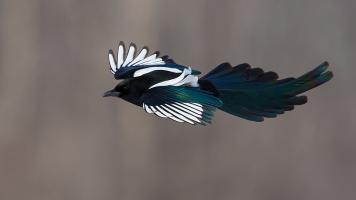
Above image: Black-billed Magpie; manual mode; 1/2000 second; f/8; ISO 800
The above image was the ultimate exposure challenge. A high-contrast bird was flying in