Search results for: video lighting a beginners guide to video lighting
About 16 filtered results
by Mathew Malwitz · Posted
Lighting is the key to all photography. While elaborate, multi-light setups may appear to be the standard, the creative photographer can produce a seemingly endless range of images using just one light source. This guide is designed to help those beginners out there build the perfect one-light kit for portrait photography.
Why One Light?
I completely understand why multi-light “studio in a box” kits are tempting to beginner and budget-conscience photographers. Why spend hundreds of dollars on one light when you can get three lights complete

by Shawn C. Steiner · Posted
After you pick up your first speedlight, strobe, or LED panel, the best investment you can make is in some modifiers. These are tools that shape and alter the intensity of our light source. Modifiers come in all shapes and sizes based on the type of light you plan to use them on, which can make it difficult to pick one out if you are new to photography. Since each modifier comes with its own distinct look and ideal use, here is a

by Rebecca Melville · Posted
Shopping for lighting solutions can be overwhelming, even if you are a professional photographer with decades of experience. Sometimes it’s easier to cut right to the chase with a kit that has everything you need―whether that’s multiple fixtures, bundled accessories, or even just a good carrying case. We have compiled our top flash and continuous lighting kits you should consider for your own creative workflow.
Flash Lighting
Flash lighting,

by Darrell Holdaway · Posted
There is a first time for everything, and if you have your mind set on producing a wedding video, you will encounter plenty of “firsts” during that initial wedding weekend. There is a first kiss, a first dance, and a first slice of cake. Where will you have your cameras set up for each of these memorable moments? Will you need lights for every shot? How will you manage the audio? When the bride says “I do,” you will want everything in place to ensure that you capture every word and angle. This guide will address equipment needs, event
by Cory Rice · Posted
One of the leading trends in digital cameras over the past few years has been the development of advanced video capabilities in mirrorless and DSLR cameras. Features that could once only be found in costly cinema cameras now come standard in still cameras targeted toward hybrid photo-video content creators. Accompanying the interest in cameras able to create high-quality stills and videos has come a demand for lights that can be used for both purposes.
While on-camera flashes and strobes have long been the standard for photographers, the short

by Shawn C. Steiner · Posted
Smartphone photography is getting better and better each year. It’s now possible to create usable images in near pitch black and capture stunning photos of the night sky. I would advise you not to do that, at least not all the time. Dedicated smartphone photographers know this and go hunting for the best possible light for their photographs. I’m here to tell you that you no longer have to rely on available light to get a great smartphone shot, there are plenty of new lighting tools available, developed exclusively for smartphones.
Compact LED

by Jill Waterman · Posted
Instead of an apron, food photographer Joanie Simon wears many hats—commercial and editorial imagemaker, recipe developer, photo educator, Blogger, YouTube Influencer, Livestreamer, and content creator extraordinaire. For more than a dozen years, Simon has built her brand into a powerhouse of creative content and learning, to whet the appetites of both foodies and photographers alike. Her straightforward approach to this specialized field is of value to shutterbugs at all levels of experience, from beginners on cell phones to experienced pros.

by Ronald Francis · Posted
The Canon EOS C70 Cinema Camera, with Canon’s recently developed RF lens mount, is designed with a comprehensive feature set suitable for virtually all types of projects and venues, notably the online education market.
Canon EOS C70
Its features include Dual Gain Output (DGO), auto ISO and auto gain, unlimited recording, vertical
by Shawn C. Steiner · Posted
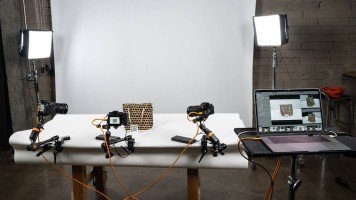
At its most basic, tethered shooting involves connecting your camera, wired or wirelessly, to your computer as you shoot. You’ve likely seen it in some behind-the-scenes video for a professional studio shoot, or you just have a friend who swears it’s the best thing since sliced bread. Tethering is a shooting technique that can benefit many a photographer’s workflow significantly, though upon first hearing of it, the idea of tethering can be something that first requires a bit of education. Hopefully, this introduction will help get you started

by J. Carlos Perez and Shawn C. Steiner · Posted
Congrats on starting film school! Your first day of classes is around the corner and you are probably already trying to figure out what equipment you’ll need to get started. Fortunately, most programs have many important tools available for students—namely big stuff such as camcorders and lights. Still, there are accessories, expendables, and other pieces of gear that you’ll want to have on hand or own yourself. So what exactly do you need to be prepared for film school? Luckily, not all that much.
What camera do I need?
To get started, you

by Jennifer Hahn · Posted
Congratulations! Your project includes a scene using chroma key and you've just recorded your green screen footage. Or did you use blue screen? Or maybe even a white background? Your next challenge is finding the right software tools to edit your footage in post-production so your final scene doesn't look like the weatherperson on public access TV. The basic process is to import your green screen footage into software with chroma key tools, to apply a key (remove the green) to the background, leaving your subject completely free of the green

by Steven Gladstone · Posted
Green screen compositing today is ridiculously easy compared to days gone by. Years ago, when shooting and finishing on motion picture film, one had to shoot the subject against a green screen, then create film mattes, and combine it all using an optical printer. Generation loss, contrast shifts, and registration problems were the bane of the filmmaker. This doesn’t even begin to encompass all the other problems, such as matte lines, elements that drift out of alignment, transparency issues, and garbage mattes. The introduction of high

by Christopher Witt · Posted
From personal experience, whenever I try to describe to someone who’s never seen what the rings of Saturn look like through a telescope or how a sunspot moves and changes shape as it transits the chromosphere over the course of weekend, there is definitely something lost in the telling. Wouldn’t it be great if even a novice astronomer with just some basic gear and knowledge could capture their own images of heavenly bodies to post on social media or (to go old-school) print them and hang on a wall?
Well, wish no more, dear reader! We live in
by Shawn C. Steiner · Posted
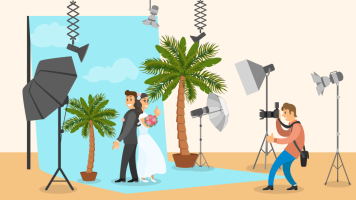
One of the best upgrades anyone can make to their photography gear is in the lighting department. Getting your first or, even, extra lights can transform your images in countless ways. It is also a great way to learn more about photography and expand your capabilities. Here is a quick list of seven lighting kits with options, for absolute beginners to seasoned professionals.
Bolt VD-410 Manual Flash, Times Two!
Absolute beginners don’t need much more than a speedlight to start experimenting with light. One of the most practical for them is one

by Justin Dise · Posted
Vlogging—or video blogging—is becoming more popular by the day, with seemingly everyone seeking to become the next YouTube sensation. You may be thinking that with the right subject matter and your winning personality, stardom is right around the corner. And who knows—maybe it is! But if you’re really going to give it a go, then you’re going to need a few essential pieces of gear to get your vlogging career up and running, and looking good. I mean, let’s face it: viewers are brutal. Bad audio? Dislike! Lousy video quality? Double dislike! So