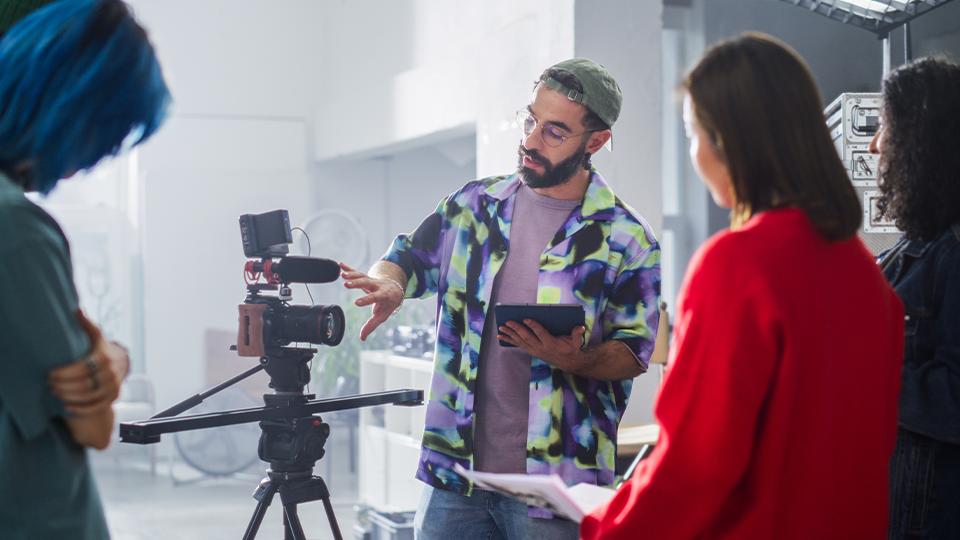
Many moons ago, when the economy was unstable and layoffs were rampant, this author decided to switch careers to pursue filmmaking. With a new perspective and energy, but without any guidance, knowledge, or tools, going back to school for digital filmmaking was a no-brainer. The aim was to tell real stories in documentary form, and it became a challenging but ultimately rewarding adventure.
Tips for Starting Out
If you’re just starting out at the dawn of your student career, or find yourself older and wiser looking for a change, and you want to make documentaries– how do you begin? For the younger folks, your school will be the place to borrow most of your gear and use your classes and experiences on campus as a starting point. Start looking at doc formats: feature-length films, social-media reels, or corporate/non-profit shorts. Choose styles that fit your stories: talking heads, freeform, stock footage, or b-roll with narration. Go to seminars, borrow gear from film collectives, get feedback from focus groups, watch instructional videos, and most important of all—watch documentaries. As many as possible.
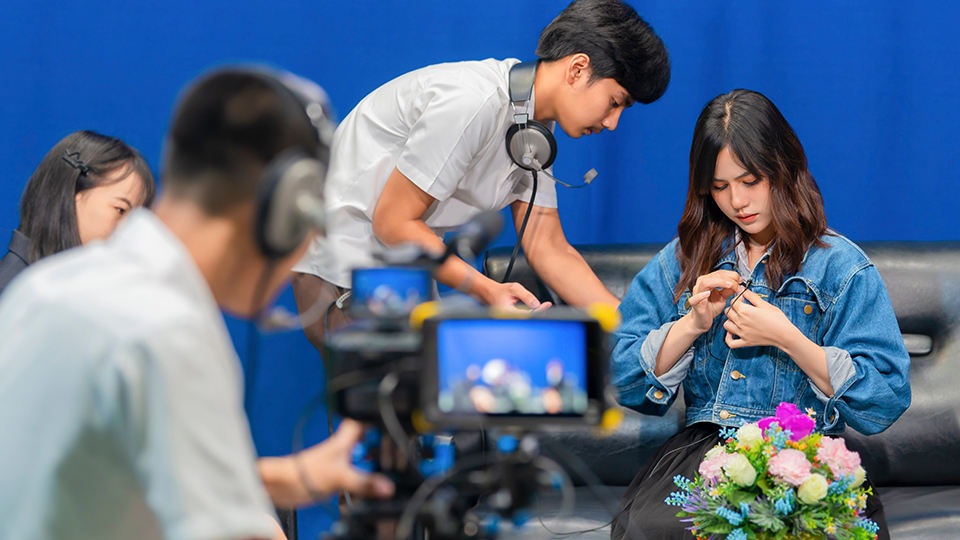
For more life-experienced folks who are returning to school, you may need to consider supplementing the school-provided gear, investing in your own kit and finding gigs while taking classes.
Putting Together a Kit
Ideally you’ll put together a small, mobile complete kit that allows you to pivot, ensuring your subjects are lit properly, shot expertly, and that your audio is crystal clear (your film professors will—and should—tell you that clean audio is paramount in a documentary). A core kit will help you to be nimble moving from gig to gig. Always keep in mind that while documentary work is not something to pursue for fame and fortune, making a living should always be on your mind.
Camera(s)
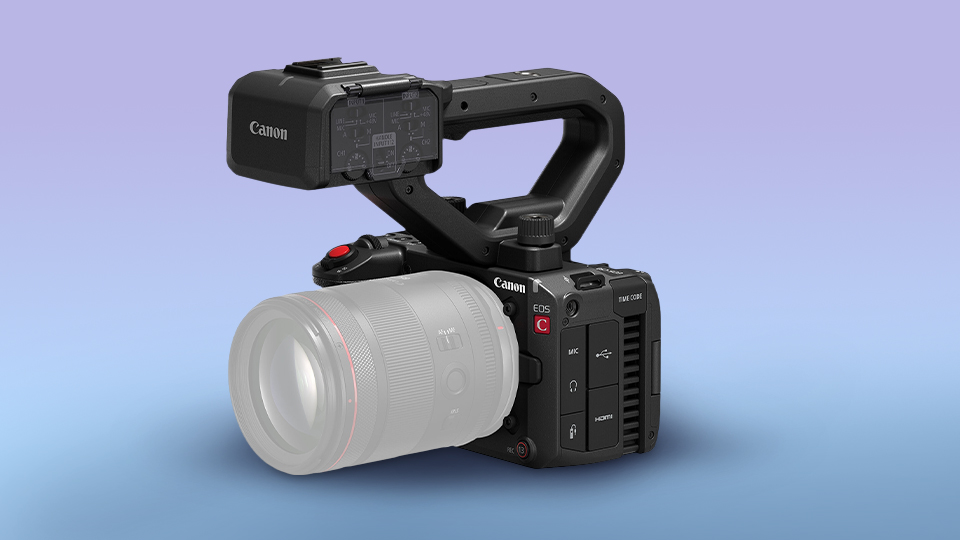
Your camera will take the most research. If you are doing basic work and prefer an all-in one solution, a camcorder may be all you need. But if you’re looking for more style, depth of field, and drama, a compact cinema camera may be your choice—but you’ll have to purchase lenses too, which can get pricey and complicated. Audio and video recording all in one package can be advantageous, so kits like the Canon C50 or Sony FX30 with an XLR handle are nice solutions. Mirrorless cameras are versatile, shoot great video, and allow you to capture high-resolution stills that can add production value, but audio support is usually lacking, requiring external recording gear. Pro Tip: If you’re looking to find quick work, choose a camera that producers are hiring for to match in multi-camera productions, such as corporate shoots, events, or weddings.
B-Camera
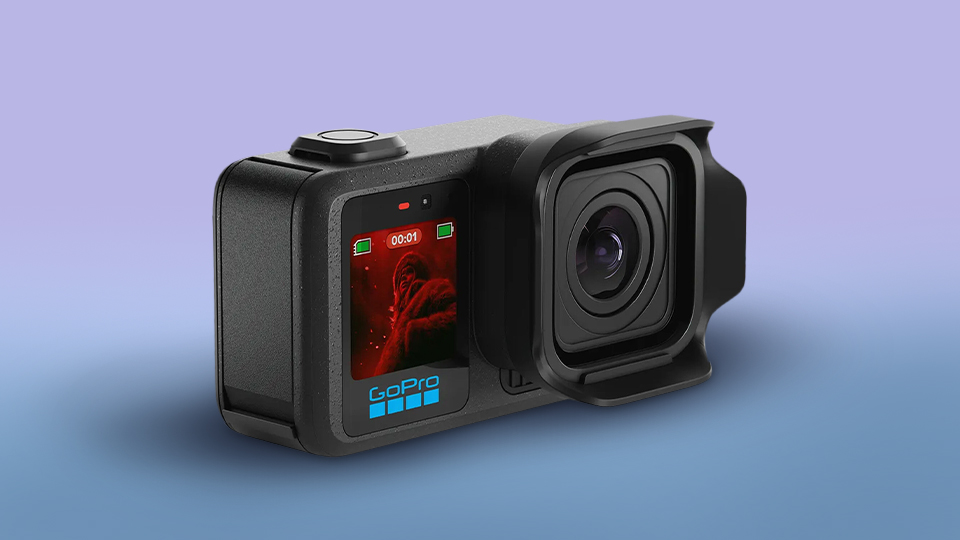
With so many compact cameras shooting 4K, 6K, and even 8K, it’s easy to crop an image for a second angle, but there’s nothing like a multi-camera shoot with matching cameras for more choices in the editing room. If you can’t manage two of the same camera, your smartphone can come in handy, or a mobile camera such as the Insta360 Luna Ultra or GoPro MISSION 1 PRO can help with motion, creative b-roll, and shooting in tight spaces.
Tripods and Rigs
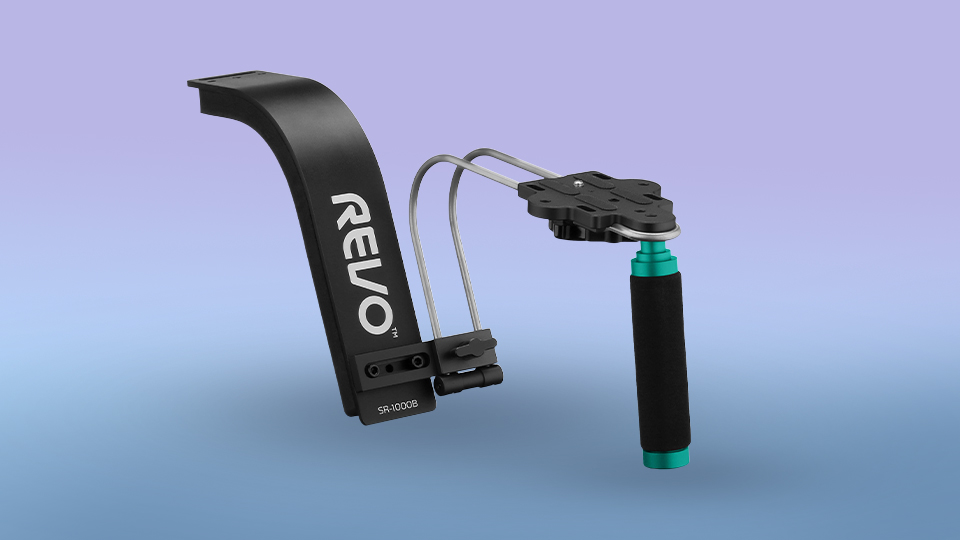
It’s important to keep in mind how heavy a tripod can make your pack—especially with multicamera shoots. Sturdy but lightweight is the goal. Handheld rigs and gimbals (to keep that footage steady) are also essential for docs, and your research might require a trip to a store to try them out. Documentaries can have you climbing ladders or mountains, swimming underwater, and capturing aerial or vehicle shots, so make sure you can keep up without your rig weighing you down.
3-Point Lighting
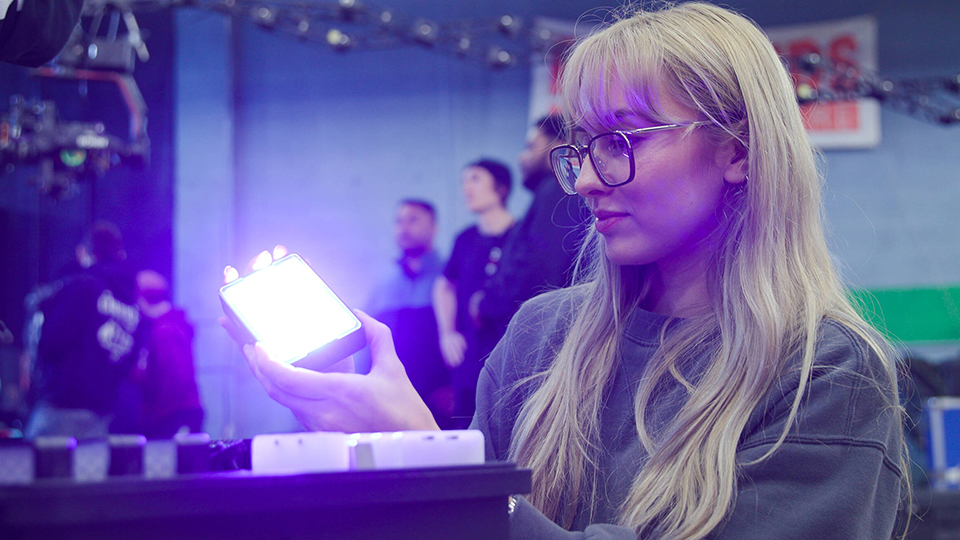
A mobile light kit is essential for interview lighting, and LED kits like the Aputure MC 4-Light Travel Kit or the Godox LED Kit with stands offer multiple compact lights. Don’t forget extra light stands and an adjustable camera mount for run-and-gun shoots.
Clean Sound
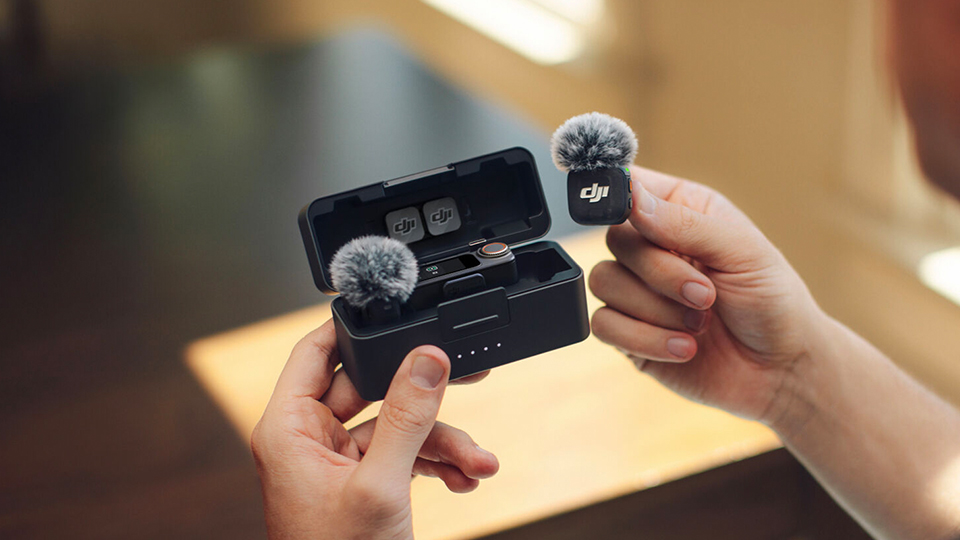
For gathering location audio or backup interview audio, an on-camera shotgun mic such as the Joby Wavo PLUS or RODE VideoMic can be lightweight and portable. If you’re looking for even cleaner sound with attractive tone and definition and to filter out even more noise, the Sennheiser MKE 600 is a great condenser shotgun for location shoots because you can power it with a battery without draining your camera using phantom power. For interviews, lavalier mics are ideal for close-up sound, and wireless systems like the RODE Wireless GO II, Sennheiser EW 112P, or DJI Mic make it easy to clip a mic onto your subjects quickly. Systems that have multiple frequencies or automatic frequency hopping are a must, because you will likely end up in crowded locations where interference can be an issue.
Monitor
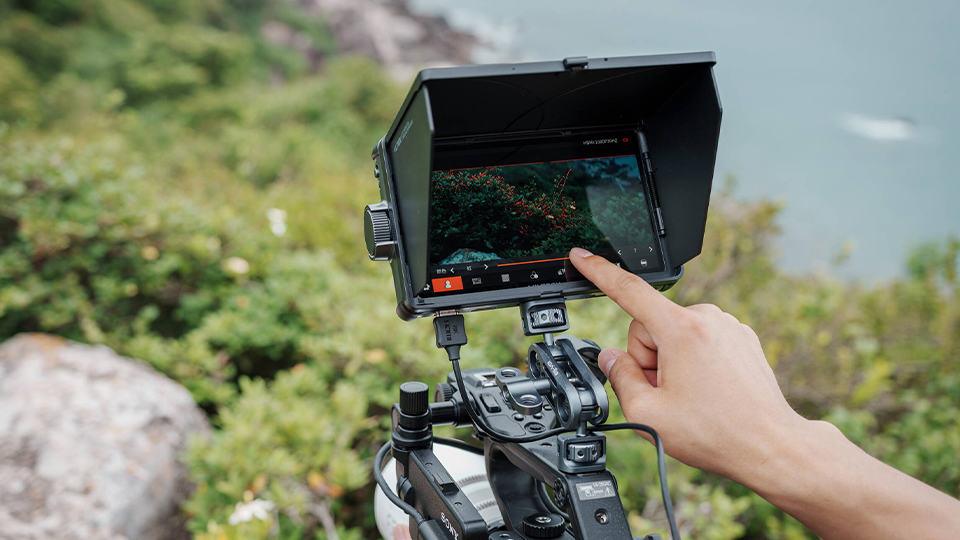
Using a monitor in addition to the camera’s EVF enhances clear framing and focusing, especially when working with crew and a director. Monitors like the 5” Atomos Shinobi II and 7” Viltrox DC-A1 are great compact additions to an HDMI camera with bright screens and image exposure features.
Accessories
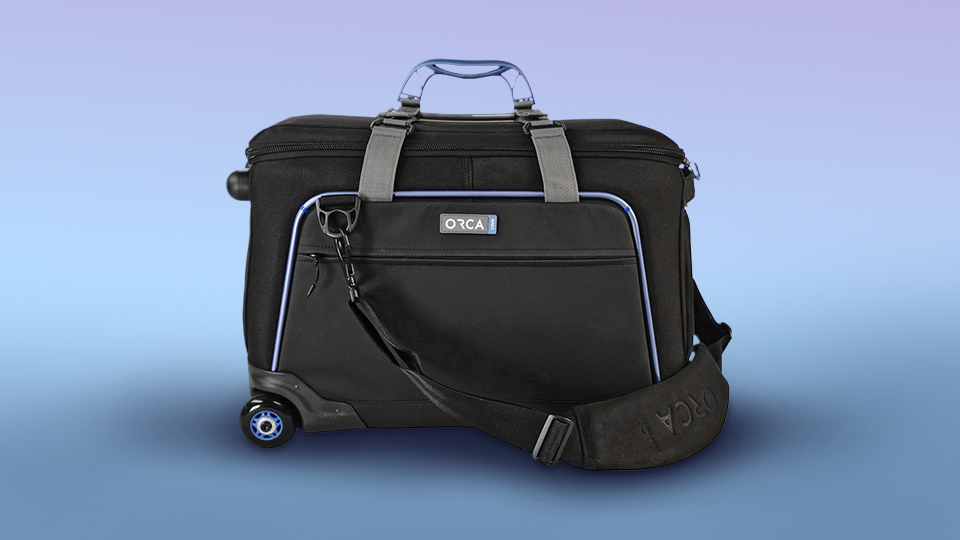
Grab a great camera bag and/or travel case and pack your kit with necessary accessories and grip gear, and don’t forget to replenish your consumables. Grab gloves (for handling hot lights), ample recording media, reflectors, gaffer tape, extra batteries, and any other items you may need.
The Student Advantage
Putting together a kit can be a lot, so take advantage of that student ID. B&H has a student program that can help you put together a great basic documentary package and may even get you deals on student versions of otherwise unaffordable software if you can’t get enough editing lab time at school.
Storytelling and Post
First thing after a shoot: backup your footage. Then back it up again. Then you’ll have to put together a story from all those hours of footage. Which editing software to use is not the most important, but finding the right one to suit your budget is. Think about how you’ll keep track of the footage, organize, transcribe, and label everything so you can find clips quickly and start assembling your story. Even if you have an idea, don’t worry if the central thread isn’t crystal clear when you start, and don’t be afraid to head back out to shoot another interview or two to create a solid narrative.
Keep Moving
Keep yourself fresh and learn the basics of your gear and the craft: grab shoots with classmates and friends; try out all positions doing audio, video, editing, grip; practice professional production discipline rather than just shooting with your smartphone. Practice interviewing people –start with your family and friends, come up with thoughtful questions, and learn how to listen when the subject is answering to ask thoughtful follow-up questions (this is harder than it sounds).
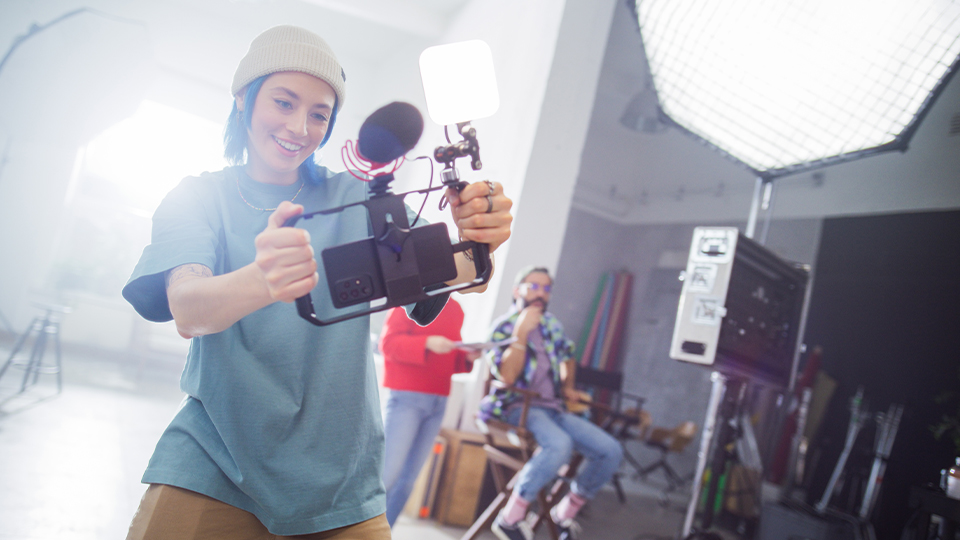
The smartphone is a valuable tool for B-roll, standup interviews, and quick takes, but learning to work as a crew is paramount. If possible, find work as a PA (production assistant) or intern on larger productions, learn the trade from the experts, and don’t be late.
