Consumer Video Cameras


Canon PowerShot V10 Vlog Camera (Silver)
- For Vlogging and Live Streaming
- 20.9MP 1" CMOS Sensor
- UHD 4K up to 29.97 fps
- Full HD up to 59.94 fps
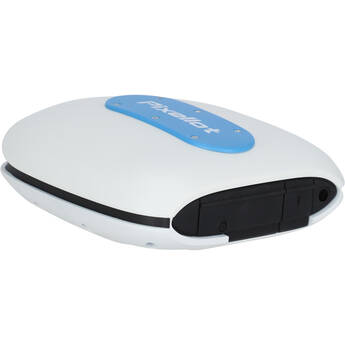
Pixellot Air NXT Portable Tracking Camera
- Lightweight Video Tracking Camera
- Dual 4K 12MP Camera Array
- Capture Wide-Angle Action
- Immersive Digital Stereo Audio
Minolta MN4K25NV UHD 4K IR Night Vision Camcorder (Blue)
- 13MP CMOS Sensor
- Capture up to UHD Video, 30MP Photos
- 35' IR Illumination in Video and Stills
- Tiltable 3" Touchscreen LCD
AgfaPhoto Realimove CC4000W Waterproof Camcorder
- Captures 4K Video, 24MP Stills
- Waterproof to 16'
- 18x Digital Zoom
- Articulating 3" Touchscreen LCD Screen
Minolta MN5KGP1 UHD 5K Handheld Pocket Camcorder with Motorized Tilting Lens Head
- Records in UHD 5K
- 8MP Starvis 1/2.5" CMOS Sensor
- 16x Digital Zoom
- Integrated 3.5" IPS Touchscreen LCD
Minolta MN4K100Z UHD 4K Camcorder with 10x Optical Zoom (Black)
- Capture up to UHD 4K Video, 28MP Photos
- Tiltable 3" Touchscreen LCD
- 10x Optical, 36x Digital Zoom
- Anti-Shake Image Stabilization
NearStream VM33 2K Wireless Streaming Camera
- Stream Video up to 1080p HD & 1440p QHD
- USB-C Output, microSD Card Slot
- 8 MEMS Mic Array + 3.5mm Audio Input
- 40x Hybrid Zoom, 5MP CMOS Sensor
Logitech Mevo Start Live Streaming Camera for Business
- Stream and/or Record up to 1080p30
- 3-Mic Array + External Audio Support
- Controlled via Live Production Mevo App
- 6-Hour Battery; NDI-Enabled Video Output
Sony HDR-CX405 HD Handycam
- Full HD Video / 9.2MP Stills
- Exmor R CMOS sensor
- Bionz X Processor
- Zeiss 30x Optical Zoom Lens
NearStream VM20 Pro True 4K Streaming Camera
- Stream up to UHD 4K30 Video
- 10x Optical Zoom, 50MP CMOS Sensor
- HDMI, USB-C & Ethernet Streaming Output
- 8 MEMS Mic Array + 3.5mm Audio Input
MiNE Media A5 4K Streaming Camera with 4G Bonding
- UHD 4K30 Video Capture
- Output via Micro-HDMI & USB-A
- 1/2.8" CMOS Sensor, 1.98mm Focal Length
- 4G LTE Bonding with 2 SIM Slots, Wi-Fi
Logitech Mevo Start Live Streaming Camera for Business (3-Pack)
- Stream and/or Record up to 1080p30
- Three-Mic Array + External Audio Support
- Controlled via Live Production Mevo App
- 6-Hour Battery; NDI-Enabled Video Output
Selecting Camcorders/Video Cameras
Although DSLRs and smartphones capture video, few have the all-round capabilities of video recording cameras, which have the primary function of video recording. As technology has evolved, video recording abilities have improved; the size of camcorders is now at the point where consumer models are small, lightweight, easy to handle, and capable of stunning results.
How Video Cameras Work
Digital video cameras record motion and sound to produce movies. Camcorders use either CCD (charge coupled device) or CMOS (complementary metal oxide semiconductor) sensors to capture action and convert this information into a digital signal. The number of sensor pixels determines the camcorder's definition, while the size of the sensor affects its low-light sensitivity. Camcorders use digital viewfinders and LCD screens for monitoring filming. Data records to some form of memory for later downloading, editing, and viewing on computers or televisions.
Differences Between Standard, HD, and Ultra HD Camcorders
Early digital camcorders worked to the NTSC SD standard based on a resolution of 720 x 480 pixels, with a 4:3 aspect ratio. While still available, this isn't common, but has the advantage of smaller files that are easy to process and upload to the internet.
Full HD video cameras have a 16:9 aspect ratio and 1920 x 1080 pixels, identified as 1080i or 1080p. The difference is that 1080i signals are interpolated while 1080p aren't, but the latter offers slightly better definition. HD camcorders can film at 1280 x 720 pixels (720p) to reduce file size with minimal loss of definition.
Professional camcorders have ultra HD capability (4K) and produce the best results with a 3840 x 2160 pixel capability.
Recording Medium for Consumer Digital Video Cameras
Digital camcorders use various ways to record data, ranging from digital video tape to hard drives and flash memory. Many camcorders have some built-in storage capability, while others use removable media such as SD cards and memory sticks. When filming in HD and UHD, most manufacturers recommend fast SDHC and SDHX type cards. Some use CF cards and SxS express cards commonly found on used pro and prosumer camcorders.
Features of Consumer Video Camcorders
The range of features built into consumer camcorders is a major reason why they're so popular, and these include:
- Standard zoom lenses with high levels of magnification
- Variable frame rates, including 24, 30, and 60 fps, and slow-motion capabilities
- Robust action cameras and accessories for extreme sports
- Optical stabilization to reduce camera shake
- Several video-encoding options
- Range of finishes, such as a black or white camcorder
- NTSC and PAL options
- Good low-light sensitivity
While some DSLRs have similar capabilities, few are as compact and usable for video filming as dedicated camcorders that have the ability to get close to the action.
B&H Photo and Video stocks a comprehensive selection of consumer HD video cameras, as well as a wide array of related accessories. Take advantage of its stock whether you film on a daily basis or plan some casual vacation recording.