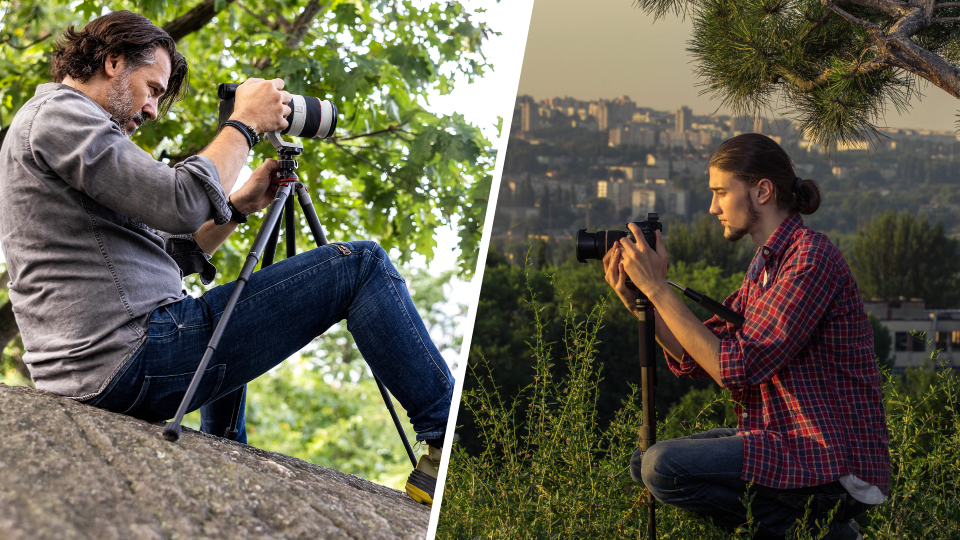
Cameras and lenses can be stowed away in a backpack, a sling, or even a fanny pack. But what about tripods and monopods? Those get a bit more complicated to haul around. Yet even the most steady-handed among us can attest to their usefulness in a ton of shooting situations, especially when using a long lens. Sure, a tripod offers more stability and allows you to step away from the camera, but a monopod typically weighs less, takes up less space, and still helps get rock-solid shots. What are the biggest factors you should consider when deciding which one to take on your next shoot? Read on for our advice.
Load Capacity
The term here has a double meaning, as it's important to consider the load capacity of your tripod / monopod as well as the load capacity of your body if you're going to be the one carrying the equipment around. Monopods typically weigh less than tripods and can be more easily strapped to backpacks and other bags. Their camera load capacity is often lower than a tripod though, at least when used with a fluid or ball head, an addition that's recommended for easier positioning adjustments. The Sirui P-325FS carbon fiber monopod is a great option for not too much money, but tops out at 6.6 lb. Spend a little more on the Manfrotto MVMXPRO500US XPRO aluminum monopod and it can support up to 17.6 lb.

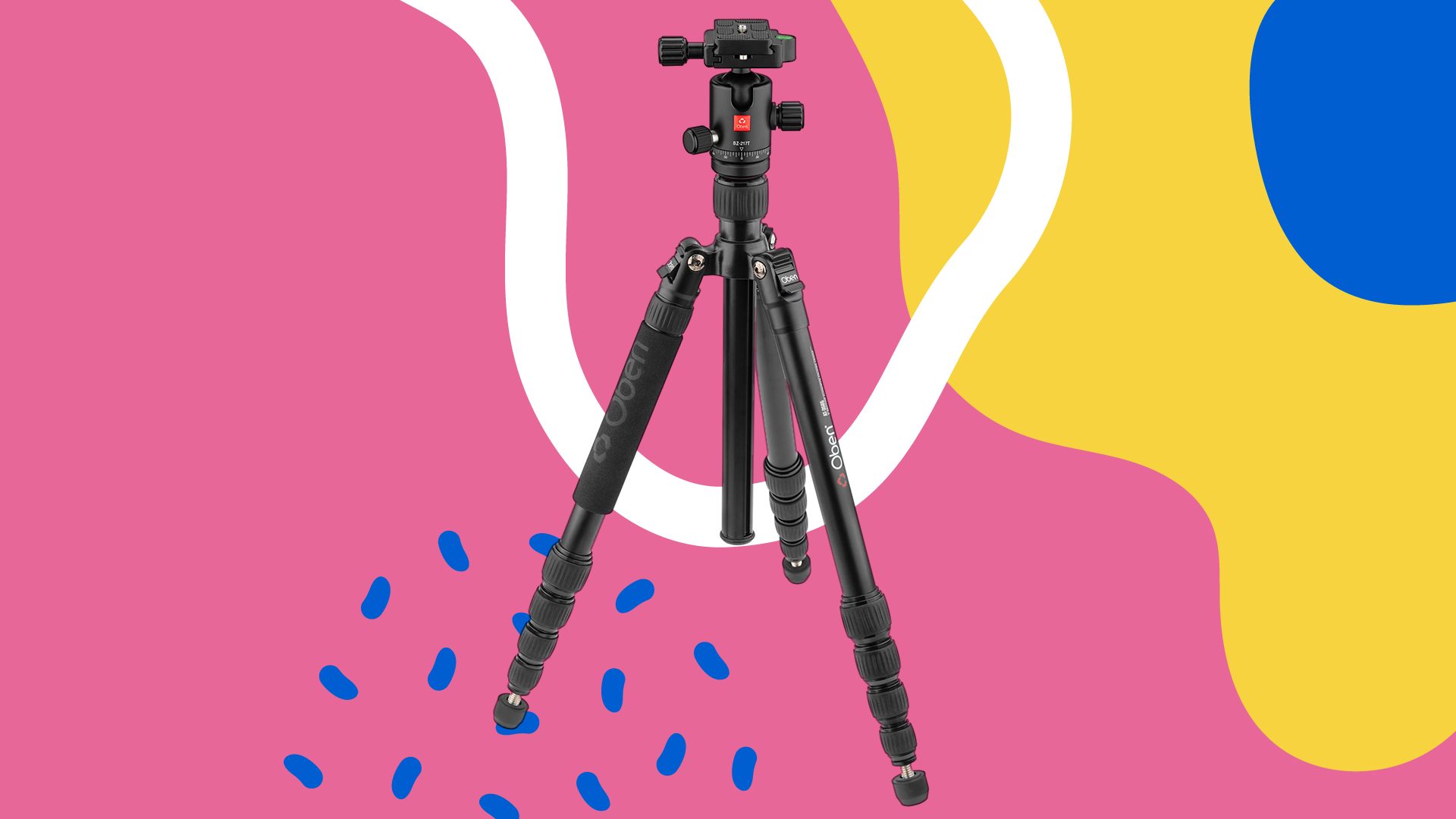
With tripods, a 17.6 lb load capacity is pretty standard, even in lower priced options, though the Oben AT-3565 aluminum travel tripod with the BZ-217T head is notable for its 20 lb load capacity and lightweight build. If you're using longer telephoto lenses, especially ones that extend outward, you want to make sure your tripod or monopod's load capacity far exceeds the weight of your camera rig, as your rig will likely be extremely front heavy. If your lens has a foot that can attach to your tripod or monopod, that can solve this issue.
Material / Weight
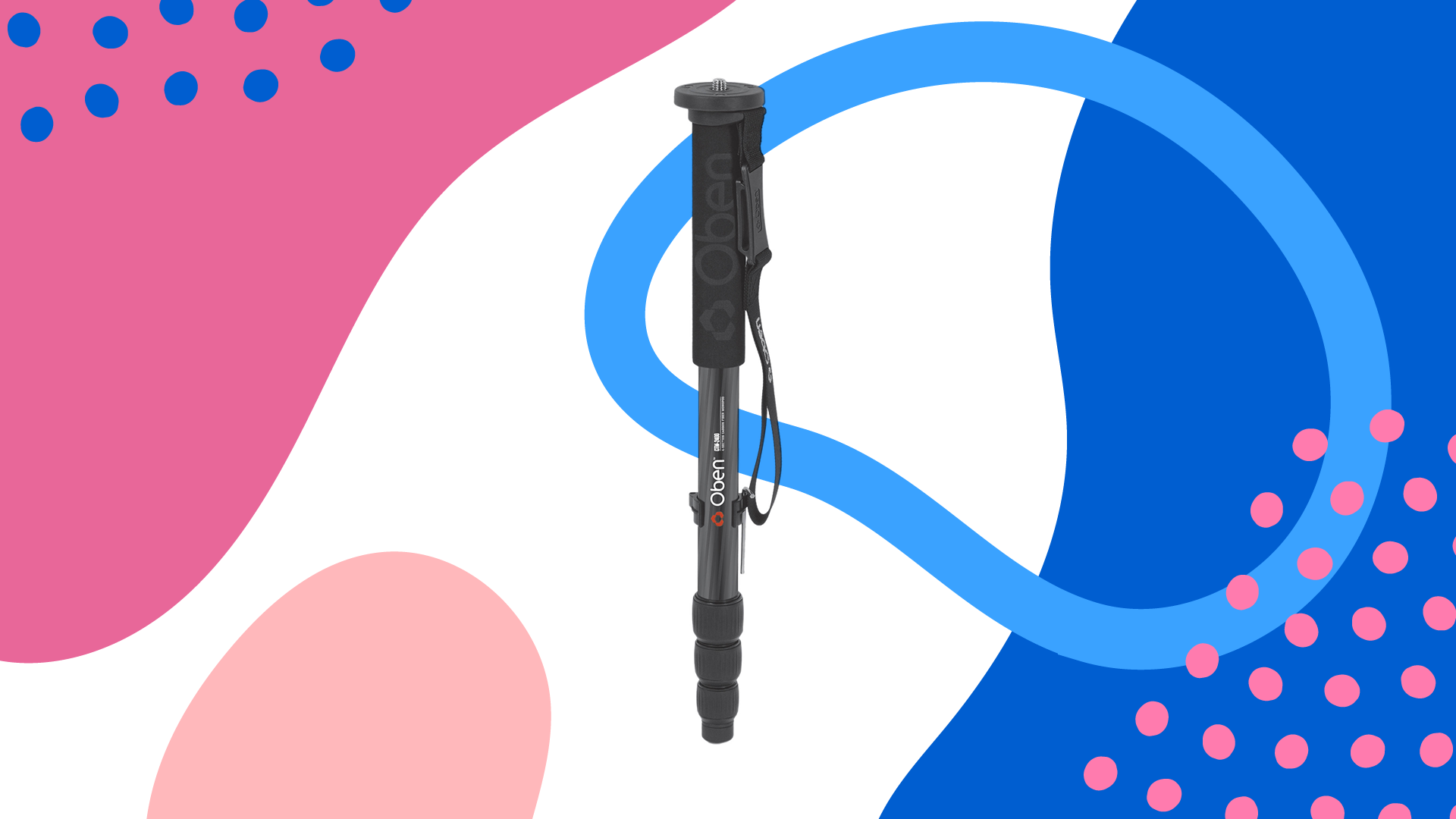
Scan the most popular options for tripods or monopods and you'll see a lot of carbon fiber, as that material's lightweight yet durable build can be a huge asset. But that asset comes at a financial cost, and aluminum tripods can still hold up well, not adding too much weight to your overall kit. If you're focused on going super light, consider carbon fiber monopods without a head like the Oben CTM-2400 or the Sirui P-326, as both weigh less than a pound. On the tripod end, the Oben CQL-13 and Velbon M43 are both quality options that come in at less than two pounds. The Velbon M43 is made of aluminum and only has a load capacity of 4.4 lb, but that's why it's so friendly on the wallet and the arms.
Maximum Height
Height can be a major deciding factor, as many monopods can get very tall—up to 80"—but won't have nearly as much stability at that height as a good tripod. If you are using monopods at their maximum length, make sure you never take your hands off the camera and stay aware of nearby hazards. It's still important to be aware when using a tripod, but you can breathe a bit easier. The SmallRig CT-20 is a great budget-friendly tripod that can still go up to 79" and has a hook on the center column to weight it down and further stabilize it. If you want to go up to 95" and stay solid as a rock, it's time to drop the big bucks and consider the Manfrotto 028B Triman tripod.
Closed Length
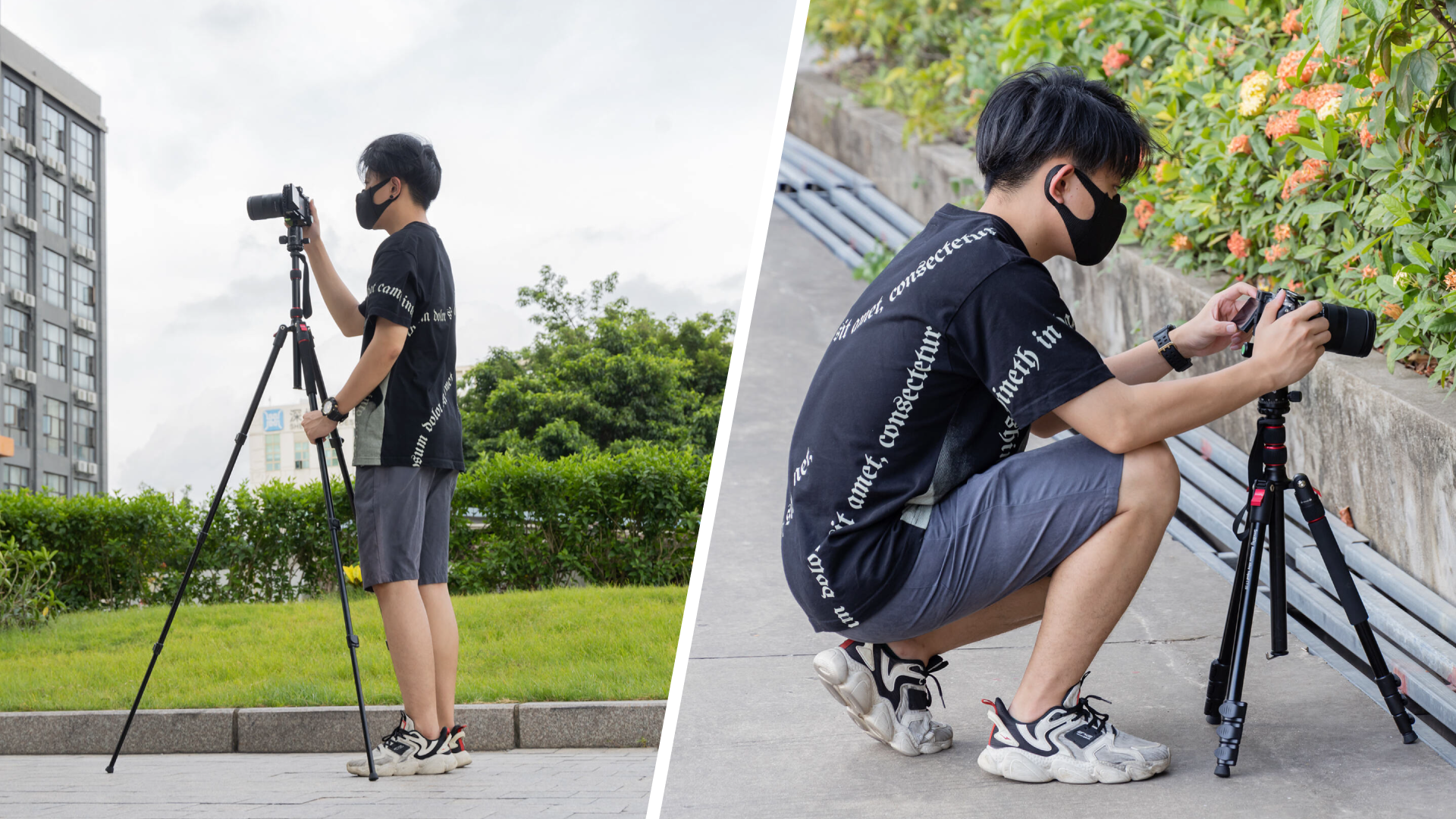
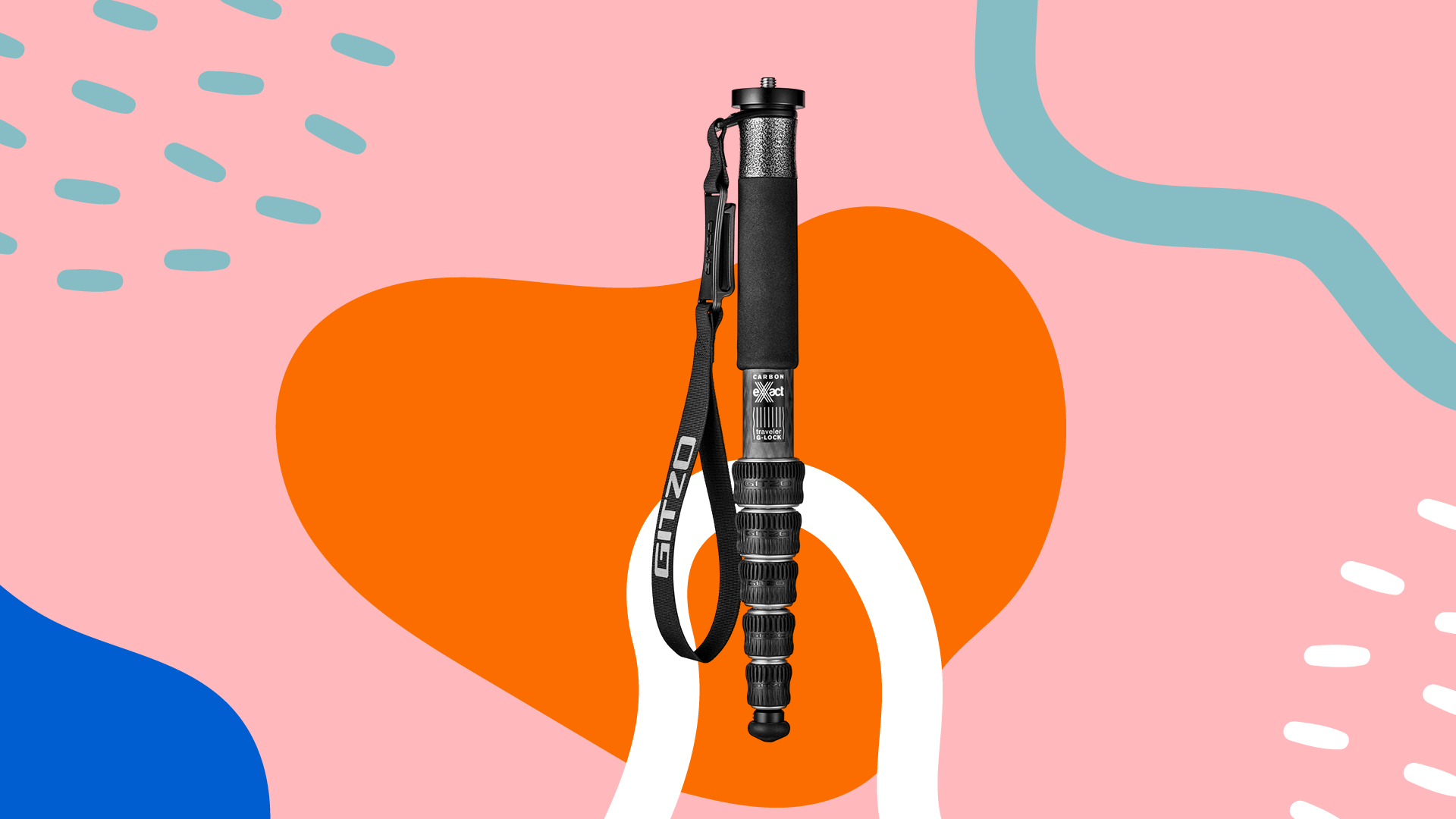
Similar to how much weight you're adding to your pack, it's good to see how unwieldy your tripod or monopod will be when it's not in use. Because of their single leg design, monopods typically collapse down very well. The Gitzo GM2562T Series 2 monopod is a fantastic option that can shrink down to only 14.2", yet reaches 55.9" fully extended and weighs less than a pound. No head is included, but you could throw on a small ball head like the Oben BE-117. Many smaller tripods condense down to around a foot as well, though their overall dimensions will still be a bit larger than monopod siblings due to their triple leg design.
Conclusions
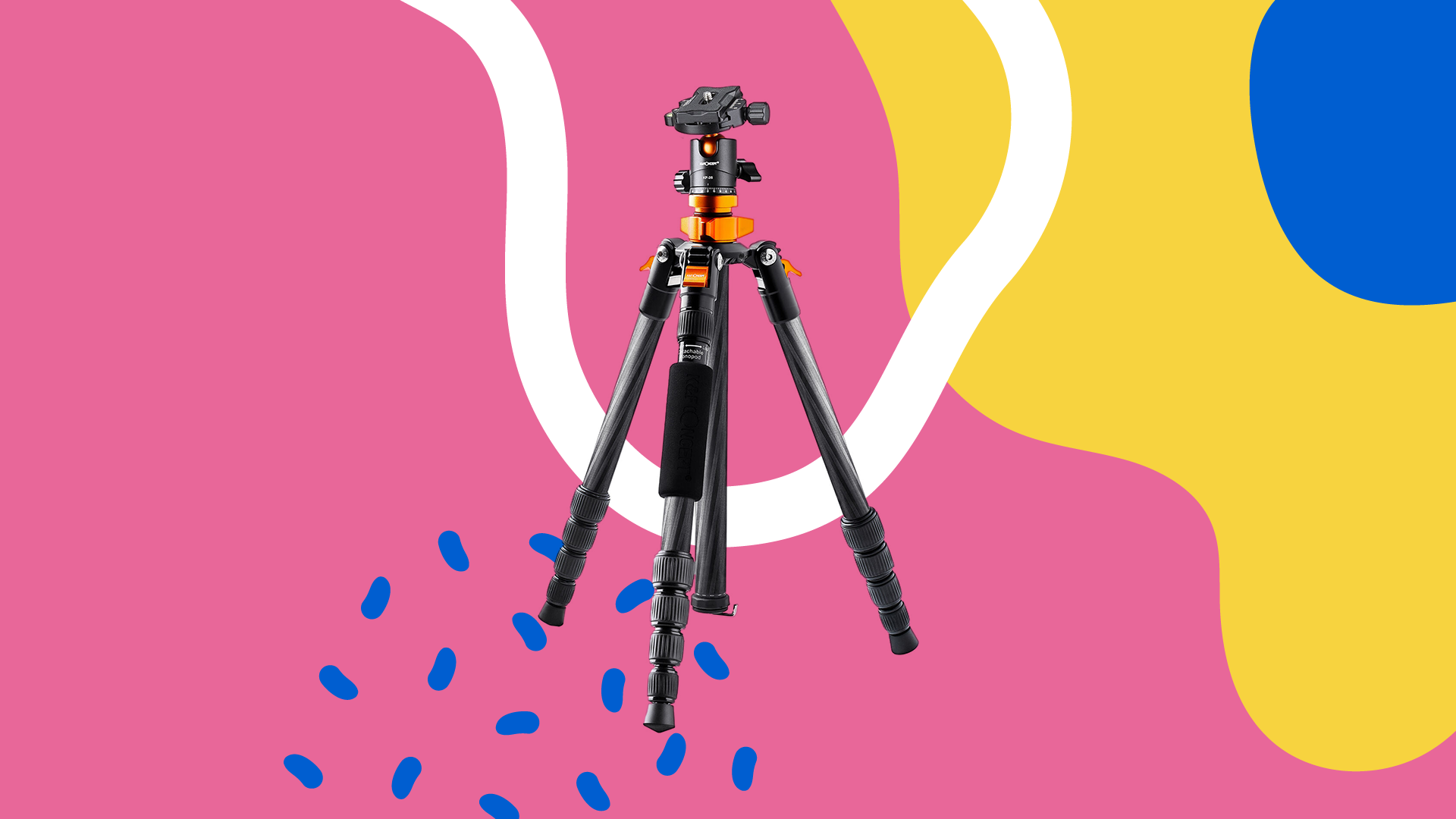
Numbers are important, but the biggest factor in the eternal tripod versus monopod debate is comfort. If you're someone who likes to be slow and steady, methodical even, I think the ultimate stability of a tripod is the way to go. If you're someone who likes to constantly be on the move and grabbing new angles, a monopod can keep you nimble and quick. I find the bubble level on tripods to be extremely helpful in finding an even horizon, but many mirrorless cameras now have built-in gyroscopes that do the same. You know what might be the best way to approach this problem? Get something that can do both. The K&F Concept D225C2 is a versatile, lightweight tripod with a leg that can be unscrewed to turn it into a standalone monopod. Is it the best monopod in the world? No, but it's good enough to give you the feeling of using a monopod. If you love it, get a dedicated one! Problem solved (for some).
Do you typically use a tripod or monopod? What are your favorite parts of each set-up? Let us know in the comments section, below.
