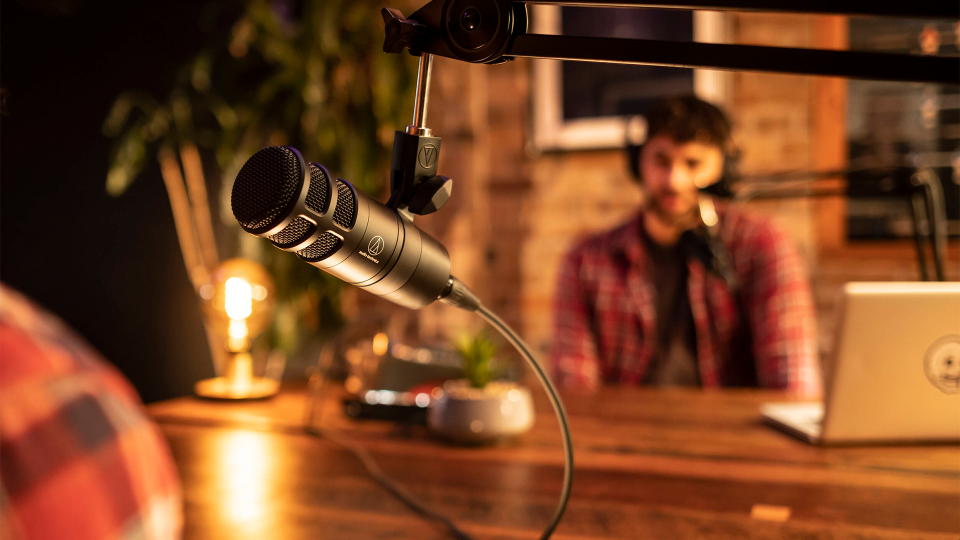
Whether you’re in the market for your first podcast microphone or looking to upgrade the one you have, we’ve put together a list of our favorite models to help you on your way. Read on to learn about some of the classic and iconic picks we have in store at B&H!
Best Budget Podcasting Mics
RODE PodMic
Let’s start with the best seller in this category, the Rode PodMic. Designed specifically for podcasting and broadcasting, this dynamic microphone does a fantastic job at minimizing room noise. It also has an integrated pop filter and shock mount to reduce plosives and vibrations. Overall, it’s a cost effective, no-nonsense mic that will get the job done professionally. The PodMic sports a swing mount for easy positioning. And if you pair it with something like the RODE PSA1+ Studio Arm, you’ve got your setup ready to go.

Elgato Wave DX
If you’re looking for the sound performance of a condenser mic, but don’t have the right acoustic environment for it, consider the Wave DX Dynamic Microphone from Elgato. It promises the clarity and definition of a condenser mic and tuned to get the most precise and pleasing characteristics of a speaking voice. An optimized proximity effect allows you to lean into the mic for warm and full-bodied sounding vocal recordings, while the internal pop shield should reduce those pesky breath sounds.

Audio-Technica AT2040
Audio-Technica always offers exceptional quality products for budget-conscious consumers, and the AT2040 is no exception. Fashioned like a classic broadcasting mic, its large-diaphragm dynamic capsule features a highly directional hypercardioid pickup pattern, ensuring little ambient noise or sound interruptions from the sides or rear. Also, the internal pop filter also does a great job of minimizing plosives, ensuring that your final product sounds more like a podcast than it does an ASMR therapy session.
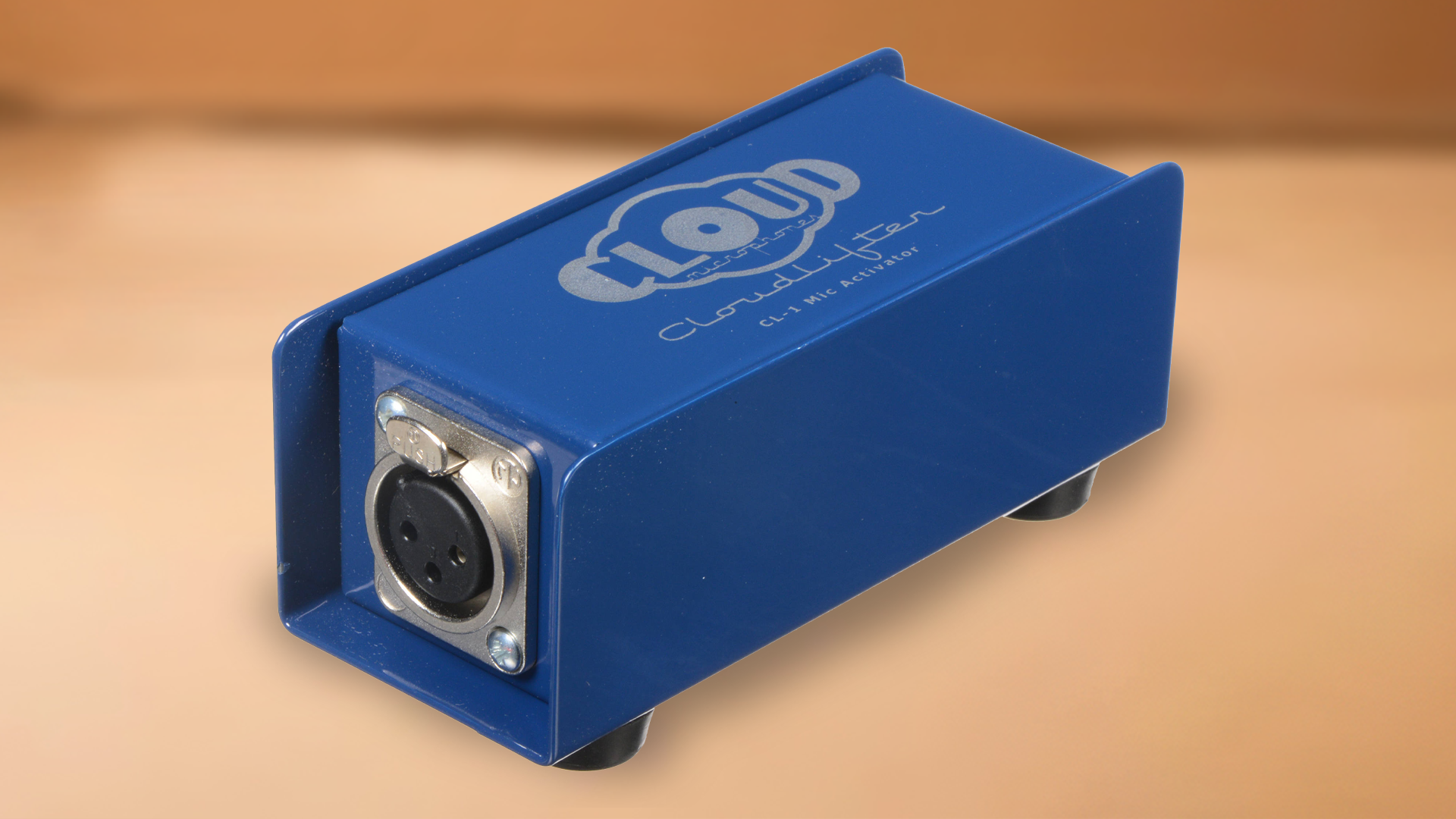
At the same time, the AT2040 presents a very warm and rich vocal tone, making your delivery engaging and pleasing to the ear. Depending on the gain capabilities and quality of your preamp, this mic might benefit from a Cloudlifter to boost the signal and keep noise to a minimum, but we recommend first trying the out the AT2040 with your system before investing in any signal booster.

Best Middle to Upper Range Podcasting Mics
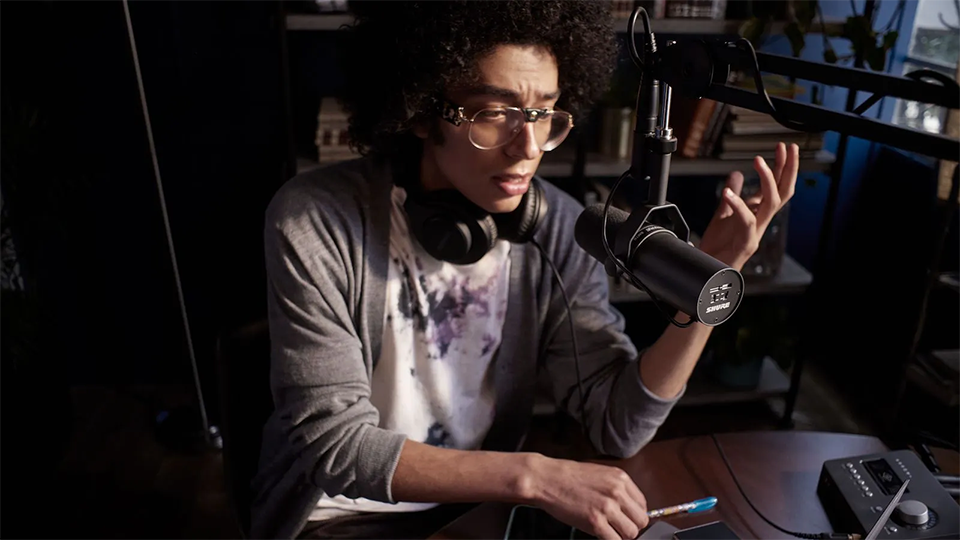
RODE NT1 Gen 5
You’ll notice that most of the models on the list are dynamic mics; condenser mics are less popular in the podcasting world given that they are so sensitive and thus more susceptible to room noise and mouth clicking.
That said, if you have great room acoustics, skilled podcast speakers and solid editing gear, you can really benefit from the cl arity that a condenser mic offers. Because the Rode NT1 5th Generation is equipped with both XLR and USB-C connectors, it is particularly convenient for those who don’t have an audio interface.
If you are using the USB-C port, you can avail yourself of the mic’s 32-bit floating-point A to D converter which offers such high headroom and dynamic range, you’ll never need to worry about clipping again. Lastly, the NT1 one comes with a pop filter and shockmount included in the box. So, all you’ll need is a mic stand to get started.
Shure SM7B
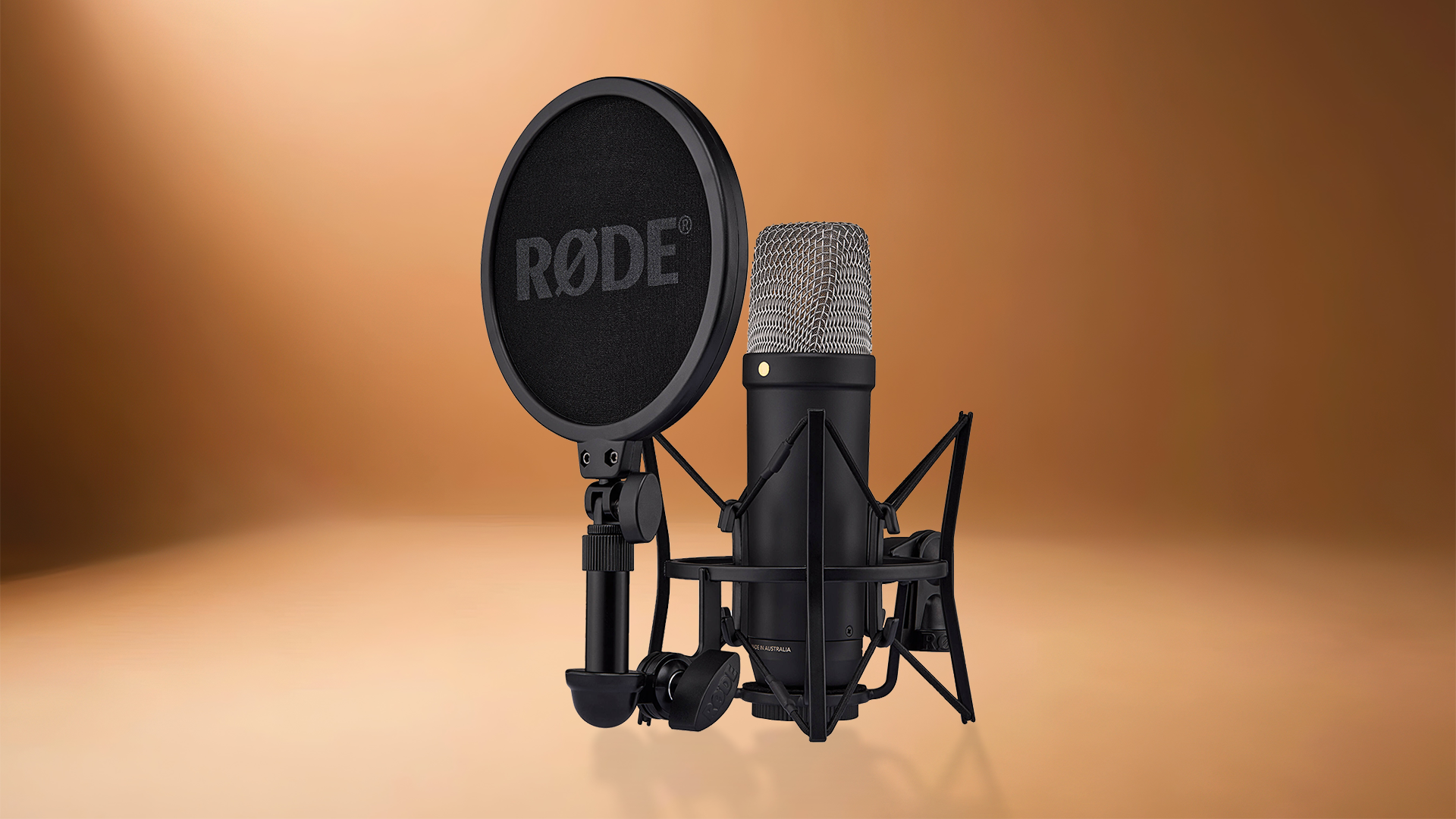
Any audio pro will be familiar with the Shure SM7B. With a smooth, flat and wide-range frequency response, it’s a great option for any professional audio application, but has become particularly popular amongst podcasters.
The SM7B delivers a very polished sound profile with a robust low end that brings warmth and gravitas to a speaker’s voice. You’re also provided with bass roll-off and midrange controls to minimize low-end interference and increase vocal presence. You’ll get a detachable close-talk windscreen, saving you the need to add any extra protection from breath sounds and mouth clicks. And you should expect a quiet recording in general thanks to its internal air-suspension shock isolation and effective rejection of interference that typically comes from computers and monitors.
We should note, however, that you will need a RODECaster Pro II. Alternatively, you could choose the SM7dB model, which features a built-in preamp powered by 48V phantom power from your interface or preamp. The mic’s preamp can be set to +18 dB, +28 dB, or removed from the circuit entirely via the true-bypass switch.
Electro-Voice RE20
Another all-star in this echelon is the Electro-Voice RE20, which is a broadcast industry standard for several reasons. First, it’s tailor made for speech, reliably quiet and delivers outstanding transparency and separation. It also has minimal proximity effect, which means you can move up close to the mic without sounding like a dying whale.
The cardioid polar pattern is incredibly effective in both ensuring no off-axis coloration and providing excellent rejection of unwanted sounds. You can make use of the bass roll-off switch to decrease any pesky rumble sounds, as well as depend on the internal blast and wind filter to keep your plosives to a minimum. The RE20 is designed for longevity, offering very solid stainless-steel construction, which also means low-handling noise.
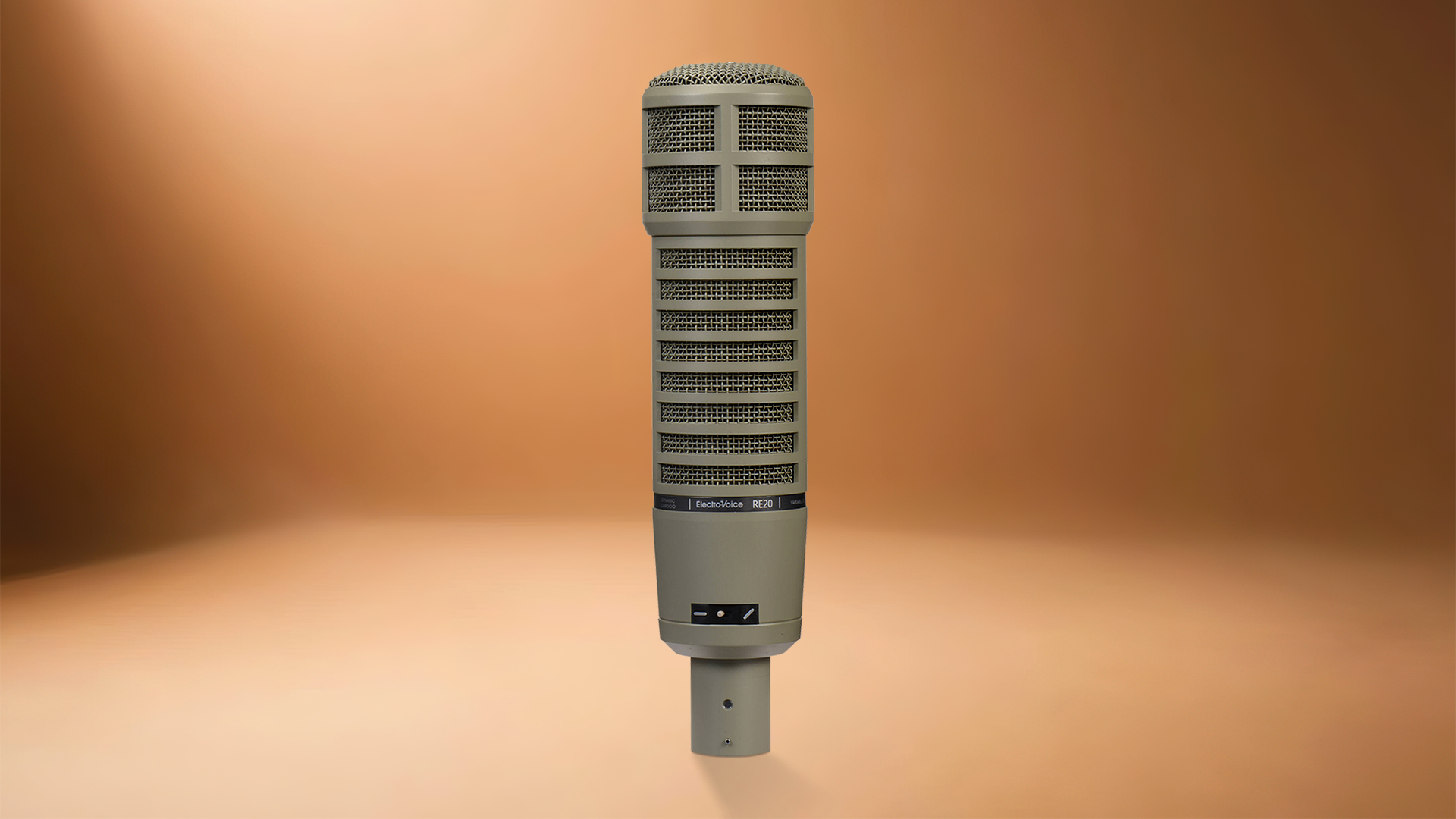
It should be noted that much like the Shure SM7B, the RE20 requires more gain than a typical dynamic microphone—something like a Cloudlifter CL-1 will get your gain to proper levels for a professional broadcast. An easy solution is to opt for a Broadcaster Kit, which contains the RE20 along with every mic accessory needed, including a Cloudlifter, suspension shockmount, foam windscreen and broadcast arm. Another option is to get a good quality all-in-one mixer that can handle hard to drive mics, like the RODECaster Pro II mentioned above.
For more information about the microphones listed above, including additional features, specs, and highlights, be sure to check out our detailed product pages.
