
A phono preamp ensures that your turntable can connect to your amplifier, receiver, and powered speakers in the same way as other audio sources would, such as a CD player or streaming via your phone or computer. In shorter terms, if you don't use a phono preamp, your record will sound weird and insufficiently audible.
Now, getting more technical, a phono pre-amplifier (sometimes called a phono stage EQ) is a component designed to amplify and equalize the output of the cartridge inside attached to your turntable. The phono preamp not only boosts the signal of your record player to a sufficient level, but it also applies an EQ correction to the signal to restore it back to the shape of the original vinyl recording.
Does My Turntable Have a Built-In Preamp?
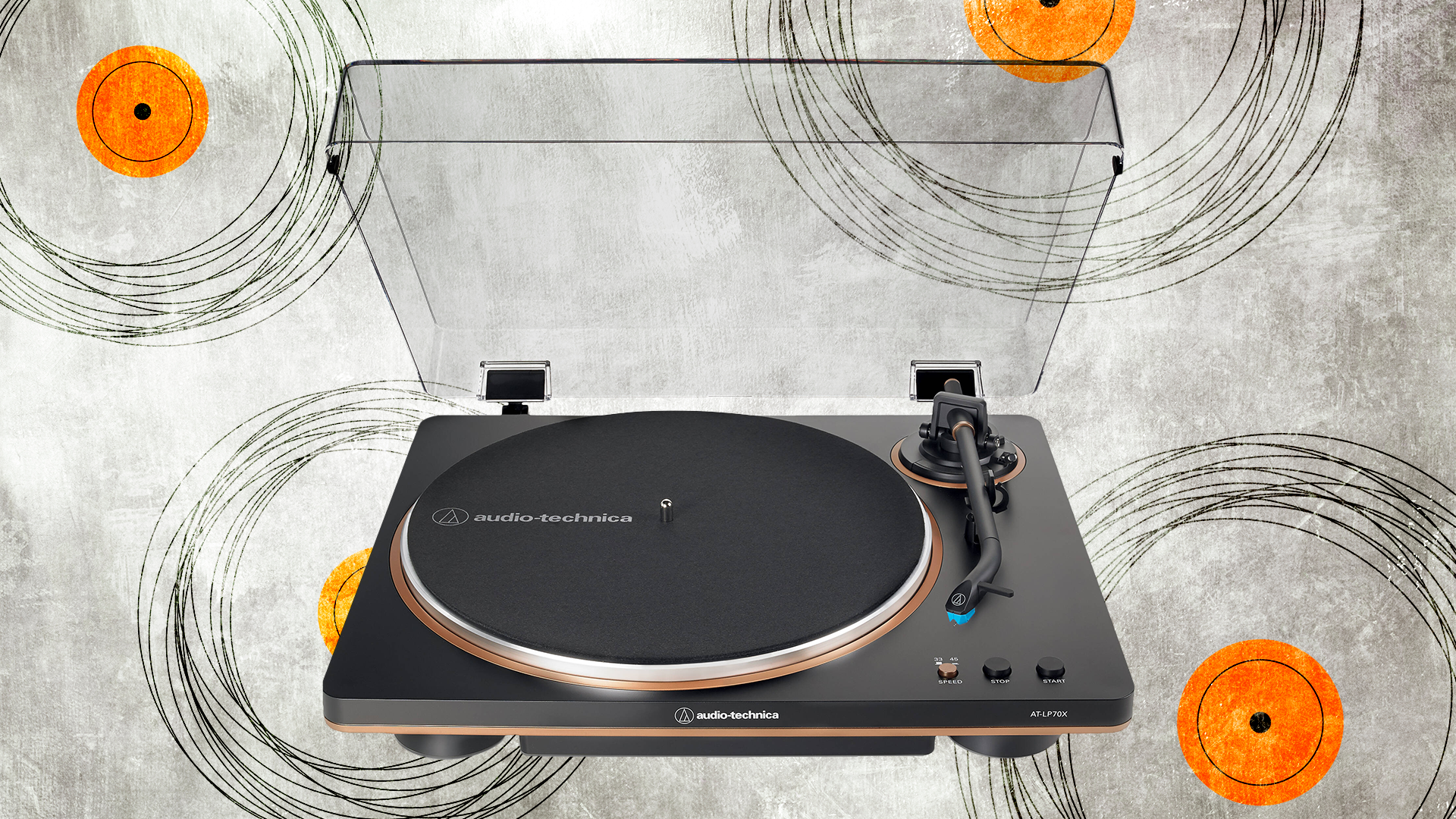
Most modern mid-range turntables have preamps already built-in to built into the unit. So, unless you own a vintage or very high-end turntable, the likelihood is that you won't need an external phono preamp. In fact, it would be unadvisable to add an external preamp to a turntable that already has a built-in preamp, as you'd be doubling the preamplification and overdriving the signal.
Does My Receiver or Amp Have a Phono Preamp?
In many cases, your receiver or amplifier will have a built-in phono preamp as well. You can tell when this is the case if when you see RCA inputs that are labeled "Phono". If both your turntable and your receiver or amplifier have phono preamps, you should either bypass the phono preamp on your turntable or connect the cable from your turntable to a regular AUX or line in on the amp or receiver. Again, this will ensure that you're not double preamping overdriving your signal, which can damage your equipment.
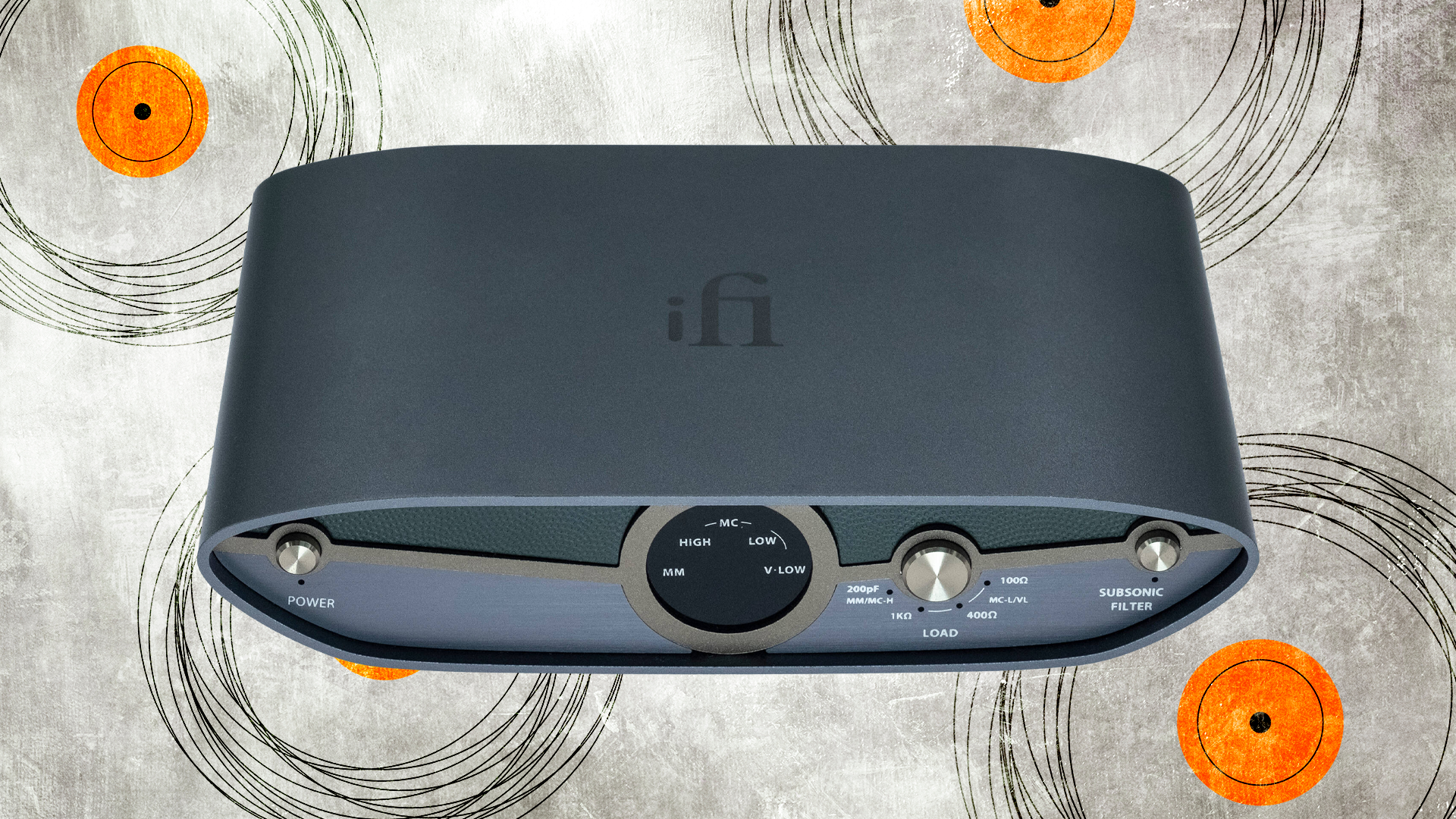
However, there is a possibility that the phono cartridge in your turntable is not compatible with the phono preamp built-in to your receiver or amp. This can sometimes be the case with high-end turntable models, which might employ a moving coil design (MC) rather than the more widely implemented moving magnet (MM) cartridge.
If you do have this incompatibility, you should consider buying a dedicated phono preamp that takes both cartridges. And typically, most popular phono preamps are able to switch between MC and MM.
Is There a Phono Preamp in My Powered Speakers?
Just as in the examples above, many powered speakers have phono preamps, especially these days, when turntables have resurged in popularity.
Advantages of a Dedicated Phono Preamp
Even if you already have a compatible phono preamp built-in to your receiver, amp or powered speakers, there are scenarios in which a phono preamp might be still advantageous.
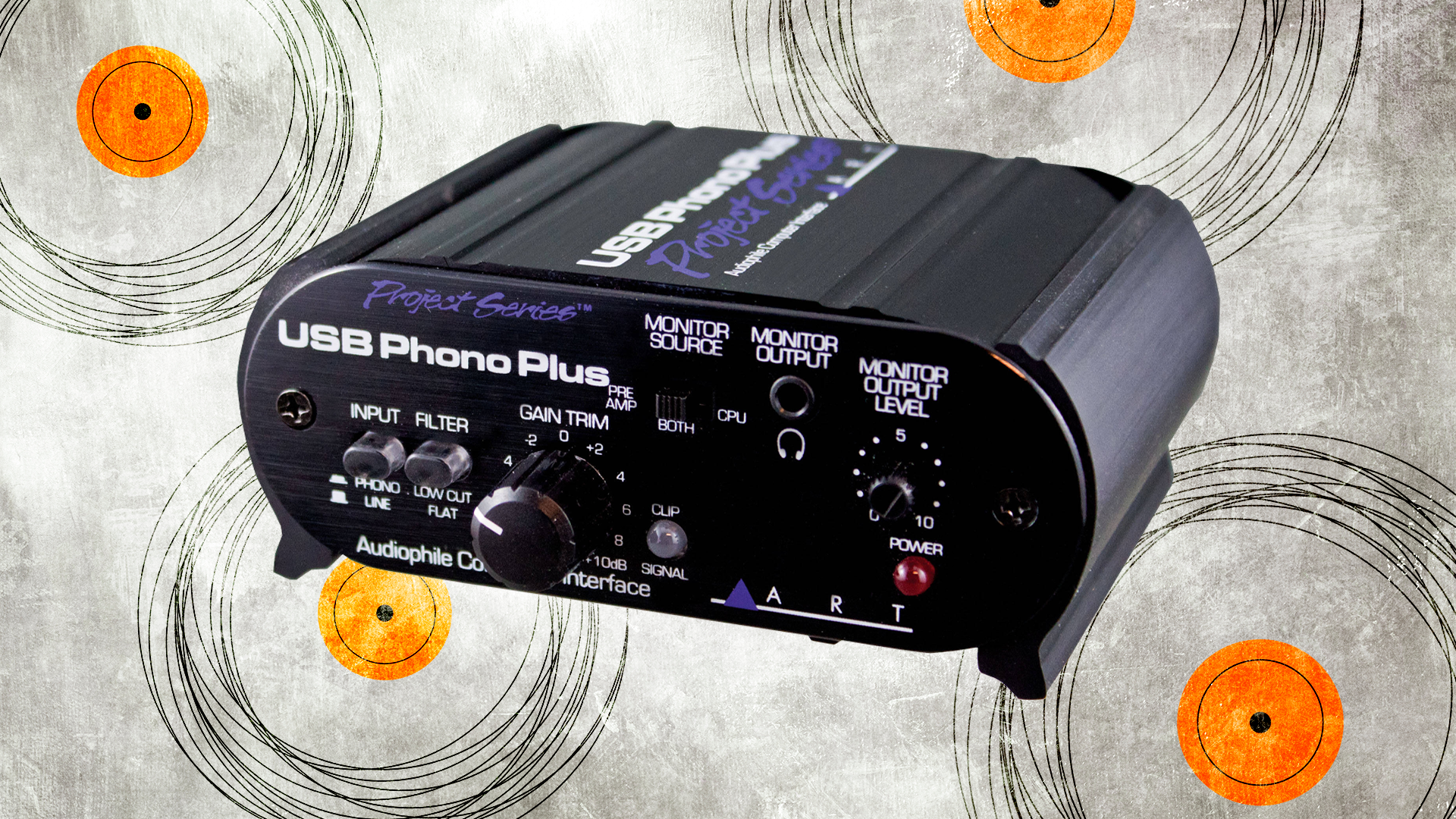
It's common for people to want to digitize their record collection so that they can access it on their phone, computer or tablet. For this reason, many turntables come with USB outputs. But if yours doesn't, there are a number of phono preamps with USB.
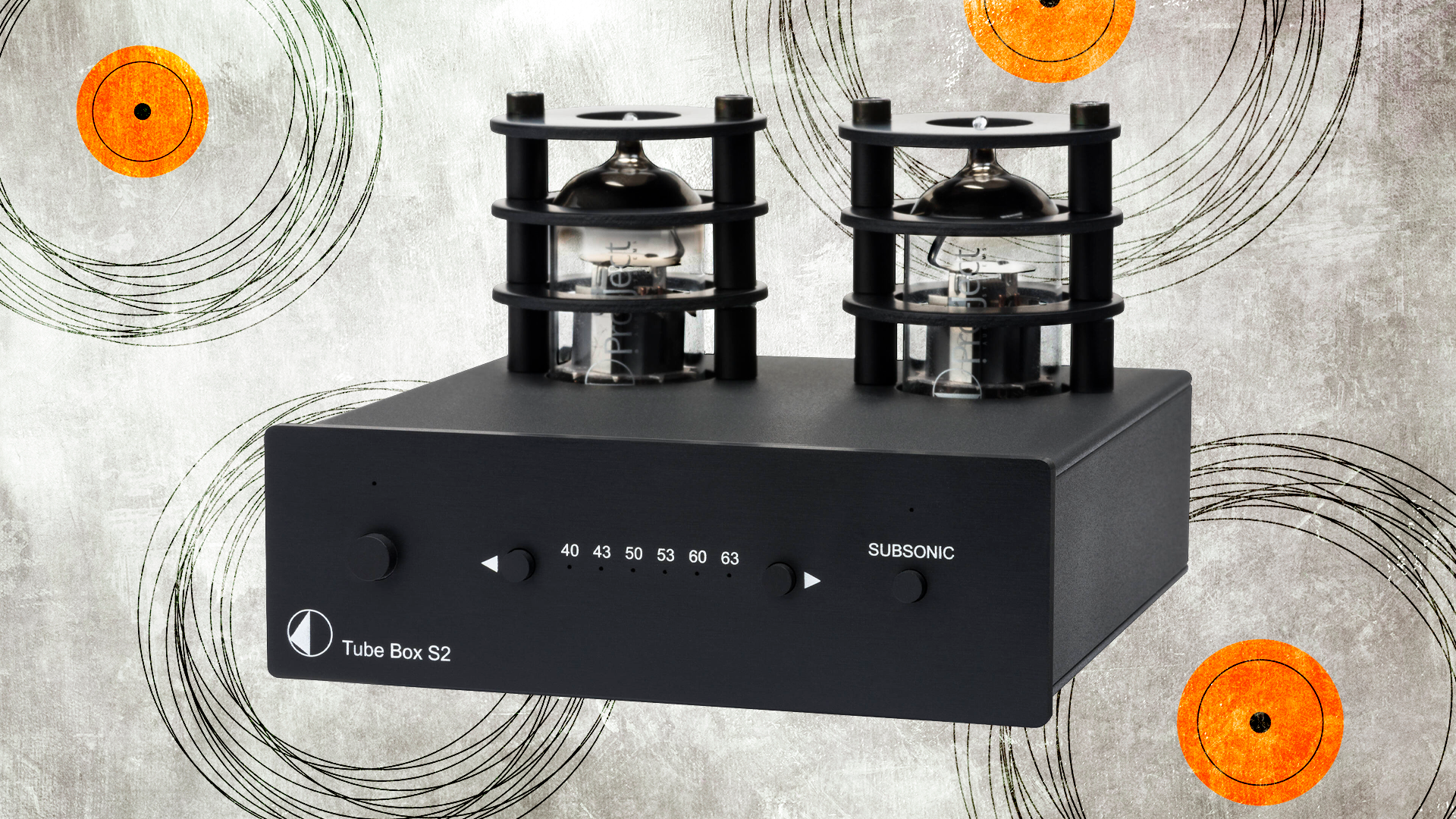
Secondly, many audiophiles like to have complete control over all their components, including their preamps. For example, some audio enthusiasts may want their record player to pass through a tube preamp to provide more sonic warmth and an enhanced analogue feel. (We'll discuss tube amps below.) In other cases, some may want a notably high-quality dedicated preamp to minimize any noise that can affect subtle details in the vinyl recording. So, whether you like to customize your setup or upgrade the built-in preamp you already have, investing in an external preamp may improve the sound fidelity of your records.
What Kind of Phono Preamp Should I Buy?
RCA vs. Balanced XLR
Almost every phono preamp comes with at least one set of RCA unbalanced inputs (as well as a ground wire connection). The same is the case with your receiver, amp, and powered speakers.
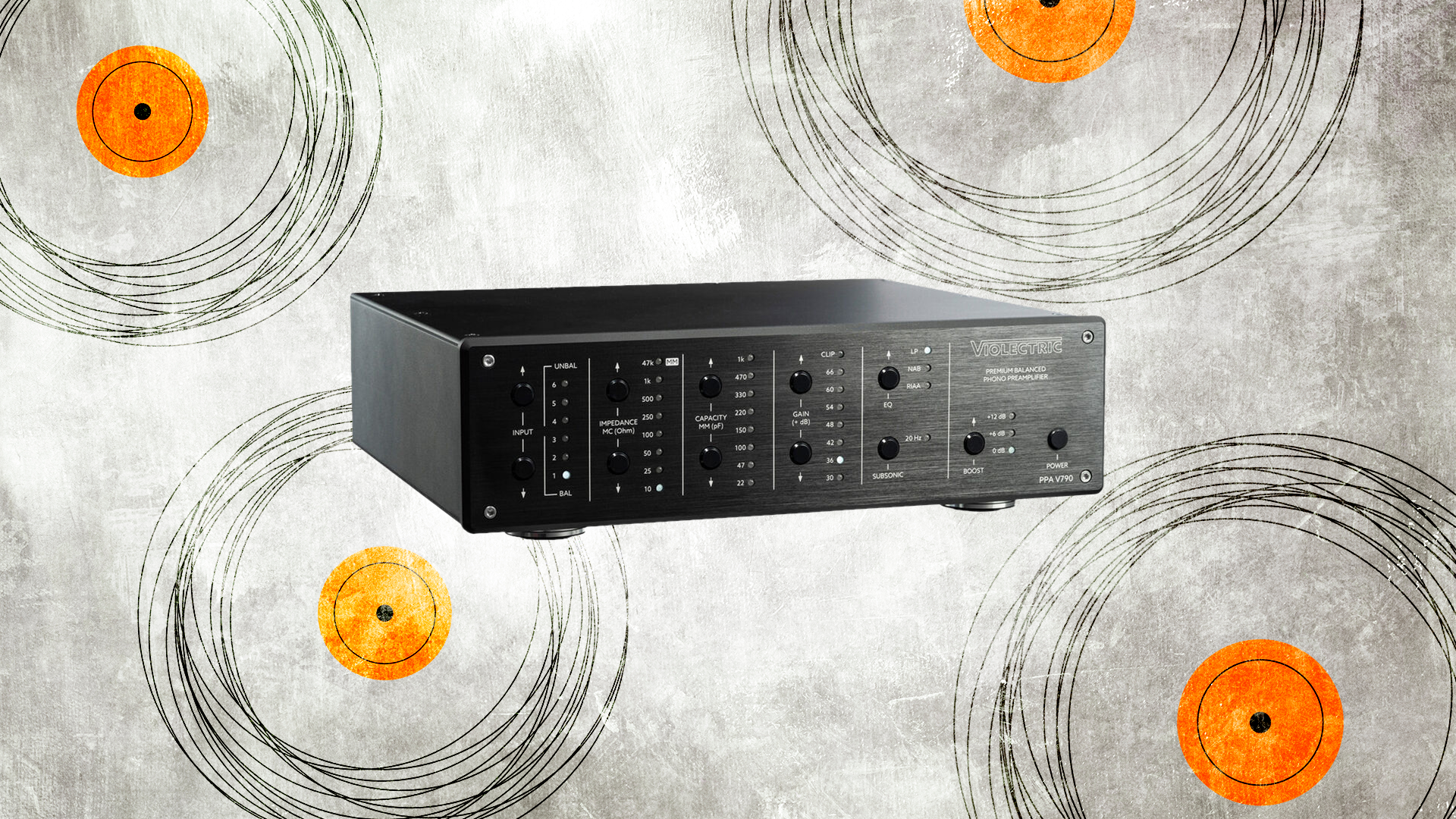
In more high-end phono preamps, you may also find a set of balanced XLR inputs, which are designed for typically high-end turntables with XLR outputs. Balanced XLR connections are better at rejecting noise than RCA cables, delivering a cleaner sound overall. On these types of preamps, you'll also usually find a set of XLR outputs to connect to your compatible amp.
Tube vs. Solid State Preamp
As mentioned above, in addition to the more common solid state phono preamps, there are also tube preamps that can lend a warmer and richer feel due to the distortion effect that the tube preamp produces. While tube preamps typically sound great, they tend to wear out after long-term use. So, if you do invest in a tube amp, you may need to be prepared to replace the tubes in the future.
EQ and Low-Cut Filters
EQ
As mentioned in the beginning of the article, an EQ curve correction needs to be applied to the signal coming from your record to restore it to the original recording. There is a standard EQ curve for playback which LP records and record players must stick to. Typically, this standard is called RIAA (created by the Recording Industry Association of America in the 1950s).
At the same time, there are two other common EQ curves, namely Columbia and Decca, that have been applied to vinyl during recording/cutting. The type of EQ curve depends on when the record was released, and under which label it was produced. We won't get into the somewhat complex details of the differences in these EQ curves, but if you own a vast collection of records from a wide range of decades, switchable EQ curves may be something to consider.
Rumble & Low-Cut Filters
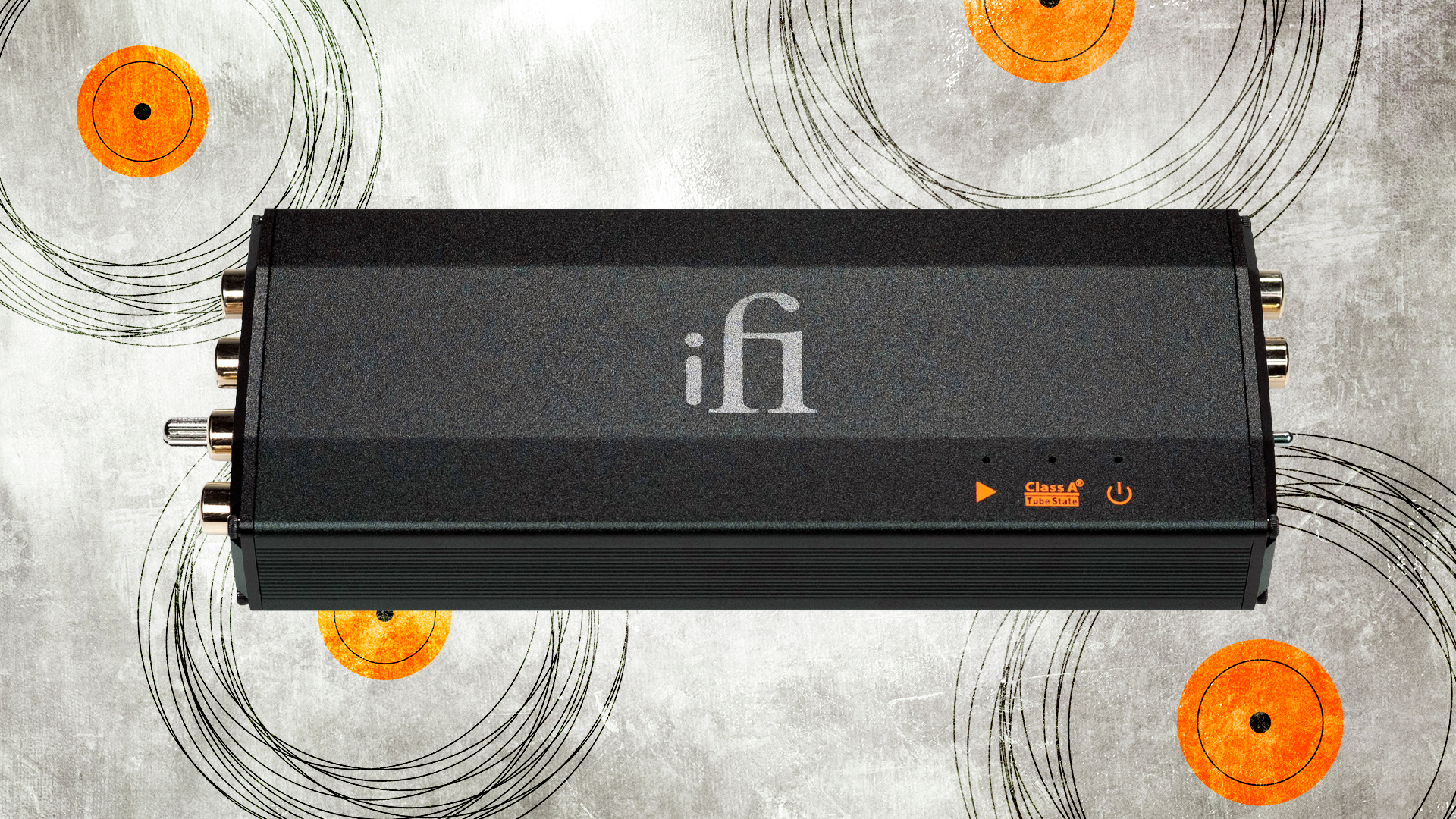
On certain vinyl discs, listeners may experience an unwanted rumbling or vibration coming from their woofers when music reaches the lowest frequencies. For this reason, some phono preamps come with rumble or low-cut filters to bypass these frequencies. There are purists who argue that such filters can degrade the sound, but again, this is a contested subject that you can research on countless online forums down the line.
12-Volt Trigger
A 12-volt trigger is a handy yet non-essential feature to have on your phono preamp. It allows your phono stage to turn on and off automatically once you turn the receiver on or off. To do this, you will have to connect it to the trigger output on your receiver.
Headphone Jack?
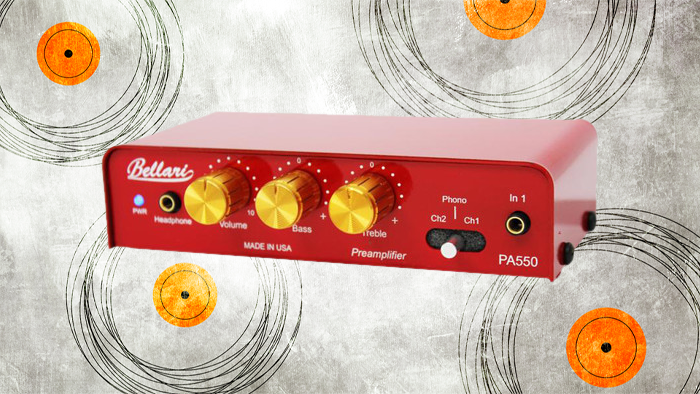
This is an obvious one. If you're investing in a phono preamp, and you plan to listen to your records through your headphones, it's handy to have a phono preamp that has an integrated headphone amp. Of course, using the headphone output on your receiver is another option, but especially if you're mainly listening to vinyl on your headphones, having a dedicated headphone amp built into your phono preamp can simplify things and provide optimal sound quality.
Not to Sound Like a Broken Record…
At the end of the day, it's usually the case that you won't need an external phono stage, given that so many turntables, receivers, amps and powered speakers already come with them built into the system. On the other hand, if you're having issues with compatibility, a dedicated phono preamp might be the essential missing component to your setup. Finally, if you're a curious audiophile who is always willing to invest in new toys, a high-quality phono preamp may indeed bring your vinyl sound to the next level.
For more information about the phono preamps mentioned, including additional features, specs, and highlights, be sure to check out the detailed product pages. Or drop us a line below, and we'll do our best to answer all your comments and questions.
