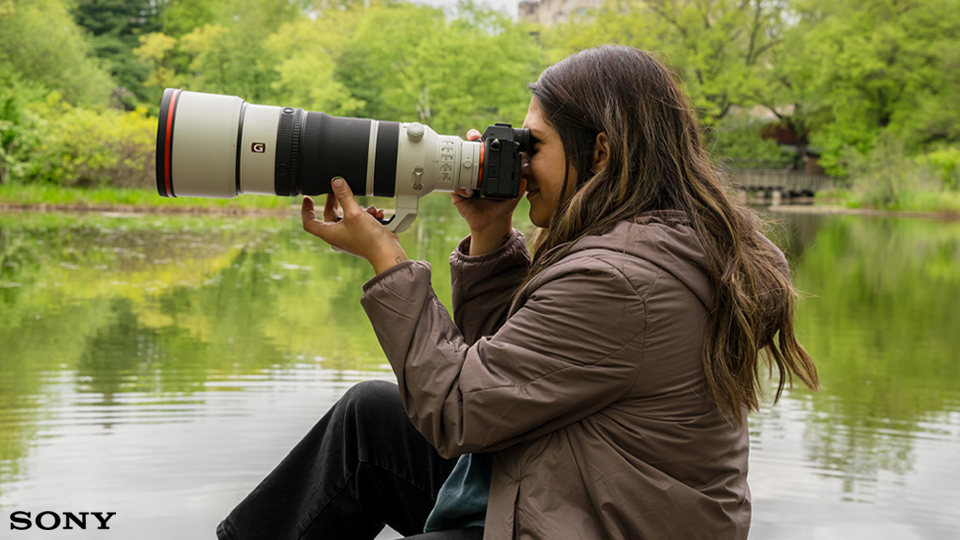
The a7R series has long been popular among wildlife photographers for the big files and associated crop-ability so to speak. That said, one area where the R could use some improvement is in the speed department. After all, it was never designed to be a wildlife camera; Its bread and butter was always resolution with landscape, portrait and studio photographers making the most use of all the extra detail. But, as tends to happen, Sony bends the rules.

Behind that shutter curtain sits a flagship level sensor, at 66.8 megapixels, this fully stacked sensor is capable of recording images at blazingly fast speeds. How fast? The a7R V had a sensor readout of 90 milliseconds. The a7R VI? Just 12 milliseconds thanks to the stacked sensor design and the BIONZ XR2 processing engine driving it. That’s right, there’s a fully stacked, high resolution sensor capable of blackout free 30 fps continuous shooting and even pre-capture, storing images for up to one second before the shutter button is fully pressed.
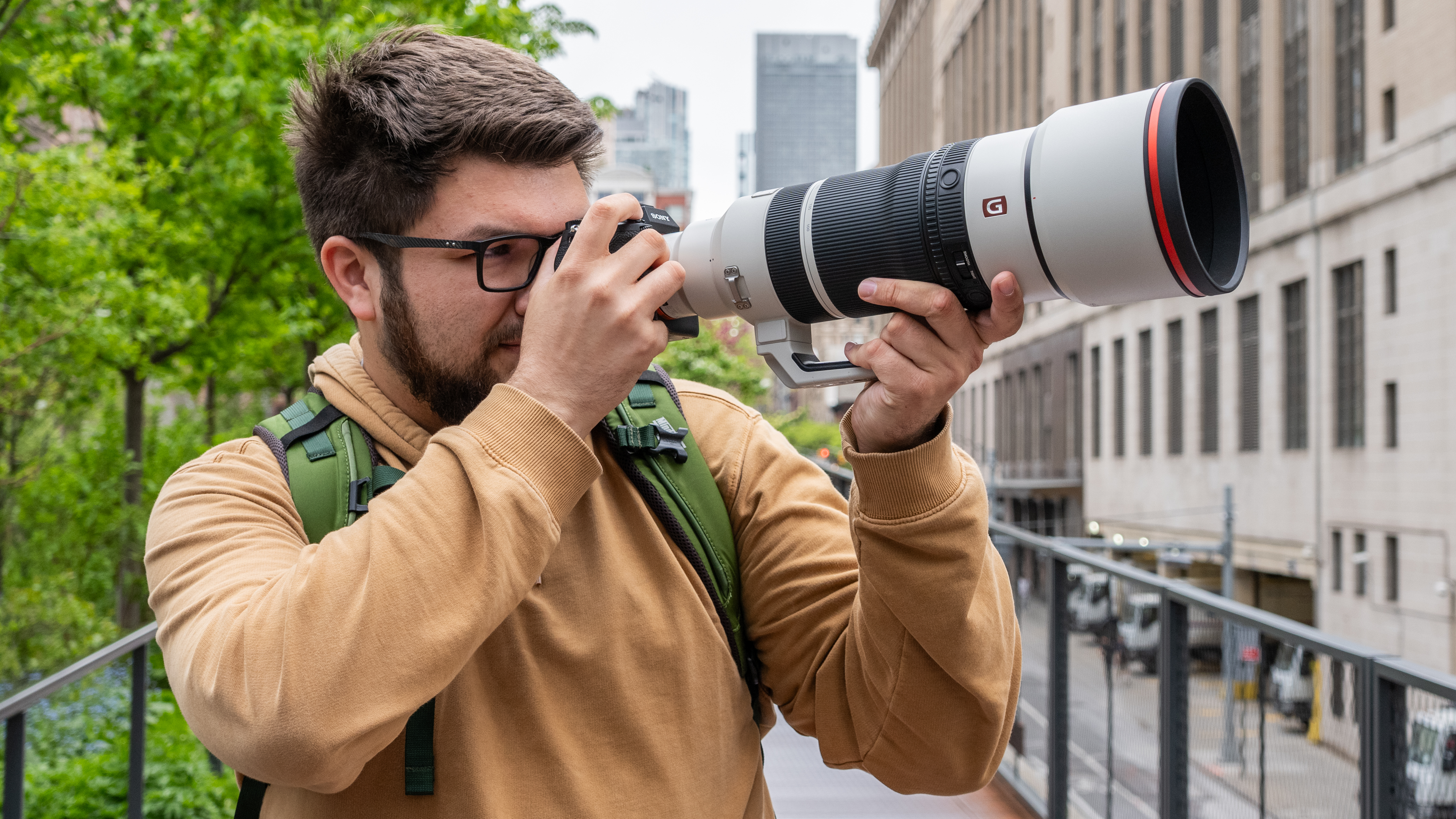
When paired with the FE 100-400mm f/4.5 G Master lens, you have a serious wildlife photography set up. The lens itself is an impressive tool in the wildlife photographer’s arsenal with an internal zoom, a lightweight construction, and autofocus that’s 3x faster than the previous iteration and approximately 50% better at tracking moving subjects when used with a compatible camera. Pair with any alpha body, and you would be hard pressed to find a more versatile kit.

When mounted on the a7R VI, with 66.8 megapixels, 30 fps, and borderline ridiculous autofocus speed, this pairing is made for the wildlife photographer. The a7R VI alone, is made for the wildlife photographer, delivering the speed and resolution you need to get the shots.


For more information about the new camera, including additional features, specs, and highlights, be sure to check out the detailed product page for Sony a7R VI Mirrorless Camera and the FE 100-400mm f/4.5 G Master lens.
Interested in learning more about Sony’s latest flagship camera? Be sure to check out the rest of our featured articles focusing on the Sony a7R VI’s many use cases and applications.

