Search results for: photography buying guide continuous lighting for photography video
About 27 filtered results
by Mathew Malwitz · Posted
The new school year is nearly upon us, which means it’s time to start stocking up on necessary gear and supplies. For film and photo students, that means finding the camera and gear that’s right for you.
Generally, schools require a DSLR or mirrorless camera with detachable lenses and full manual controls. Far from the smartphone or point-and-shoot pocket camera many of us are used to. To help you get the perfect tool, we’ve put together a list of some of our favorite cameras broken down into four categories:
Best Overall Cameras
Best Mid

by Rebecca Melville · Posted
Shopping for lighting solutions can be overwhelming, even if you are a professional photographer with decades of experience. Sometimes it’s easier to cut right to the chase with a kit that has everything you need―whether that’s multiple fixtures, bundled accessories, or even just a good carrying case. We have compiled our top flash and continuous lighting kits you should consider for your own creative workflow.
Flash Lighting
Flash lighting,

by Bjorn Petersen · Posted
With medium format shedding many of its niche associations and becoming a more viable and mainstream format, now might just be the time to begin incorporating this larger format into your working repertoire. When film was still king among working photographers, medium format cameras, particularly 645, was seen as an ideal balance between image quality, weight, speed, and number of frames per roll. Once the shift to digital occurred, weight and speed became the primary differentiators in which cameras and systems were being considered for the

by Cory Rice · Posted
Whether you are shooting a fashion editorial, a wedding reception, or anything in between, on- and off-camera lighting can make a huge difference outdoors. Natural light is wonderful, but there are scenarios in which you simply cannot run the risk of an unexpected cloud or rapidly setting sun ruining your shot. This article introduces the gear and accessories necessary to be prepared outdoors always, no matter what
by Cory Rice · Posted
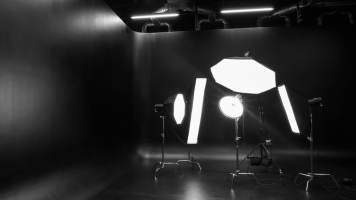
One of the leading trends in digital cameras over the past few years has been the development of advanced video capabilities in mirrorless and DSLR cameras. Features that could once only be found in costly cinema cameras now come standard in still cameras targeted toward hybrid photo-video content creators. Accompanying the interest in cameras able to create high-quality stills and videos has come a demand for lights that can be used for both purposes.
While on-camera flashes and strobes have long been the standard for photographers, the short

by Shawn C. Steiner · Posted
Smartphone photography is getting better and better each year. It’s now possible to create usable images in near pitch black and capture stunning photos of the night sky. I would advise you not to do that, at least not all the time. Dedicated smartphone photographers know this and go hunting for the best possible light for their photographs. I’m here to tell you that you no longer have to rely on available light to get a great smartphone shot, there are plenty of new lighting tools available, developed exclusively for smartphones.
Compact LED

by John Harris · Posted
There is still one basic truth about photographing sports—access is everything. If you are not near the action, you will not get a photograph. Does this mean you need a sideline pass at the Super Bowl or a family member in the NBA? No. Those are good to have, and media credentials for a Super Bowl is a professional feather in your cap, but “access” can be found in many places and many ways. A good sports photo does not even have to be on-field action, so do not let a lack of access intimidate you, but understand that to join the upper echelons

by Todd Vorenkamp · Posted
Often, we need to add extra light to a scene to ensure we have enough light to create an image, freeze movement, or simply enhance the scene for the sake of the photograph. The primary way photographers do this is by using a flash.
The electronic flash has been around since 1931 and, today, there are several variations—all with different potential uses for the photographer. Here, we will take a quick look at the types, compare them, and discuss the benefits of each type.
Terminology Basics
Before we dive into flash types, let’s get familiar

by John Harris · Posted
Sports photography is a true test for cameras. Perhaps more than any photo discipline, shooting sports photography leaves you little opportunity for a second chance and demands that your camera works at peak efficiency. I’ll save the classic caveat that you can shoot any subject with any camera for another article, and while I encourage all photographers to start with the camera they have, there should be little argument that cameras with a fast burst rate, good buffer depth, fast and accurate autofocus, a compatible lineup of telephoto lenses

by Shawn C. Steiner · Posted
Considering the amount of video content now consumed daily by most people, it’s becoming harder and harder for photographers to isolate themselves fully from video. It’s an asset, and practically every DSLR and mirrorless camera made in the past five years not only has video recording but has near-cinema-quality video.
Whether you are learning video for work, want to use your best camera for family videos, or perhaps just want to gain a following online, there are some good tools you should acquire.
For Better Audio: Microphone
One thing

by Allan Weitz · Posted
Macro photographs enable you to capture in-your-face close-ups of flowers, bugs, peeling paint, and—depending on your personal aesthetics—anything encrusted in rust. The following are 10 gift ideas designed to help you with tight close-ups of objects, rusty or otherwise.
1. Macro Lenses
Macro lenses are specifically designed to capture sharp close-up photographs. Available in
by Todd Vorenkamp · Posted
Photography can be an expensive hobby. Or, if it is your profession, gear is likely one of your largest expenditures. It is just part of the photographic landscape, especially in the digital age. But, what if money were no object?
How fun would shopping be at B&H Photo then? It’s nice to pretend, is it not? So, I asked a bunch of my coworkers at B&H Photo what they would buy if they were suddenly bequeathed an unlimited

by Cory Rice · Posted
Whether you are shooting family snapshots or chasing sharks in the ocean, lighting can make or break your photographs. No photographer ever complained of having too many lighting choices at their disposal and, with lights becoming smaller and lighter, there are nearly endless options to choose from. Here are some gift suggestions sure to brighten the holidays of your favorite photographer.
Everyday Photographers: On-Camera TTL Flash
If you are shopping for a photographer frustrated by the unflattering quality of light emanating from their
by Allan Weitz · Posted
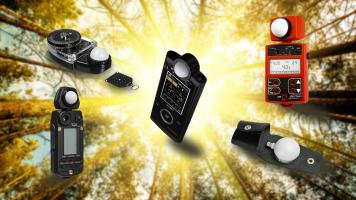
Almost every camera sold at B&H contains a light meter designed to calculate extremely accurate exposure readings, typically with a choice of Spot, Average, and Segmented metering modes. Good as they are, handheld light meters still have the upper hand when it comes to analyzing light.
For starters, the meter in your camera only reads reflected ambient light. If you’d prefer to take an incident reading, i.e., measure the light falling onto you subject rather than reflecting off your subject, you can’t do it without having to add

by Josh Taylor · Posted
Wedding photography has become an extremely popular and lucrative specialty. First and foremost, a wedding is a grand, unrepeatable, emotionally charged event at which expectations run high, and second best won’t do. Being a wedding photographer requires dedication and talent, but having the right equipment is crucial if you expect to achieve sharp, well-composed, well-lit images that depict people at their best. Here’s a basic rundown of what you’ll need to take your wedding photography to new dimensions, or to fill in the gaps in your