
It is probably safe to say that many of us photographers have, either with our cameras or smartphones, tried to capture a close-up image of an insect, flower, toy, or other object. We have an idea of what we want this photograph to look like as we prepare to capture the image. We've seen and admired beautiful close-up images before but, when we nose the camera lens up to the object, we see nothing but a blur—the lens can't focus close enough to create the image we want to capture. Fewer things in photography can be as frustrating as trying to get a close-up photograph of something inside a lens's minimum focus distance. If you're familiar with the aforementioned struggle, it may be time to learn more about the world of macro photography.
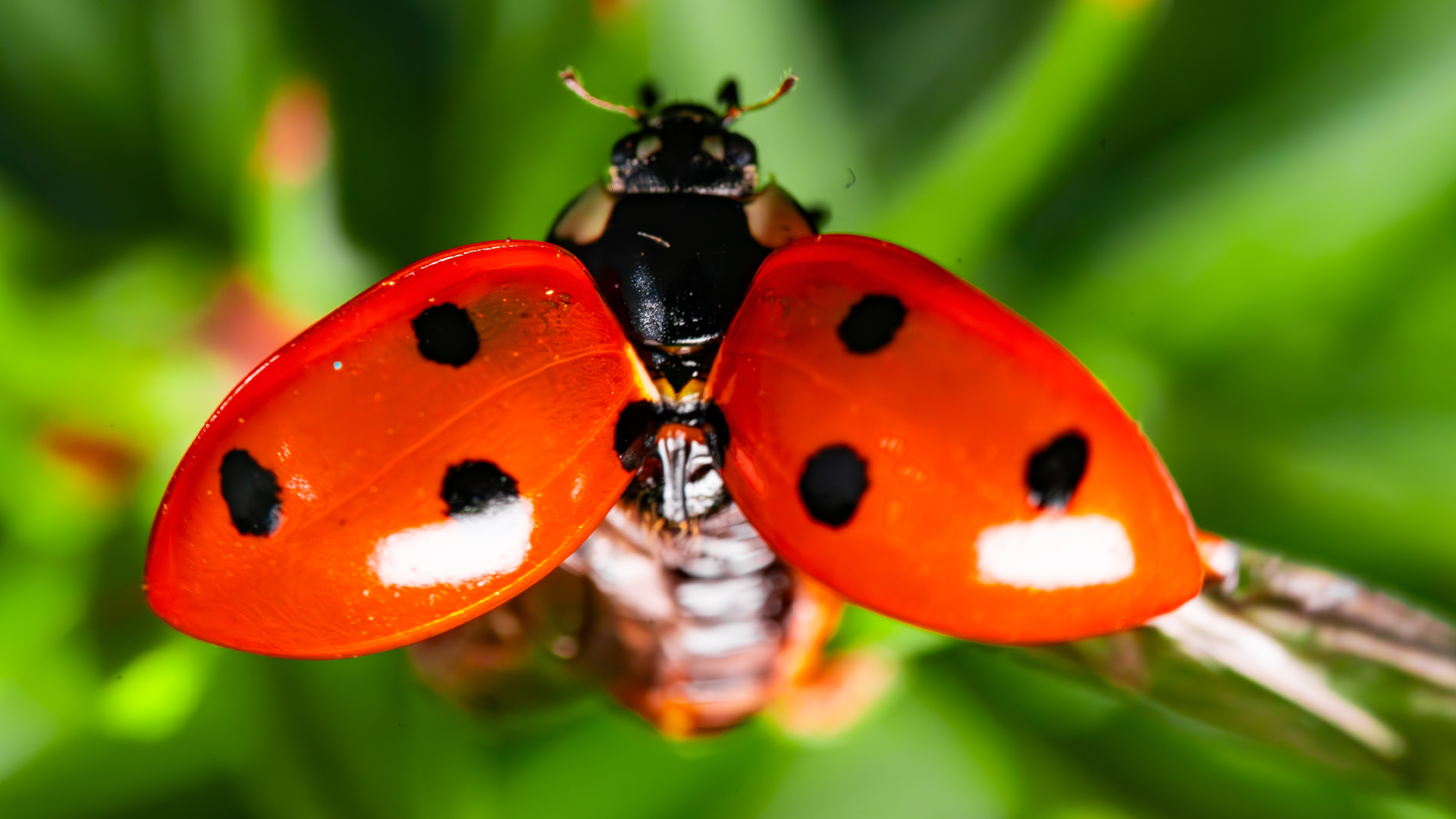
Macro photography is the art of capturing small subject-matter at "life size" if not larger. It is an excellent way of recording finer detail and showcasing teeny tiny aspects of everyday life that most go their whole lives without fully noticing. But what makes a macro image pop? How do we get those close-up shots we desire to capture?
First, you need the right tools, but before that, we're going to cover a little background. These basic concepts will aid us not only in taking macro photos, but in making sure we're well equipped to do so.
Basic Concepts
Magnification
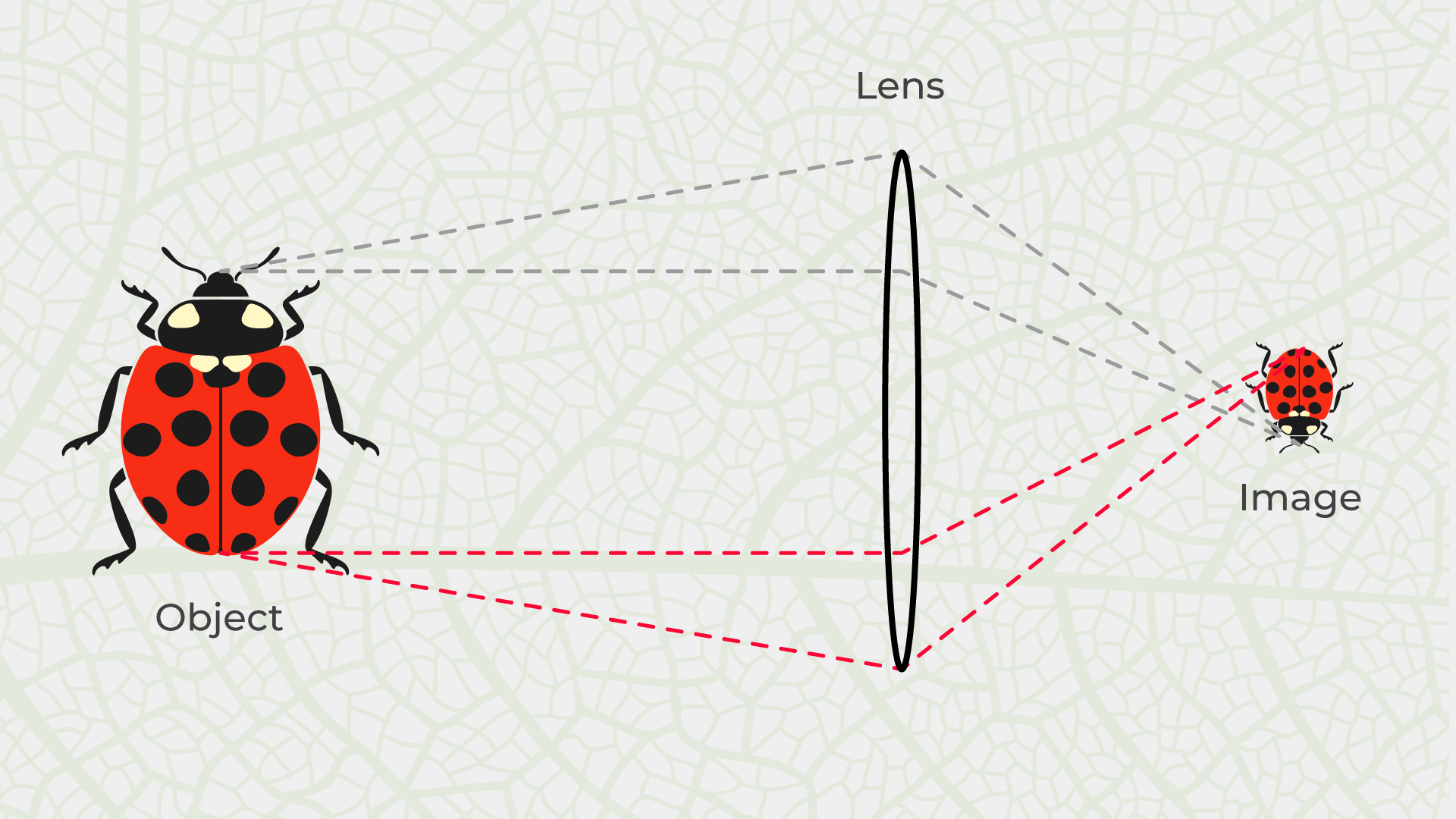
Magnification in photography is the relationship between the size of an object on your sensor as compared to its size in real life. It is described with a ratio such as 1:1, 1:2, and so on. This is a trait of the lens itself and determines how large an object will appear in the frame. This ratio is known as the reproduction ratio.
The reproduction dimensions of which a macro lens is capable of is labeled with a ratio. A macro lens that can reproduce objects at life-size is said to be a 1:1 macro lens. A 1:2 macro lens can reproduce objects at half-size. A lens that can reproduce objects at double life-size will be a 2:1 macro lens. Many macro lenses feature the 1:1 or 1:2 ratios.
For example, if you photograph a bumble bee and it physically appears life size on your sensor, then you are working at a life-size magnification or 1:1 (1x). If it appears half the size it normally does, then you are working at half-size or 1:2 (.5x). Now just to make things more exciting, there are lenses capable of achieving greater than life size magnification rations of 2:1 (2x) or even 5:1 (5x).
Focal Length
Focal length, the distance between the optical center of the lens and the image plane, is one important factor to consider when shooting close-up. You might think that the longer the focal length, the greater the magnification. This is not entirely true. While yes, telephoto macro lenses do tend to offer greater magnifications, macro lenses with different focal lengths can also provide a 1:1 ratio.

Telephoto lenses do have their advantages. First and foremost is their ability to isolate the subject and make distant objects look closer. This last point is where telephoto macro lenses really shine. This isolation is the result of a narrow depth of field.
Depth of Field
Depth of field refers to the area of apparent focus in our image. It is determined by a combination of factors including aperture, distance to the subject, and of course, focal length. Longer focal lengths aid in producing a narrower depth of field. For most non-macro applications, your subject won't be especially close to the camera. At around 25 feet away or more, an aperture closed down to f/8 will render most of the subject, say a human face, sharply from front to back.
The same cannot be said for close-ups. With a macro lens, a narrow depth of field can be detrimental. Even at f/8 or slower, you'll likely struggle to get a whole jumping spider in focus. If your depth of field is only a few millimeters in length, focusing on our images becomes challenging. Closing down your aperture can help, but this poses two conniptions.

First, by closing down our aperture we're limiting the amount of light that we're allowing to enter the camera. Light is already sparse when shooting macro, largely due to the shadows cast from the lens and photographer hovering over the subject. If you choose to go this route, you'll likely need some form of lighting.
Another tip for when greater depth of field is needed, is to use a smaller focal length. There are a plethora of macro lenses with various focal lengths available. The wider the focal length, the greater the depth of field will naturally be, though the distance you must be from the subject decreases. This is known as working distance.

Working Distance
Working distance refers to the distance between the front of your lens and the subject itself. Depending on what you're photographing, a shorter working distance runs the risk of blocking out light or even scaring your subject. If we look back to focal length, we can see that longer focal lengths provide a greater working distance than a wide-angle lens, even with the same magnification ratio.
Sounds like a longer focal length is better for macro photography, right? It is, but only If you're photographing insects or other small animals. In these cases, a lens with a greater working distance is essential, but not always. As mentioned above, shorter focal length macro lenses have their advantages.

What You Need
Need is a strong word, but for macro it has its merits. Unlike other areas of photography, the macro look cannot be achieved without the aid of dedicated lenses or other accessories. Below, we're going to look at a variety of tools that will aid us in our macro photography journey, from a dedicated macro lens to fun accessories that will aid us in getting macro results with the lenses we already have.
Macro Lenses
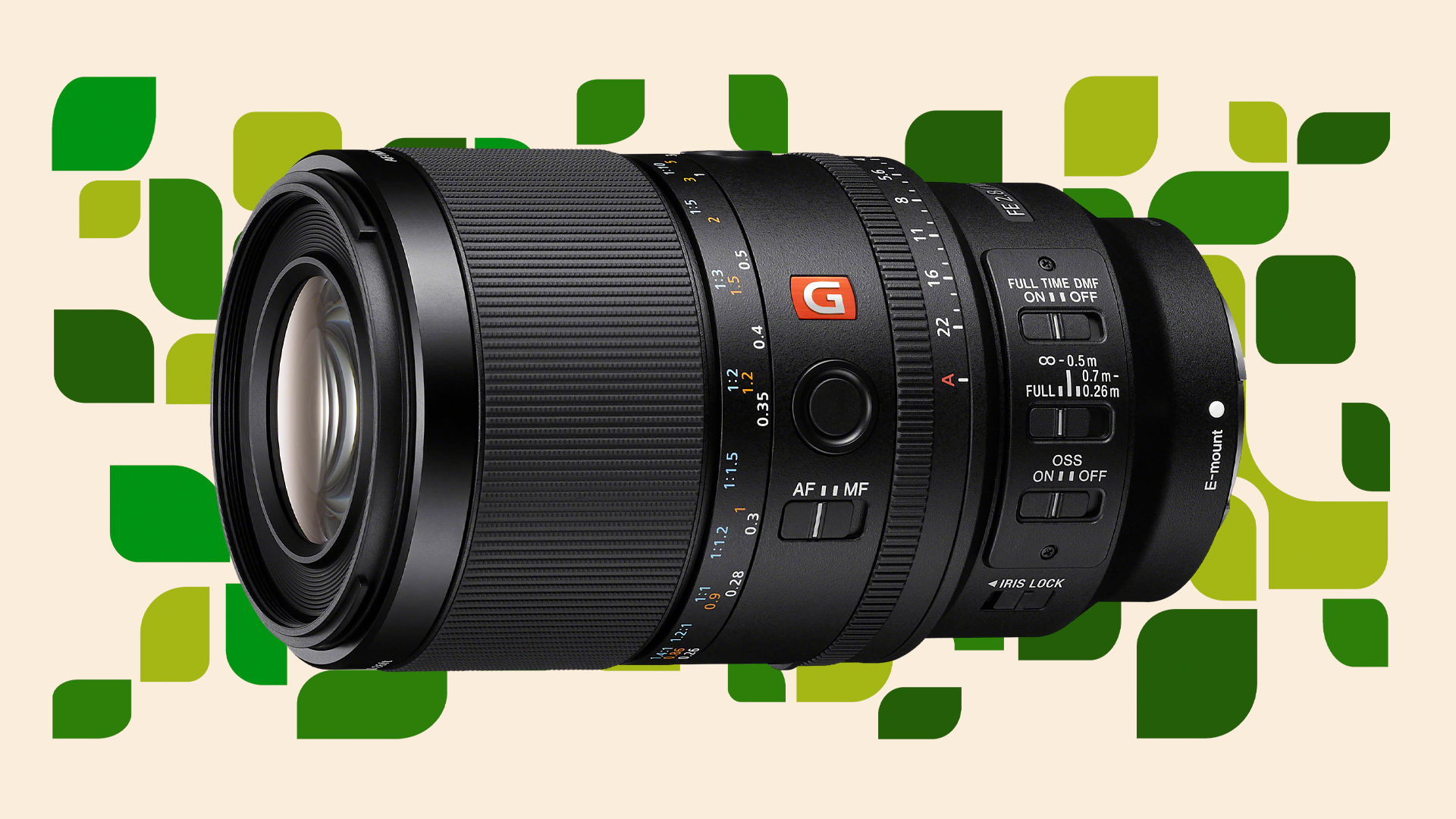
The best, easiest, and most obvious way to capture detailed, close-up images is by using a dedicated macro lens. Unlike the average lens, these are designed to have a short minimum focusing distance and a larger reproduction ratio.
Beware! There are a lot of lenses on the market, especially some longer zooms that promote their "macro" capabilities. If your goal is close-up photography, keep an eye on the magnification ratio of these lenses, because they might not get you as close to the 1:1 or 1:2 ratios as you want for your images.
Macro lenses are typically the sharpest and best corrected lenses for close-up photography, but they're not the only tool available to get us nice and close to our subjects. If you're considering dabbling in the world of close-up photography, there are a number of ways to experiment before making a large investment.
Close-Up Lens Filters
Close-up lens filters are an easy and relatively inexpensive magnifying lens that get users close-up views with their existing kits. Like any filter, they come in a variety of sizes and are threaded to the front of the lens. They do not affect our exposure in any way, though you may adjust your settings for the optimal results.
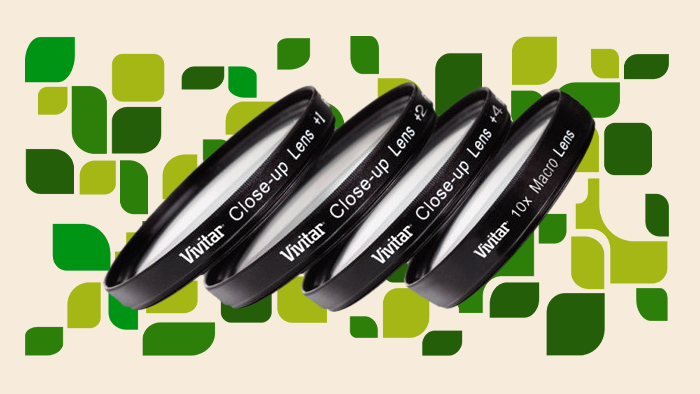
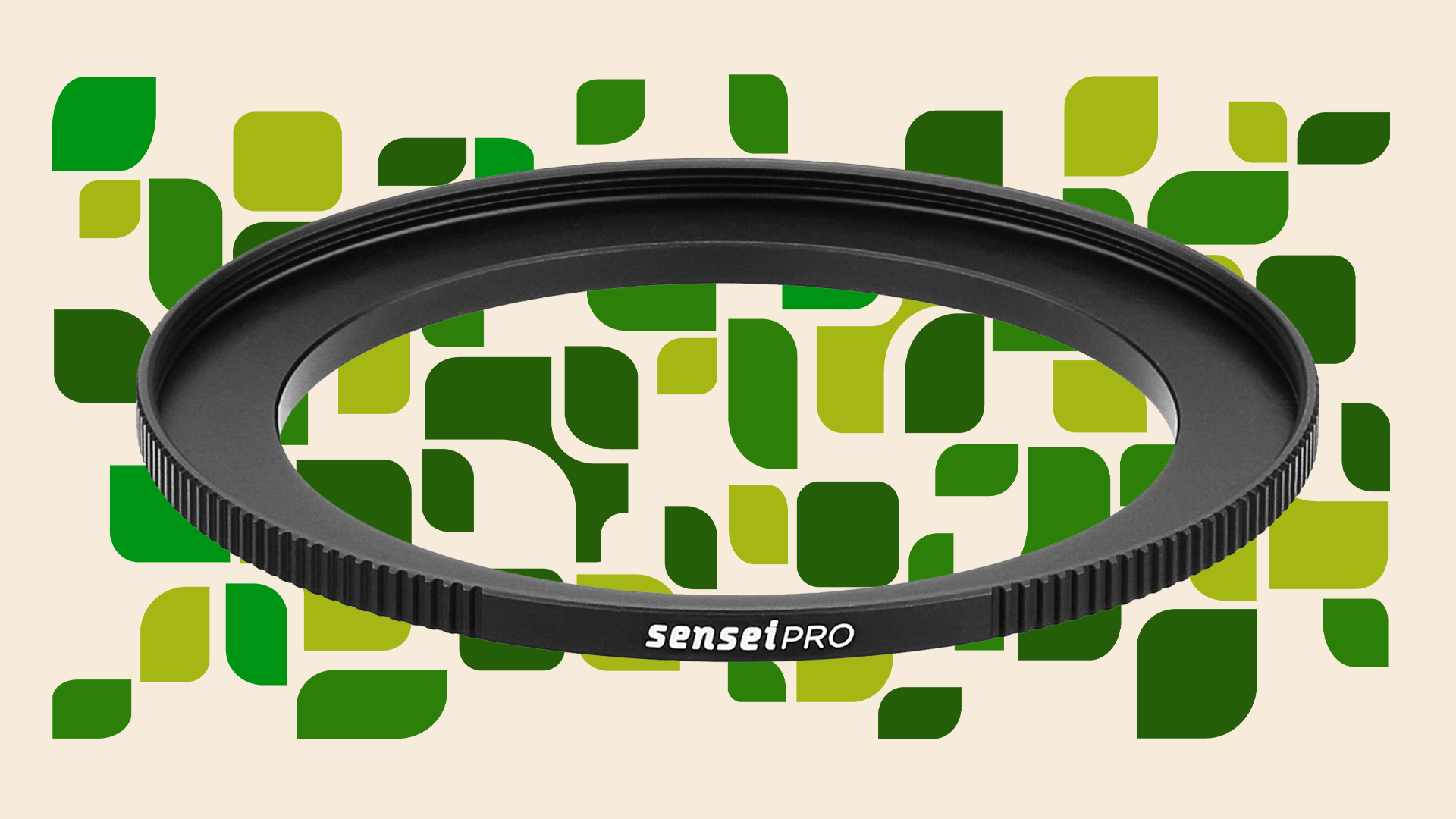
If shot using a wide aperture, image sharpness may be fuzzy, especially towards the edges of the frame. Stopping down will help in this area, but the strong center sharpness may be harness for artistic effect. If you have multiple lenses, fret not. A simple step-up ring can be used to adapt these across your kit.
Extension Tubes
Extension tubes are, as their name suggests, tubes that are mounted between a camera and lens to extend the physical distance between them. By doing so, the camera is able to focus closer than its typical minimum focusing distance, hence, close-up photography.
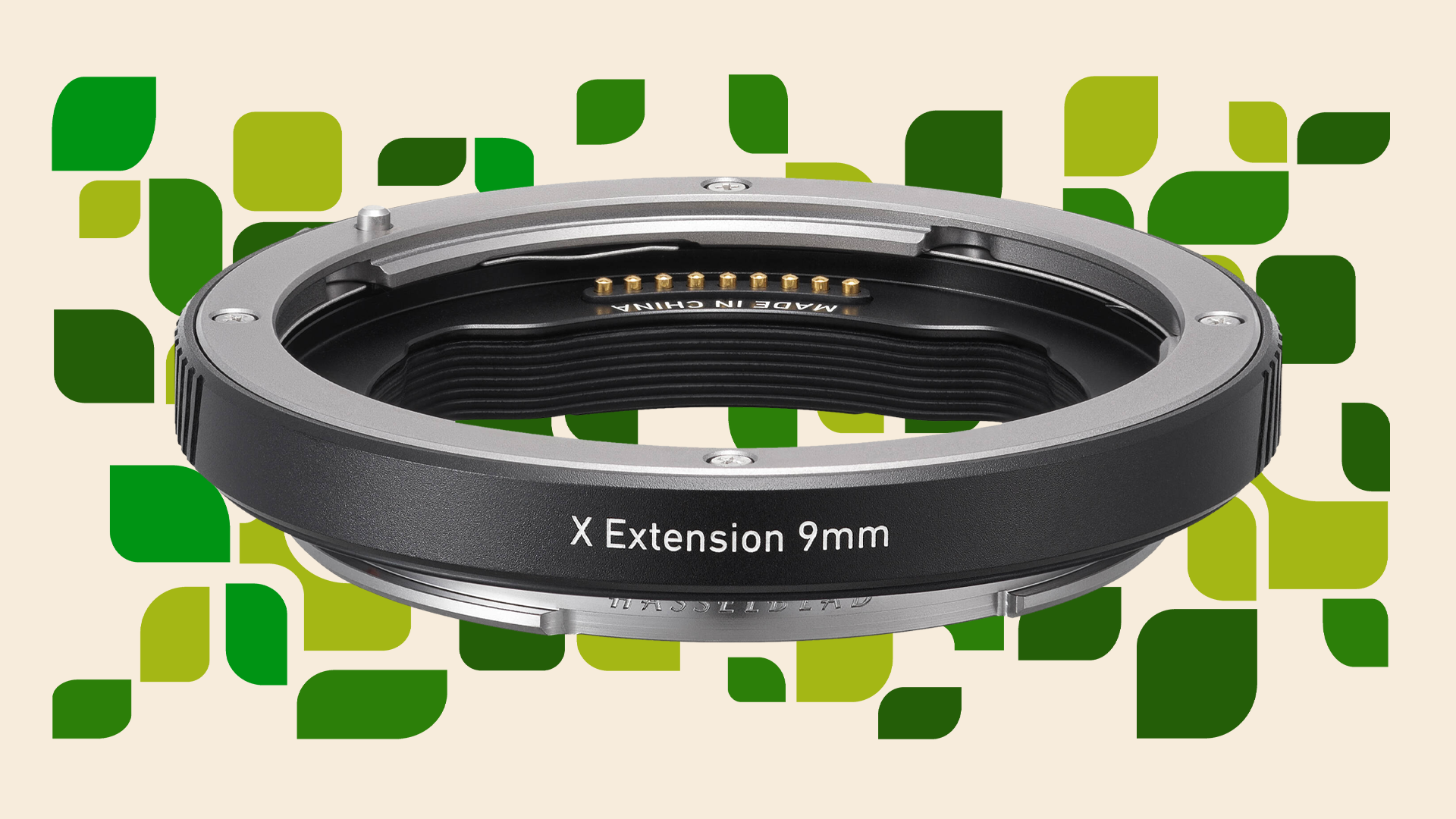
They do not contain any glass elements and thus have no effect on image quality. Some will offer full communication between the lens and camera body, but many will not, meaning that you'll need to manually adjust focus.
Reversing Rings and Macro Couplers
First up is a tool that can aid you to capture close-up images with the lens you already have. A reversing ring allows you to mount your existing lenses on your camera backwards. They feature a brand specific lens mount on one side, and lens filter threads on the other. As you can imagine, this requires manual control in both the camera and the lens.
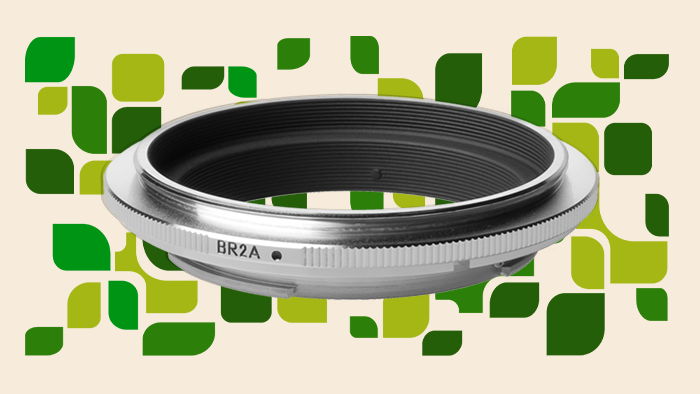
For this reason, older manual lenses are the best choice for use with reversing rings for the sole reason that they offer aperture rings. Wide-angle lenses will deliver greater magnification, but even a 50mm lens can you fairly close to your subject. For sharper results, stopping the lens down is a must.
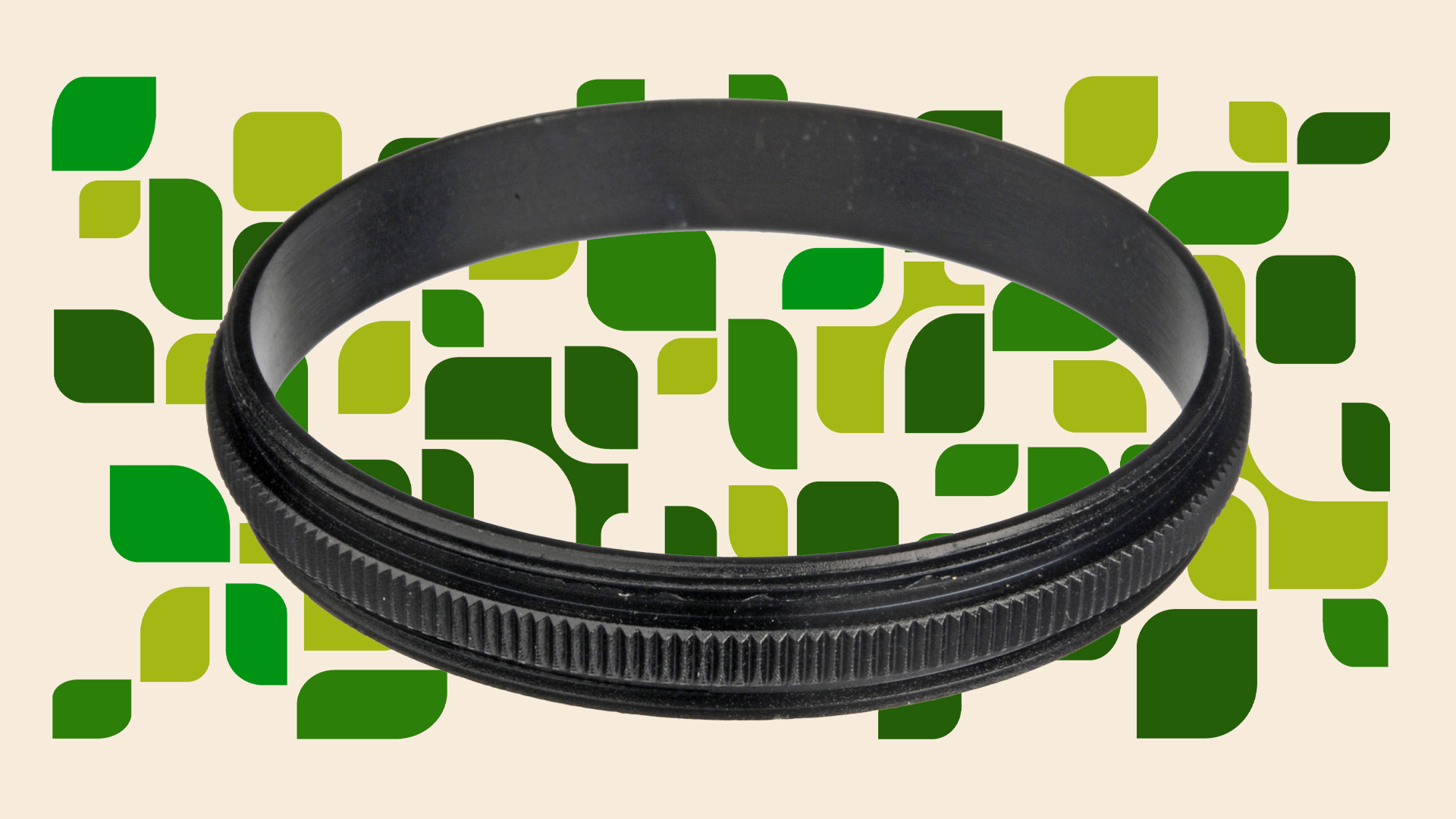
Similar to the classic reversing ring, a macro coupler mounts the reversed lens to the front of another lens. Like the other lens accessories listed above, the main benefit of this is its cost and portability. What sets this apart from the reversal ring is the ability to increase the magnification.
Tripods and Camera Supports
Getting nice and close to our subject, while fun, has its limitations. Just as longer focal length lenses can magnify camera shake, the same can occur when magnifying close-up objects. Even the slightest amount of shake in our hands can result in blurry images. Outdoor shooters also need to be wary of wind, as any breeze can do the same. To keep things still and stable, it's best to use a tripod.
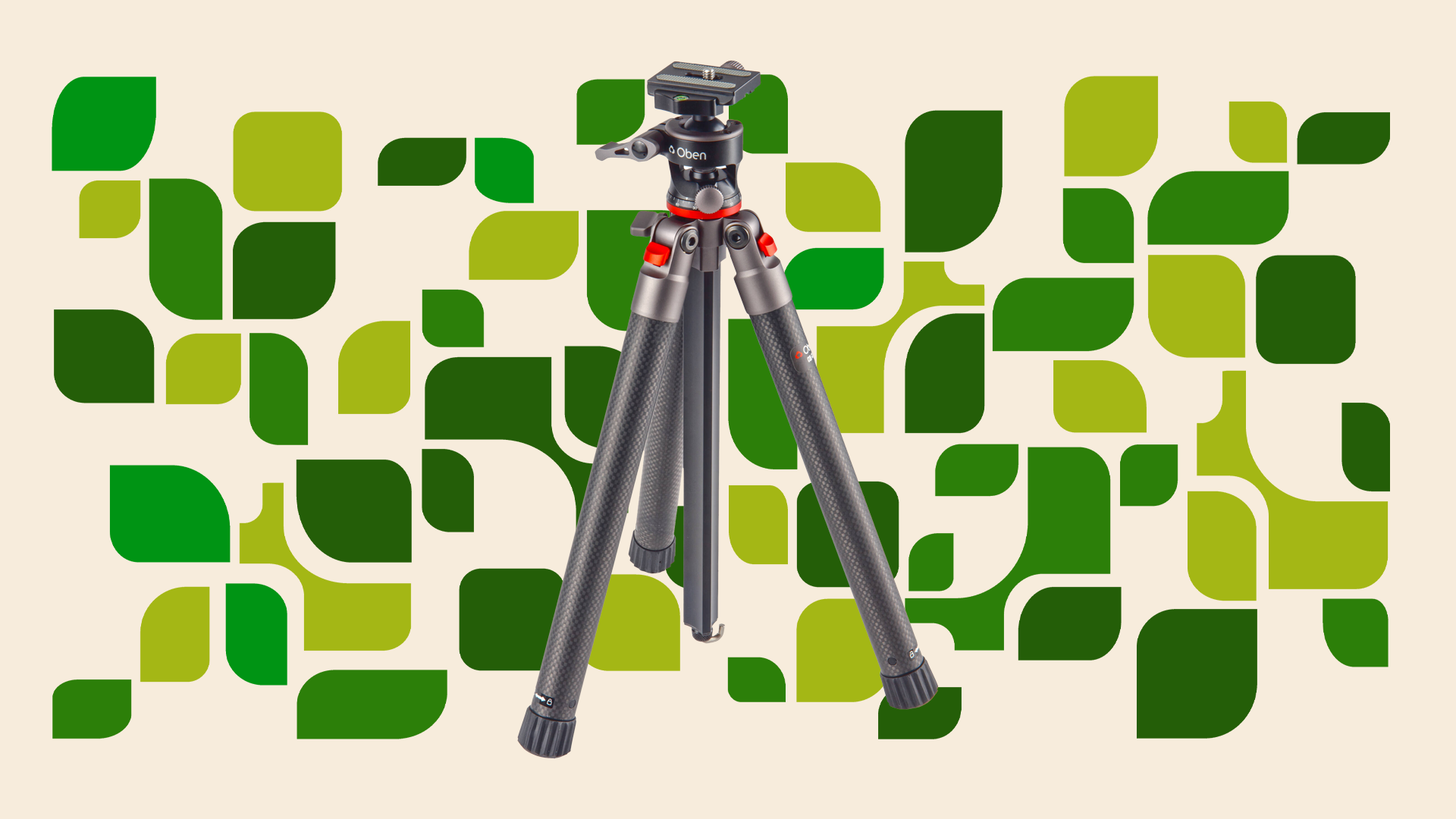
A stable base can also open up the opportunity to try using features like focus stacking, which capture multiple images while shifting focus, resulting in a greater depth of field and a sharper overall image. Just note that while some cameras can combine these images internally, others cannot, so some editing will be required.
Putting it to Practice
As with all things, practice makes perfect. There are many ways to experiment with macro photography in and around your own home. Whether it be insects in your garden or berries from your fridge, there is much detail to be found in these small objects.
When you getting up close, things are going to look a lot different than what you're used to. For this reason, keep an open mind and explore the possibilities. As you begin to play around with close-up compositions, you'll find what you like and what makes for a good photo.
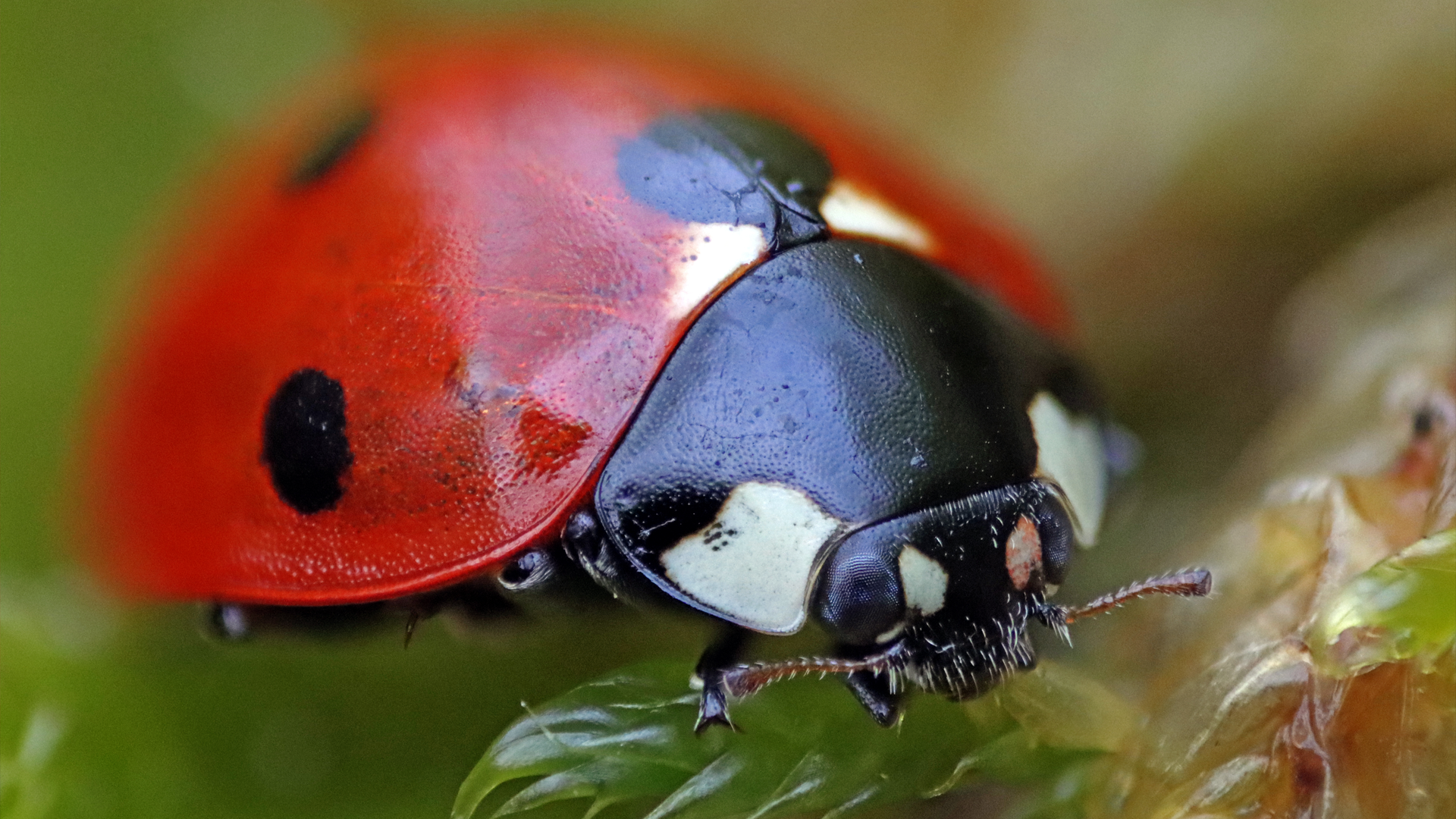
Macro photography can be an exciting experience once we know how to properly approach it. With the right tools and a bit of practice, you'll be off capturing stunning close-ups in no time. If you'd like to learn more about macro photography, check out the many articles and guides on the B&H Explora page!
